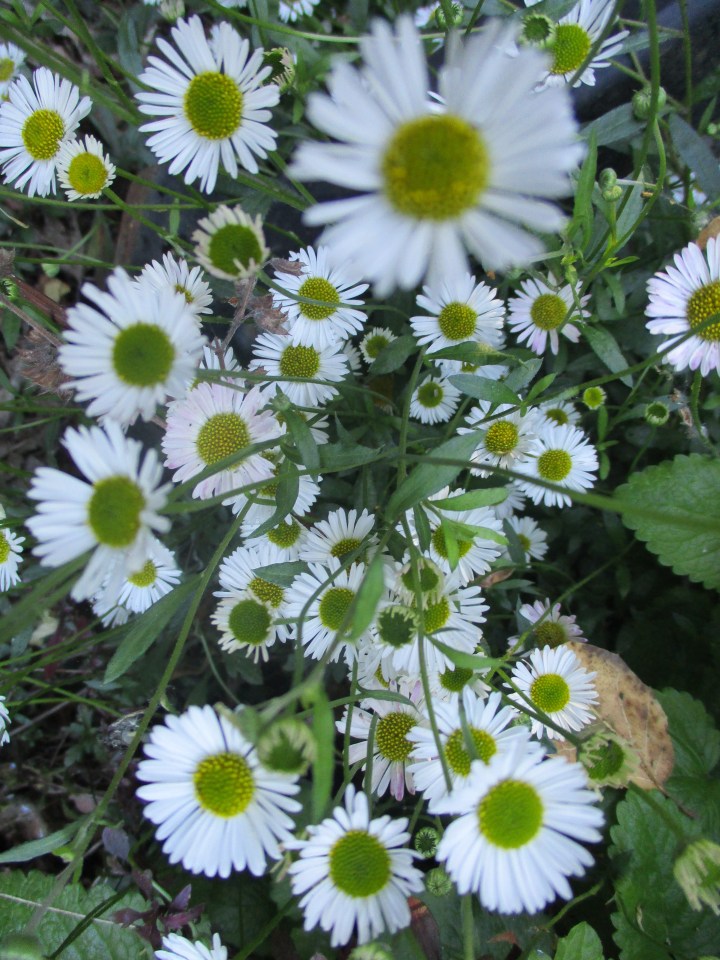
 There is so much more to gardening than mere horticulture. There is so much more to horticulture than mere plant life. Plants get eaten by insects and animals, and also take advantage of insects and animals for pollination and dispersion of seed. Some of us who enjoy gardening also like to attract some types of animals and insects to our gardens because they are nice to have around.
The birds and the bees, as well as butterflies, squirrels, lizards, snakes and other small animals add color, motion and vibrancy to the garden. Destructive animals like gophers, rats and deer, and cumbersomely big animals like moose and bears, are not so popular. Mosquitoes and flies are the sorts of insects that we would like to repel with aromatic herbs. Some but not all are welcome.
‘Pollinator’ flowers have become a fad recently, not only to attract bees, but also to provide them with more of what some believe they are lacking out in the wild. There is certainly nothing wrong with attracting bees. Those who are enslaved in honey production are best! Children learn as much about nature from bees as from other wildlife. The soft hum of big herds of bees is quite nice.
Beyond that, we should think outside the box of our home gardens. The unnatural disruption of local ecology can not be repaired by throwing more unnatural resources at it. Honeybees who were imported to make honey are not native, but displaced and interbred with natives enough to interfere with their natural pollinating behavior, as well as their resistance and susceptibility to disease.
Almost all plants in urban as well as agricultural areas were imported too. They were perpetuated until they dominated the localized ecosystems. There is now much more flora in places like the Los Angeles Basin and the Santa Clara Valley than there has ever been before! There is no shortage of bloom for bees. In fact, there is an overabundance of bloom potentially distracting bees from pollinating native specie who need them. Invasive exotic eucalypti might enjoy their popularity at the expense of California poppy.
 Redwood Glen was the ‘camp’ that we all went to in the sixth grade. It was probably our equivalent of what is now known as ‘nature camp’. For most of us, our experience at Redwood Glen was the longest time we had ever been away from our homes and families. We arrived on Monday morning, and returned home on Friday afternoon. It was something that we looked forward to with great anticipation for the few years prior.
 Wildlife and domestic animals seem to follow me everywhere I go. When Brent and I lived in the dorms at Cal Poly, our room was known as the Jungle Room, not only because of all the greenery, but also because every little bird that got knocked out while trying to fly through the big windows at the dining room was brought to our room to recuperate. A baby squirrel that weaseled into my jacket while I was out collecting insects for an entomology class lived with us for a while. There were two baby ducks that need a bit more explaining.
 He or she; let’s just go with ‘it’ – has no name that I am aware of. It might be an acquaintance of Pepe. (
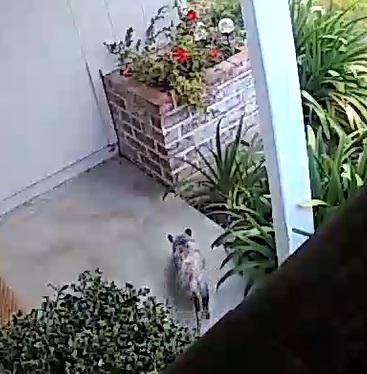
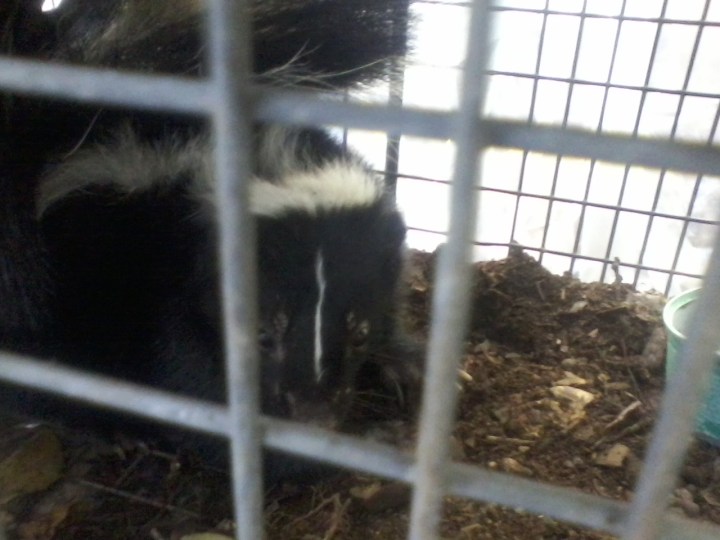 Coons are not much of a problem in the garden; but they can be a problem around the home. They scatter trash, eat dog and cat food, and can be dangerous to dogs and cats. They get into places we do not want them, including basements, attics, and even our homes. Once inside, they can cause significant damage.

 Australia, New Zealand and South Africa were the hip and trendy places to do internships in horticulture back in the late 1980s. Everyone who was anyone was doing it; which is sort of why I was not that interested in doing what everyone else was doing already, even if I could have afforded to go to any of those exotic places. I did my internship in Saratoga.



 Because I sometimes go to Brent’s jobs sites while in the Los Angeles area, people sometimes ask me if I see many famous actors. Well, I try to stay out of everyone’s way, so rarely see anyone at the sites. If I see anyone famous about town, I would not know it. I do not watch enough television or movies to recognize many of them.
