 They are weeds for a reason. They grow like . . . well, weeds! By definition, they are unwanted. Yet, they typically proliferate and grow faster than desirable plants. They aggressively compete for space, sunlight and resources. Many weeds start to grow through winter, and get established while other seedlings are just beginning to germinate, or other plants are just waking from dormancy.
Besides staying ahead of other plants, weeds stay ahead of us by growing so much while the wintry weather keeps us inside. Many weeds are really just trying to stay ahead of insects or animals that eat them in the wild. Since almost all weeds are exotic (nonnative) and far from their natural homes, the insects or animals that should eat them are not here to do so. It is an unfair advantage.
Now that the weather is more conducive to gardening, weeds should be pulled as soon as they are big enough to get a grip on. This includes tree, shrub and big perennial weeds like blue gum eucalyptus, Acacia dealbata, coast live oak, glossy privet and giant reed. If simply cut down, they will regenerate even stronger, and will probably need to be dug out. The roots are difficult to kill.
Annual weeds are very different. They will die by next winter without any help. Some will die when they dry out over summer. However, they should be pulled anyway, before they bloom and sow their seed. If the weeds are too abundant to exterminate, they should at least be cut down before their seed develops. In some situations, the mown or cut weeds might be preferable to bare soil.
Burrclover, bindweed and purslane stay so low to the ground that mowing or cutting weeds does not slow them down much. They must unfortunately be pulled, which is a serious chore in large areas! Dandelion and foxtail can get mown once, but they have a sneaky way of coming back lower to avoid losing seed the next time. Dandelion can actually come back next year as a perennial.
Bermudagrass and crabgrass are low growing perennial grasses that spread vegetatively (with their stems), even if deprived of their seed. They are very tough! Spurge and oxalis seem like they should be wimpy, but they sow seed so profusely and so early that, by the time they get noticed, their next generations are already started. Oxalis survives winter with perennials stems and bulbs.

 It looks like sweet alyssum, but is not even close. The tiny white flowers and finely textured foliage work almost as well for similar uses in the landscape. In fact, the plants are most often grown as short term warm season annuals. However, candytuft, Iberis sempervirens, is really a perennial that can be cut back in autumn, regenerate through winter, and bloom for spring and early summer.
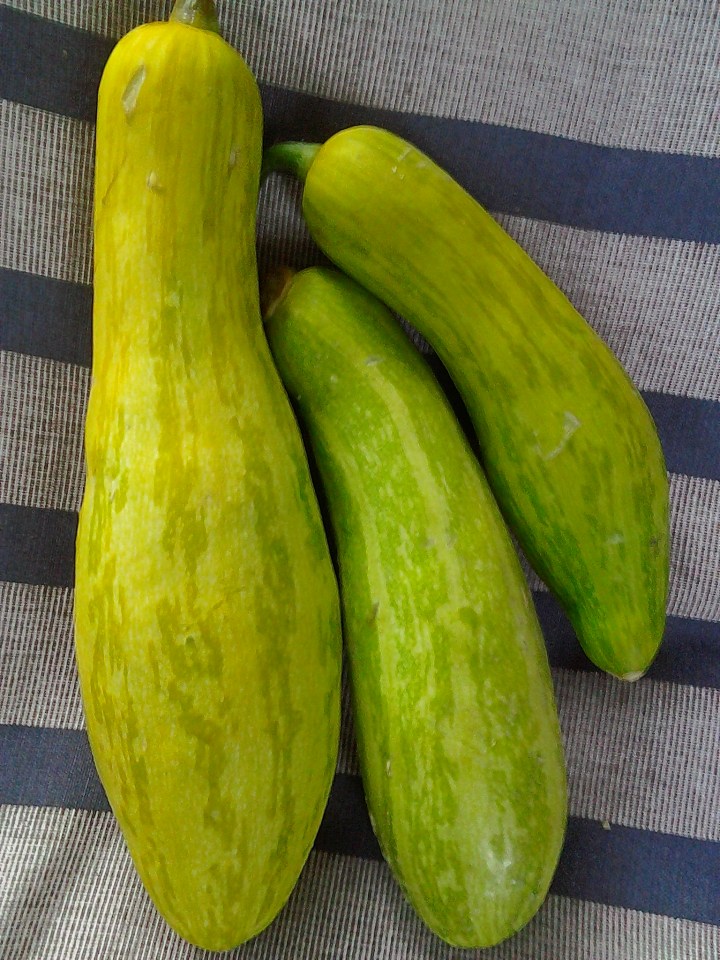 The calendar does not always agree with the weather. It really is about time to start replacing aging cool season vegetable plants with fresh new warm season vegetable plants. Earlier warm and dry weather had suggested that it was getting late. More recent frosty weather followed by rain suggested otherwise. Regardless, there is no point in arguing with what the calendar determines.
 He or she; let’s just go with ‘it’ – has no name that I am aware of. It might be an acquaintance of Pepe. (
 Medians are nice on the widest of boulevards. They break up the expansiveness of otherwise contiguous lanes. They make a four lane boulevard seem more like a pair of two lane roadways. Berms and other obstacles within medians limit the potential for head on collisions with traffic from opposite sides of the medians. Trees shade and cool some of the pavement when the weather gets warm. Besides all that, medians that are modestly landscaped simply look nice.
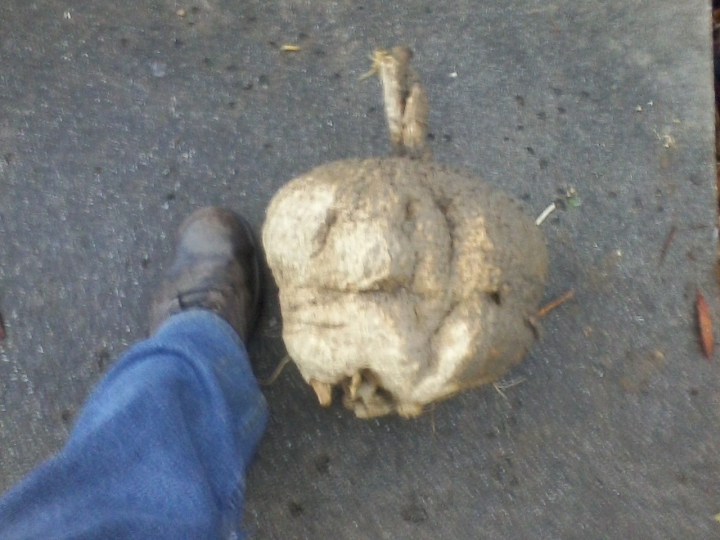 What is it?!?


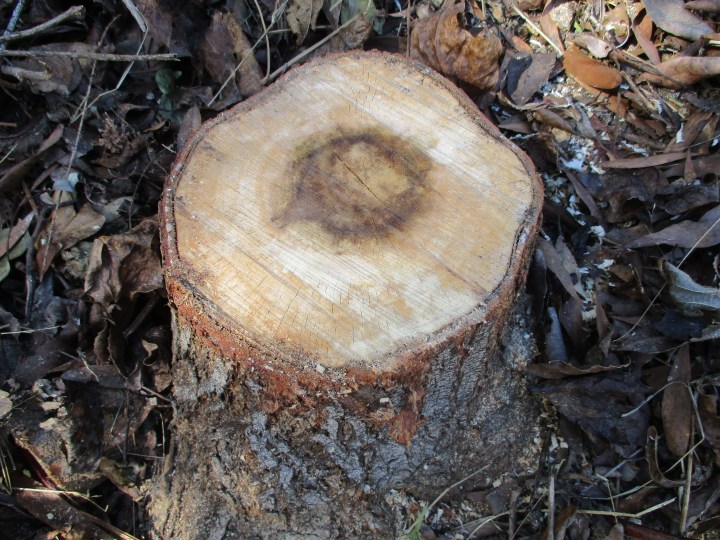
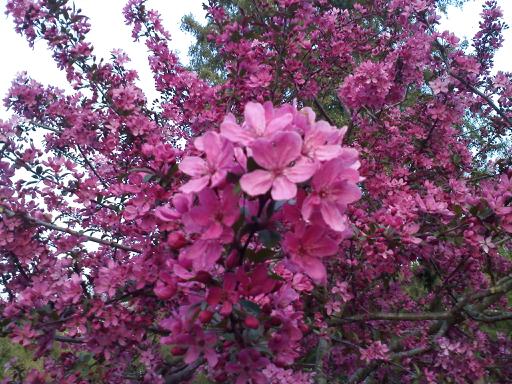
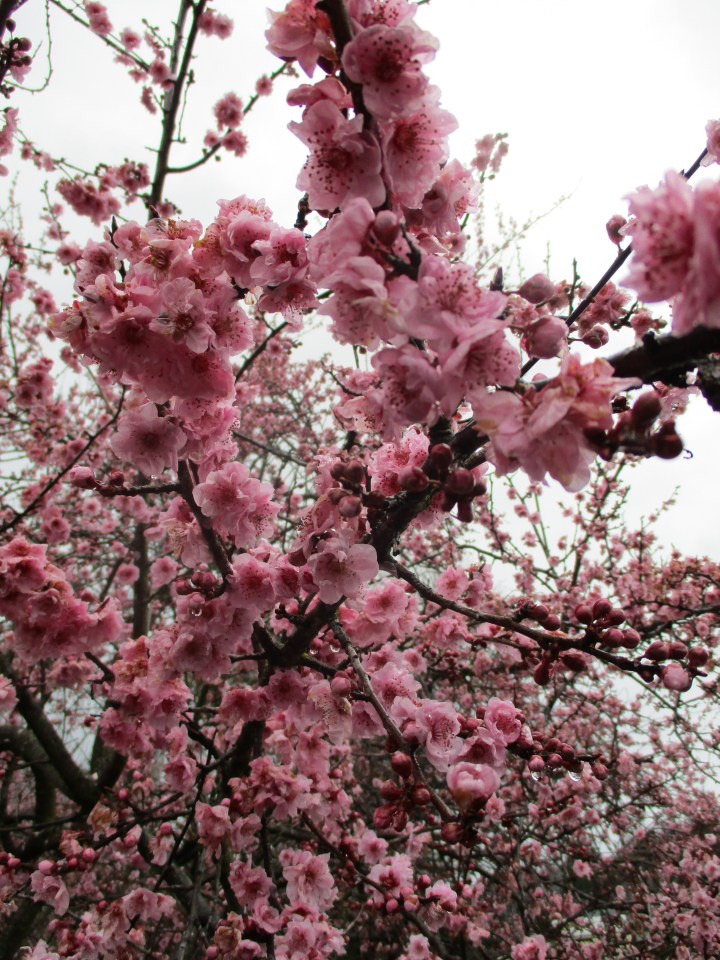 Of all the fruitless fruit trees, the purple leaf plum is the most popular here, but probably not for the obvious allure of its rich purplish or bronze foliage that maintains color until it falls in autumn. Purple leaf plum is simply so easy to grow. It does not need to be pruned as regularly as flowering peaches or flowering crabapples do. It is not as sensitive to sunscald as flowering cherries are.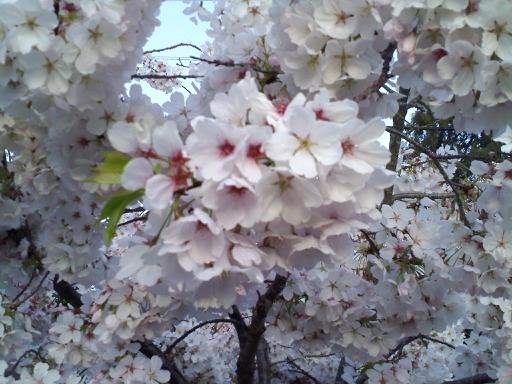
 Tony Tomeo