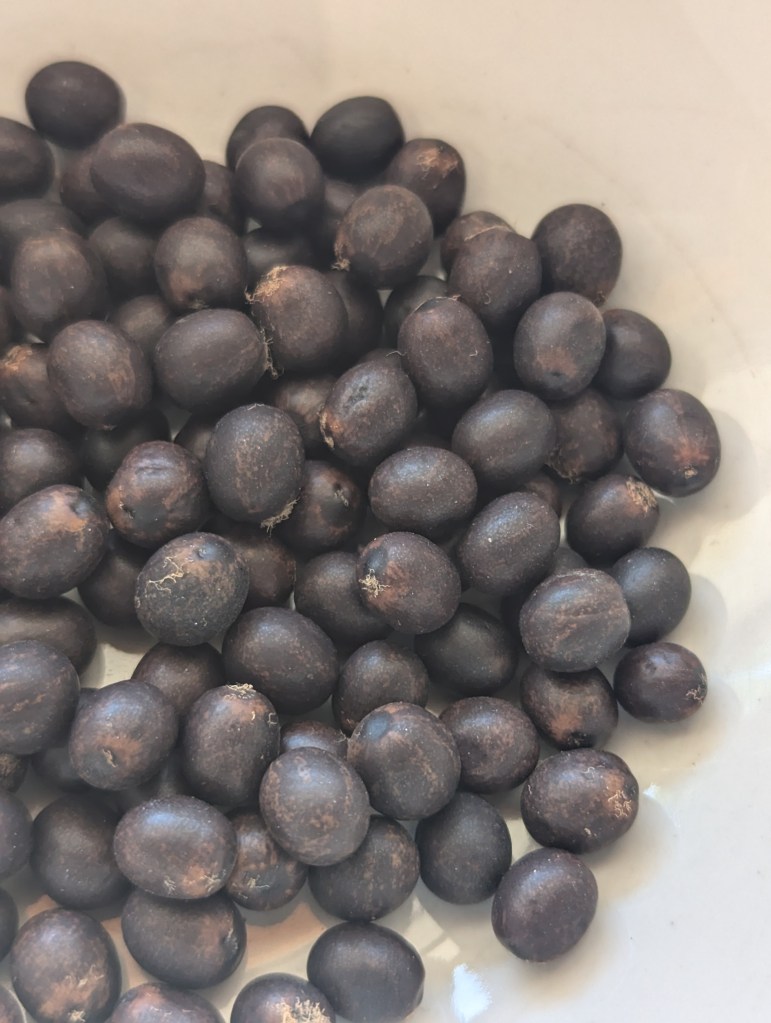
Seed is the most familiar option for producing new garden plants. Division of perennials, especially overgrown colonies, is another familiar technique. More substantial plants are easier to grow from cutting or layering. Propagation is any process of producing plants. It is how nurseries generate such plants. Some techniques are practical for home gardens.
Propagation by seed is the most practical for most annuals. It is also practical for several perennials and woodier plants. However, not all seed is true to type. Some may become progeny that is different from its parents. After a few generations, ‘Jewel Mix’ nasturtiums revert to orange and yellow bloom. Progeny of most variegated plants lacks variegation.
Propagation by division is more practical for many perennials that form distinct colonies. This includes crowded bulbs. It entails separation of portions of such colonies, or merely single rhizomes. Such portions need only enough root to grow as new plants. Progeny of division are genetically identical to their single parent plant. They therefore do not revert.
Propagation by cutting is the most common technique of propagation among nurseries. It involves cutting pieces of stems and compelling them to grow roots in rooting media. For small scale home garden applications, some of such stem pieces can root in water. Such pieces, or cuttings, are genetically identical to their original parents. They can not revert.
Layering is rather similar to propagation by cutting. Stem pieces remain attached to their original parents during the process though. Burying a portion of stem with its tip exposed stimulates root growth where it is buried. Such stems eventually develop enough roots to sustain themselves after separation. Layering is practical for producing just a few copies.
Propagation is certainly more involved than these brief descriptions imply. It may involve other techniques. Grafting involves assembly of two or more distinct cultivars onto single plants. Rootstock grows from seed, division, cutting or layer. Scions are buds or stems of other cultivars. They graft onto the rootstocks to become the upper portions of the plants.


Too much propagation is the problem in my garden. I propagate everything because I can, not because I need or have room for more plants. I haven’t tried grafting yet though.
LikeLiked by 1 person
Oh, that can be a problem, especially for species that propagate themselves, such as agaves and bananas. Agaves are difficult to share because no one wants them. Grafting is not easy enough to become excessive.
LikeLike