Horticulturists are by nature, nonconforming. I happen to find it difficult to conform to what makes us nonconforming. Trends are fleeting. Old technology that has worked for decades or centuries is still best. Although I am not totally against chemicals, I find that almost all are unnecessary for responsible home gardening. Pruning is underappreciated, and fixes many problems.
I seriously can not think of a title for this one. All that comes to mind is too objectionable. Writing about it will not be much easier.
It began with a few mature camellias that were in need of grooming a few months ago. They were sufficiently shabby that I did not mind pruning them at the wrong time. Ultimately, almost all of what was groomed out was necrotic anyway, so did not compromise bloom significantly. I was pleased that the eventual bloom would be better presented against a neater background.
Then, I was informed that several of the same camellias would need to be removed to facilitate the installation of a new sidewalk. That would have been useful information before I put such meticulous effort into grooming them. It was briefly annoying; but I did not fret long. I planned to recycle the…
Like so many popular spring bulbs, flame vine, Pyrostegia venusta, may not delay bloom until spring as it should. Within the warmly sunny situations that it prefers, it is more likely to bloom during winter. It may wait until the end of winter or even the beginning of spring only where winter weather is cooler. Bloom is already finishing where winters are milder.
Bloom is spectacular, particularly while not much else blooms so copiously. It is about as profuse as bougainvillea bloom, but earlier. It is about as vibrant orange as poppy bloom, but earlier. With warmth, sunlight and regular watering, flame vine performs very reliably. Perhaps it should not be as uncommon as it is. Yellow blooming flame vine is quite rare.
Although a bit tamer than related red trumpet vine and royal trumpet vine, flame vine may be uncommon partly because it is so vigorous. If pruned to the ground after bloom, it can reach second story eaves to bloom there for the next season. It can grow absurdly high if it grows into trees. Its evergreen foliar tendrils can cling to and damage painted surfaces.
Narcissus, including daffodil, started to bloom during all that earlier torrential rain. Those that bloomed after the rain stood up a bit better than those that started earlier. Crocus are stouter so are more resilient. Hyacinth are both relatively stouter and slightly later. While such spring bulbs contend with late wintry weather, it is about time to add summer bulbs.
Unlike spring bulbs that like to be in the garden early enough to benefit from winter chill, summer bulbs do not benefit from chill. Some actually dislike it. Also unlike spring bulbs, very few summer bulbs, or late bulbs, are actually bulbs. Almost all are rhizomes, tubers, tuberous roots, corms or other types of dormant but reliably perennial storage structures.
Summer bulbs do not grow through early winter to bloom later in winter or early in spring like spring bulbs do. They instead grow through late winter and early spring to bloom for late spring or summer. A few bloom for autumn. Several are more reliably perennial than the majority of spring bulbs. However, some bloom splendidly only for their first seasons.
Gladiolus is one of the most popular summer bulbs, but like many spring bulbs, it blooms only once annually, and is not reliably perennial. Planting in phases every two weeks or so through their planting season prolongs bloom. However, most corms do not survive to bloom for a second season. Those that do will synchronize for their subsequent blooms.
Dahlia blooms for a longer season from the middle of summer until the middle of autumn. Also, it is more reliably perennial. Tubers remain dormant through winter after stems and foliage die back. They generate new stems and foliage through warming spring weather. Overgrown or crowded tubers propagate efficiently and easily by division while dormant.
Summer bulbs are not quite as diverse as spring bulbs, but some types are too vigorous for much diversity. A few rhizomes of canna can become overwhelming within a year. Old fashioned white calla forms broad colonies that might exclude other perennials. Smaller and more colorful modern cultivars are fortunately docile. Crocosmia might get invasive, and is difficult to mitigate.
Of all the strange seed I brought back from Oklahoma, none were from the scrub palm, Sabal minor, that is endemic to McCurtain County in the very southeaster corner of Oklahoma. I did not get to that region.
Sabal minor is nothing special to those who are acquainted with it. However, a variety that was selected from those in McCurtain County, which is known simply as Sabal minor ‘McCurtain’, is becoming increasingly popular in climates where winter weather is too cold for other palms. It is sufficiently resilient to frost to survive in New England and Canada.
I just wanted it because it is from Oklahoma.
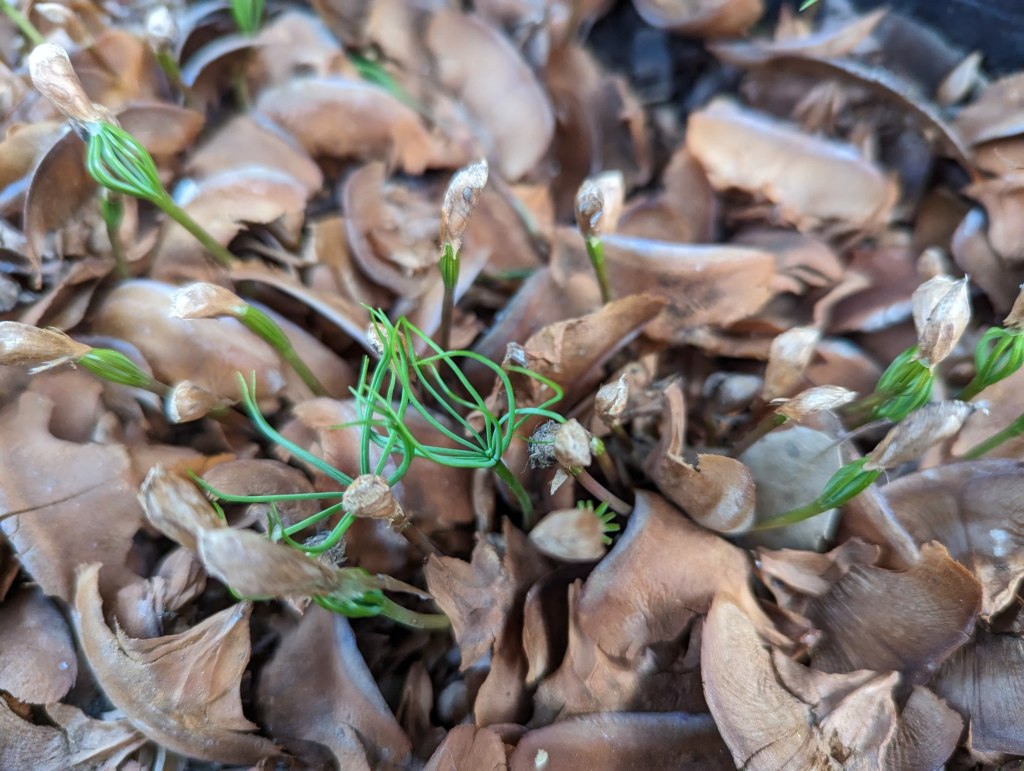
Since I did not collect any wild seed, I had considered purchasing a seedling of the ‘McCurtain’ variety online. It would have been rather expensive for a single seedling. I was pleased to find seed…
Brent Green, my colleague down south, is a renowned landscape designer of the Los Angeles region. His landscapes are spectacular. You might not know it by all the mean things I say about Brent and his work, but his clients know otherwise. He makes the outdoor spaces around their urban homes seem like they are in serene and thickly forested jungles hundreds of miles away.
Well, . . . generally. That is what the landscapes look like to me. Some clients prefer simpler or sunnier gardens. What I often perceive as superfluous vegetation is there to obscure adjacent residences or other undesirable scenery. It is not as if neighboring residences are unsightly. They are obscured merely to provide privacy and a sense of solitude in a very crowded region.
While designing a landscape that is appealing to the senses, it is helpful to eliminate or at least obscure some of…
Winter is the busiest season here. There is no more to do during winter here than here is anywhere else, but there is a bit less time in which to do it all. Dormant pruning must be done prior to the last frost, and the first bloom. Planting should be done prior to the last rain, especially for small plants and seedlings such as most of these. Even after the most torrential weather since 1982, winter weather here can not maintain dormancy for long. Even if it would do so for more species, canna may not cooperate. I suspect that some of its ancestral species were familiar with frost without winters in the tropical Andes. They survive frost, but are too eager to grow immediately afterward.
1. Lupinus arboreus, bush lupine is a gift from a local nursery that grows native species. They were getting too mature to be marketable. We got a dozen. They grow wild nearby.
2. Lantana camara, lantana is coppiced annually after getting a bit frosted, but prior to regeneration. This unexpected seedling was also coppiced, but relocated in this process.
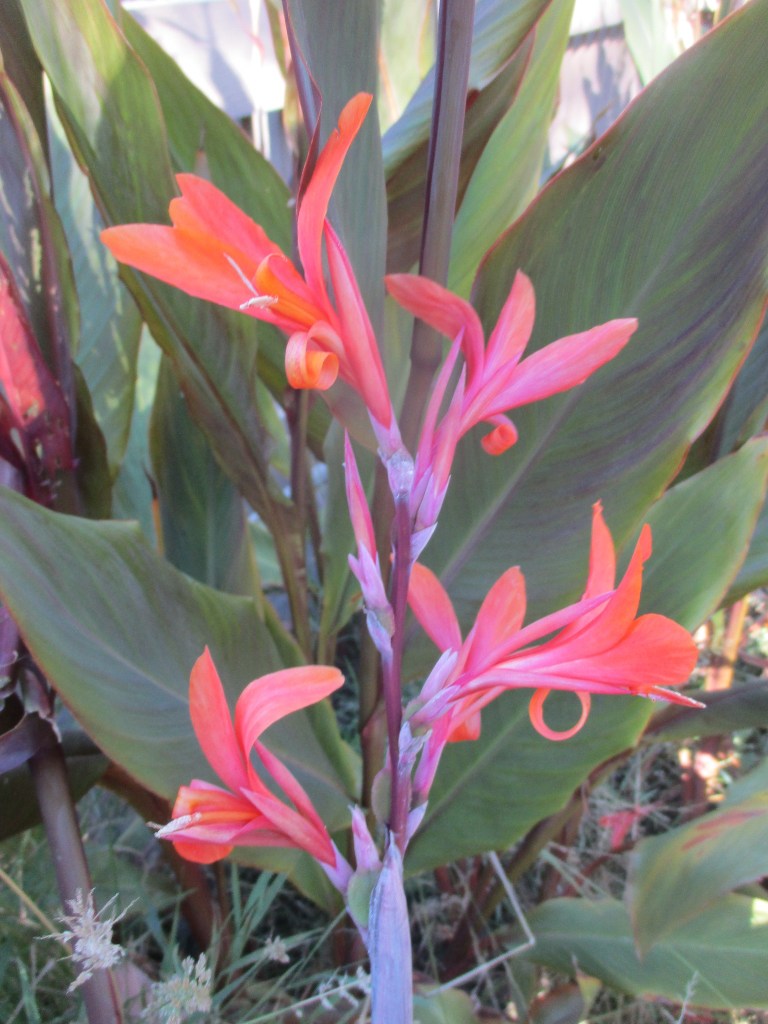
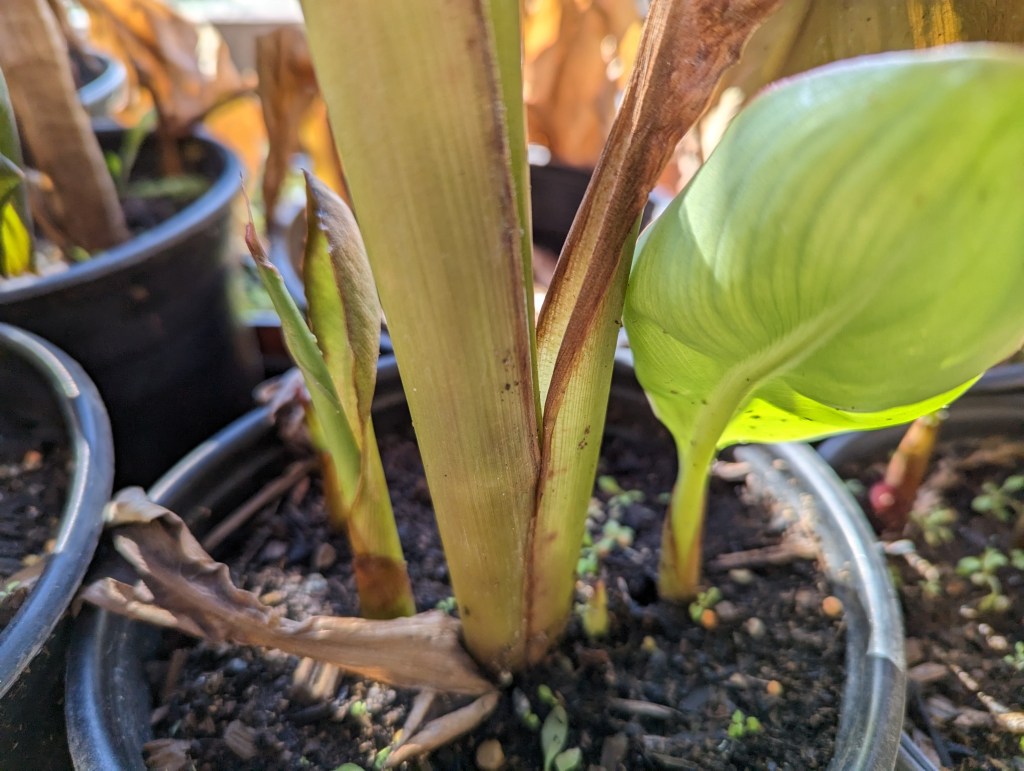
3. Canna indica, canna does not seem to know what winter is. It survives frost, but tries to regenerate immediately after experiencing it, instead of waiting for the end of winter.
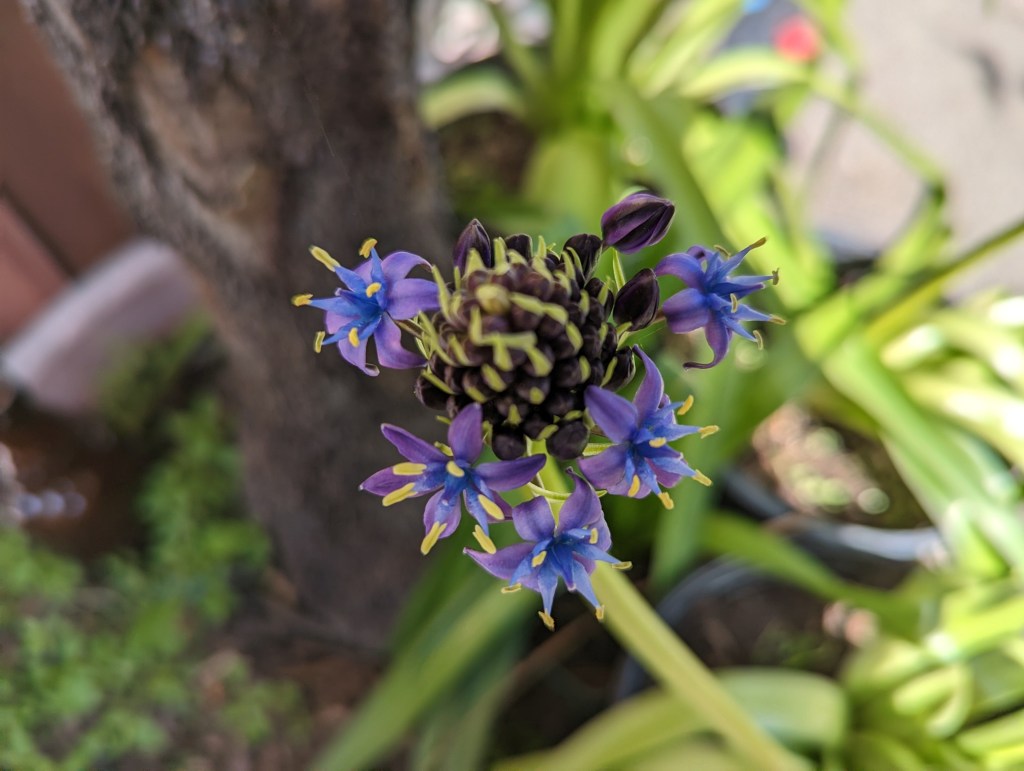
4. Scilla peruviana, squill seems like it should be just as familiar with winterless frost in Peru, near the Equator, but is actually a Mediterranean species. Three are blooming late.
5. Amaryllis belladonna, naked lady generates too many seed. I again made the mistake of collecting some two seasons ago. What now? These actually get put out while foliated.
6. Cedrus deodara, deodar cedar is as prolific, but without my intervention. I pulled and plugged several a few years ago, but most of them were killed by weed whackers anyway.
Tasmanian tree fern is more tolerant of significant frost than Australian tree fern is.
The trunk of a tree fern is really just tough compressed roots growing downward through dead organic material left behind by earlier growth. The foliage and terminal shoot high on top is just like any other fern that never leaves the ground. Because such a trunk is porous, it is ideal for epiphytic plants that, in the wild, mostly cling onto trees instead of growing on the shadier forest floor. Even though most epiphytic plants are able to cling to just about anything, many prefer tree fern trunks because they can actually root into them.
The shaggy trunks of Tasmanian tree fern, Dicksonia antarctica, take decades to grow tall enough for smaller plants to be visible below the lush foliage, but are plump enough to host a rowdy party of clinging epiphytes. Most get only about four or five feet tall, with the foliage standing a few feet higher, although some old specimens in Golden Gate Park are more than fifteen feet tall, and very old specimens in their native Tasmania can get nearly fifty feet tall.
The big lacy leaves spread about six feet wide, and can reach twice as wide in shadier spots. Shade also makes the foliage darker rich green. Like almost all ferns, Tasmanian tree fern like relatively rich soil and regular watering. Unlike other tree ferns though, it tolerates frost.
Kalanchoe is a popular houseplant here, but grows wild in Madagascar.
The plants grown as houseplants may have serious disadvantages that prevent them from being happy in the garden, but have other advantages that help them survive indoors. They tolerate the lack of direct sunlight, the lack of humidity, the minimal fluctuations of temperature and the confinement to pots that they must endure for a domestic lifestyle. Their main difficulty in the garden is most are from tropical climates, so can not tolerate cold winter weather.
However, even happy houseplants like to get out once in a while. Even though most can not survive the coldest winter weather, the mildest winter weather is actually the best for them to get supervised outings. During clear and warm summer weather, sunlight can easily roast foliage.
Houseplants with glossy tropical foliage occasionally like to be rinsed of dust and whatever residue that they accumulate in the home. (African violets and plants with fuzzy leaves do not want water of their foliage!) Foliage can be rinsed in a shower or with a hose, but are more gently rinsed by very light drizzly rain.
Timing is important. Unusually cold or heavy rain should be avoided. Plants should be brought in before the sun comes out. It is probably best to not leave plants out overnight when it gets colder and they are not likely to be monitored. While the plants are outside, mineral deposits can be scrubbed from the bases of the pots.
The rain needs to fall this time of year anyway, so it may as well go to good use in as many practical ways as possible. It may be a while before it flows into the aquifer and gets pumped out to come back later for use around the home and garden.
So much of the water that gets used around the home has the potential to be used again. With modifications to plumbing and the sorts of soaps and detergents used around the home, used water, politely known as ‘greywater’, can be redirected, collected and distributed to the garden. Water may not be so important in the garden this time of year, but a Greywater Workshop happens to be coming up next week; and advance registration is required.
The Guadalupe River Park Conservancy’s Adult Greywater Workshop (for ages eighteen and up), ‘Greywater Basics: Reusing Household Water in your Landscape’, will be from 9:00 a.m. to noon on February 18th. The Workshop will be at the Guadalupe River Park and Gardens Visitor and Education Center at 438 Coleman Avenue in San Jose. Admission is $15, or $10 for members. More information is available, and reservations can be made, at www.grpg.org or by telephoning 298 7657.
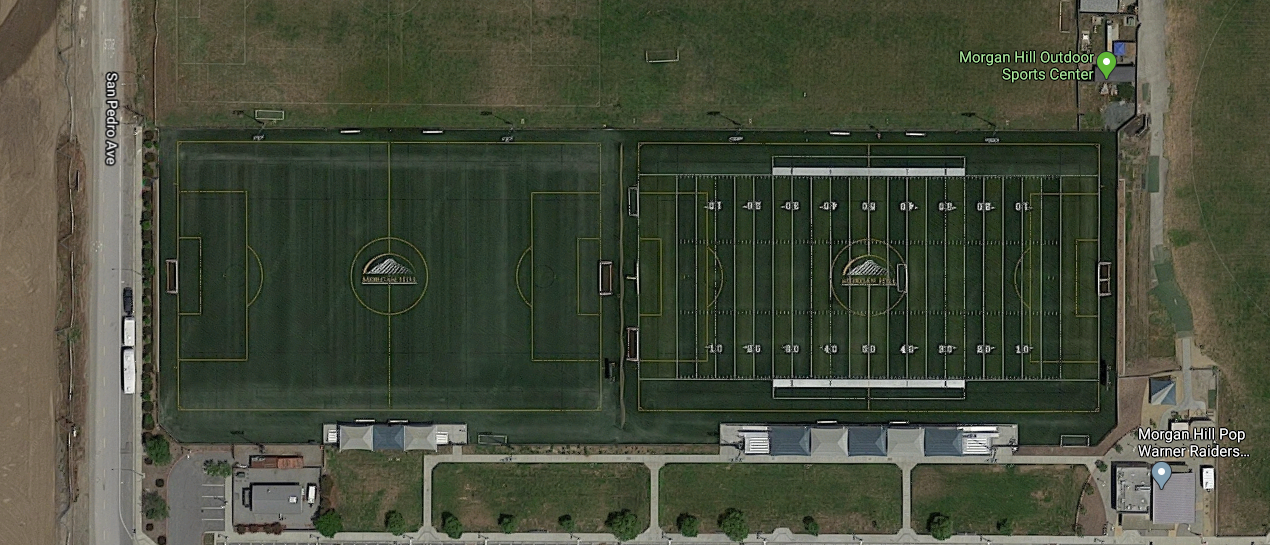
No, that is not backward. It refers to a legendarily disastrous incident with artificial turf at the Morgan Hill Outdoor Sports Center. Prior to about 2010, while I was the only horticulturist on a big staff of a big so-called ‘landscape’ company that expressed almost no interest in horticulture, I was summoned to the site to investigate an ‘issue’. I was told nothing about artificial turf.
Upon arrival, it became immediately obvious that this was no horticultural issue. Wind was generating waves in the recently installed artificial turf that were taller than the unfortunate guy who was scurrying about in an futile attempt to nail the turf surf to the ground. I was dismayed. I know nothing about artificial turf. Why was a so-called ‘landscape’ company even involved?
I suppose I should not have been too surprised. It was not as if many…
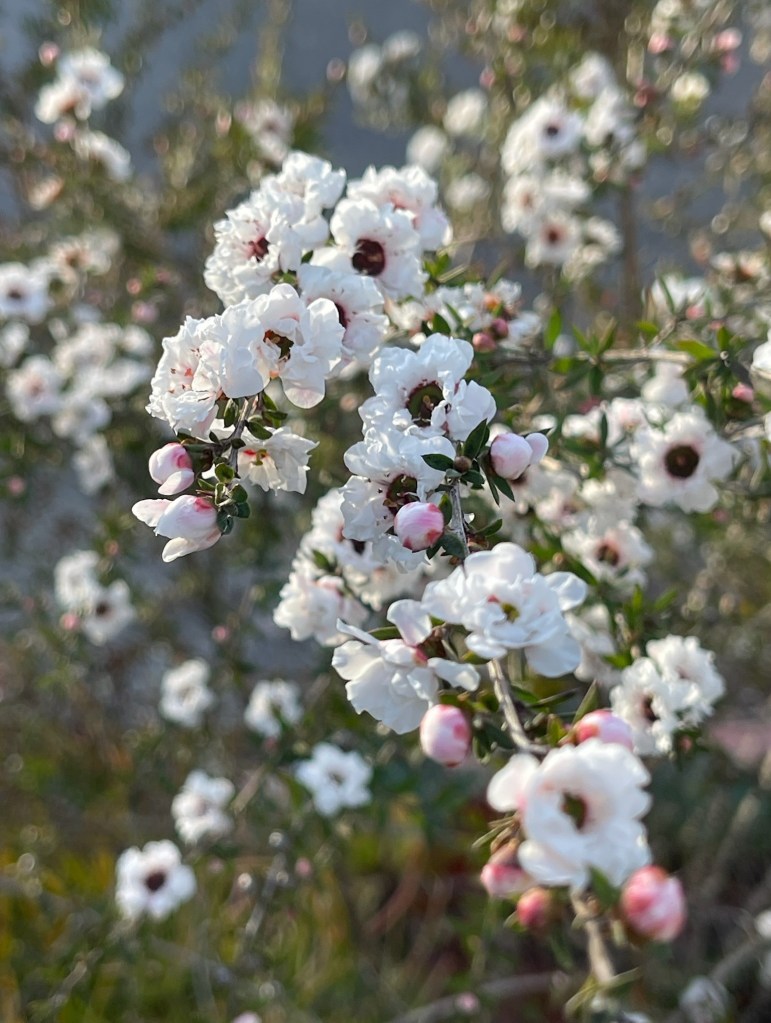
Bloom should probably be most profuse for late spring or early summer. In actuality, New Zealand tea tree, Leptospermum scoparium, blooms whenever and however it wants to. Now that it seems to be blooming prematurely, it might continue to bloom in phases until autumn. Minor bloom phases might even continue randomly through autumn and winter.
Floral color is white, pink or red, including deep ruby red. The tiny flowers are sometimes sporadic but sometimes quite profuse. A few cultivars have plump double flowers. Foliar color is olive drab green or bronze green. The finely textured evergreen foliage is slightly scratchy. Its tiny leaves have pointed tips. The fibrous brown bark is handsomely shaggy.
New Zealand tea tree works very well as a blooming informal hedge. Frequent shearing of formal hedges compromises both bloom and natural form. Elimination of lower growth exposes appealingly sculptural trunks supporting little trees. Some modern cultivars will not reach first floor eaves. Some reach second floor eaves. All demand sunny exposure.

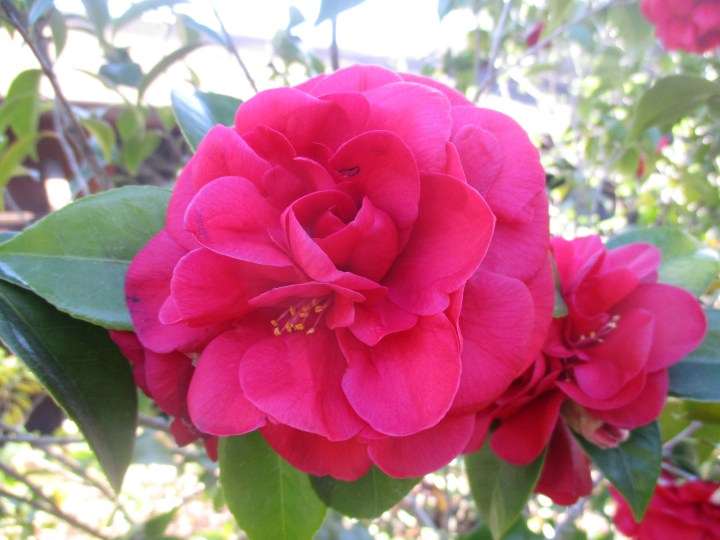 This is how appreciated camellias bloom.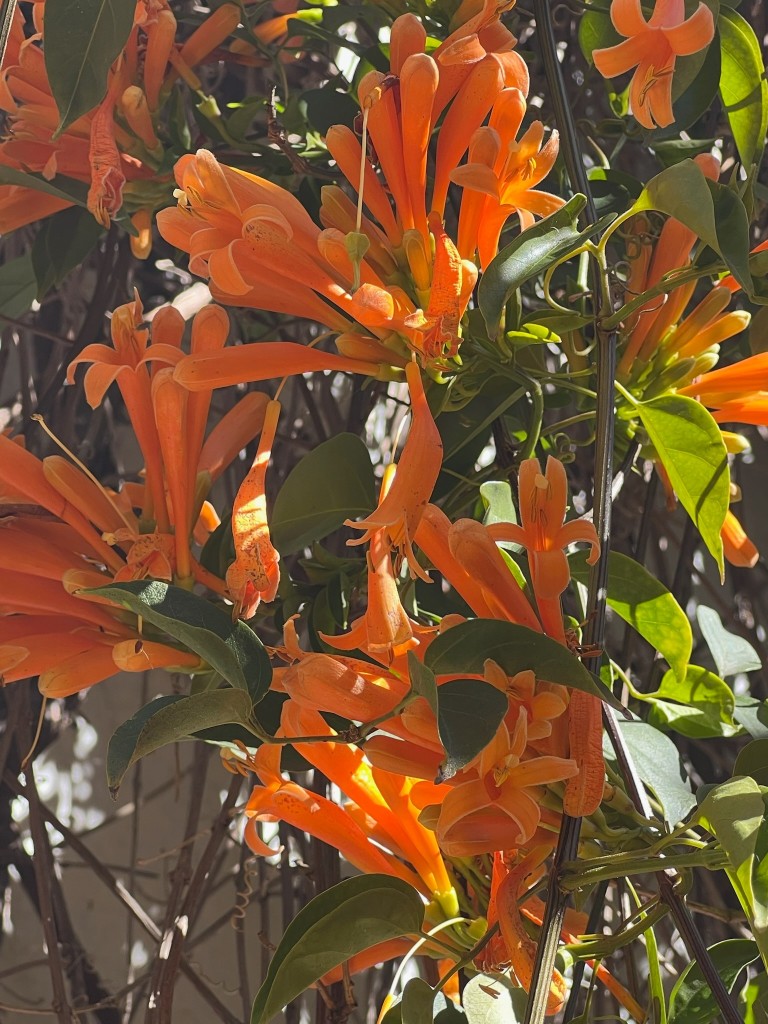
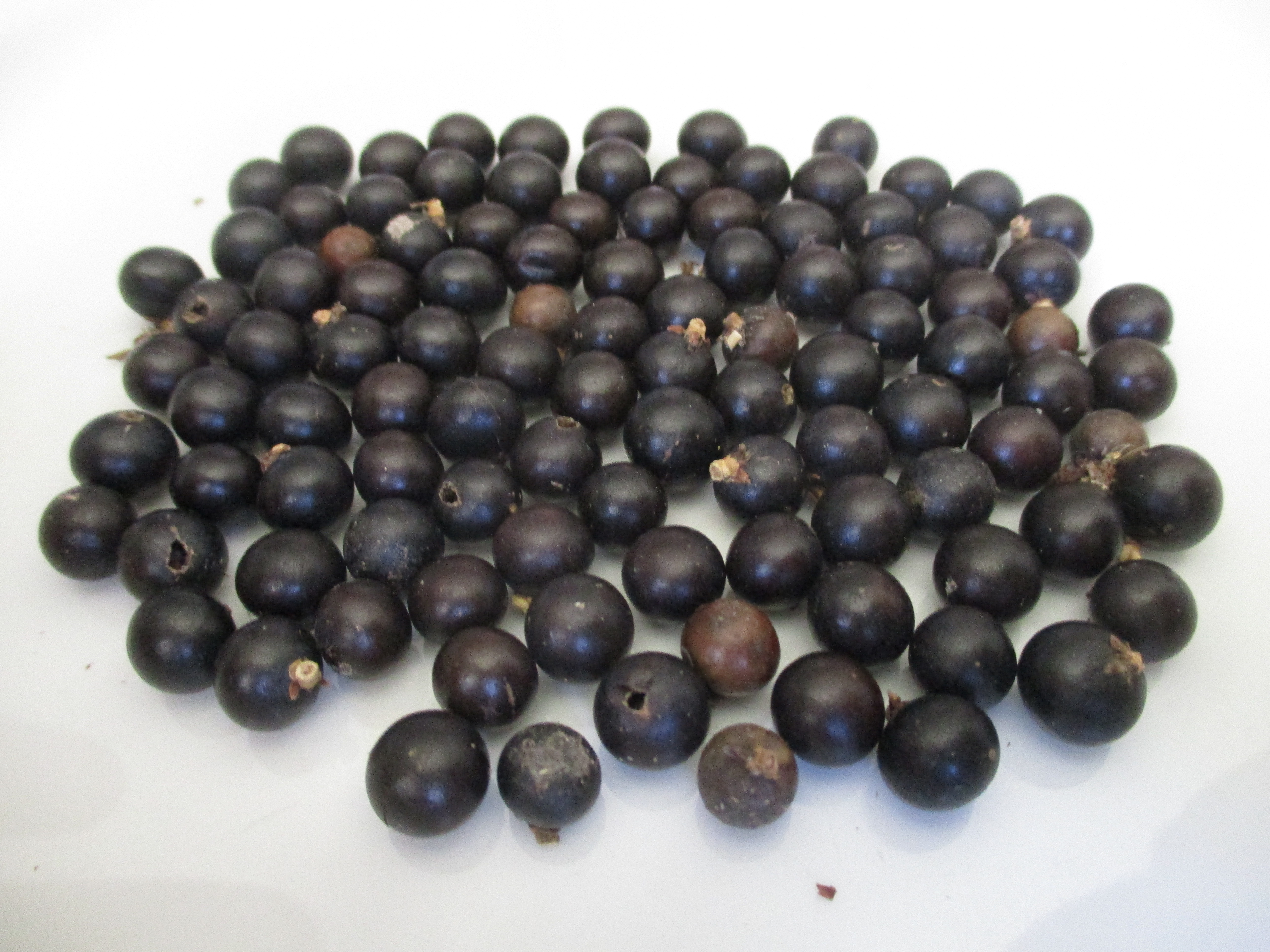 104 seeds for the price of 10!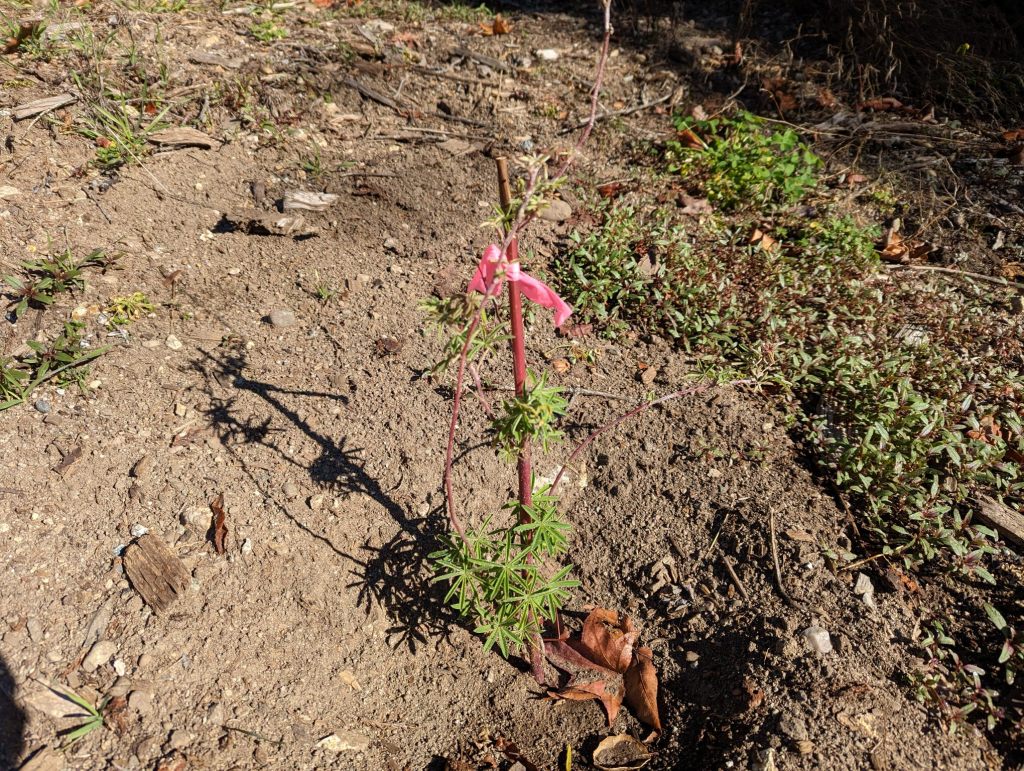




 Surfing should be done in the ocean.