
Shade has become less of a priority for modern urban gardens than it still is for older and more spacious suburban gardens. Significantly less sunlight reaches the ground of such confined gardens among taller and shadier homes and fences. Even where shade might be desirable, space for shade trees might be minimal. Streets are the primary exception.
Streets, and associated curbs and sidewalks, are generally the sunniest situations within modern urban neighborhoods. They collect and radiate ambient heat that warms nearby homes and gardens, even if the weather is already unpleasantly warm. Cars that park on pavement without shade are vulnerable to the most heat, which accelerates weathering.
It is an unfortunate waste. Sunshine that is useless and undesirable on streets would be useful within gardens. Although sunlight is not transferable from one situation to another, it might be partially abatable with shade. Streets are certainly no place for gardening; but the space above them may have potential to accommodate the canopies of shade trees.
Street trees are simply trees that flank streets and other roadways. Most are shady. A few are merely visually appealing. They may inhabit parkstrips, treewells or gardens that are adjacent to sidewalks. Many municipalities prescribe street trees for most of their streets. Conforming street trees are standard accessories for streets within new residential tracts.
Of course, street trees must be appropriate to their particular applications. They must get tall enough for clearance above the largest of vehicles that use the roadways below. For commercial districts, some must also stay above storefront signs. Contrarily, a few street trees must stay below aerial utilities. Street lamps, high or low, require clearance as well.
Size and form are not the only considerations. Roots of street trees must be complaisant with infrastructure. Mess should be as minimal as practical. The most complaisant street trees might stay too small to attain adequate clearance or provide much shade. The most visually appealing might be too messy. Selection of appropriate street trees necessitates significant research regarding every potential option.

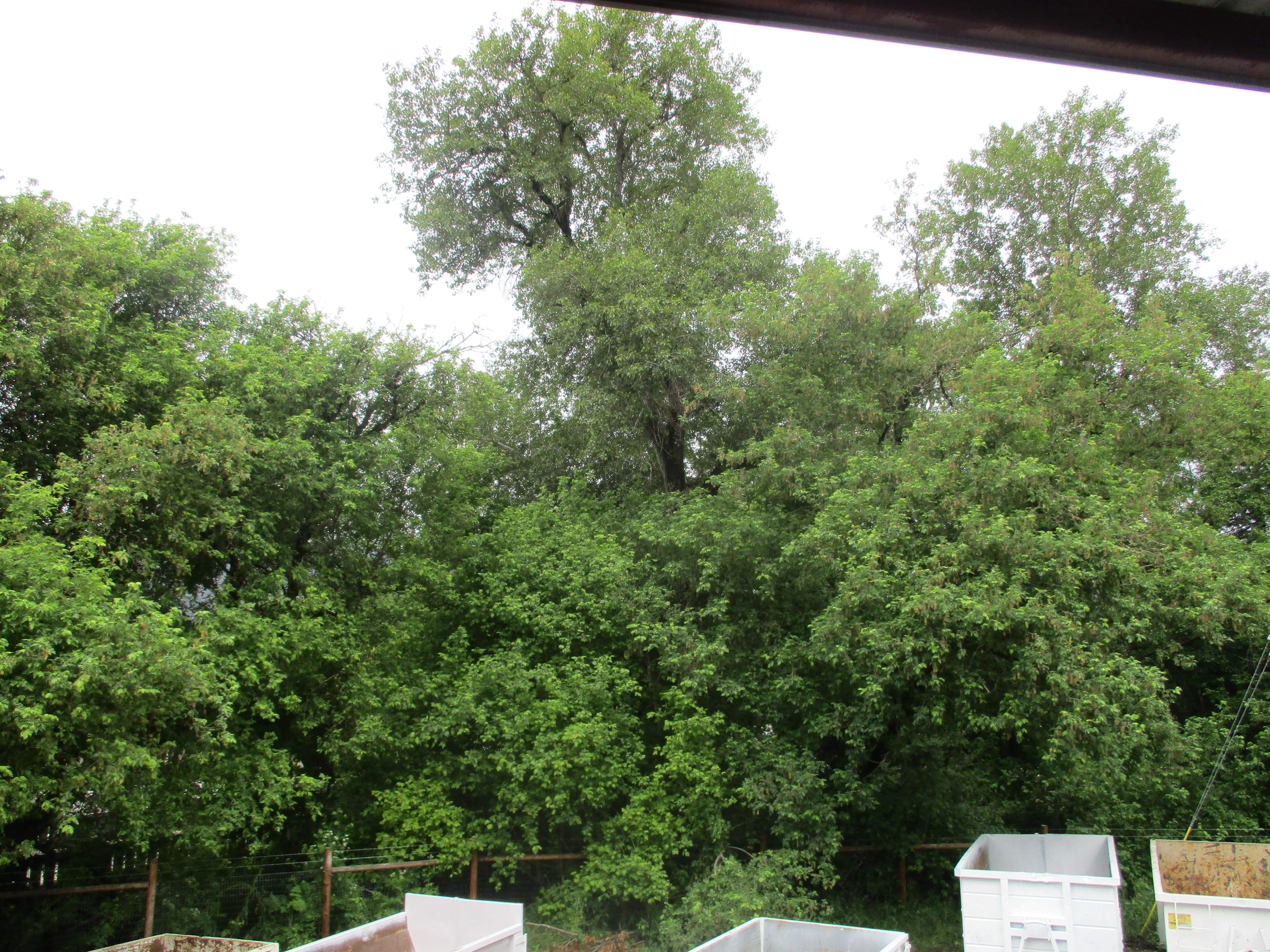 There happen to be quite a few campgrounds in the region, with one about a quarter of a mile upstream from where this picture was taken, and another less than three miles past that. Both are primarily used by school age children. The vast redwood forests with creeks flowing through are ideal for such campgrounds.




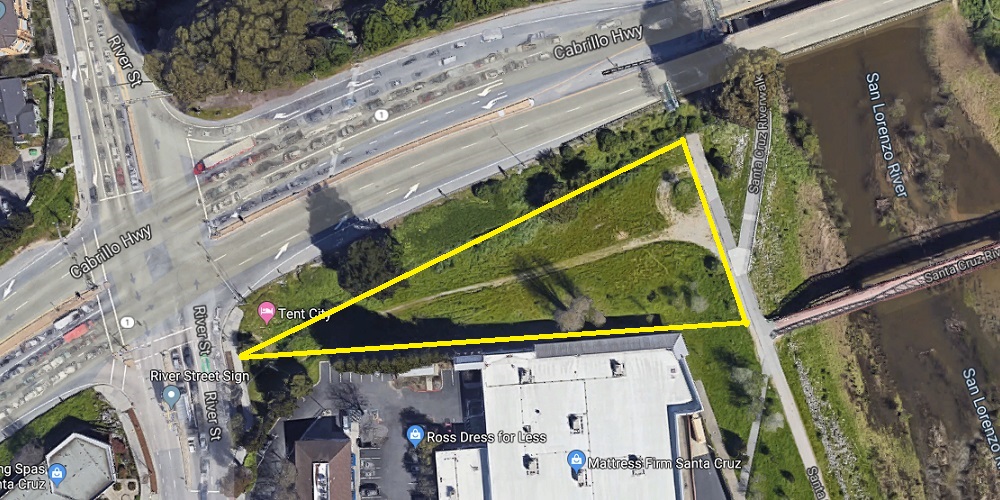 Fake environmentalism is a HUGE topic, so for now, will be limited to fake environmentalism as justification for the eviction of homeless encampments.


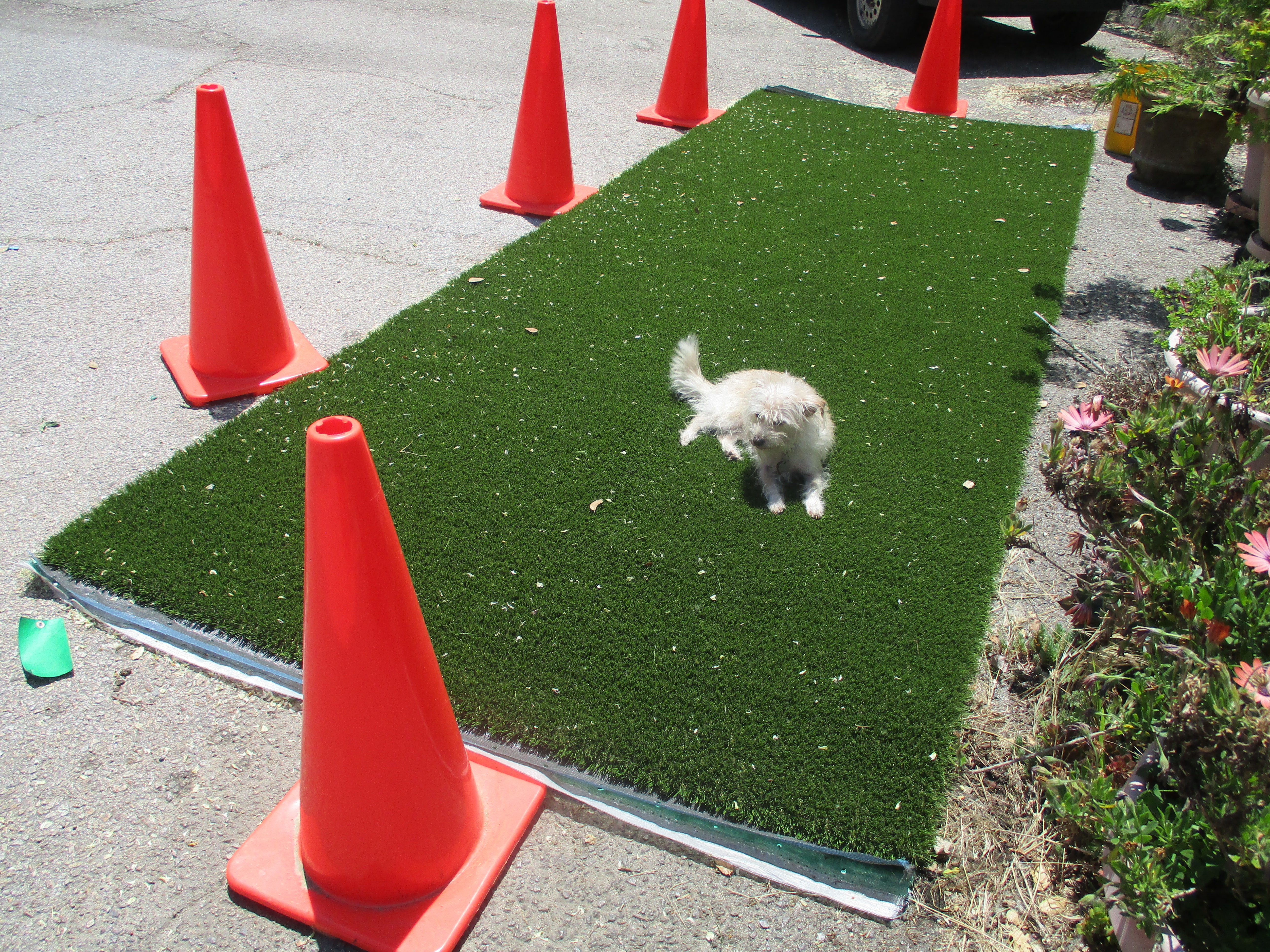 A new lawn is getting installed at work. Yes, installed. It will not be grown like lawns were decades ago. It will be unrolled and fastened into place, not like sod, but more like carpet. It will be synthetic artificial turf. After considerable deliberation, it was determined to be the most practical option for the particular application. The real turf that was there before succumbed to excessive traffic above and very sandy soil below.

