The majority of fruit trees require intensive and specialized maintenance.

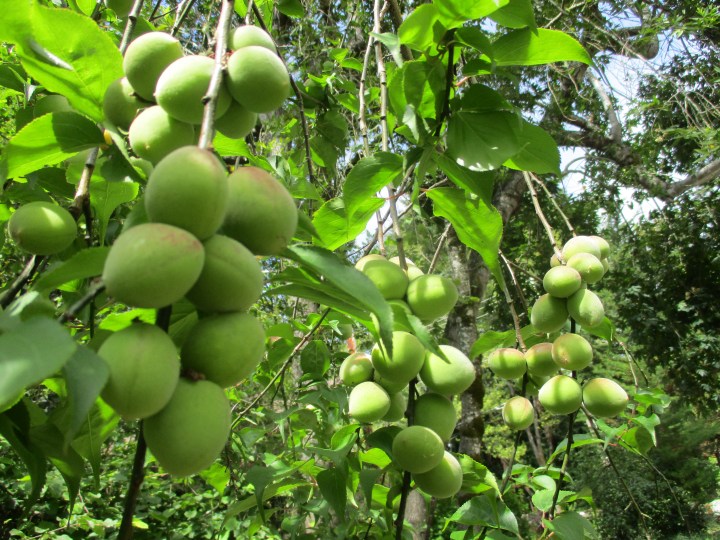 They do not come with instructions for their maintenance. Deciduous fruit trees, particularly the stone fruit trees (such as cherry, plum, prune, apricot nectarine and peach) and pomme fruit trees (such as apple and pear), can be procured as easily as nasturtium seed or petunias. Whether bare-root in winter or canned (potted), they very often get planted into gardens where they are expected to produce their fruit as easily as daisies bloom.
Instructions for planting that come with bare root stock are useful for getting those particular trees started, but mention nothing about how even brand new trees need to be pruned after installation, and will need specialized pruning annually every winter thereafter. The same applies to rose, raspberry, blackberry (all varieties), grape, and to a lesser extent, fig, pomegranate, persimmon and several other fruit producing trees, vines and shrubs.
The problem with the stone fruit and pomme fruit trees…
View original post 149 more words


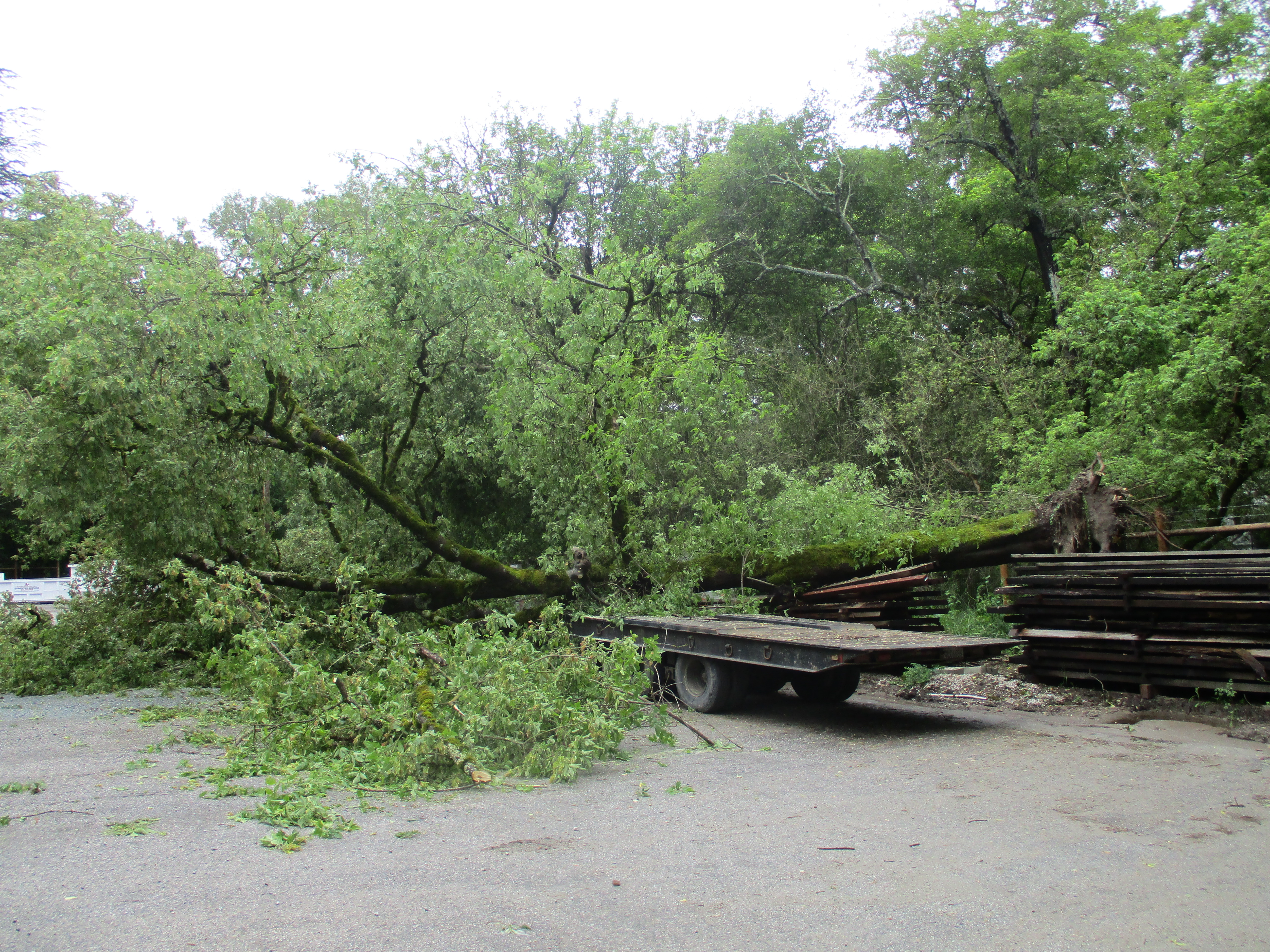 This is a formerly unplanned sequel to the article ‘
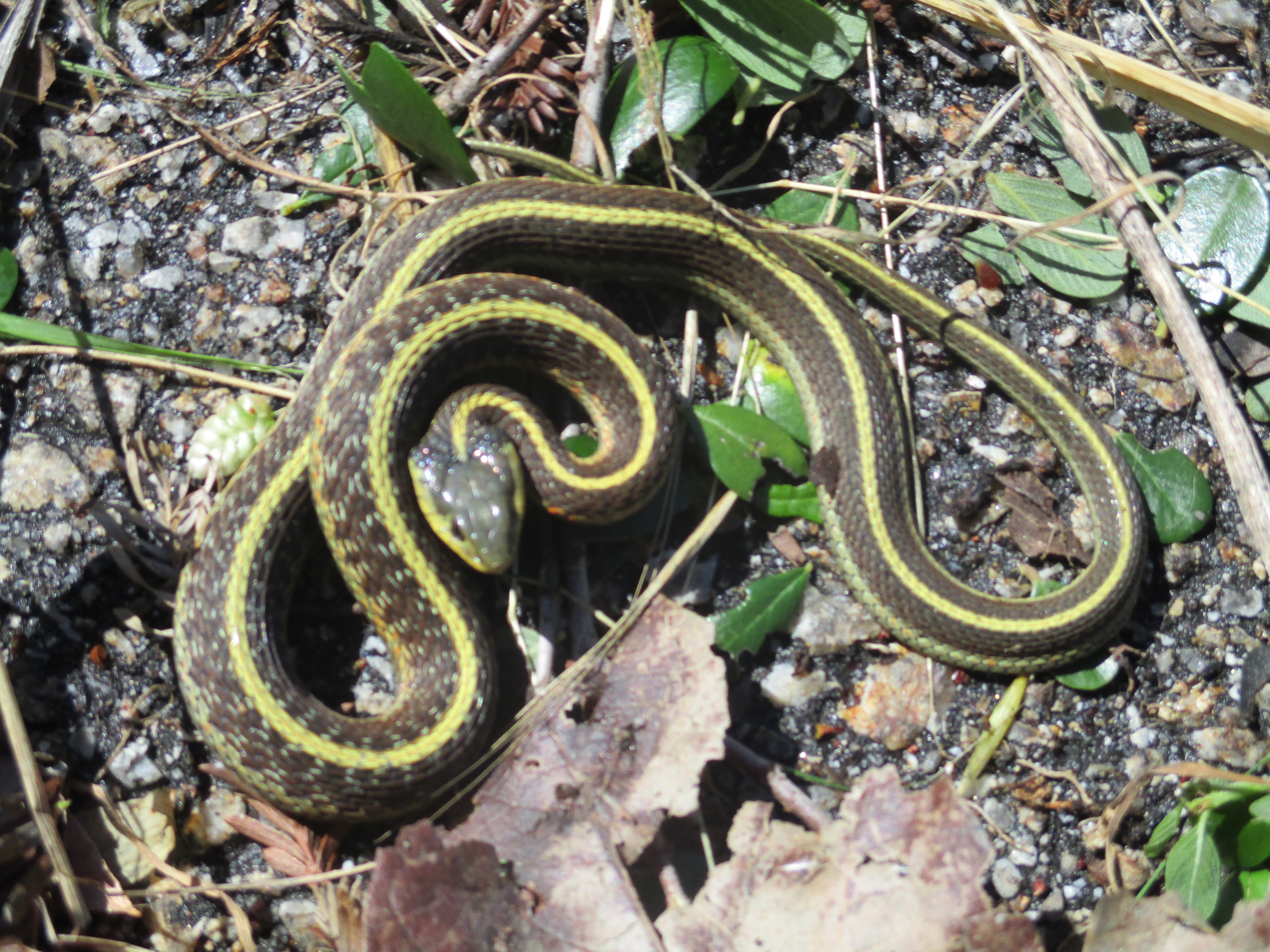 This little critter surprised me at work last week. Even though I knew it to be harmless, my instinctual response was to get away from it fast. I have encountered enough rattlesnakes to know better than to take the time to identify a snake before getting some distance from it. Even after identifying a snake as a harmless garter snake, I still prefer to avoid it as it leaves. This one was in no hurry, so got picked up with a rake and set safely aside.



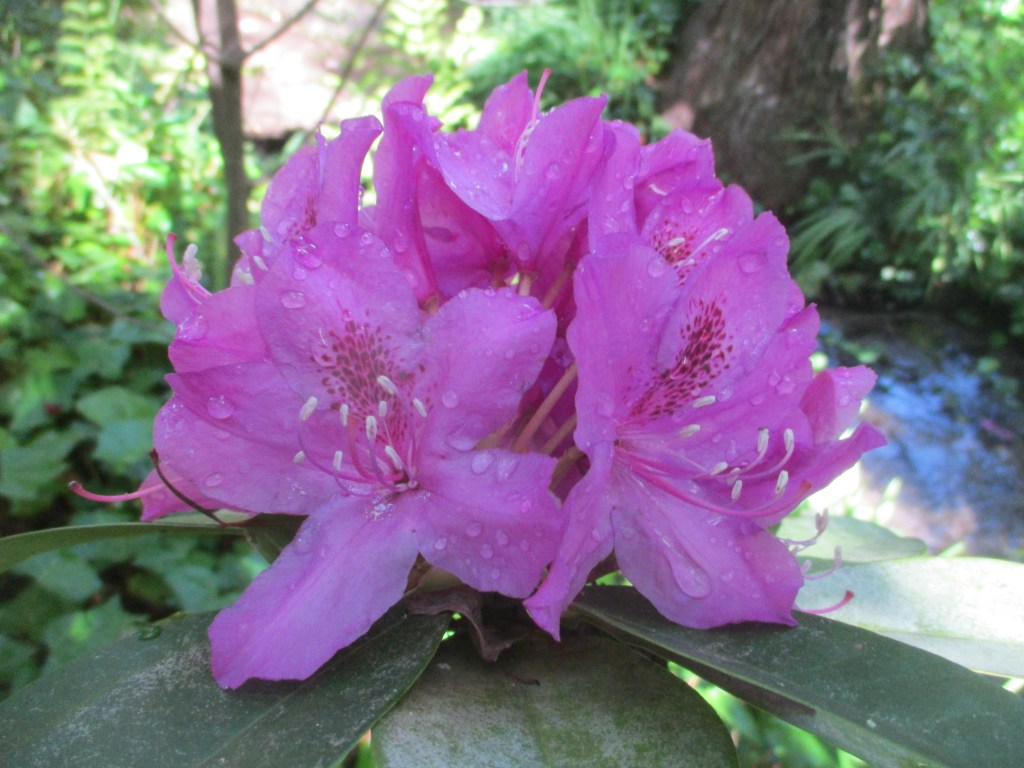

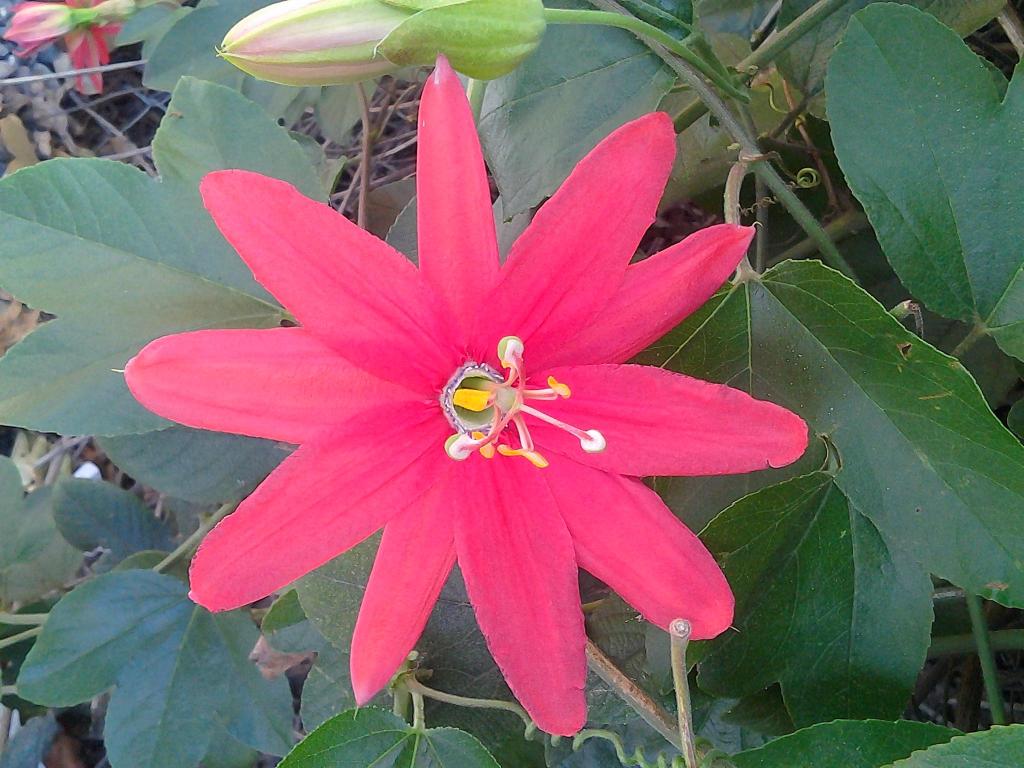

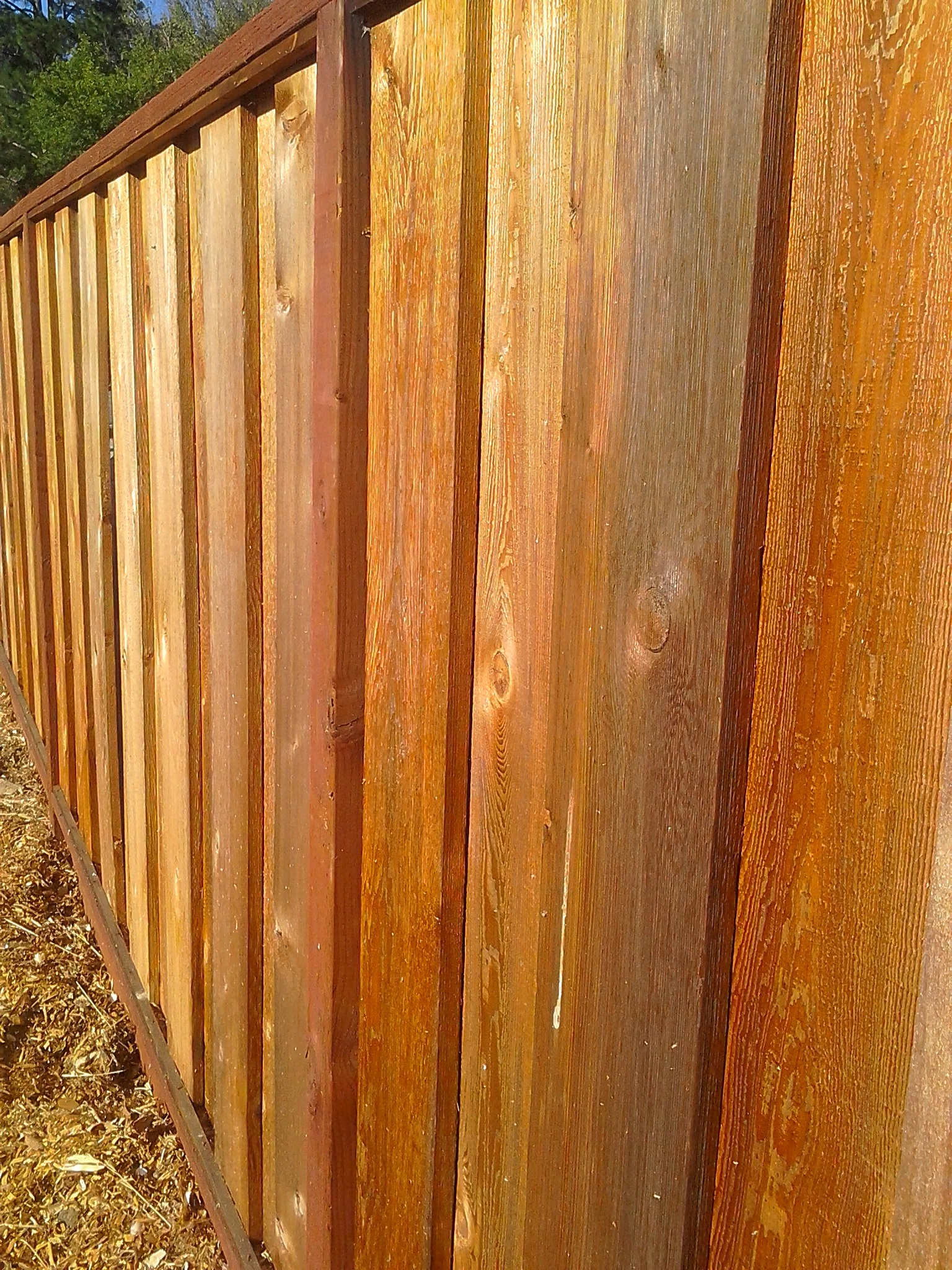 There is no doubt that fences are useful for a variety of functions. They exclude deer from the garden. They confine livestock. For suburban homes, they enclose a relatively safe space for children and pets. Fences should be designed according to their intended functions. Those designed to exclude deer might be as simple as coarse mesh on posts. Those enclosing backyards might be more refined and compatible with the landscape.


