Williamsburg in Virginia is one of those magical places that I heard about when I was a tyke, but have never been to. My parents went there as newlyweds, as they were considering relocating to Vienna, which is also in Virginia, near Washington. Well, Woodland Gnome of Our Forest Garden happens to be there, and sent me some seedlings of the native American beautyberry that I have been wanting to grow for a very long time! They arrived on Thursday. I retrieved them yesterday. As I prefer, they are what grows wild there, rather than cultivars.
1. Packages in the mail are so much fun! This package came all the way across North America, from Williamsburg in Virginia! That is farther than Ilwaco! Heck, that is farther than Oklahoma!
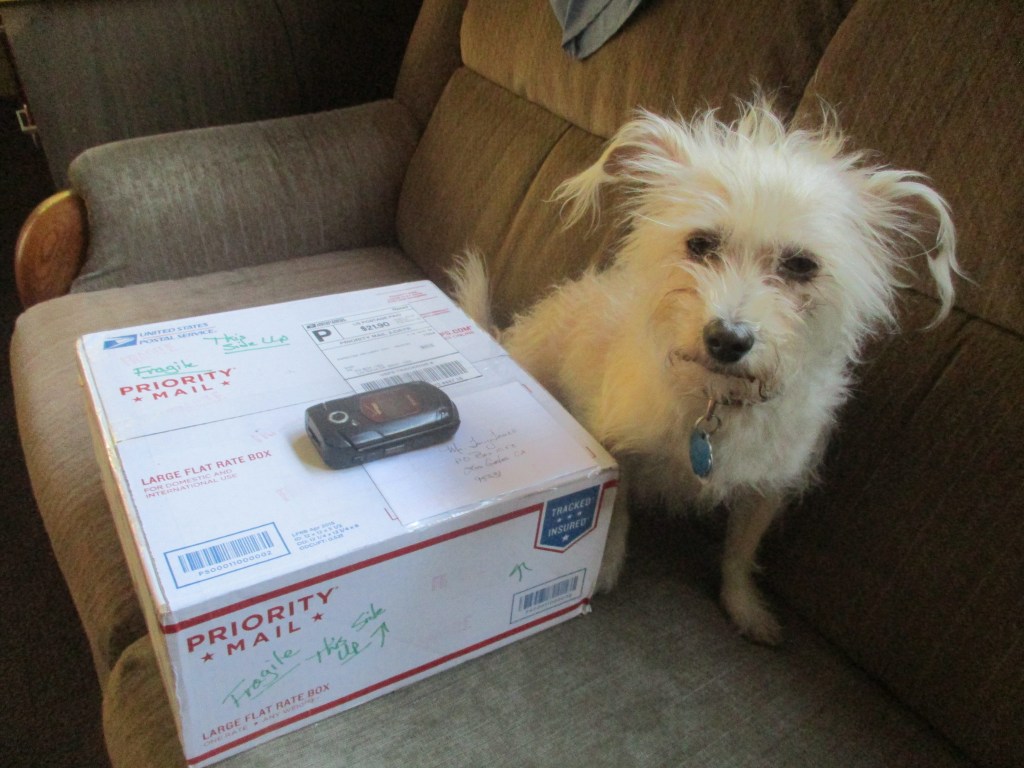
2. Hand written notes attached to such packages demonstrate impeccable cultural refinement. Oh my, I do not write such notes because it seems to me that no one appreciates them anymore.

3. Beautyberry seedlings in a six pack are the first of the species that I ever met! They looked neater after I set the six pack within another for added integrity, and rinsed the potting media off.
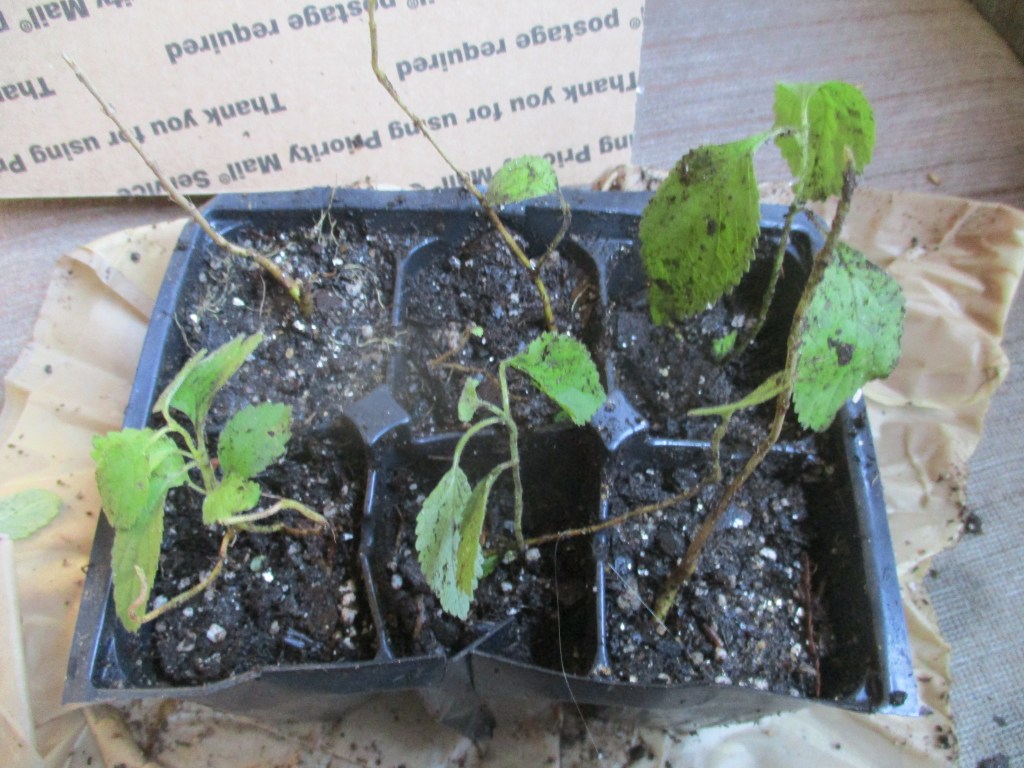
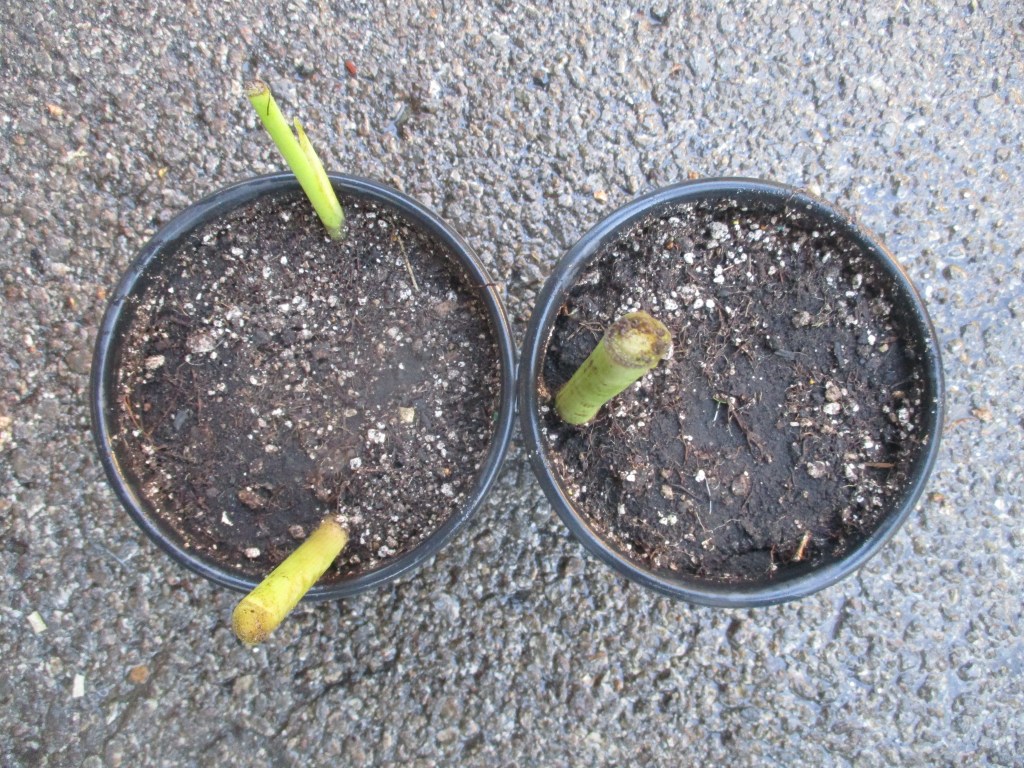
4. There are cuttings also! I have not processed these yet, but should do so in the morning. The foliage remains firmly attached, so will stay with these cuttings until they defoliate for autumn.
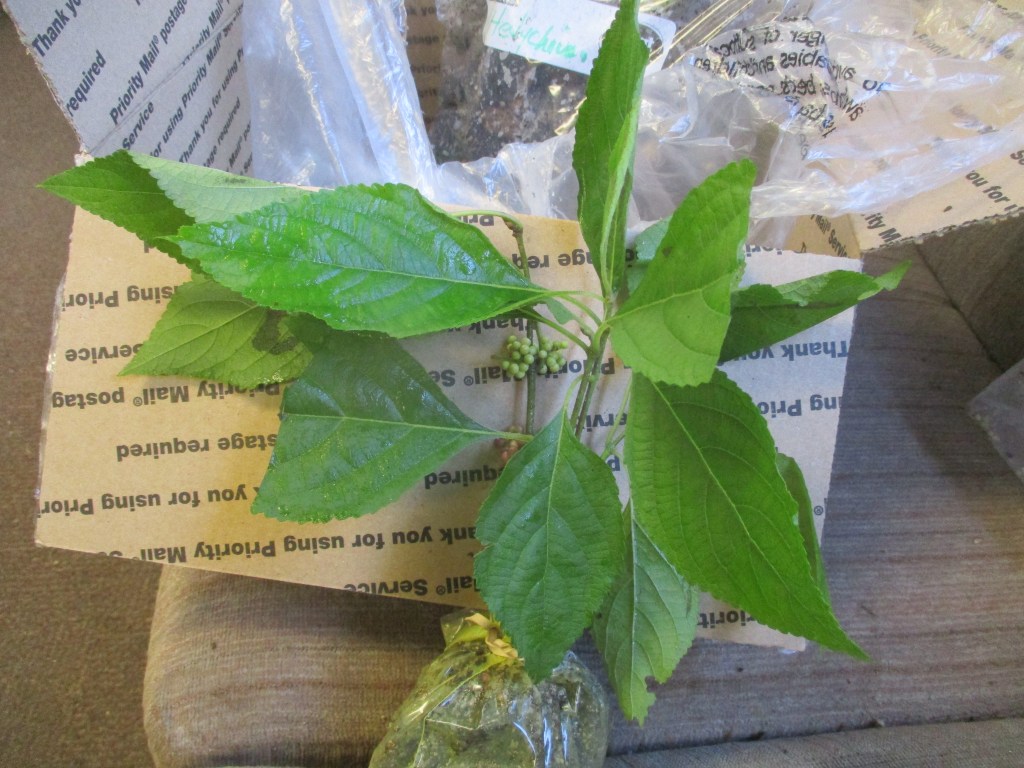
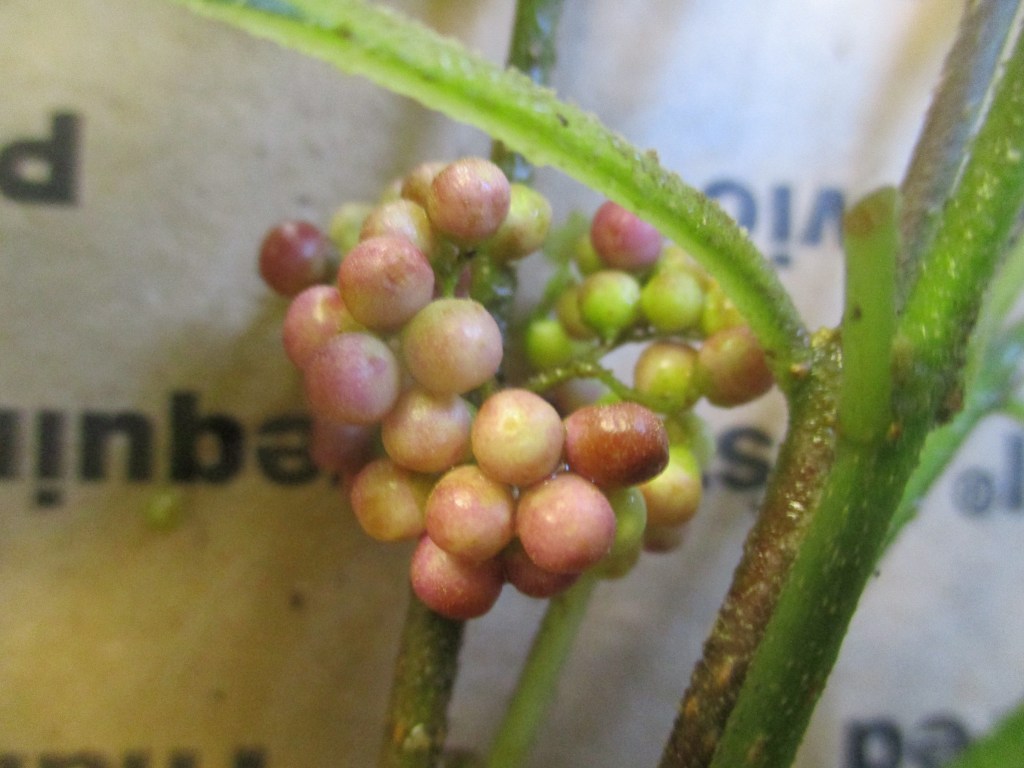
5. Berries that are attached to the cuttings might contain viable seed. They will likely be sown in the same cans that the cuttings get plugged into. If there are many, they will get separate cans.
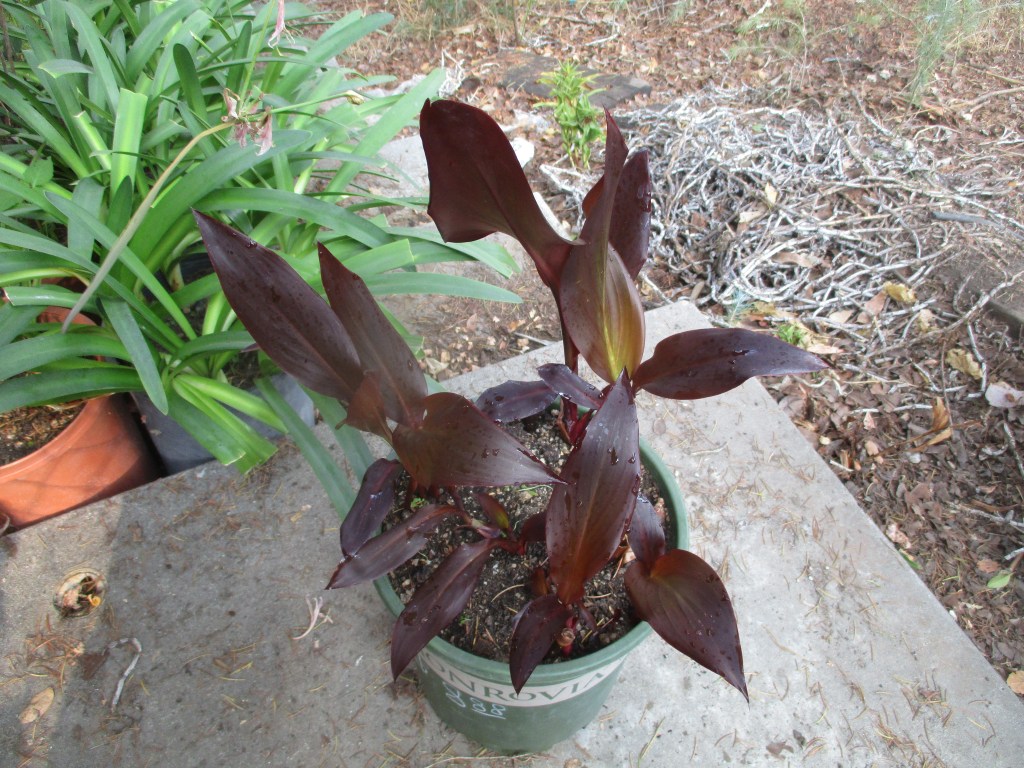
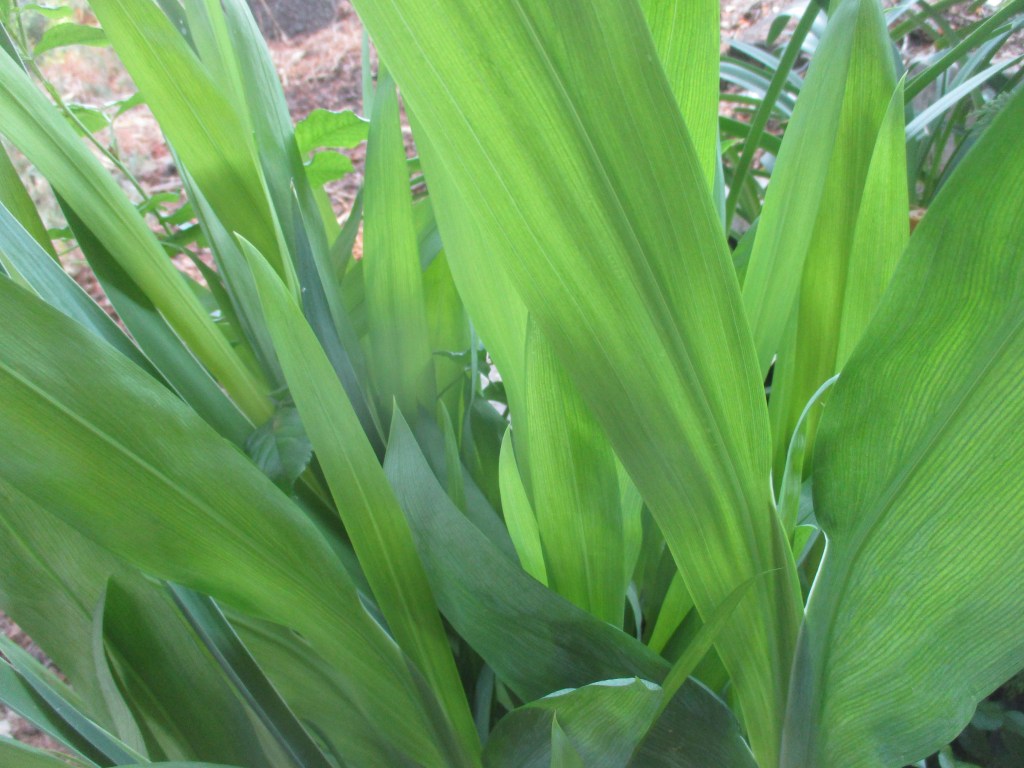
6. Butterfly ginger is a major bonus in the package. It is another species that I had been wanting, but had not yet procured. If its bloom is white enough, some of it may go live at the Cathedral.
This is the link for Six on Saturday, for anyone else who would like to participate:


 There are too many different types of horticultural professionals to count. There are nurserymen who grow horticultural commodities. There are landscape architects and landscape designers who design the landscapes into which some of these horticultural commodities will go. There are landscapers who install such landscapes. Of course, there are gardeners who maintain the landscapes after they are installed. These are just a few of the more familiar horticultural professionals.

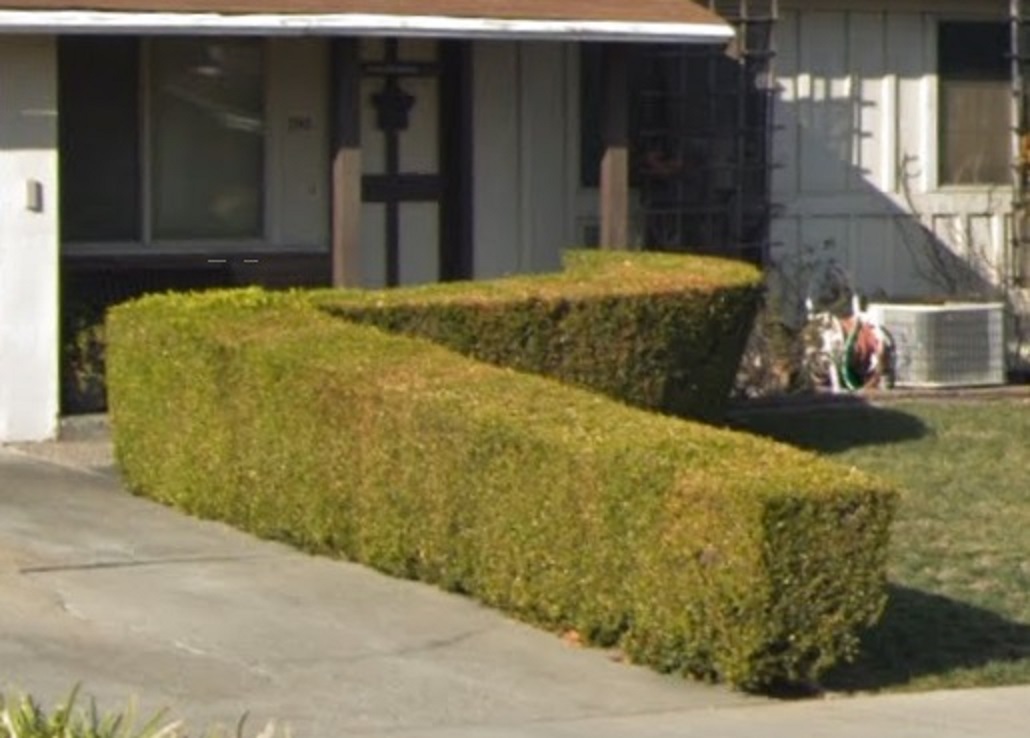 It was so long ago that I barely remember it. I was just a little tyke. My older sister tripped on the driveway and broke one of the Japanese boxwood shrubs in the hedge on the edge of the driveway and front walkway. The hedge was still young then, and not completely filled in. My Pa replaced the missing shrub shortly afterward, but not before my younger brother and I learned that the gap was a shortcut through the hedge. The puny new shrub was not enough to compel us to go around like we had done before. Of course, it did not survive for long. It too got broken off.
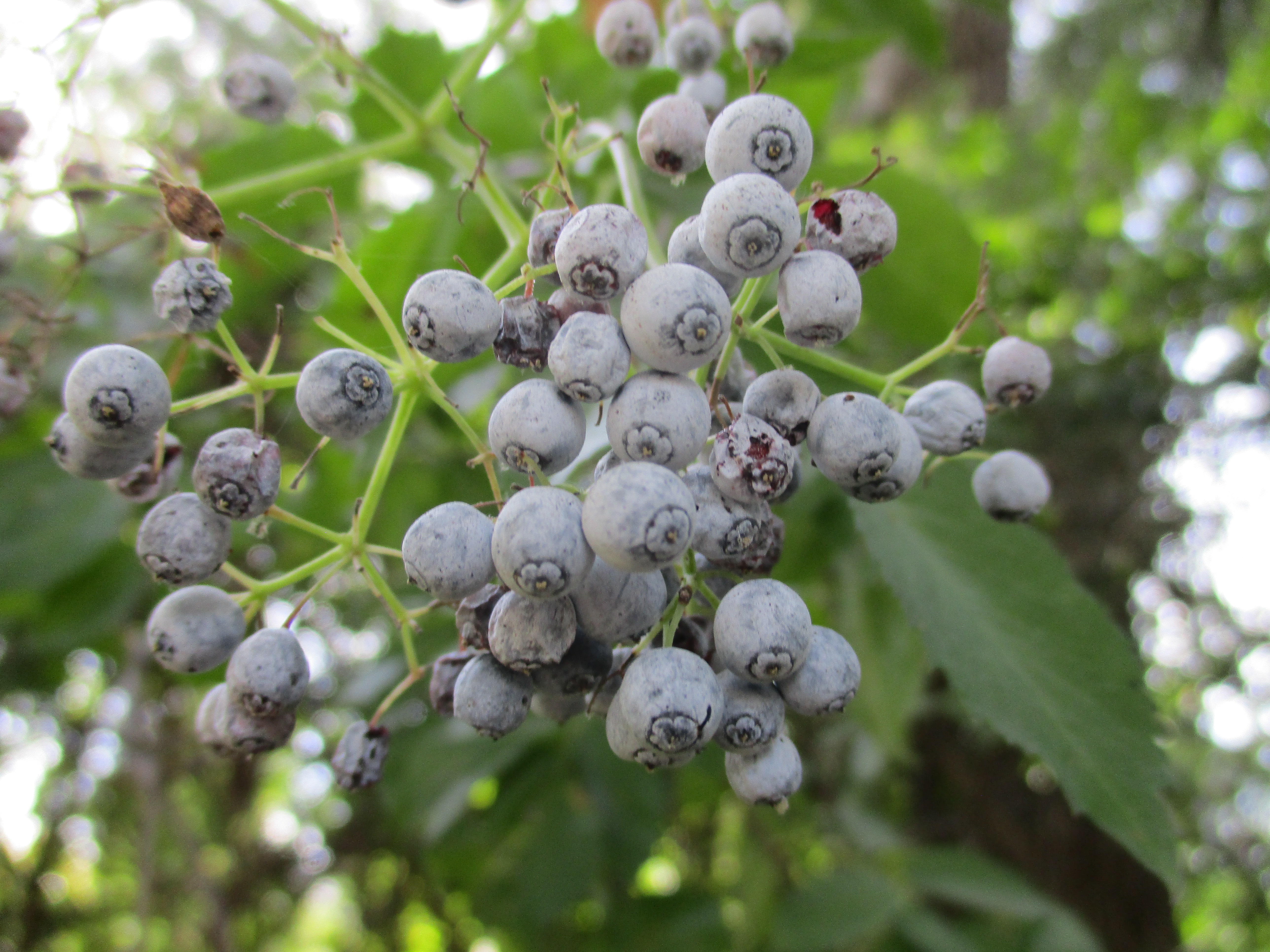 There were barely enough blue elderberries left this late in the season for the blue elderberry jelly that should have won the blue ribbon at the Harvest Festival. It’s a long story.