
Maybe the weather took the surprise out of camellias this year. It has been so warm and pleasant that such big and colorful flowers are almost expected. Even if crocuses and narcissus did not bloom much too early, they are likely finishing a bit early because of the warmth and minimal humidity. Daffodils are not far behind. Hopefully, lilies and tulips will not be too confused. Pansies, primroses, stock, Icelandpoppies, ornamental cabbages and kales actually seem to enjoy the odd weather.
It was such a rush to prune everything that needs to be pruned in winter! Roses are already being outfitted with new foliage. Plum trees are already blooming, and will be followed by apricots, cherries, peaches and the rest. It was actually easy to get carried away, and prune things that should not yet be pruned.
Many of the flowering trees that are related to fruiting trees seem like they should be pruned. However, the rules are different, since they do not need to support the weight of fruit. Pruning only compromises bloom. Flowering cherries, flowering (purple leaf) plums and shrubby flowering quinces should instead be pruned after bloom finishes, and only if necessary. As flowering crabapples finish bloom, minor pruning probably will be necessary.
Lilacs, forsythias and spireas should be pruned by ‘alternating canes’, which means that older canes get cut to the ground as they get replaced by new canes. If done just after bloom, new canes develop through the following summer, and will be ready to bloom the following spring.
Quite a few trees, shrubs and vines likewise want specialized treatment. Fat flower buds of deciduous magnolias make it obvious that pruning should be delayed. Azaleas should probably make their intentions to bloom more obvious. Hydrangeas can be groomed of deteriorated flowers and dead stems, but plump canes from last year will bloom this year. Maples, birches and elms will continue to bleed if pruned now, so should wait for summer.

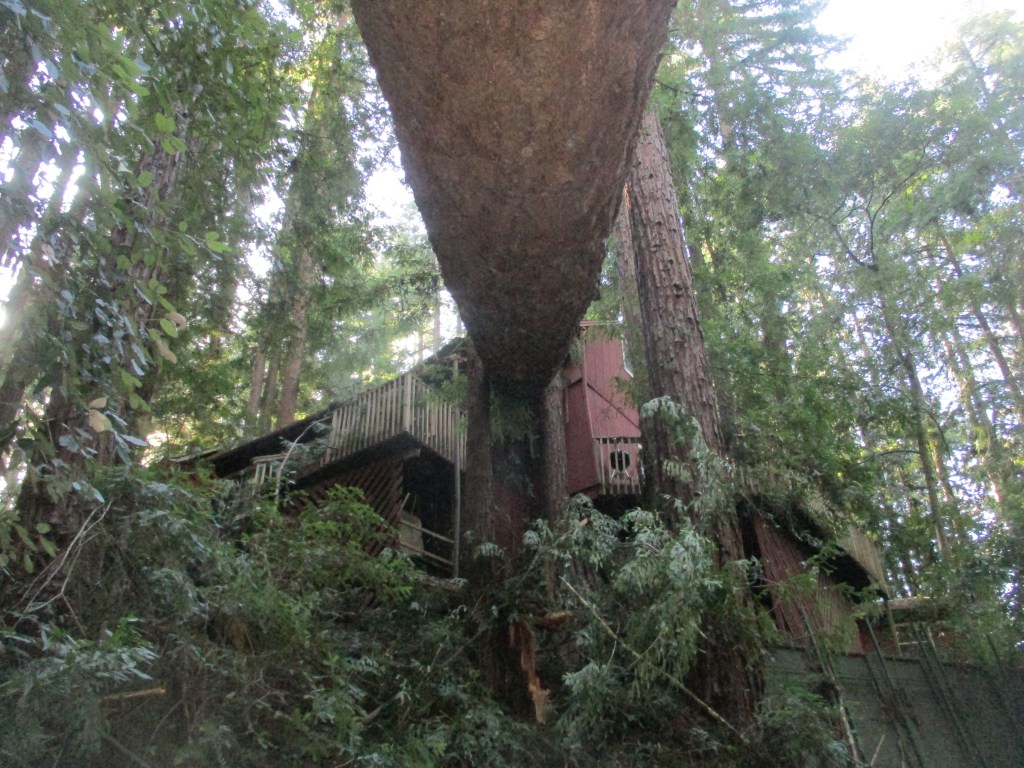
 The Jungalow is my colleague Brent’s bungalow home, surrounded by a jungle of a landscape, just about a block off of the Santa Monica Freeway in Mid City Los Angles.

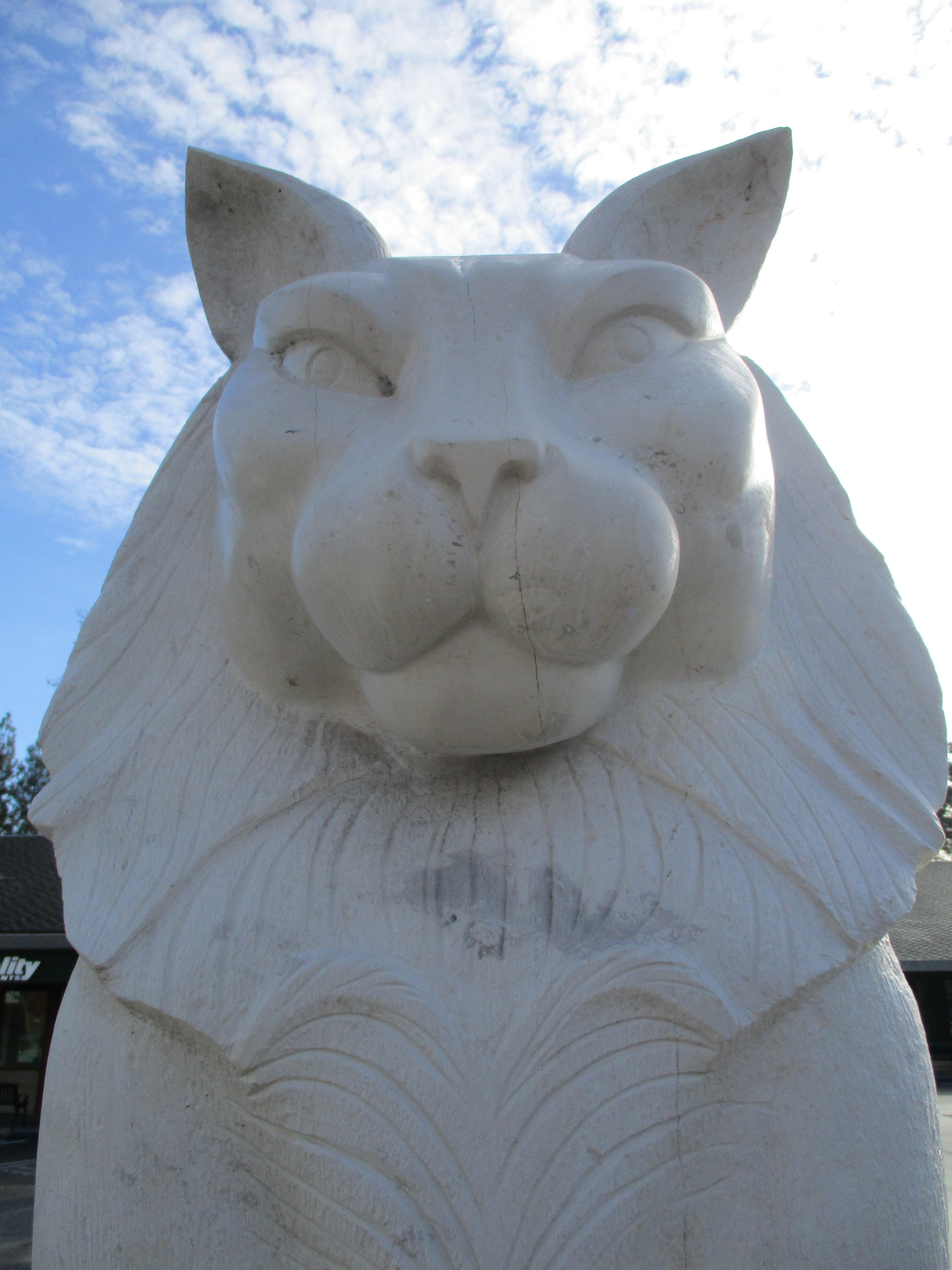 Los Gatos is named after bobcats. More specifically, it is named after an interchange that was named after bobcats; La Rinconada De Los Gatos. There are a few theories about how and why it was named after bobcats. The most popularly accepted theory involved the remarkably violent demise of everyone involved, leaving no one to document it as accurately is it has been repeated for generations. Don’t question it if you ever hear it. It is quite entertaining. I prefer to think that we do not need an elaborate excuse for naming our town after native wildlife. The bobcats were here. People noticed them. BINGO – La Rinconada De Los Gatos.
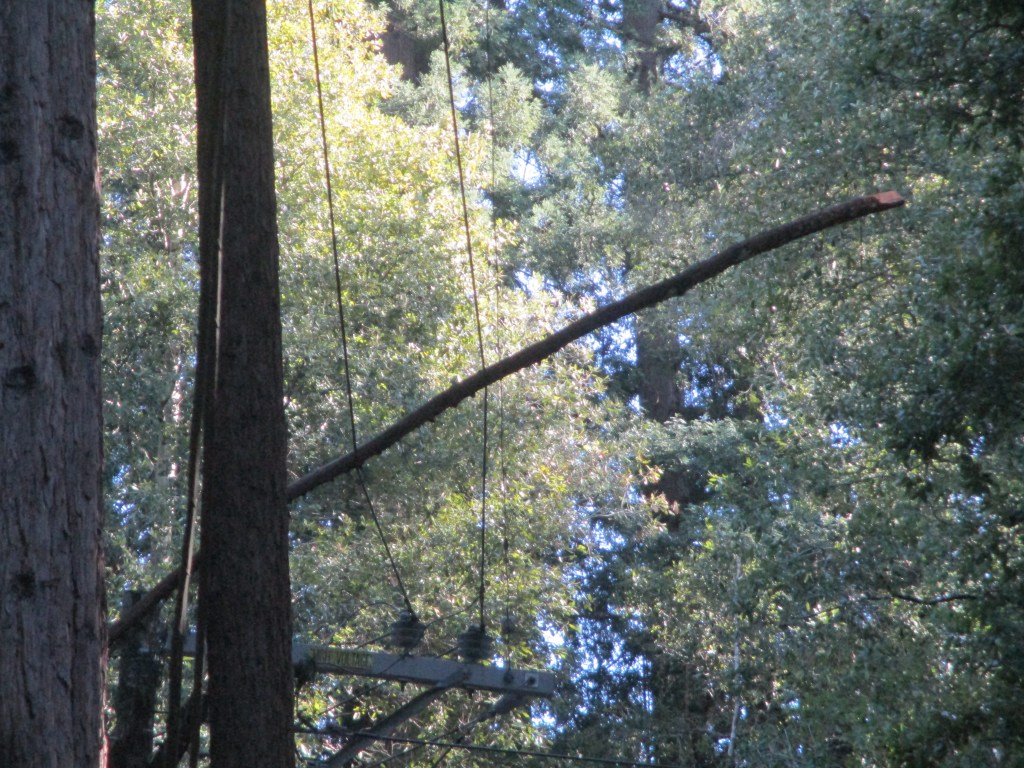


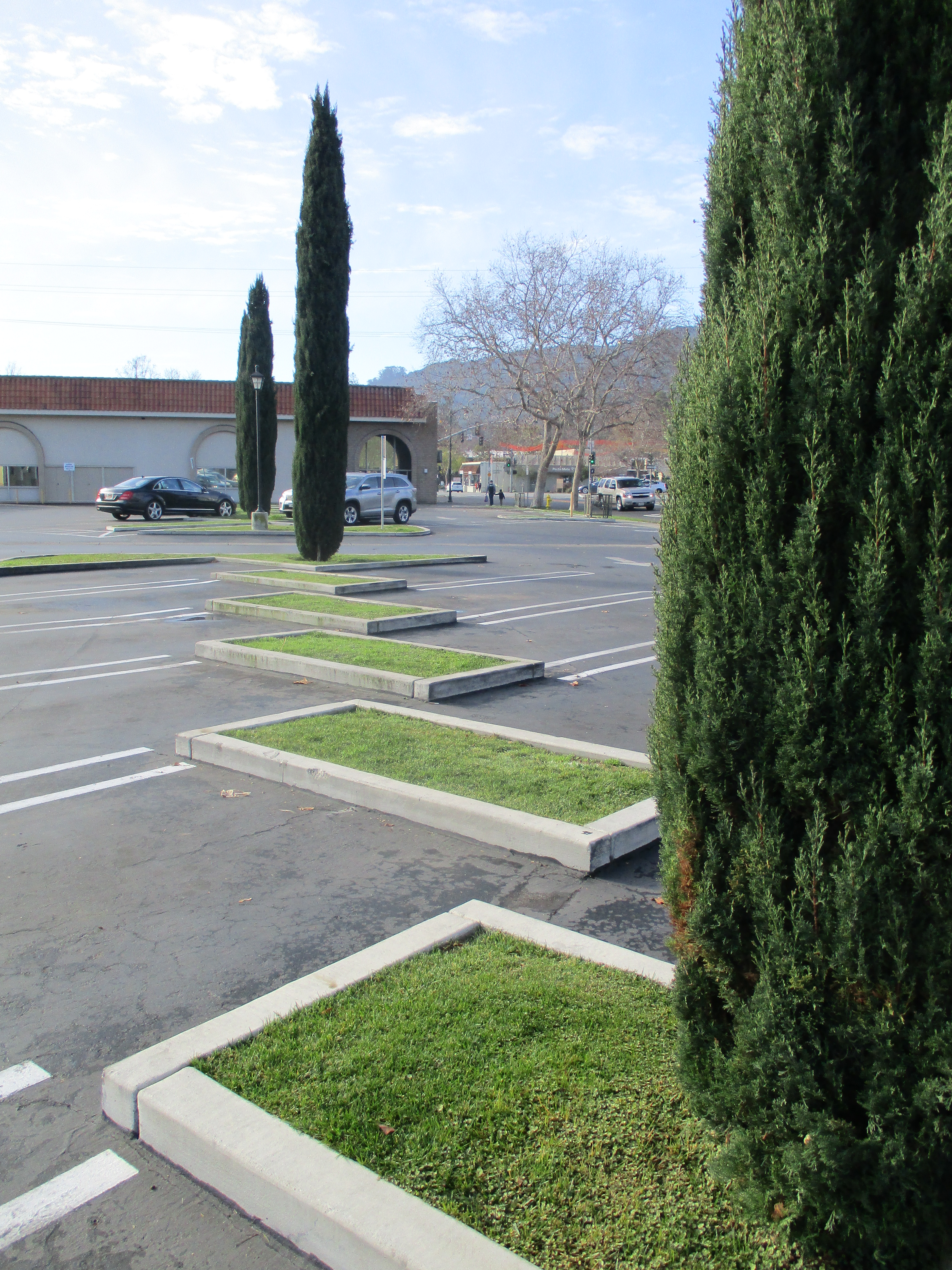 Perhaps I should elaborate on the ‘litter boxes’ in the ‘Six on Saturday’ post earlier this morning. As I already mentioned, they are in the same parking lot as the Leo and Leona sculptures. They were formerly inhabited by Italian cypress trees that would now be like those nearby if they had survived.

