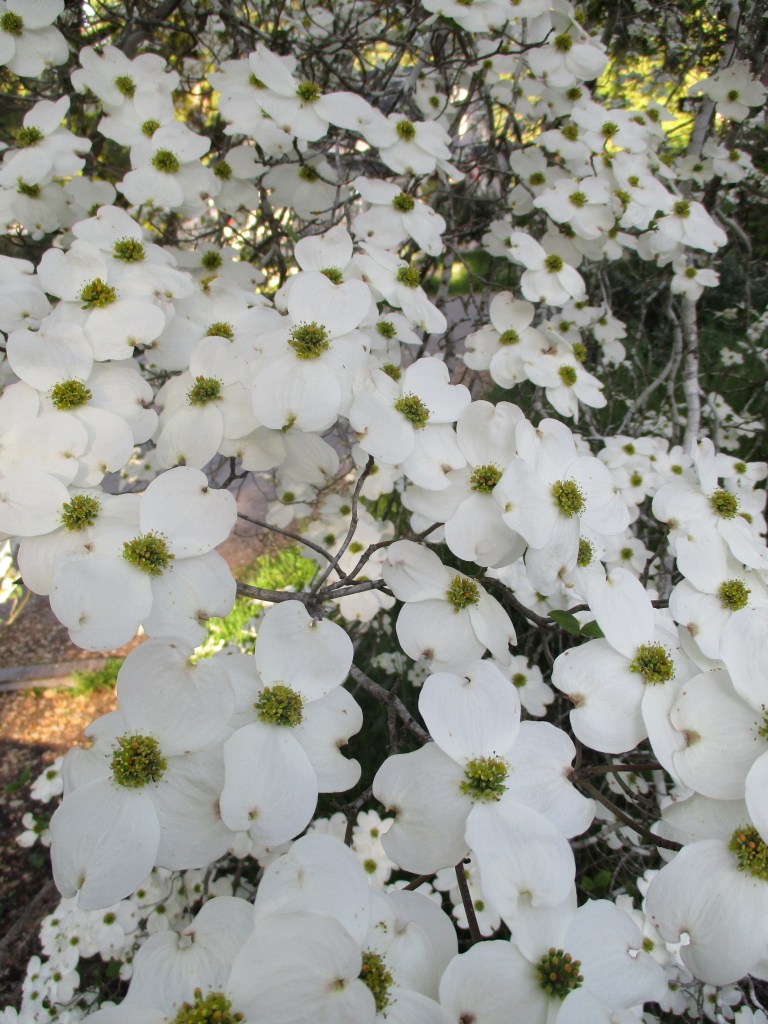
Flowering dogwood, Cornus florida has something in common with Poinsettia. The most colorful component of their bloom is not floral, but is instead foliar. What appears to be petals are colorful leaves known as bracts. Exactly four bracts surround each small cluster of tiny and unimpressive pale green real flowers. These bracts are most popularly white, but can be pink or rarely brick red.
The deciduous trees are bare now, but bloom spectacularly in early spring. Any necessary pruning should happen after bloom, and preferable after new foliage matures somewhat. Floral buds for next year are already prominent on the tips of bare twigs. Dormant pruning would eliminate some of the buds prior to bloom. For now, only minor grooming of unbudded interior growth is practical.
Mature flowering dogwood trees can be twenty feet tall, but typically stay lower. As understory trees, they prefer a bit of shelter from larger trees. Foliage can scorch if too exposed. Some cultivars have variegated foliage. All can develop vibrant orange and red foliar color for autumn, even with minimal chill. Floral debris resembles fallen leaves that fall just as new and real foliage develops.


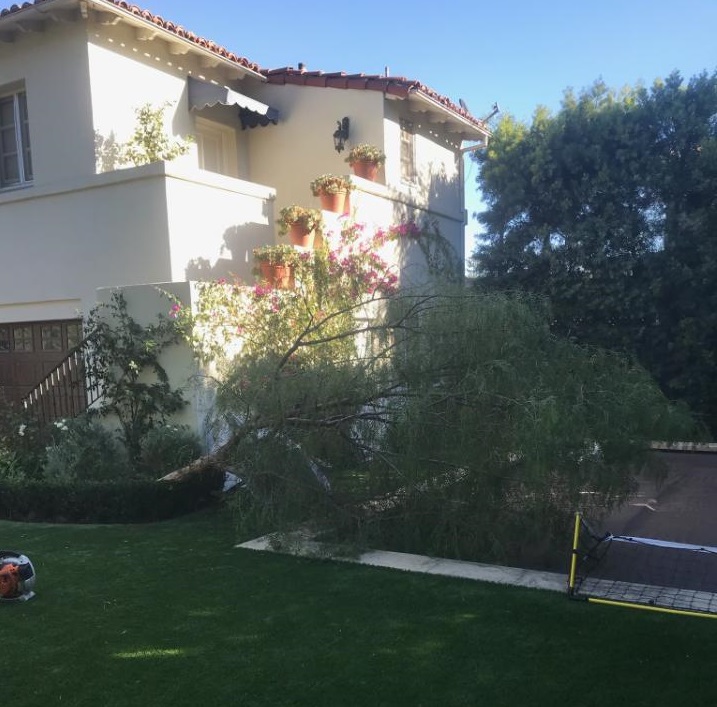 They have been a part of life in Southern California longer than anyone can remember. The Santa Ana Winds have been blowing down from the high deserts to coastal plains long before people arrived in the region. They are arid and usually warm before they leave the Great Basin and Mojave Desert, and they get even warmer as the flow downhill through mountain passes. That is what makes them so dangerous during fire season. Wind alone accelerates wildfire. Warming arid wind desiccates fuel, making it more combustible before wildfire arrives.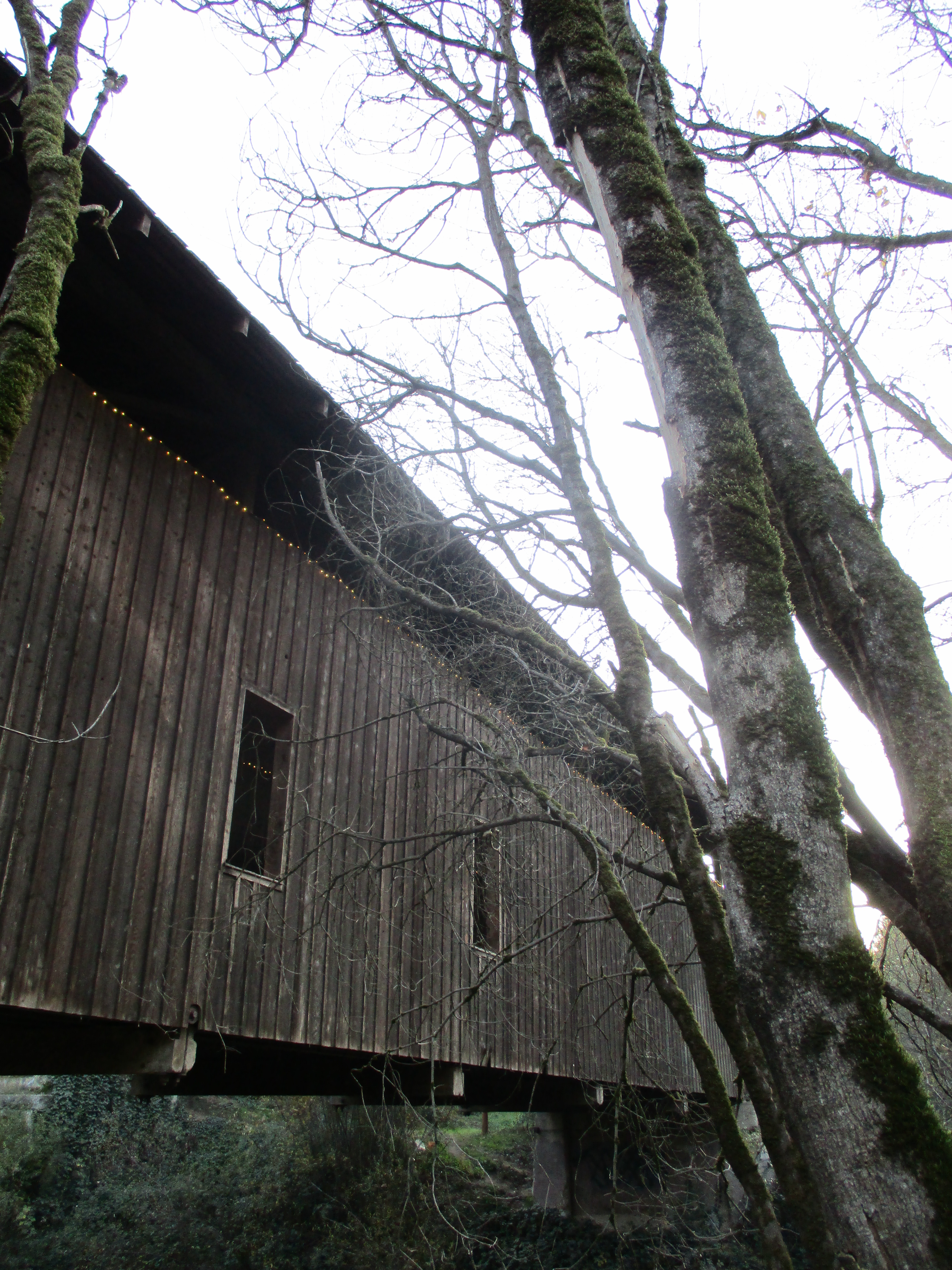
 What is killing the box elders? (



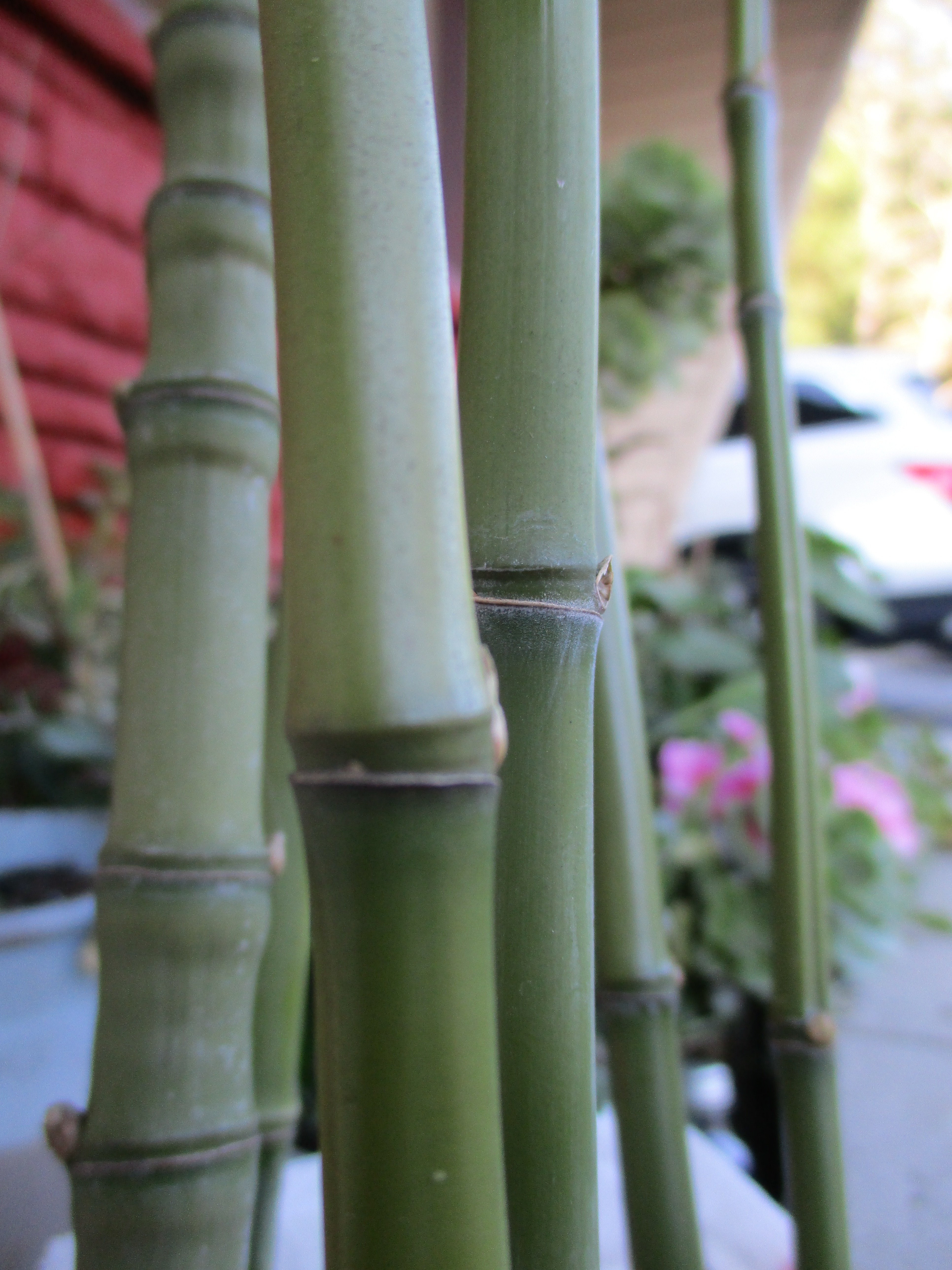 Just because it ‘can’ be grown as a houseplant does not meant that it ‘should’ be. That is a lesson that Brent and I never learned in college. He and I were roommates in the dorms at Cal Poly in San Luis Obispo, which, as you can imagine, was a problem. Our room on the top floor of Fremont Hall was known as the Jungle Room. It was so stuffed full of weird houseplants, as well as a few plants that had no business inside. We had a blue gum eucalyptus bent up against the ceiling, an espaliered Southern magnolia, a Monterey cypress, and a herd of camellias that we rescued from a compost pile on campus.


