Redwood Glen was the ‘camp’ that we all went to in the sixth grade. It was probably our equivalent of what is now known as ‘nature camp’. For most of us, our experience at Redwood Glen was the longest time we had ever been away from our homes and families. We arrived on Monday morning, and returned home on Friday afternoon. It was something that we looked forward to with great anticipation for the few years prior.
While there, we studied nature in a variety of ways. We found animal tracks and made plaster casts of them. We went hiking through a variety of ecosystems, and went on a night hike. We searched for fossils; and I found and still have the most complete fossil of half of a fish. We studied ecology and native flora and fauna. We identified redwoods, Douglas firs, ponderosa pines, bays, live oaks, bigleaf maples and box elders. We collected a few edible herbaceous plants and made our own salads with them. The three leaves that I collected to distinguish leaves with pinnate, palmate and parallel veins was a project in one of our botanical workshops. I described it yesterday at: https://tonytomeo.wordpress.com/2018/04/28/pinnate-leaves/
For my class, that was back in November of 1978. In 1995, when I went to grow rhododendrons nearby, I became a neighbor to Redwood Glen. I always knew where it was, but never had any excuse to stop by; until now. Some of my colleagues who manage the facilities and landscapes at a nearby conference center toured the site. I was right there with them.
Some of the buildings were new since 1978. Some had been renovated. The big dining room had not changed. What was most excellent about touring the facility was finding the same old cabin I stayed in back in 1978. I think that it was simply designated as Cabin 4 back then, but is now known as ‘PINE’.
Except for a modern roof and windows, Pine looks just like it did when I was there three decades ago. The middle front door was for the counselors who stayed in their own tiny room between the two wings to the left and right. I stayed in the wing on the right. My bunk was the lower of the two just inside the front door to the right. I so wanted to see the interior of Pine, but the door was locked.
I rarely want to see places that I remember so fondly. I prefer to remember them as they were rather than find that they had been renovated disgracefully, or demolished and replaced with something new. I sort of expected to find something new here. What an excellent surprise!
 That refers to the pattern of the veins in the leaves. Long before studying horticulture and botany at Cal Poly, my classmates and I learned a bit about horticulture within the contexts of studying ‘nature’. While in the sixth grade, we all went to camp for a week. One of the many projects we did during that time was collecting a few leaves to represent three different vein patterns, and mounting them under clear plastic on a cardboard plaque. The three different patters were, ‘pinnate’, ‘palmate’, and ‘parallel’. I do not remember if we all used the same leaves, but for my plaque, I got a blue gum eucalyptus leaf to represent pinnate veins. Palmate veins were represented by English ivy. Parallel veins were represented by English plantain.
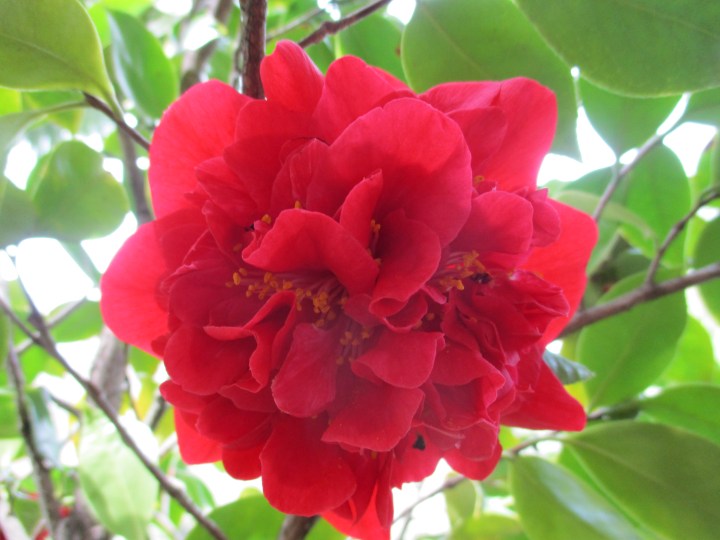

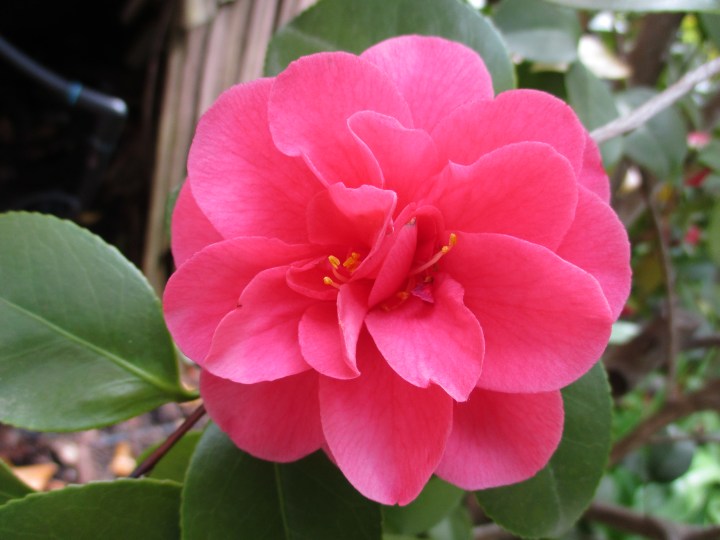


 The popular wisterias that bloom so profusely before their new foliage appears in spring are Chinese wisteria, Wisteria sinensis. Others specie are rare. The impressively longer floral trusses of Japanese wisteria are not as abundant, and bloom late amongst developing foliage. American and Kentucky wisteria are more docile small vines, but their floral trusses are both short and late.
 There is no way around it. Just about every garden has some degree of shade. Even low profile single story houses without eaves or fences are shaded on the north side. Eastern exposures get the cooler morning sun. Western exposures get only the warmer afternoon sun. There are vacant and treeless parcels out in the desert that lack shade, but not many of us are gardening out there.
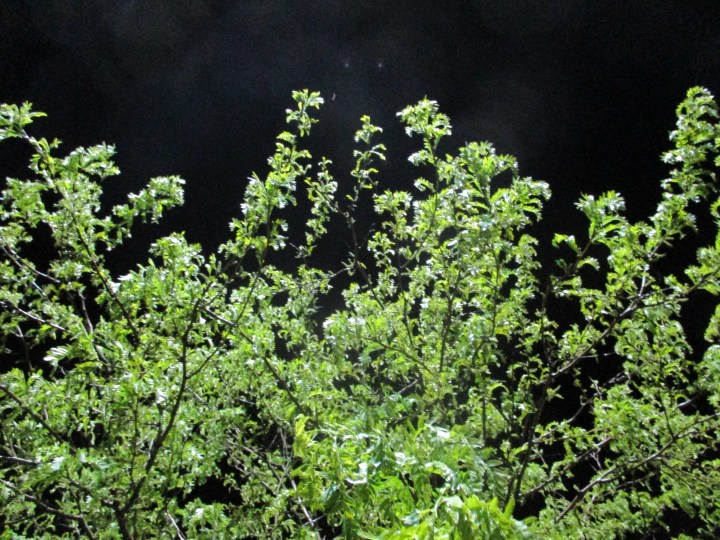 Color in the garden is nice as long as we can see it. There is not so much to see after the sun goes down. That is why some gardens that get used at night are illuminated.

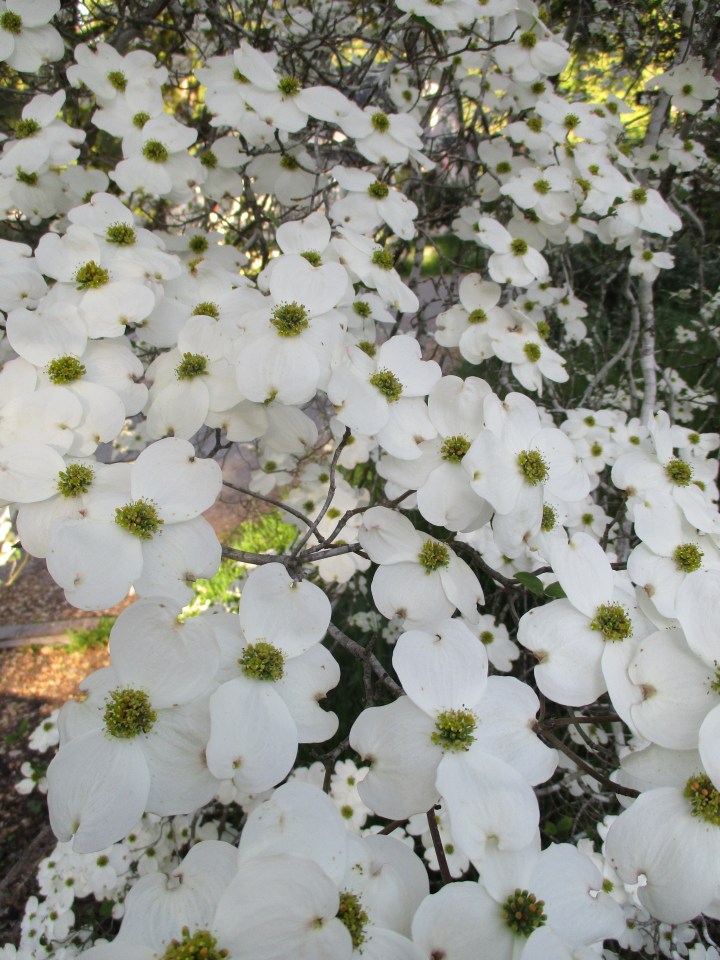 Flowering dogwood, Cornus florida, seems like it should be more popular here than it is. It blooms spectacularly in April. The foliage can color nicely in autumn. Mature trees are proportionate to medium sized or smaller suburban gardens. However, the limiting factor to their popularity in the local climate is that they are understory trees that prefer to be in the partial shade of larger trees.
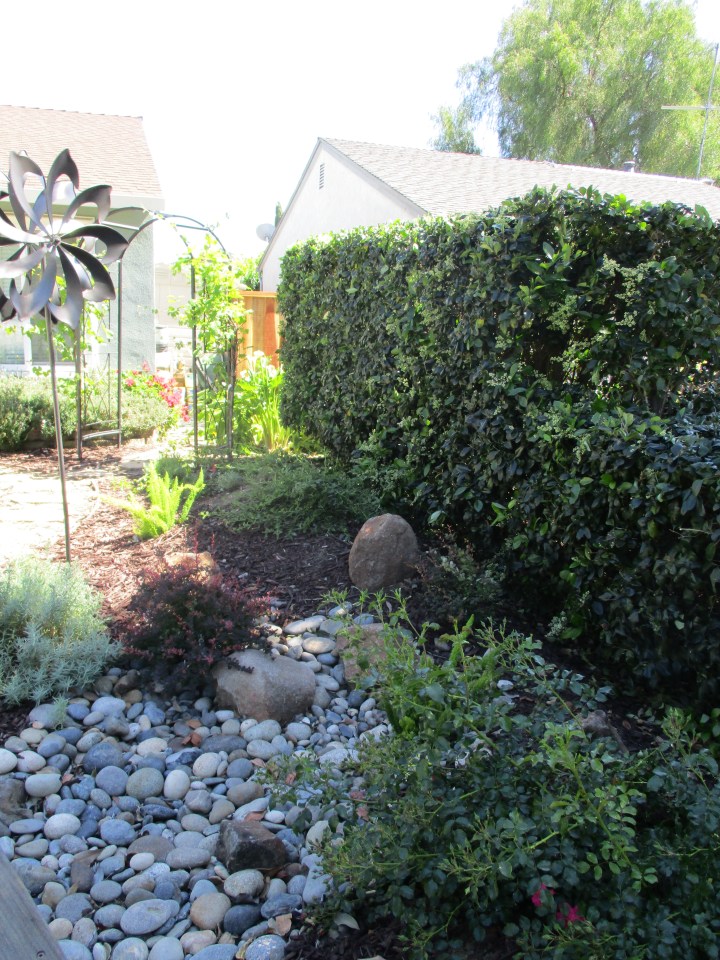 Hedges are a complicated topic! Like lawns, they are among the more functional features of a landscape. They can be used to provide privacy within, obscure unwanted views beyond, or merely to separate a large landscape into cozier or more functional spaces. Except for hedges that are grown for spring flowers or autumn color, most hedges are evergreen with finely textured foliage.
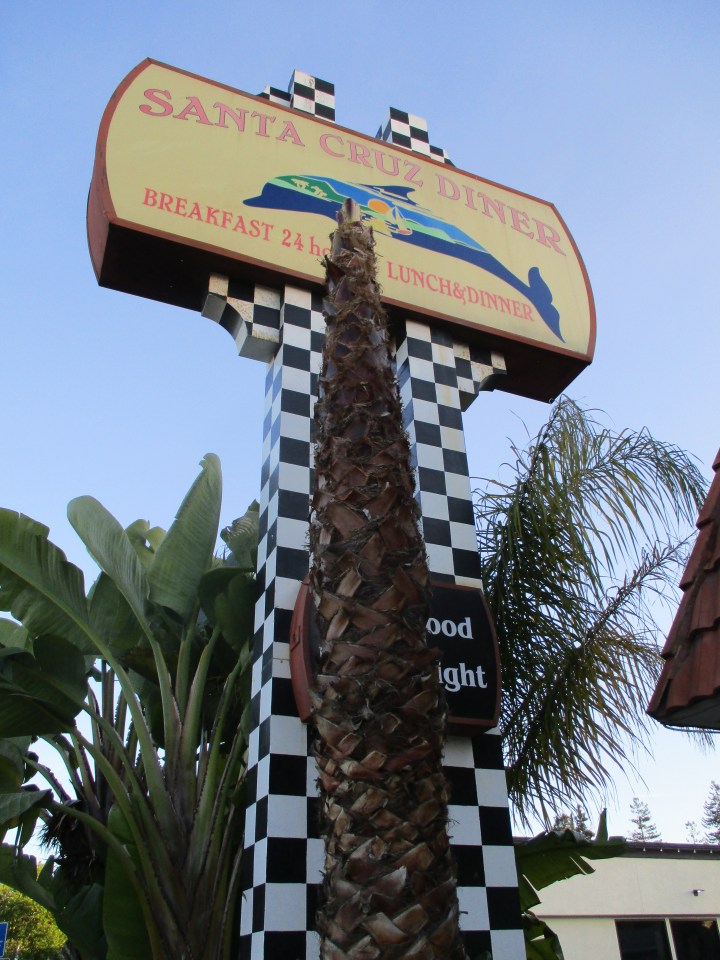 Speaking of which, this is not the right location!
 Halston, with the help of several friends, could make a nice pill box hat. That is the origin of the name; from pill box hate fame. This might help clarify,