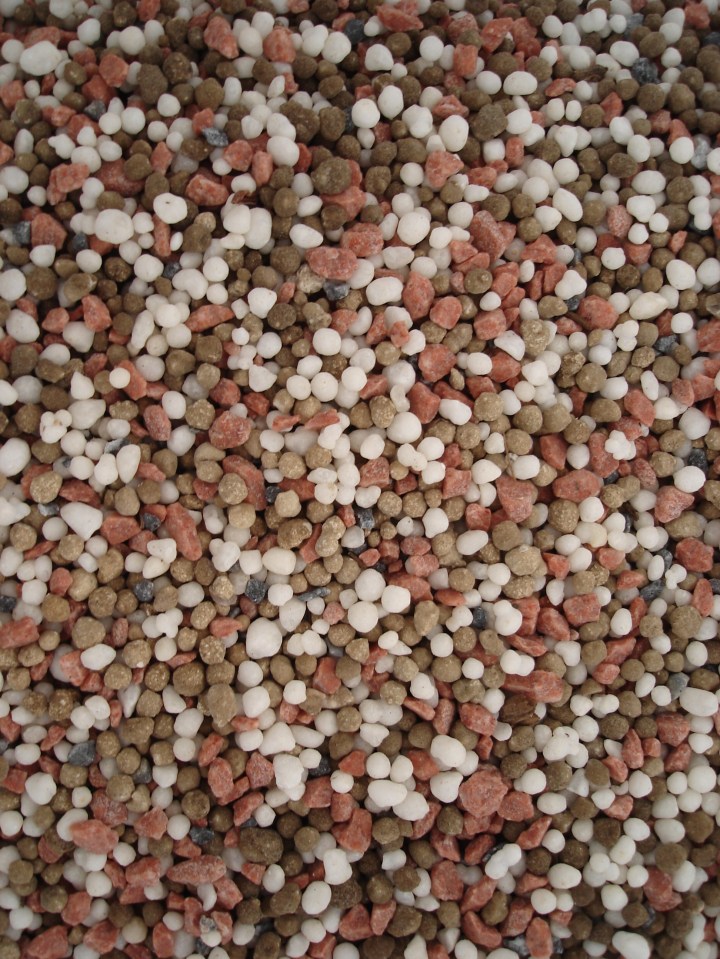
 Too much of a good thing can be a problem. That is why bacon is not one of the four basic food groups. It is why sunny weather gets mixed with a bit of rain. It is why we can not give plants too much fertilizer. Since late last summer or autumn, there has not been much need for fertilizer. If fertilized too late, citrus and bougainvillea develop new growth just in time to be damaged by frost.
Now it is time to start applying fertilizer, but only if necessary or advantageous. Fertilizer really is not as important as the creative marketing of fertilizers suggests. It is useful for new plants, fruits, flowers, lawns and especially for vegetables, but is probably overkill for healthy and established plants. There is no need to promote growth of trees and shrubbery that are at their optimum size.
Some of the specialty fertilizers are a bit fancier than they need to be. With few exceptions, complete fertilizers are useful for most applications. As long as plants get the extra nutrients that they crave, they should not complain. They can not read the labels of the fertilizers that they receive. Plants are more likely to have problems if they get too much of something that they do not need.
Rhododendrons and azaleas might like specialty acidifying fertilizer, but should be satisfied with a complete fertilizer. Citrus might likewise appreciate fertilizer that is specially formulate for citrus, but are probably not too discriminating. Palms only want specialty palm fertilizer if they demonstrate symptoms of nutrient deficiency. (Some palms are sensitive to deficiencies of micro nutrients.)
Too much fertilizer, especially fertilizer with a good amount of nitrogen, can inhibit bloom of several plants. Bougainvillea puts more effort into vigorous shoots and foliage than into bloom if it gets strung out on nitrogen. Nasturtium will do the same. In pots and poorly drained locations, excessive fertilizer can become toxic enough to discolor foliage or even scorch the edges of large leaves.
The most justifiable uses for fertilizers now are for flowering annuals and vegetable plants. Tomato and corn plants respond very favorably to fertilizer because they are so greedy with the nutrients they require for their unnaturally abundant production. (In the wild, the ancestors of tomato and corn do not really produce like garden varieties do.) Flowers, of course, take a lot of resources too.
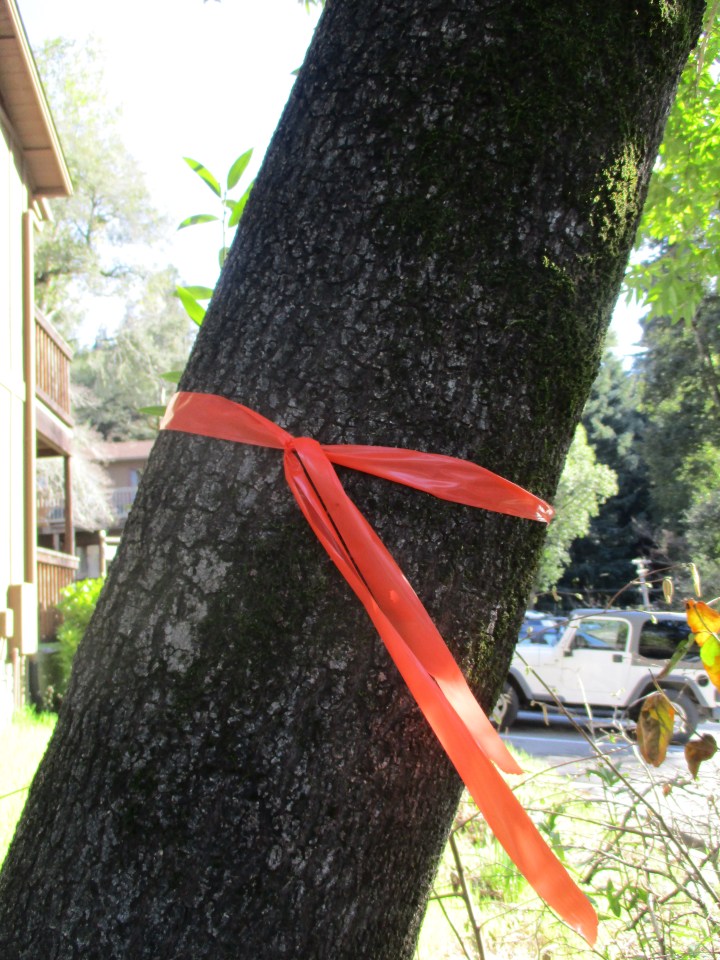 This exquisite yet elegantly simple persimmon orange cravat is to die for! See how distinguishing it is for the Umbellularia californica sporting it! The brilliant color is so appropriate for a tree that needs to stand out in a crowd! How else would the arborists coming to cut it down find it? Yes, it is to die for!
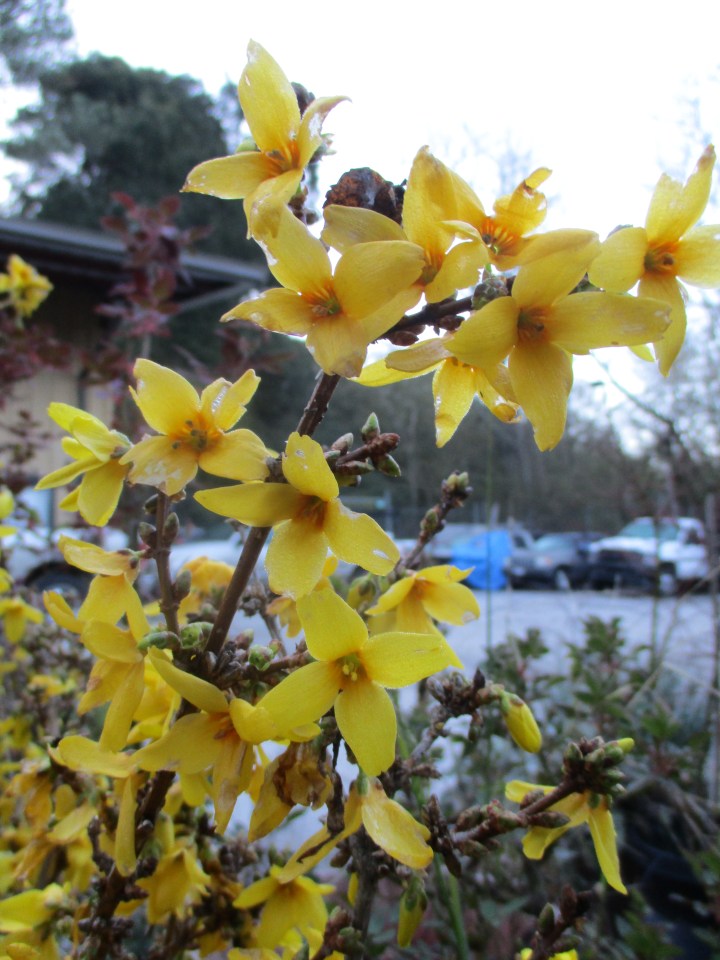 It is a shame that forsythia is not more popular here. Years ago, there was a commonly perpetuated myth that winters were not cool enough for it, as well as lilac. We now know that both lilac and forsythia are happy to bloom here. Now, some might insist that there are so many evergreen shrubs that bloom nicely right through winter, that there is no need for deciduous blooming shrubbery.
 Weeds always seem to have unfair advantages. While we pamper so many of our desirable plants to get them to grow and perform, weeds proliferate without help. They survive harsh conditions, inferior soil and some of the techniques we try to kill them with. They do not need much, if any water. They broadcast inordinate volumes of seed. They grow fast enough to overwhelm other plants.
 Happy Easter!
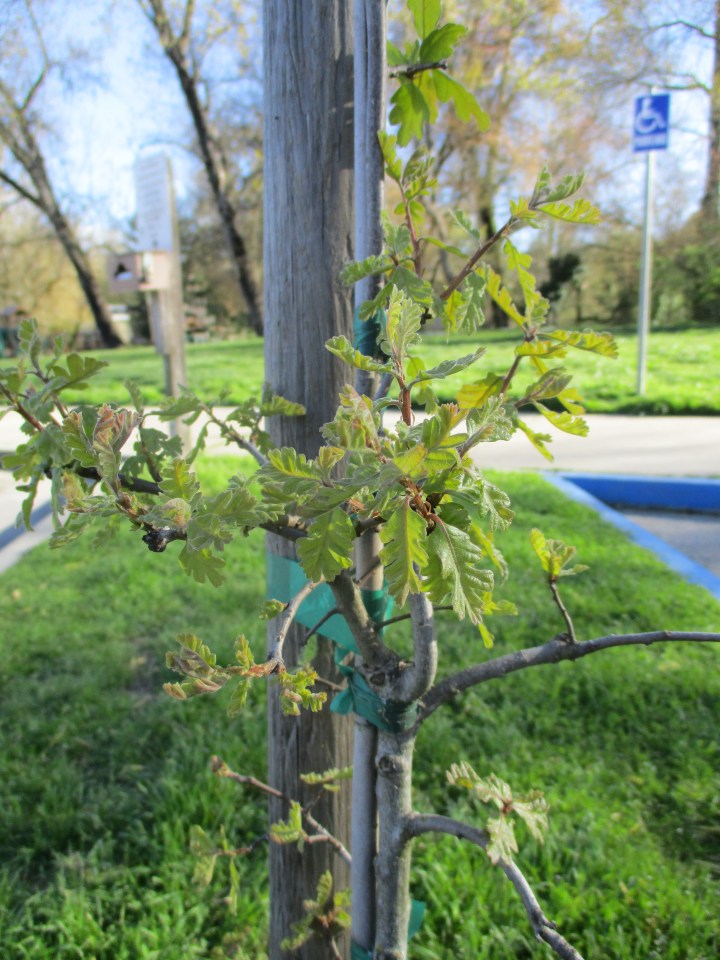 Not much has happened since the last update on Christmas Eve.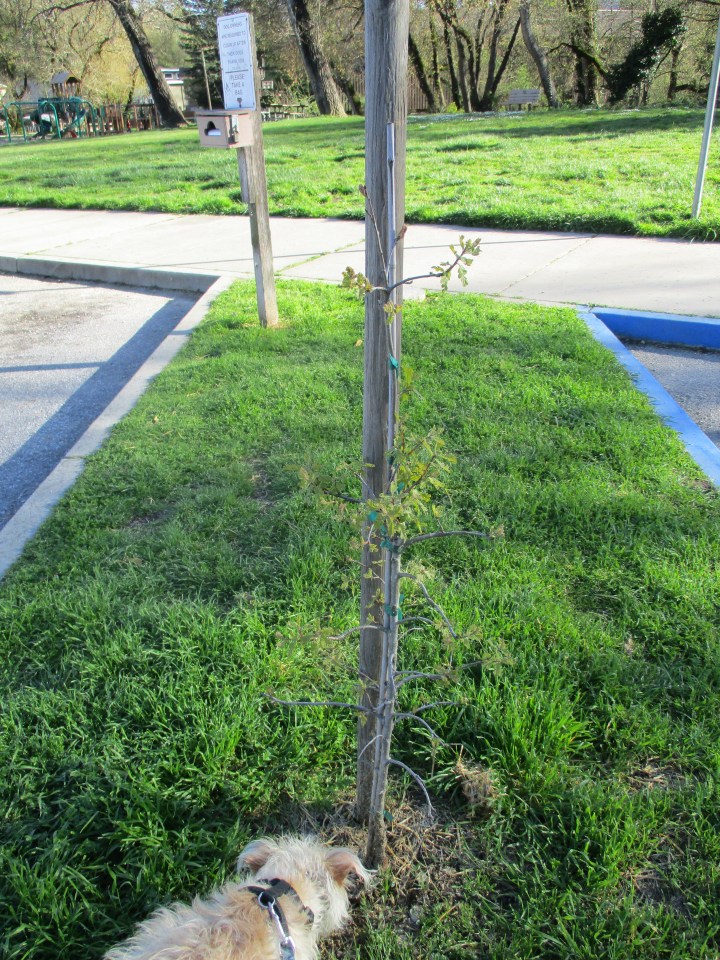
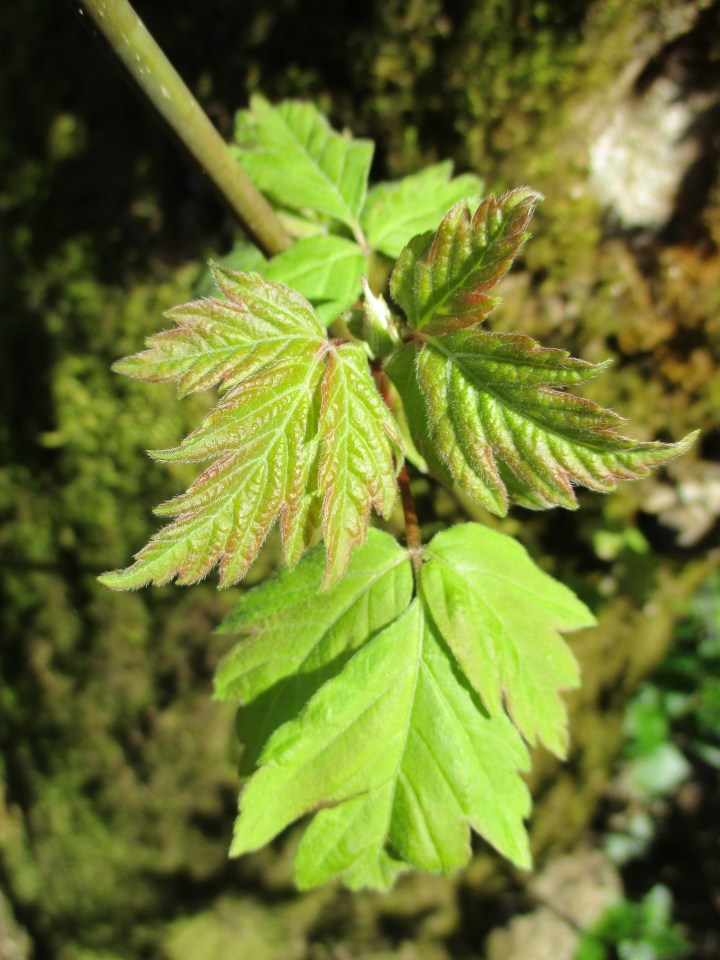
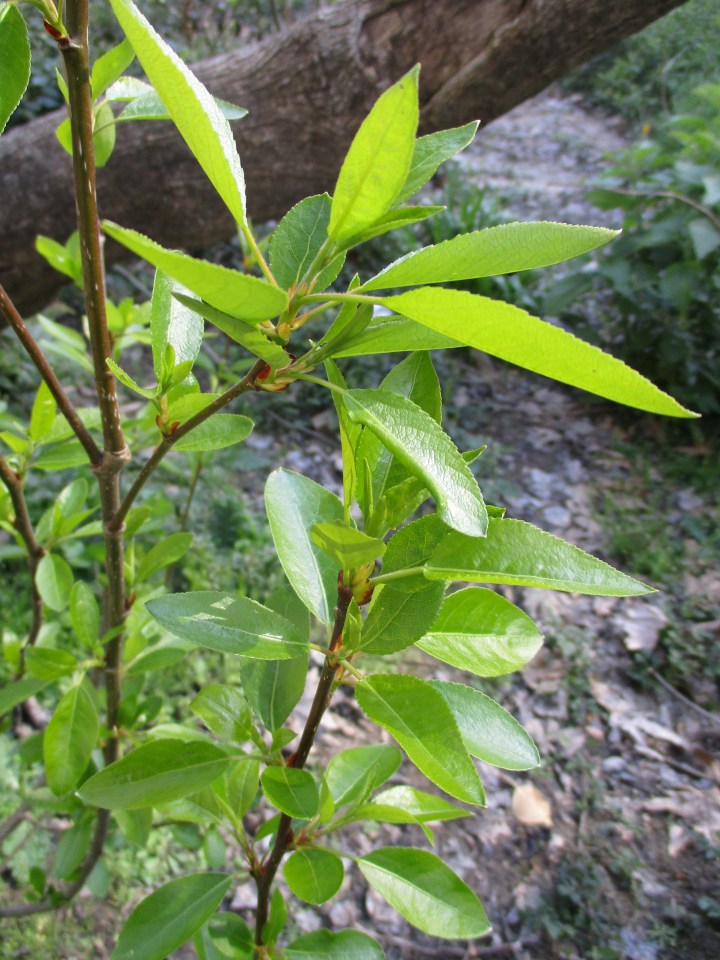

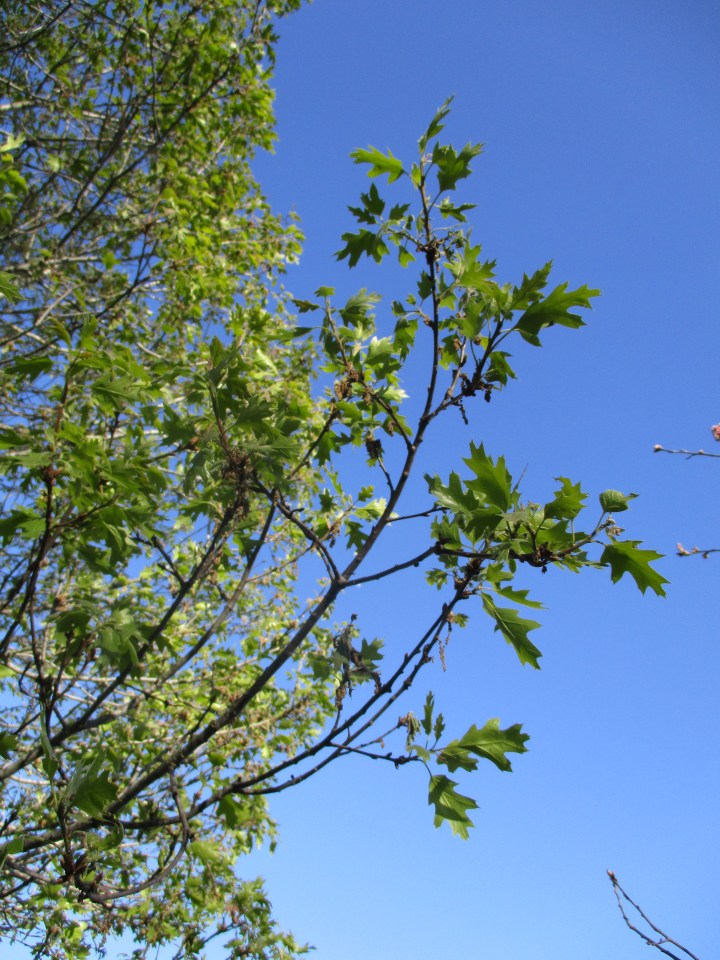

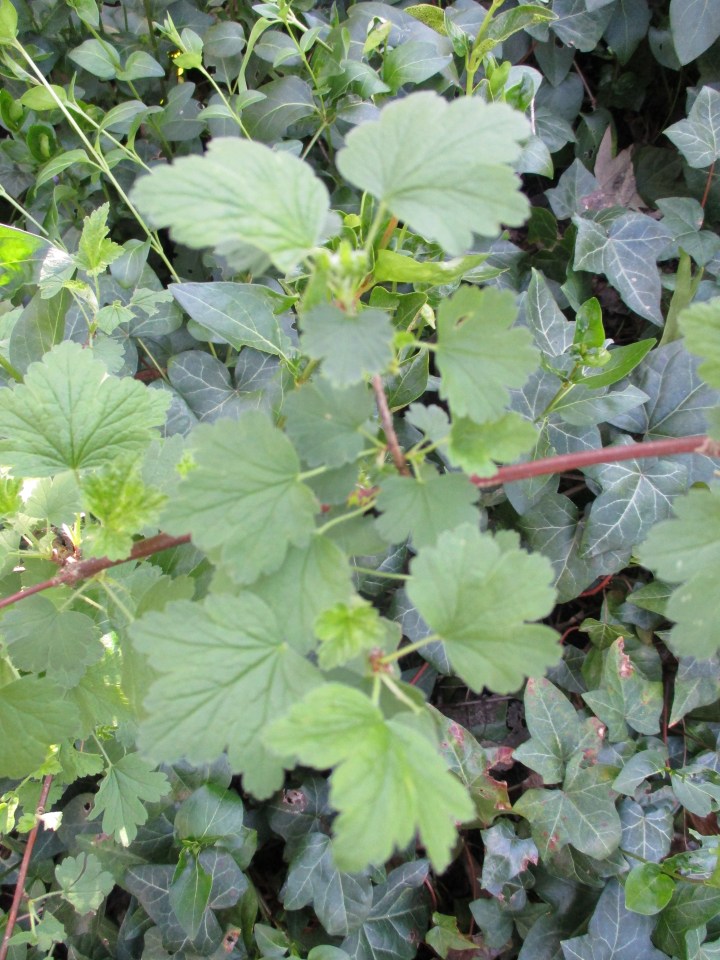
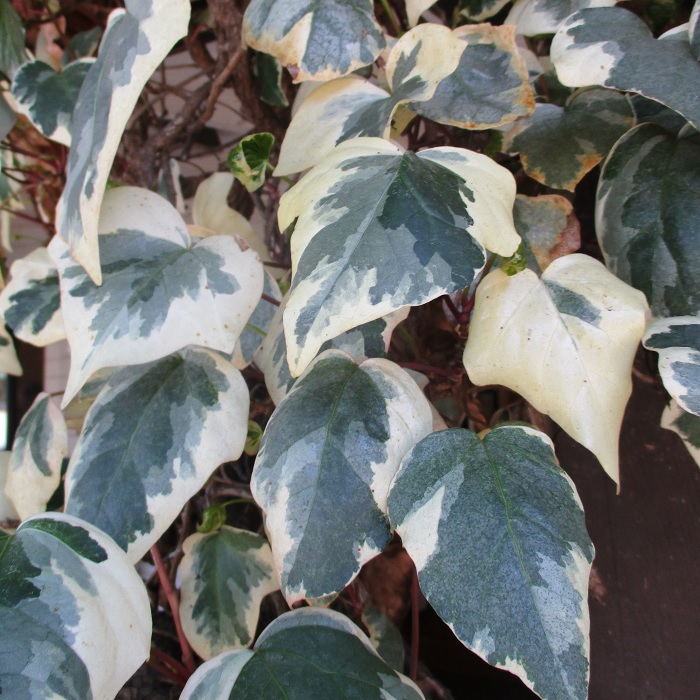 This is one of those plants that many of us have strong feelings about. Many of us who remember it from when it was more popular in the 1970s might consider Algerian ivy, Hedera canariensis, to be an aggressively invasive weed. Those of us who are less familiar with it might appreciate it as a vigorous and resilient groundcover that gets dense enough to exclude most other weeds.
 If there are any cool season vegetables left in the garden, they should probably be harvested pretty soon. If left too much longer, they will be ruined by warming weather. Cabbage will bolt (start to bloom) once it realizes that it is spring. Cauliflower and broccoli, which are juvenile flowers, will become bitter as the flowers mature and try to bloom. Besides, they all need to get out of the way.
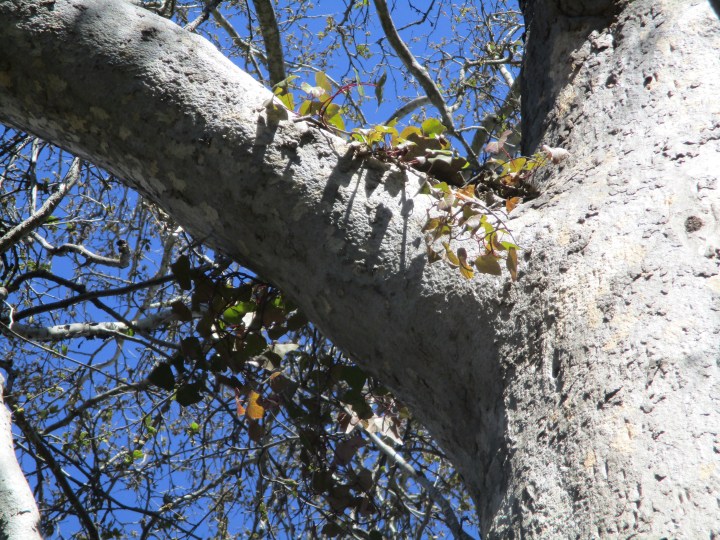
 The ivy in this sycamore did not just climb up from the ground to hang over this big limb. If you look closely, you will see no vine coming up from the ground. This small patch of ivy as well as a small pyracantha, are growing in a decayed cavity on top of the big limb. The ivy may have climbed up a long time ago, and then rooted into the cavity before the original vine was somehow removed. Alternatively, the ivy might have grown from a seed that was dropped by a bird or ivy vines that are higher up in nearby box elder trees. It is impossible to say now.