 It could be either an asset or a liability. With few exceptions, ferns do not want to be too exposed to direct sunlight or wind, especially during warm and dry weather. However, as long as they get just enough filtered light, they can be quite happy in sheltered spots that are a bit too shady for other plants. Most like to be watered regularly, and perhaps lightly fertilized in spring and summer.
They provide neither floral color nor fragrance. They lack interesting branch structure and bark. Since they reproduce by spores, they do not even produce any fruit, either edible or ornamental. For those who do not know them any better, they might seem to be rather boring. Yet, those of us who grow them know how handsome their lush, finely textured and uniquely patterned foliage is.
Of the popularly grown ferns, only two develop ‘trunks’, (which are actually just clustered wiry roots growing downward through rotting stems). Two others are ‘epiphytes’ that naturally cling to trees or exposed stone, but in home gardens, are more popularly grown on wooden plaques. Most other ferns are terrestrial understory perennials that naturally live in the partial shade of larger plants.
Although mostly confined to the ground, some ferns can get quite large. Individual leaves, which are known as ‘fronds’, can get several feet long. Even before it develops a trunk, Australian tree fern produces huge fronds that can shade an atrium. Other ferns with smaller leaves can spread very efficiently, and can even become invasive. Fortunately, most ferns are relatively complaisant.
The two popular epiphytic stag-horn ferns have weirdly lobed but otherwise undivided fronds. Leaves of the odd bird’s-nest fern is neither divided nor lobed. Otherwise, fern fronds are intricately divided into small leaflets known as ‘pinnae’. These pinnae are neatly arranged on opposite sides of leafstalks known as ‘rachi’. Some ferns have silvery variegation, but most are rich dark green.
Ferns innately do well in pots. Boston, maidenhair, rabbit’s foot, holly and bird’s-nest ferns are actually excellent houseplants. However, Australian tree fern and a few others shed irritating fuzz that would be a problem in the home. Most of the popular ferns are evergreen. Many consume their own deteriorating foliage by covering it with new foliage. Some ferns need occasional grooming.
 It sounds like science fiction, but it is not. Every spring and during particular summer weather, limbs can fall from trees without warning, and seemingly for no reason at all. It happens when least expected, while the weather is warm and perhaps humid, but notably without wind. The lack of wind is what makes it so unexpected. It is a phenomenon known simply as spontaneous limb failure.
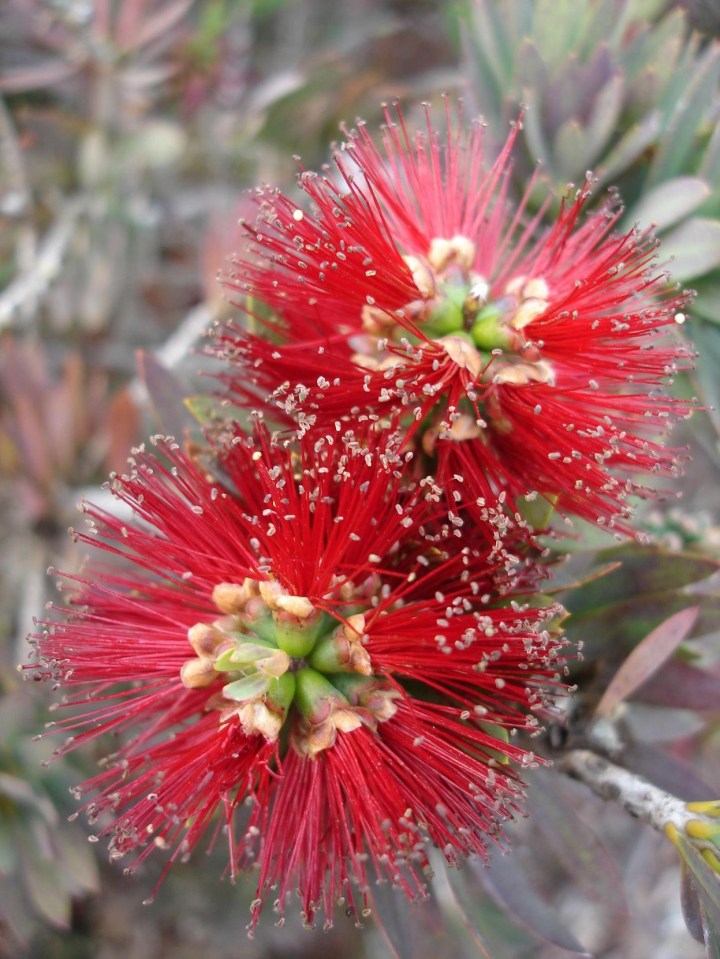 There is nothing like growing our own; whether vegetables, fruit or cut flowers. Most fruit and vegetables are grown to be eaten, so are not missed too much when harvested. Even colorful citrus fruit is better harvested than left out in the garden. No one wants to waste it. Flowers are not so simple. They are so colorful and fragrant in the garden, that it is tempting to leave them all out there.
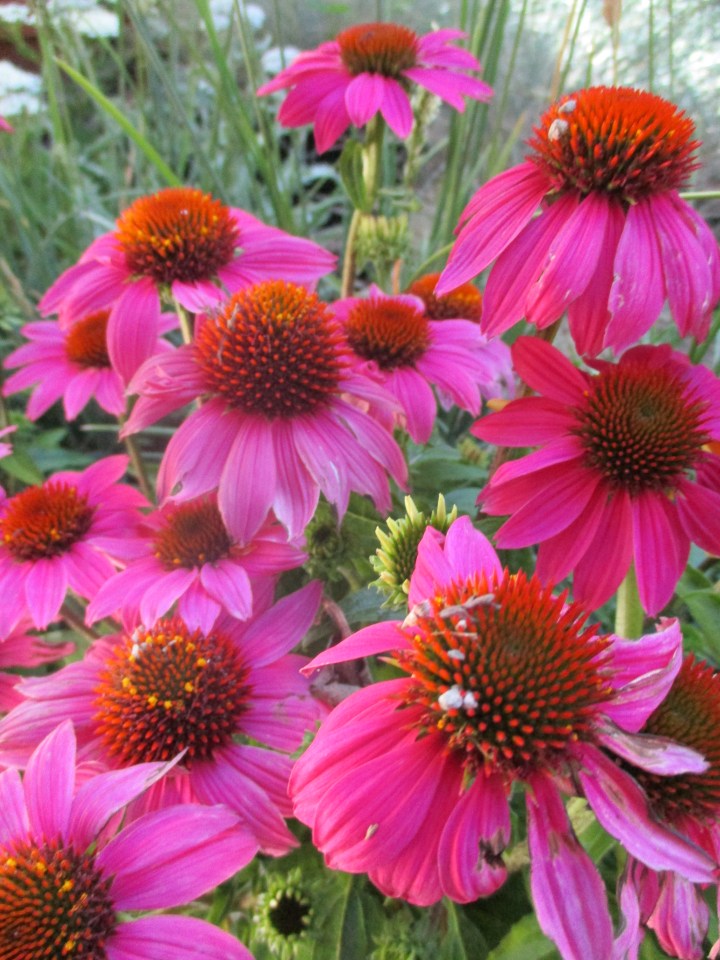 Annuals are plants that complete their entire life cycle from germination to death within a single year. Biennials complete their entire life cycle in two years, mostly by developing vegetative growth during their first year, and then blooming, producing seed and then dying after their second year. Perennials are the many herbaceous plants that survive longer than just a few years or indefinitely.
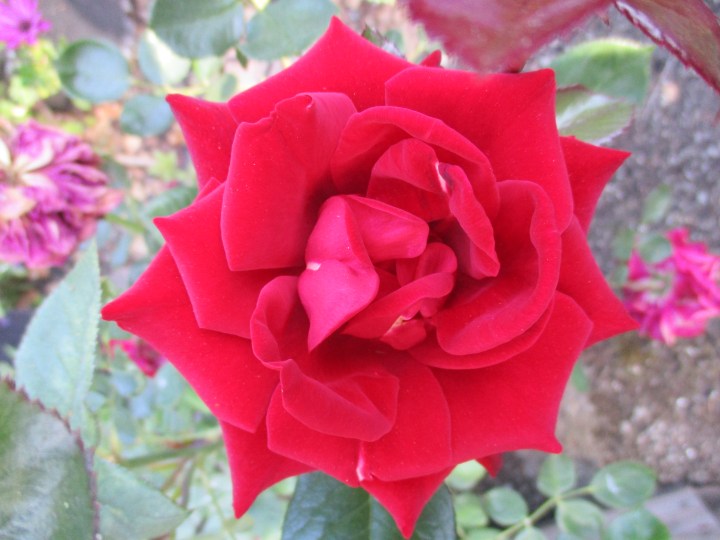 Roses are not for the meek. They are too demanding, too sensitive, too thorny, and without their flowers, they are not even very attractive. They have no business in a low-maintenance landscape, or in a landscape maintained by mow, blow and go gardeners. Those who want to grow rose plants for their flowers should be ready to give them what they want, and to prune them aggressively.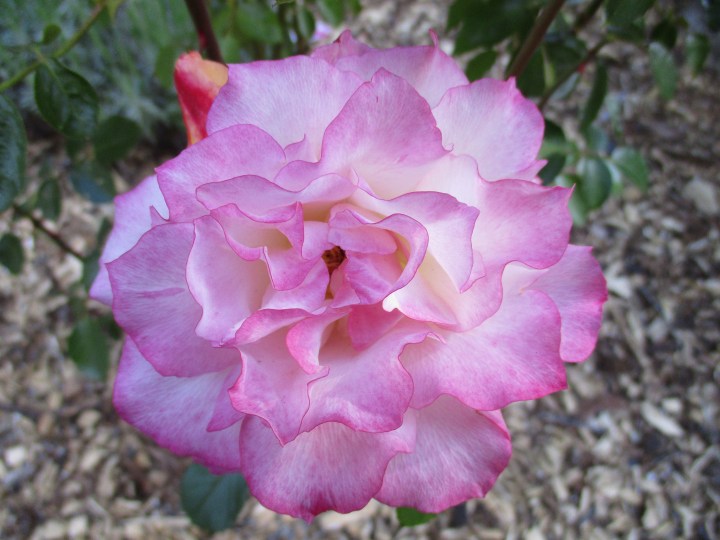
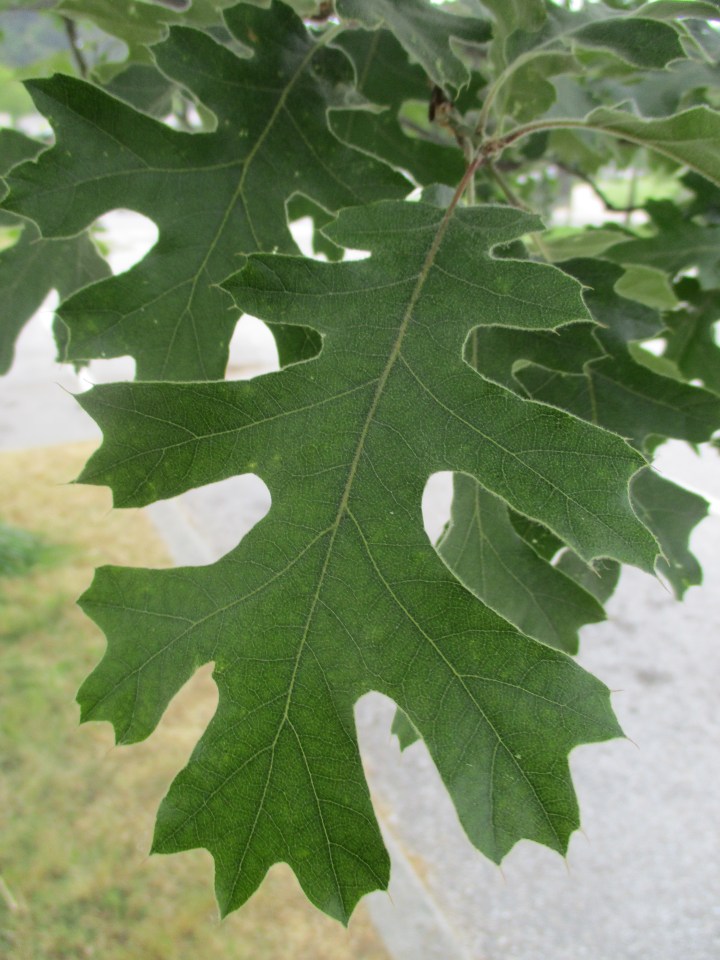 Oak, which might seem to be obvious to many of us, was identified by the Arbor Day Foundation as the People’s Choice for American’s National Tree. We certainly like our redwoods and exotic palms in California. Quaking aspen and blue spruce are probably favorites in Colorado. Sugar maple must be the most popular in Vermont. Yet, everyone appreciates the mighty American oaks.
 Plants have very different priorities from those who enjoy growing them. The colors and fragrances of flowers that we find so appealing are really designed to guide pollinators. The appealingly aromatic foliage of scented geranium and other herbs is actually designed to repel hungry insects and animals. Many tasty fruits are designed for seed dispersion by animals who enjoy them too.
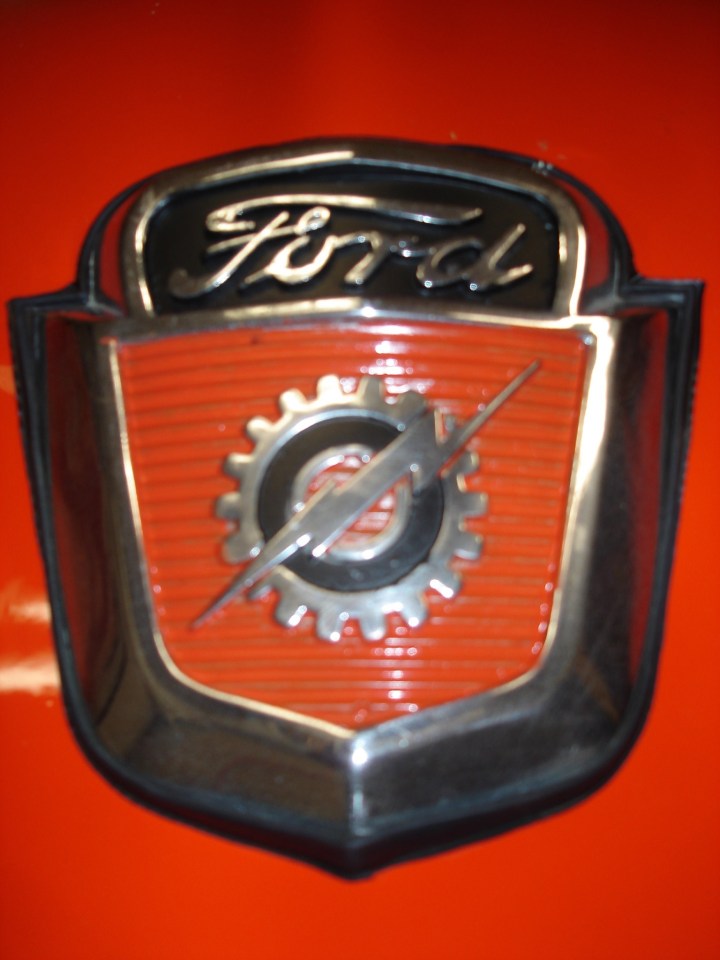 Simply put, ‘nomenclature’ is how things get named. It is not exactly like naming a child or a dog, or even a new small country in the South Pacific. There is a certain technique to it that is more like naming cars. Well, it ‘was’ like naming cars, a long time ago when cars had simple names rather than numbers and letters. Coincidentally, nomenclature of plants is getting to be just as confusing.
 Native plants should be the most sensible options for local landscapes and home gardens. It seems natural that they would be the most sustainable, since they survive in the wild without watering, soil amendment or fertilizer. Once established in landscapes, they should be satisfied with the moisture they get from annual rainfall. Plants that are not native are considerably more demanding.
 Pampas grass, blue gum eucalyptus, giant reed, broom and Acacia dealbata are some of the best examples of the worst naturalized exotic species. They were imported for a variety of reasons or by accident, and now proliferate aggressively in the wild. With few of the pathogens they contend with in their respective native homelands, they have unfair advantages over locally native flora.
 Tony Tomeo