 The original Dodge Dart, with the slant-six engine, was not much to look at, but was built to last. While cars were expected to last ten years or a hundred thousand miles, Darts easily lasted twice as long or twice as far. A few are still going now! Such resiliency really made a reputation for Dodge. The problem was that those who bought Darts had no need to buy another car for a long time.
That is a problem with sustainable plants too. Those that last too long, or are too easy to propagate, eliminate the need to buy new plants from nurseries. Many of the most traditional plants that have been popular for a long time probably earned their popularity by being so reliable and sustainable. These are the plants that the nursery industry would prefer to replace with newer varieties.
Good old fashioned lily of the Nile is about as tough and reliable as a perennial can be. If it gets crowded after a few years, it can be dug, divided and replanted over a much larger area, and even shared with friends. Kangaroo paw has been a fad for a few years because it is purported to be tough and drought tolerant too, but like a 1982 Oldsmobile Omega, it dies out in only a few years.
Kangaroo paw is certainly worth growing for striking blooms, even if it is enjoyed for only a few years. It is not too demanding, and can be sustained longer with a bit of specialized grooming and plugging (replanting shoots slightly deeper than they naturally grow). It is just important to realize that kangaroo paw sustains the nursery industry more than it should be expected to sustain itself.
Many of the trendiest modern varieties of old fashioned plants are not so justifiable. Perennials are the most notorious, especially if they are labeled as annuals. Sensational labeling with buzzwords like ‘sustainable’, ‘eco-freindly’ or ‘riot of color’ (seriously!?) can sometimes be a clue. Plants that seem to be ‘doped up’ (blooming with ridiculous profusion) might look their best when first planted, only to decline afterward, instead of growing into their garden space.
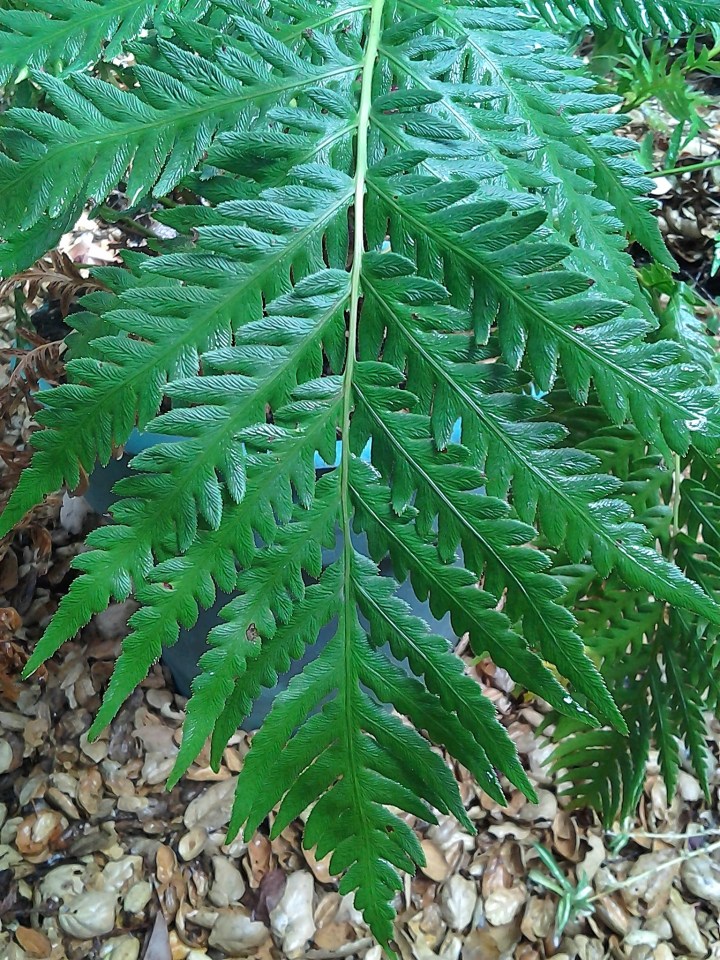 Many of the most popular plants are expected to bloom to add color and fragrance to the garden. Many others are grown to produce fruit or vegetables. Some are appreciated for their foliar color in autumn. Big trees are grown for shade. Turf grasses are grown as lawn. Evergreen shrubbery makes hedges. It seems that all plants perform particular tasks in the gardens which they inhabit.
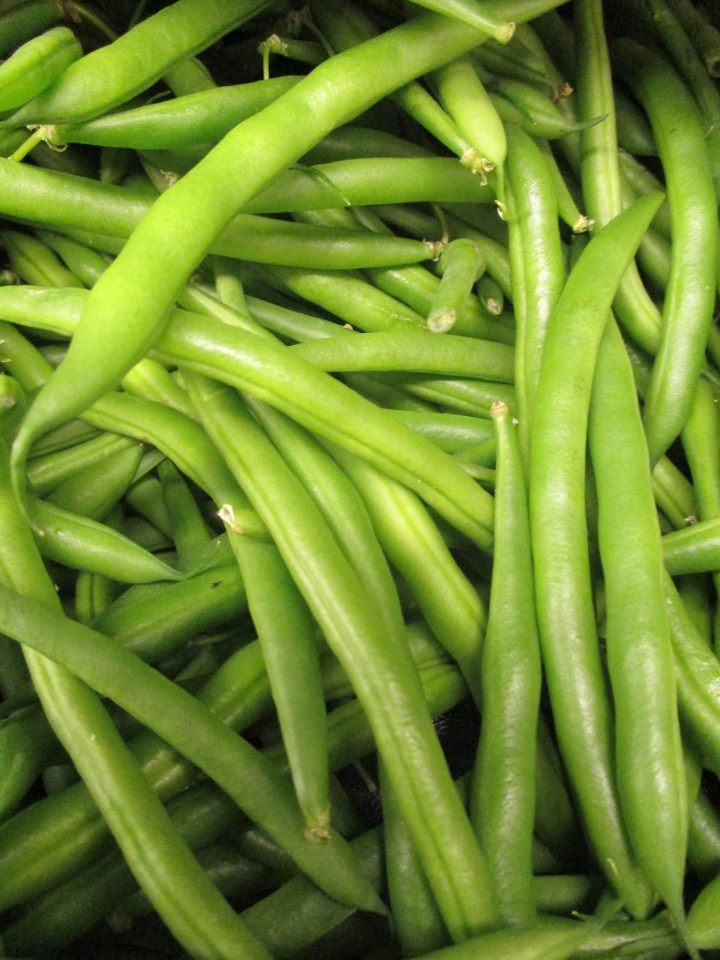 ’Zucchini’ is Italian for ‘little squash.’ They certainly can grow to become big squash, but by then, they do not taste so good. They are best before they get to about six inches long. As they mature, they get bitter and tough, and the seedy pulp within develop an unappealing texture. Maturing zucchini also waste resources that would otherwise go to the development of more younger zucchini.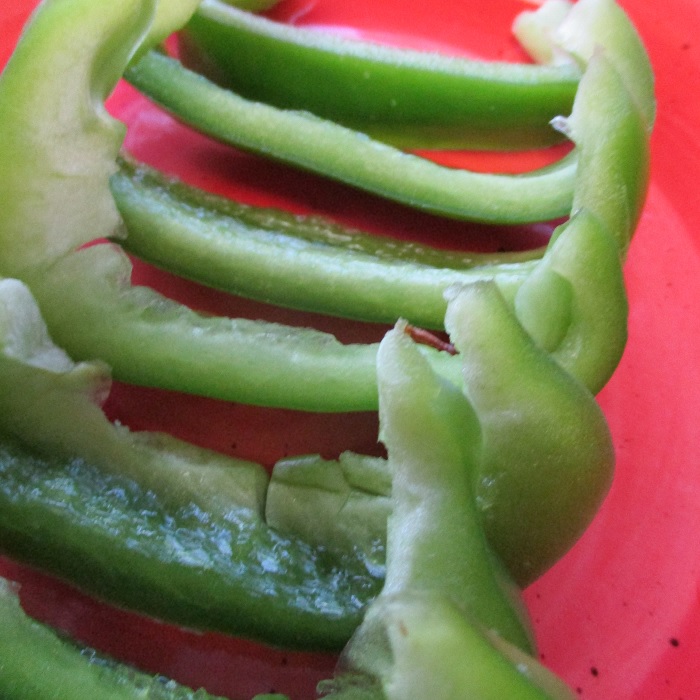
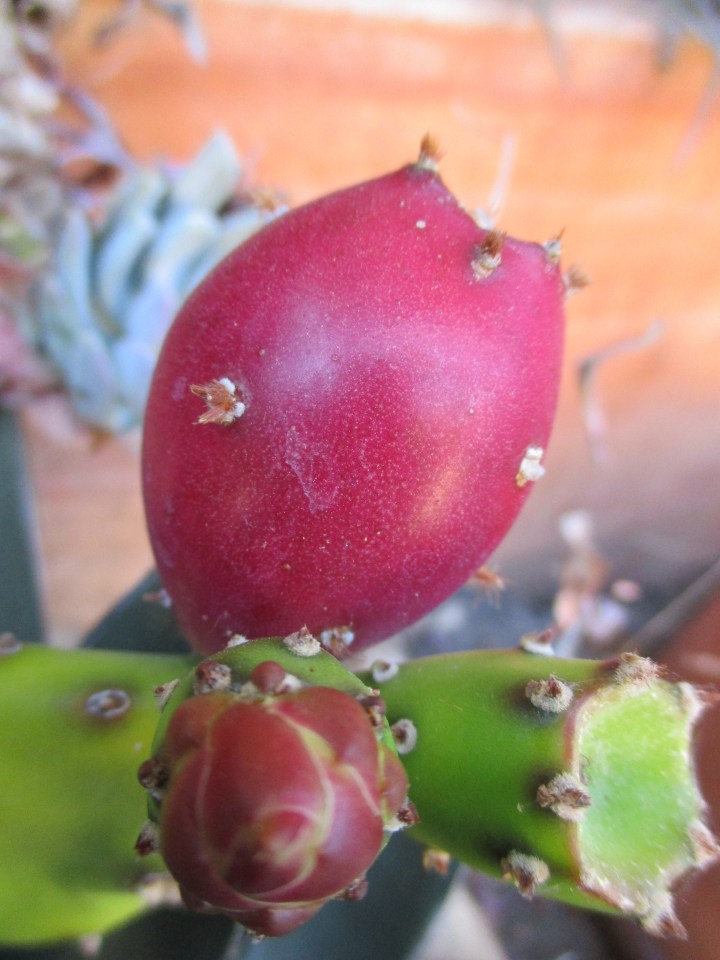 Those of us who grew up with the old fashioned stone fruit orchards or vineyards might remember some of the traditional methods for protecting the ripening fruit from birds. Mulberry trees were grown on the corners of some orchards to keep birds well fed and less hungry for the ripe orchard fruit. Mulberry cultivars were selected to ripen just prior to the fruit within the particular orchards.
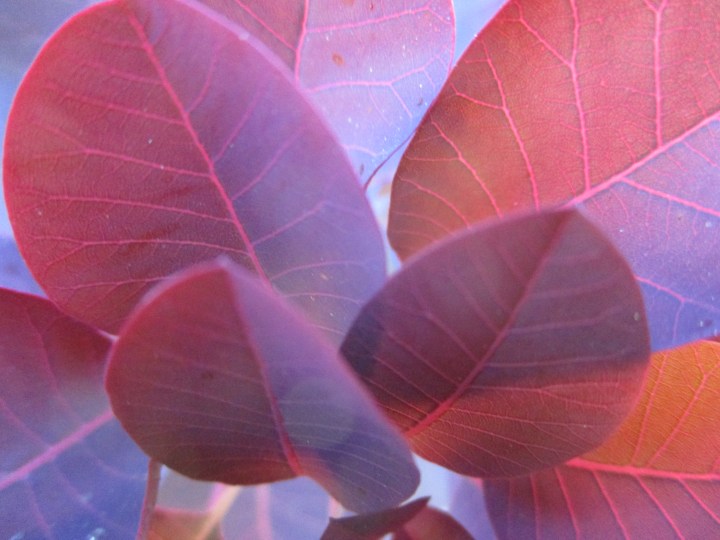 Autumn foliar color is not the concern yet. It develops later as deciduous plants defoliate for winter. Purplish, reddish, yellowish, bluish or gray foliar color that can be seen now is provided by plants that are colorful while actively growing. Almost all of this sort of foliage is most colorful when it is young and fresh, early in spring. Then, through summer, some of the best foliar color fades.
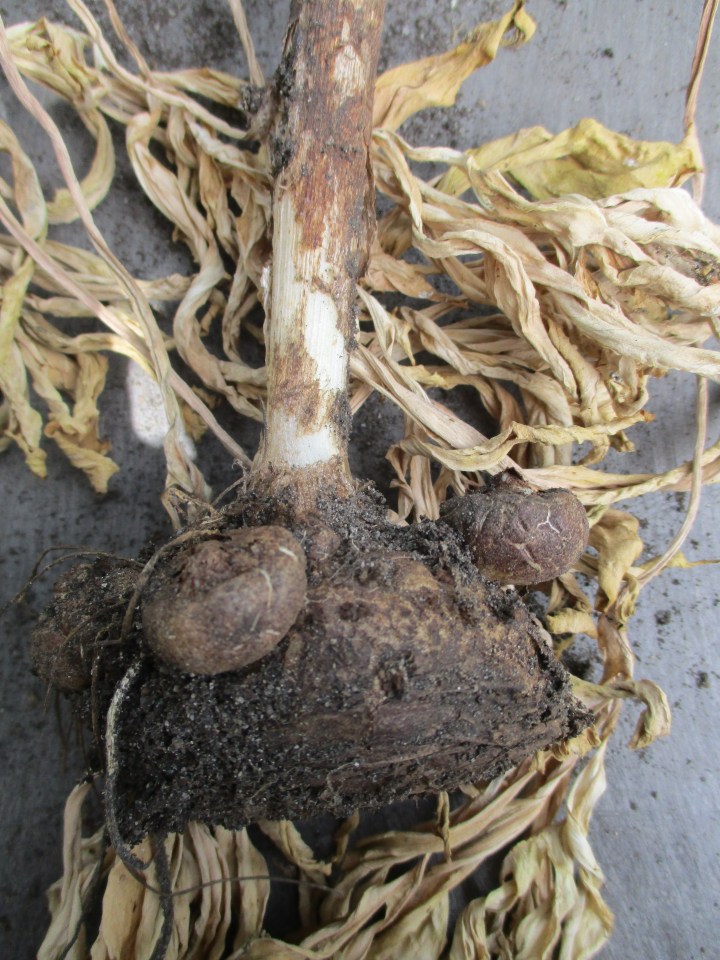 California buckeye, Aesculus californica, is an enigma. How does it survive while defoliated for so much of the year? Not all are so mysterious. Those that live in sheltered or forested situations behave like normal deciduous trees, by defoliating in autumn, and refoliating in spring, after a brief winter dormancy. Those that are more exposed in warm and windy situations make us wonder.
 Felton League, the Facebook group of the homeless and their friends in Felton, California, briefly mentions the source of some interesting, but typically overlooked fruits that can be found in the wild or unrefined landscapes. Blackberries, American plums and elderberries collected from rural roadsides have produced award winning jellies for the Santa Cruz Mountains Harvest Festival.
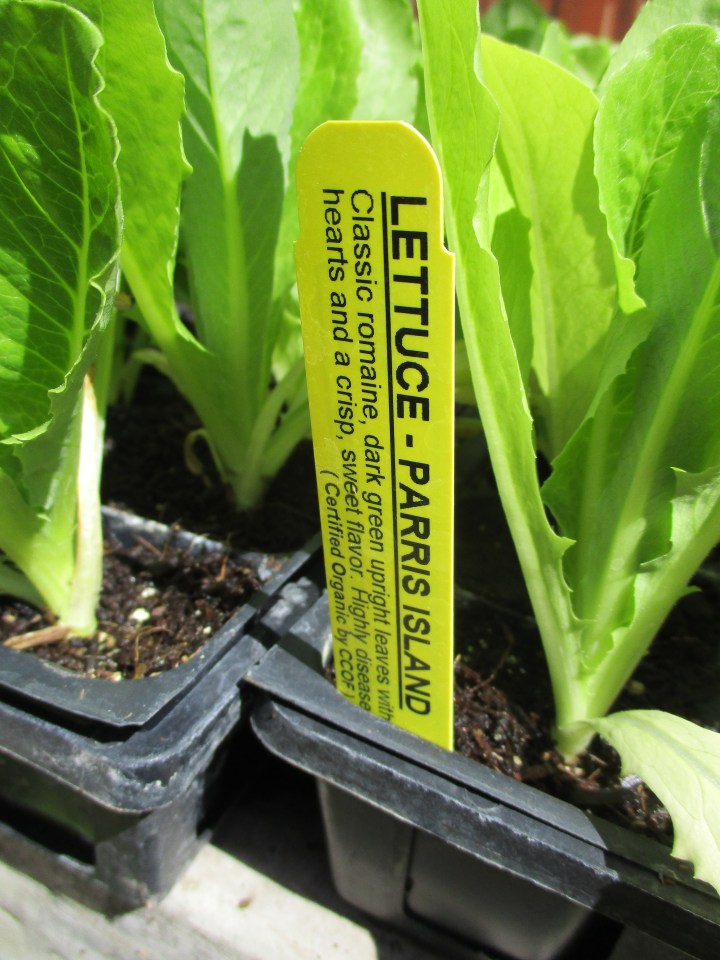 Right smack in the middle of the warm part of summer, it is already time to be getting ready for autumn gardening. This involves more than just ordering our autumn planted spring bulbs while the selection is still optimal. Most of us purchase bulbs from what is available in nurseries when they are in season anyway. Seed that gets sown in the next few weeks is a more immediate concern.
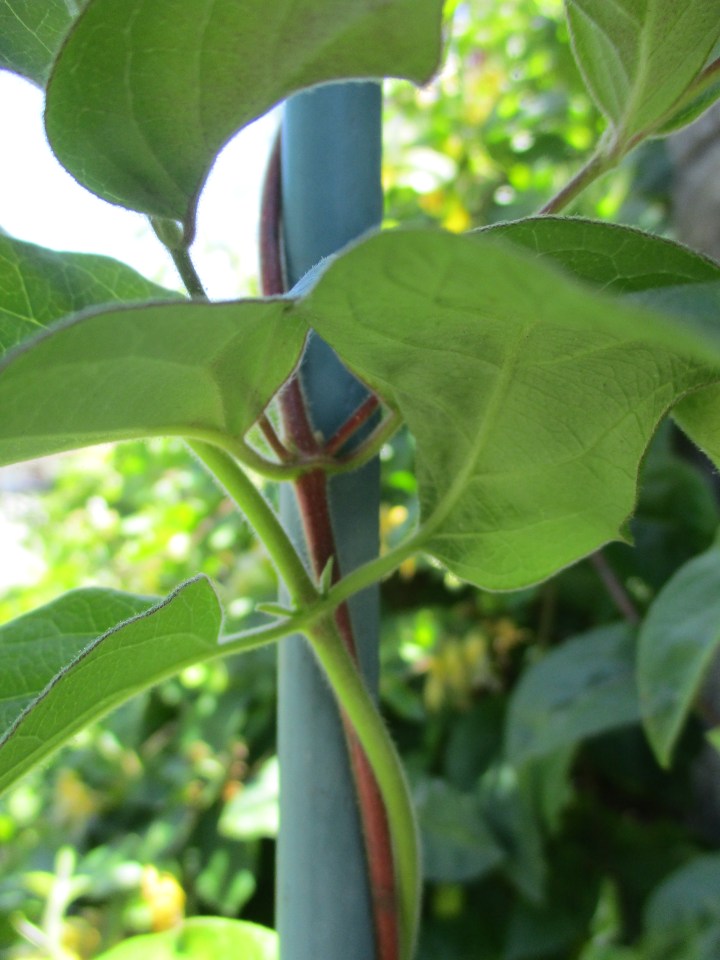 Urban homes are innately close to other urban homes. Newer homes are even closer to each other than older homes are, and are more imposing. Establishing or maintaining privacy can be a challenge, especially for high windows in narrow spaces. Even though home builders prefer to place windows strategically, some windows invariably face into neighboring windows or gardens.
 Most of the familiar vines really are exploitative bullies. They shade the same trees and shrubs that they climb for support. Some will even strangle and kill those who make it possible to get where they want to be. If they do not find trees or shrubs to victimize, they are likely to climb walls and ruin the paint, stucco or siding. Their aggressive nature can be a problem in landscape situations.
