 A five pound kumquat is a problem! It means something went seriously wrong. Anyone who grew one would concur. They are huge, lumpy, and very insipid, with ridiculously thick pale yellow rind around a small handful of uselessly fibrous pulp. They are protected by dangerously sharp and rigid thorns that can get longer than three inches. Even their irregularly wavy foliage is unappealing.
In reality though, there is no such thing as a five pound kumquat. These huge but useless fruits, as well as the associated thorns and foliage, are those of ‘shaddock’, which is the most common ‘understock’ for almost all grafted dwarf citrus trees. It is what keeps such trees compact, so that they do not get as big as orchard trees. It was there all along, whether we were aware of it or not.
Most citrus trees are composed of two genetically different parts. The understock are the lower parts that develop roots that are unseen underground. The desirable upper parts that produce the familiar citrus fruits grow from ‘scions’ that are grafted onto the understock. Graft unions are just above grade, where the texture of the bark above is slightly different from that of the bark below.
‘Suckers’ are stems that grow from the understock below the graft unions. Because they are genetically identical to the understock rather than the scions, they produce the same fruit and exhibit the same physical characteristics as the understock would if it were growing wild. Suckers can overwhelm desirable scion growth, which is how kumquat trees can produce huge five pound fruits.
Other grafted trees and shrubs, particularly fruit trees, get suckers too. New suckers appear as new spring growth develops. They should be peeled off of the main trunks rather than pruned off. As brutal as this seems, it is more efficient than pruning. Soft young shoots should snap off quite readily. This technique removes more of the callus growth at the bases of the suckers, which could develop more suckers later. Big older suckers should be pruned off as closely and neatly as possible.
 If more of us knew how vines compete in the wild, fewer of us would grow them in our home gardens. Understory plants that are satisfied with the sunlight that reaches them through a higher forest canopy are the most passive. Taller trees compete for sunnier exposure above. Vines are the most aggressive as they climb and overwhelm trees to get the best exposure on top of everything.
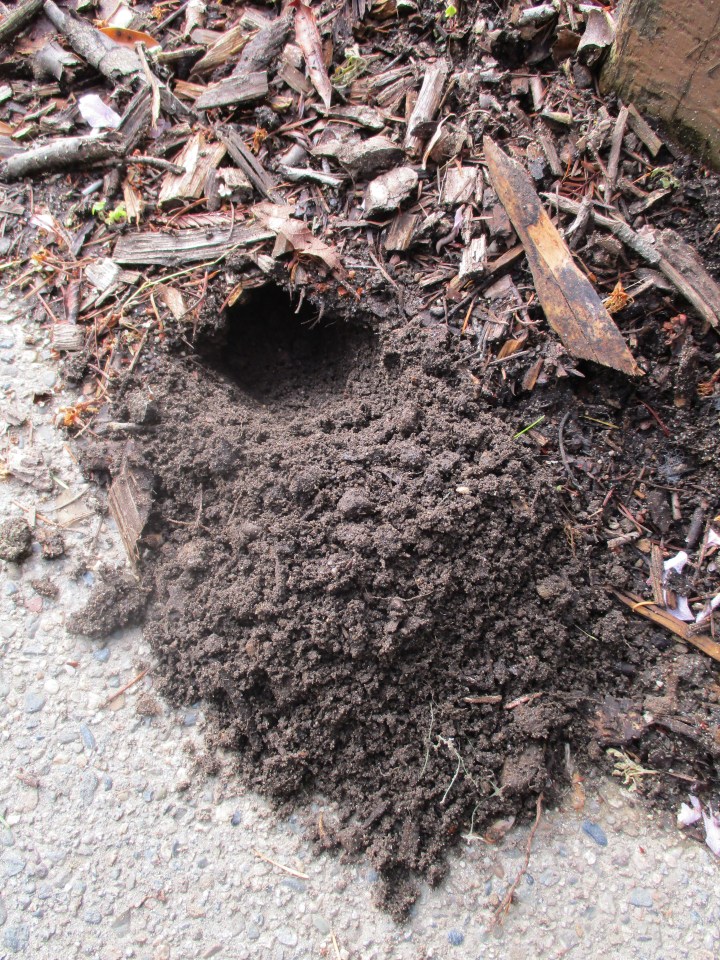 Hibernation is a luxury enjoyed by different animals in different climates, where much colder weather inhibits activity through winter. Gophers take no such extended time off here. They merely work less diligently through the cooler and rainier times, and maybe get out of the way if the soil they live in gets too saturated. Their minimal damage had probably been easier to miss or ignore.
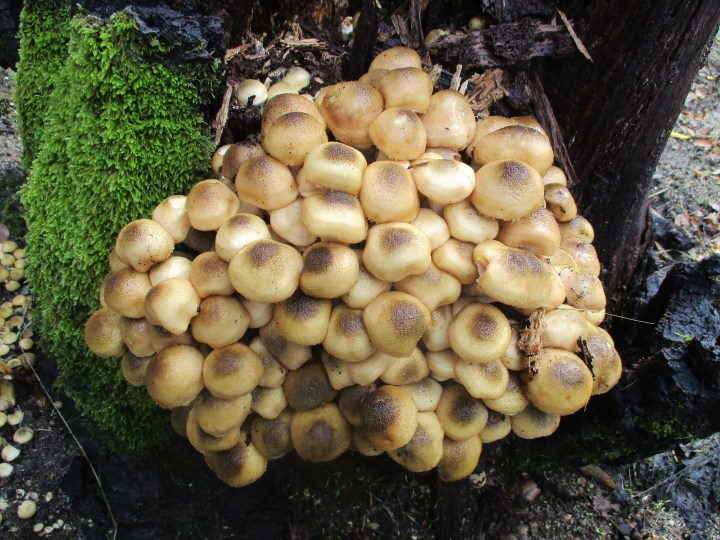 It is not easy for wild trees to adapt to a refined landscape. After a lifetime of adapting to their native environment and dispersing their roots to where the moisture is through the dry summers, they must adapt to all sorts of modifications such as excavation, irrigation and soil amendment. Newly installed plants grow into a new landscape while some mature trees succumb to disease and rot.
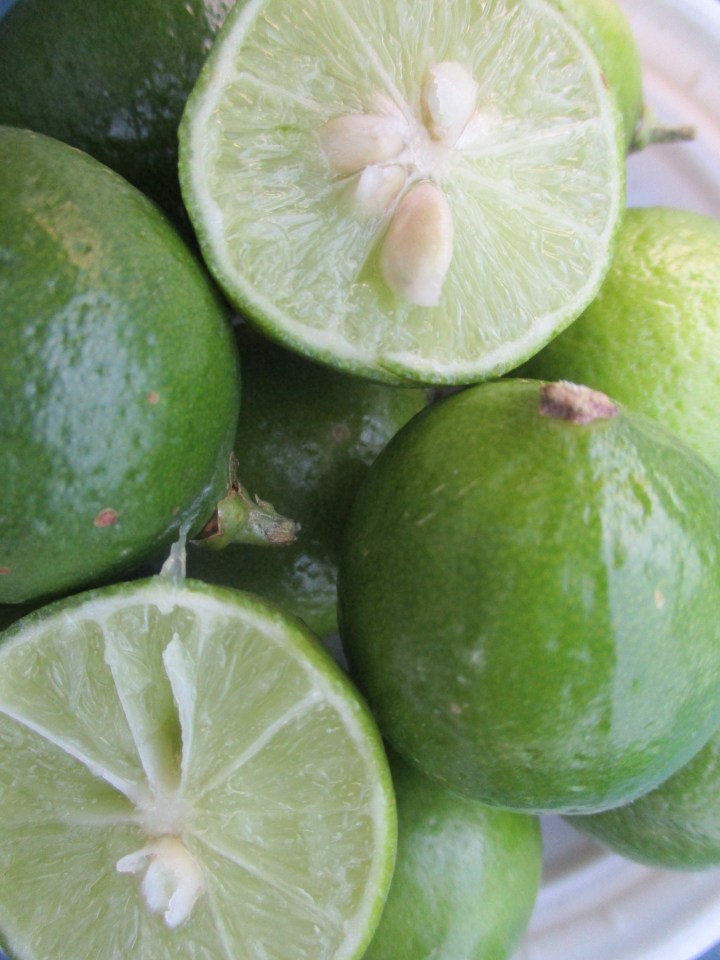 Is it possible to grow citrus from seed? The quick and simple answer to that question is, “Yes.” After all, many cultivars of citrus were originally bred from other cultivars, and then grown from seed. But of course, this an overly simplified answer to an unrealistically simple question about a surprisingly complicated process. Perhaps a better question is “Should citrus be grown from seed?”.
 Compared to replacing cool season annuals with warm season annuals, the replacement of cool season or ‘winter’ vegetables with warm season or ‘summer’ vegetables is not quite as traumatic. Most of the cabbage, broccoli and cauliflower plants finish in time to make room for new vegetable plants anyway. Unlike flowering annuals, they make it obvious that they are done for the season.
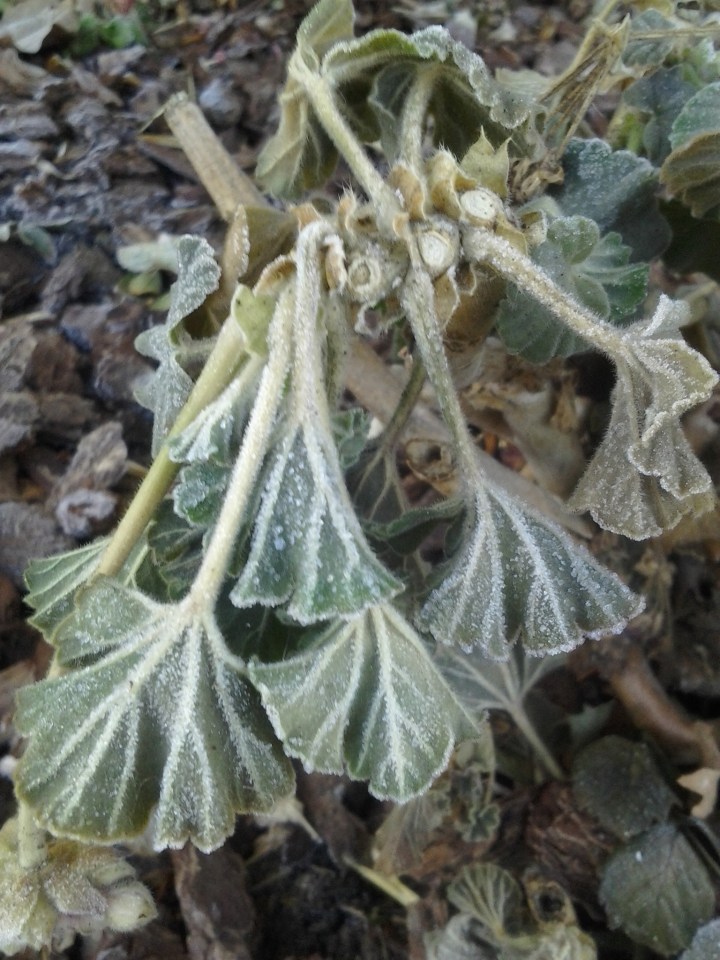 Scheduling of gardening chores is as important now as it ever was. We plant warm season vegetables and annuals in time for spring and summer. We plant cool season vegetables and annuals for autumn and winter. We pick flowers as they bloom. We harvest fruits and vegetables as they ripen. We watch the seasons change on our calendars, as well as in the locally specific weather.
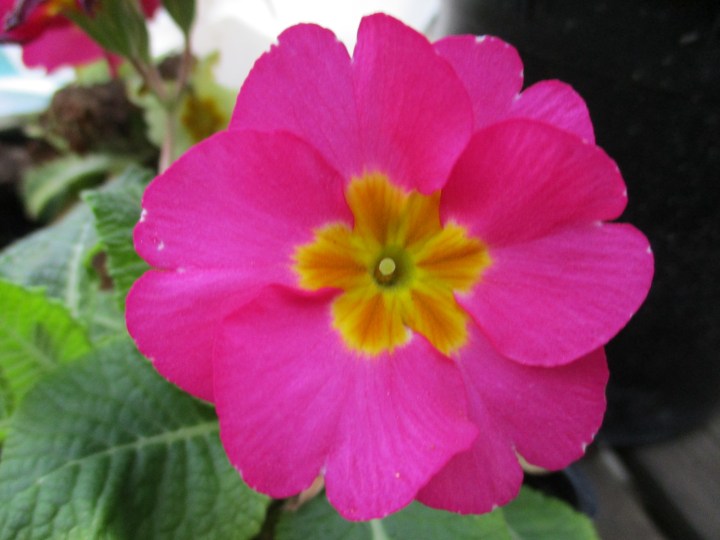 Pulling out cool season annuals that are still somewhat colorful is never easy, even if they are already deteriorating. There is always the desire to stretch their season as late as possible until they succumb to warmer weather. Only a few can perform all year, or get cut back to hide below other taller plants until the weather gets cool enough in autumn for them to regenerate and bloom again.
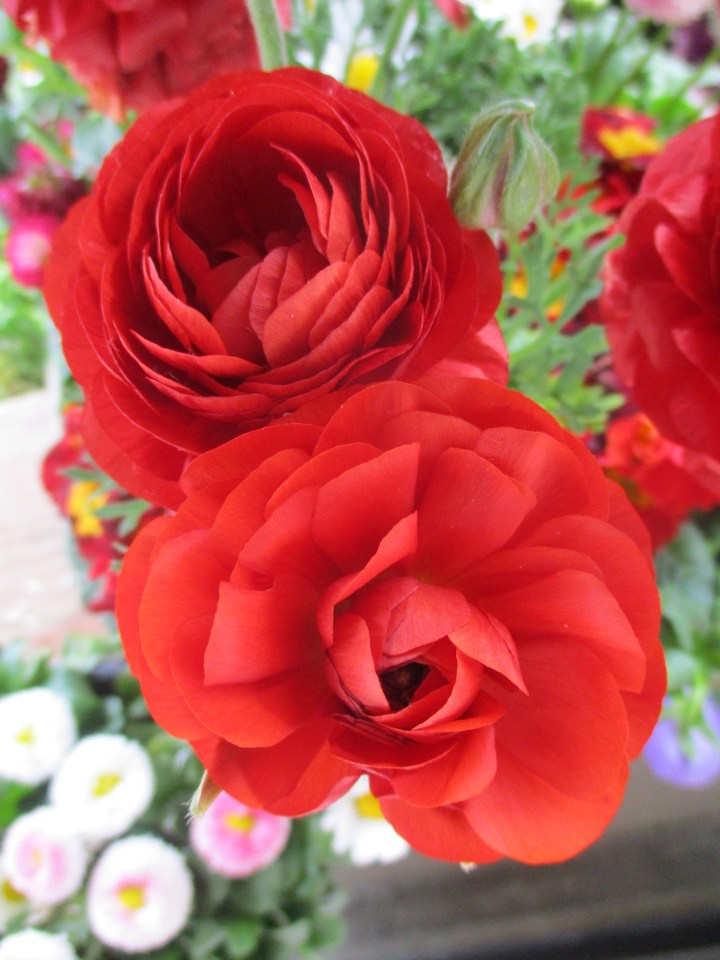 Narcissus, daffodil, freesia, snowdrop, snowflake, grape hyacinth, various iris and most other early spring blooming bulbs and bulb like plants should be perennials. We plant them with the hope that the will survive after bloom to bloom for another season, and perhaps for many seasons. Some should multiply to provide more bloom over the years. Bloom is just part of their annual cycle.
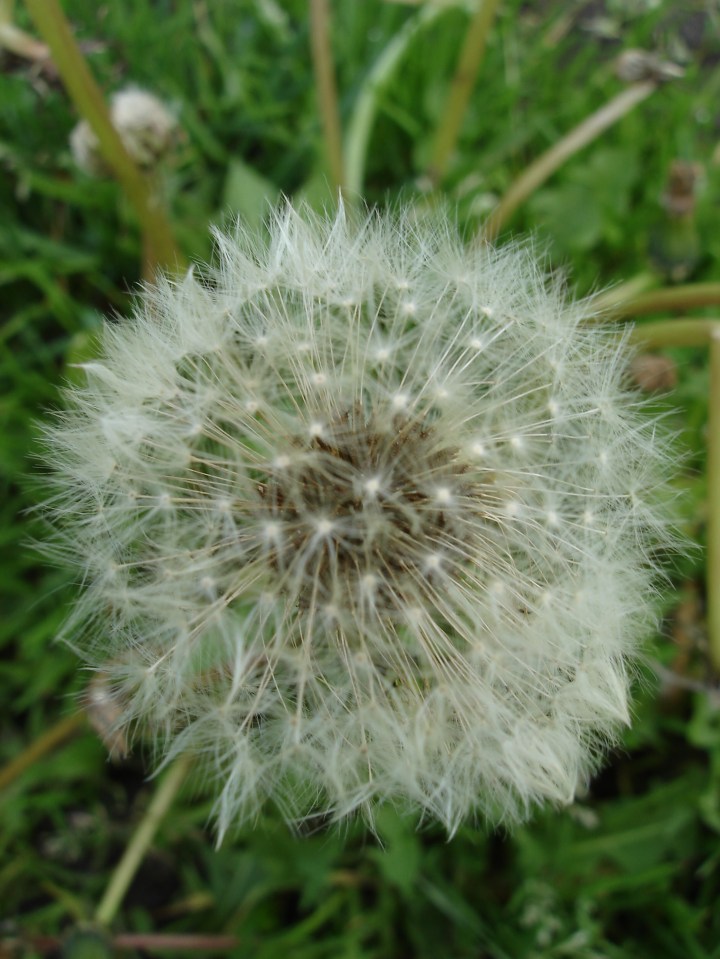 Spring brings out the best and the worst in the garden. While warm season annuals and vegetables are getting established, so are a variety of weeds. Just like other annuals and perennials, they respond to the changing weather. Cool weather and moisture stratified their seed through winter. Warming moist soil prompts germination. Warm and sunny spring weather promts rapid growth.
