 In the wild, trees do just fine without any help from anyone else. They certainly are not stupid. Their roots disperse for adequate stability. Their trunks grow upward as limbs spread outward for adequate structural integrity. Trees only need help in landscape situations because they are expected to perform so unnaturally. From the very beginning, their trunks are bound and their roots are confined.
While they are growing in the nursery, trees are bound tightly to stakes to keep their trunks straight. Unfortunately, this binding inhibits natural development of trunk caliper. Since they can rely on stakes for support, trees do not waste resources on developing the strength of their own trunks. The various eucalypti are particularly sensitive, and can bend over to reach the ground when unbound.
Roots are confined to cans (pots) or boxes because that is how trees are grown in the nursery. Even in regions where trees are field grown, roots must be severed when trees get dug and moved. Many types of trees do not mind much, and are eager to disperse roots into a new landscape as soon as possible. However, oaks, pines and many others do not recover as efficiently from confinement.
Once in a new landscape, most trees need to be staked to recover from being staked and confined in the nursery. New sturdier stakes that extend below the confined root system into soil below should stabilize newly planted trees. This is particularly important for evergreen trees that will be blown more by wind than bare deciduous trees, and particularly because most trees get planted in autumn and winter.
These new stakes should be installed a few inches away from the tree trunks so that they can support the trunks loosely when the tightly binding nursery stakes gets removed. To prevent abrasion, new straps should be somewhat loose, and cross over between the trunks and stakes. A pair of opposing stakes, with straps supporting in opposing directions, is sturdier than a single stake. A few straps may be necessary.
The new crepe myrtle trees in the picture above remain bound to the stakes that they were grown with in the nursery. Sturdier stakes that can support the trunk in a less constrictive manner have yet to be installed.
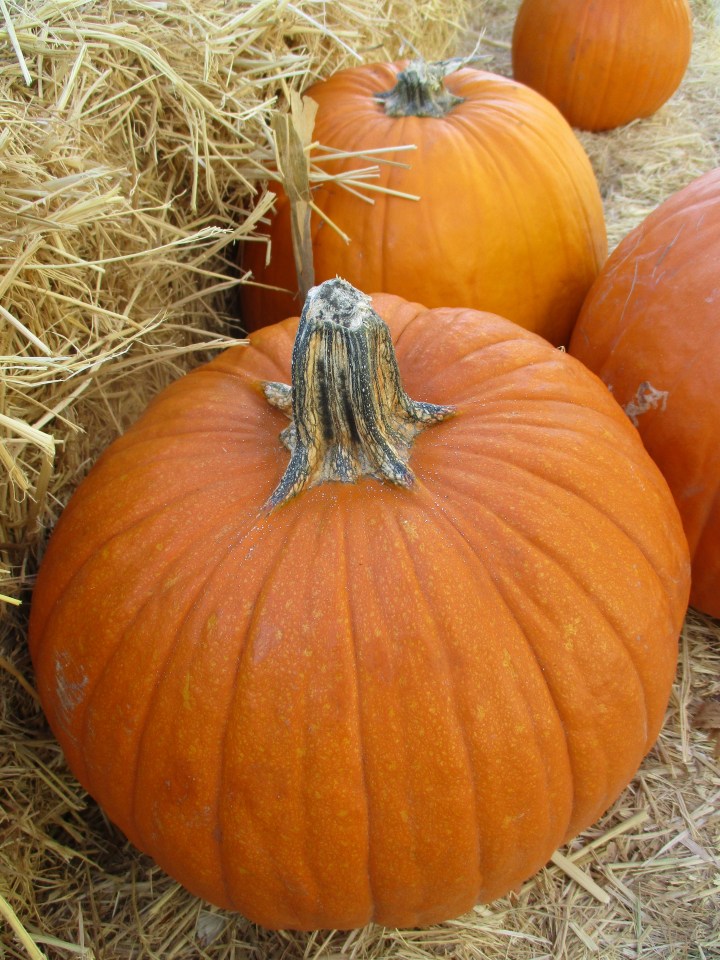 There is likely no other fruit that gets wasted quite like pumpkins. Almost all get hollowed and carved into Jack o’lanterns, illuminated from within for Halloween, and then discarded or added to compost within the next few days after Halloween. If they stay too long in the yard or on the porch, they mold or get partly eaten by squirrels. They were fun while they lasted, but the party is over.
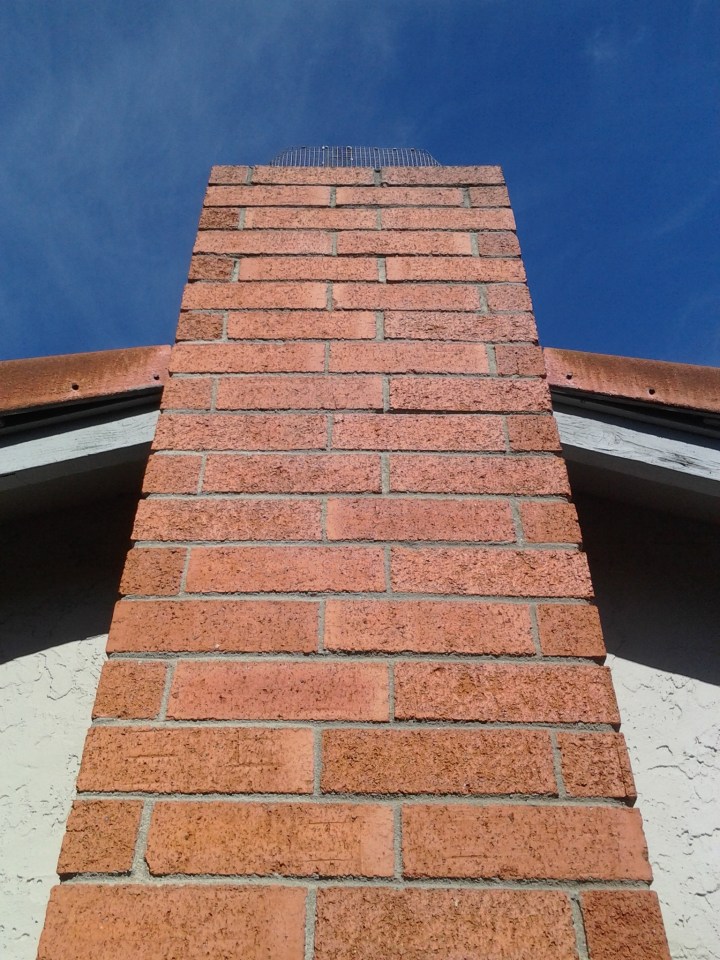 Even if they had been clean since they were emptied out last winter, gutters (eaves-troughs) near deciduous trees will eventually need to be cleaned again as they collect falling leaves through autumn. Leaves may continue to fall for several weeks, and will fall more abundantly as they get dislodged by rain.
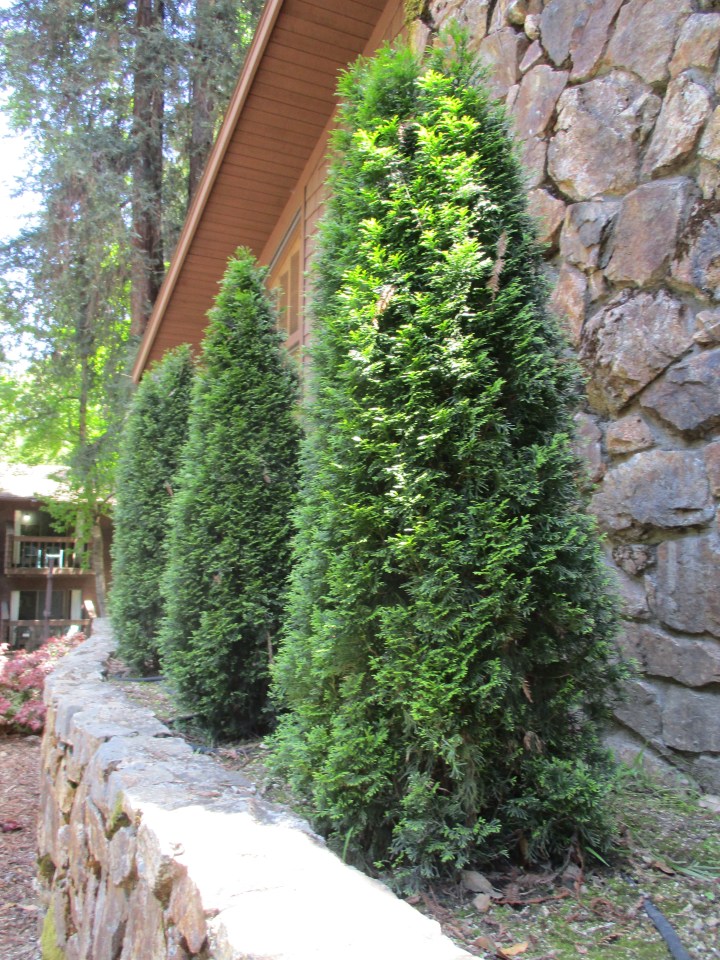 We all know what autumn is for. Planting, of course. Yes, it is a recurring theme; but there are so many different things to plant. Dormant bulbs need to get into the ground before cool and rainy winter weather. Deciduous plants that should be planted while dormant prefer an early start if planted as soon as they defoliate in autumn. Believe it or not, most evergreen plants are no different.
 With all the talk about replacing warm season vegetables and bedding plants with their cool season counterparts this time of year, we should also address the irony of summer squash and winter squash. Their designations suggest that they too grow in specific seasons; summer and winter. Duh. It would make sense that summer squash would be replaced by winter squash during autumn.
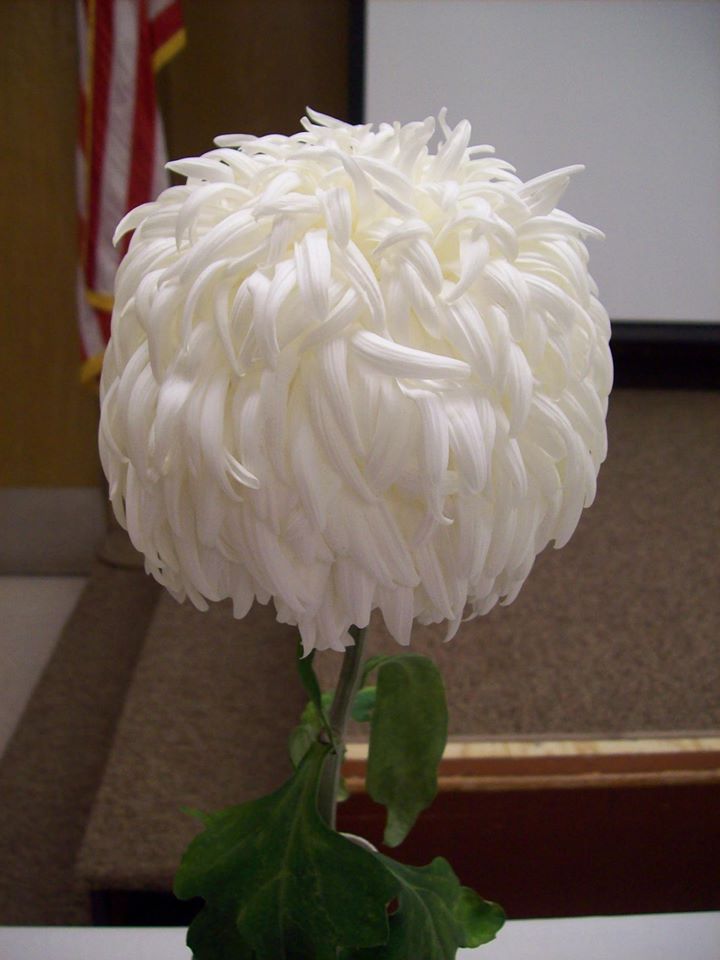 Only a few decades ago, when horticulture was taken more seriously, potted blooming plants like chrysanthemums, orchids, azaleas, hydrangeas, lilies and even poinsettias, got the respect that they really deserve. Now they are more commonly purchased in full bloom, enjoyed only as long as their bloom lasts, and then discarded as their blooms deteriorate.
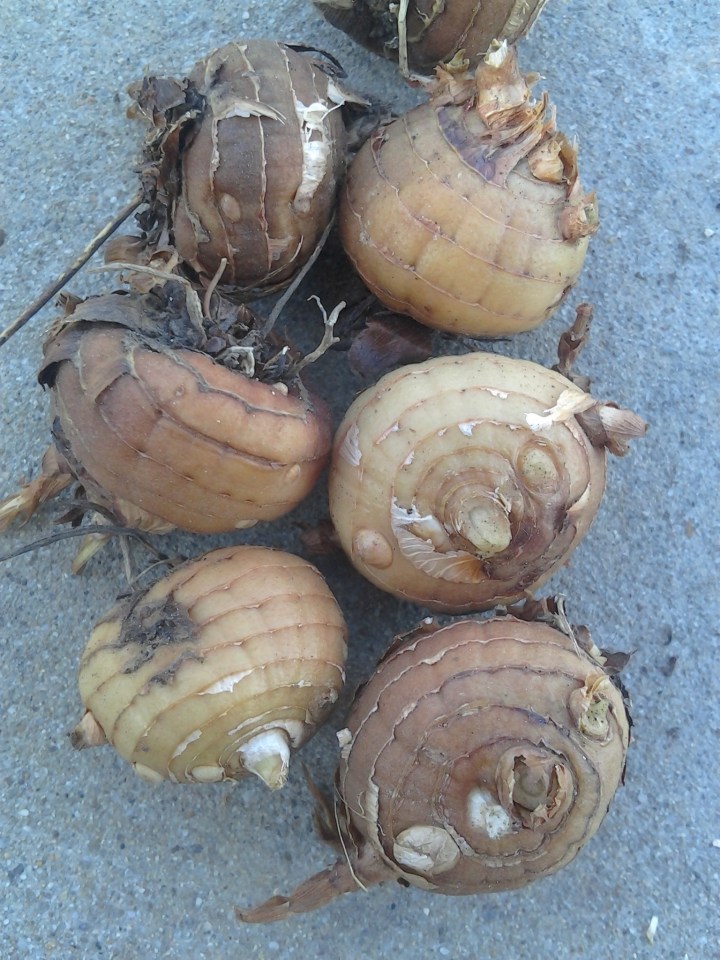 Autumn is for planting. Cliche? Yes; but true. Autumn is when most plants are beginning dormancy, and are therefore not so bothered by the discomforts associated with transplant. The weather is cooler and wetter, so that even if they are bothered, such discomforts are not as discomforting as they would be in summer. Once in the ground, plants have a few months to recover before spring.
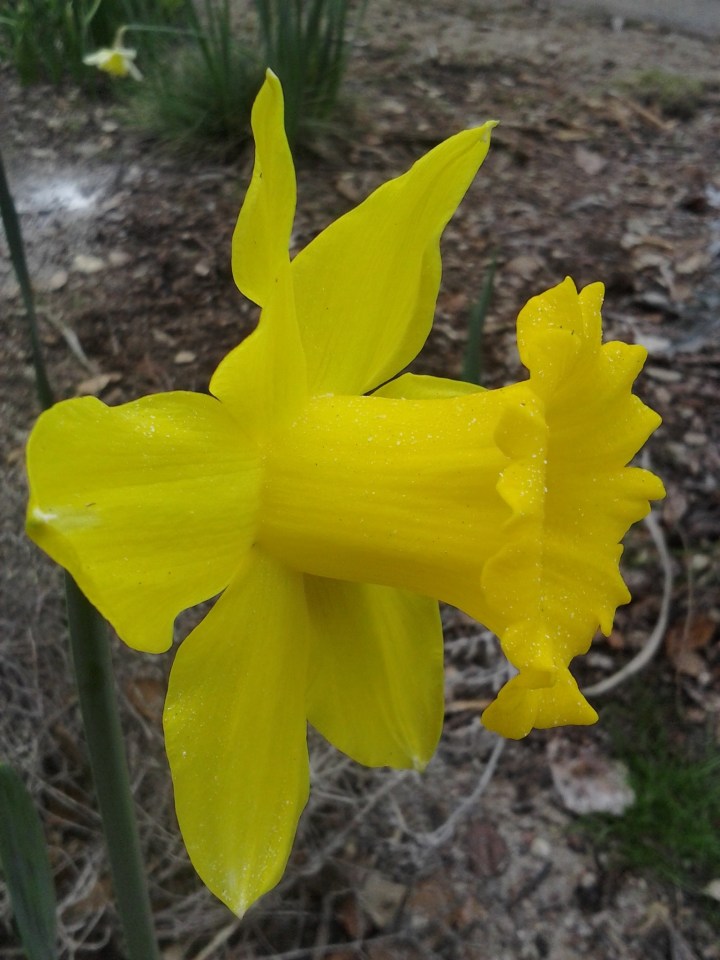 They are certainly not much to look at now. They are even less interesting once buried out of sight in the garden. The big and colorful pictures on the boxes that they arrive in are probably a bit more spectacular than the flowers expected early next spring will actually be. Nonetheless, it will be amazing to see such flashy bloom emerge from seemingly lifeless bulbs that get planted now.
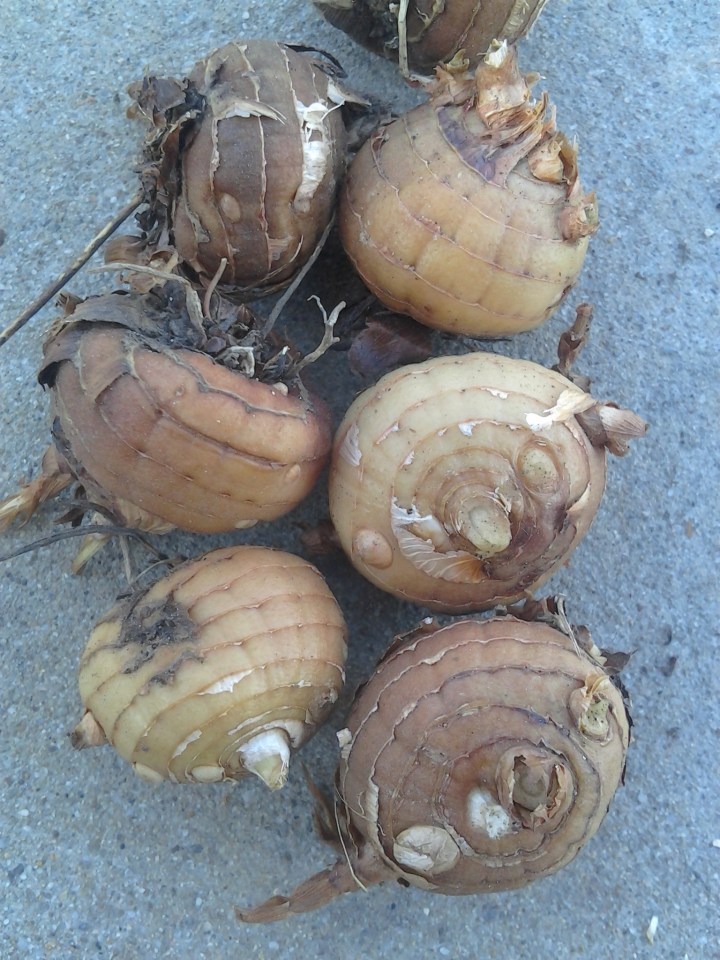 After working so hard to bloom so impressively in spring or summer, bulbs redirect their efforts into saving up their energy for winter dormancy. That is why their fading foliage lingers after faded flowers get pruned away. The foliage eventually dries and deteriorates, leaving plumped dormant bulbs to overwinter underground. It is all their natural life cycle.
 Gardening is not always fun. After diligently tending to warm season vegetables through spring and summer, it eventually becomes necessary to pull them up to relinquish space for cool season vegetables that grow through autumn and winter. It likely would be less unpleasant to wait for them to succumb to frost, but by that time, it would be getting late for the incoming vegetable plants.
 Tony Tomeo