 The popular definition of ‘Indian summer’ suggests that it is unseasonably warm and dry weather in spring or autumn, and that it typically happens after frost. Well, that definition just does not work here. It makes about as much sense as our so-called drought, which is actually the normal weather for our chaparral climate. Weather that repeats annually is neither unseasonable nor abnormal.
There are certainly years with more or less rain, and years with warmer or cooler weather in late summer and early autumn. Weather is naturally variable. It does not work like the thermostats in our homes, or the automated irrigation systems in our gardens. It is impossible to predict precisely how this summer will end, but it will likely have some characteristics of a normal Indian summer.
The one characteristic of the popular definition of Indian summer that will be notably absent is frost. That will not happen until after autumn. Locally, Indian summer can either be what seems to be a continuation of summer weather, or a resumption of warm summery weather after a bit of cooler weather. The main difference from earlier warm weather is that the nights are significantly cooler.
That is more important than it sounds. We do not notice the cooler nights as much as the plants that are outside all night do. While the days are as warm as they had been, some deciduous plants will begin to defoliate. Eventually, those that get colorful in autumn will begin to do so. Roses can be fertilized one last time, but even as they continue to bloom, they should not be fertilized again.
Indian summer prolongs the summer growing season significantly, but also has the potential to interfere with the winter growing season. Warm days keep warm season vegetables and flowering annuals performing so nicely that we do not want to remove them to relinquish their space for the cool season plants that will be needing it soon! In other climates, frost ends the summer season for us, and necessitates the transition to cool season crops. Indian summer can be too much of a good thing.
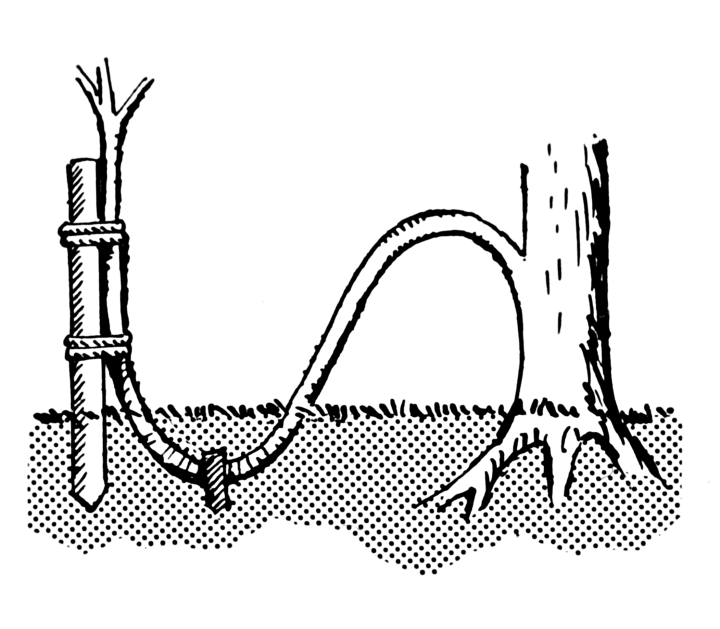 All plants propagate. Otherwise, they would go extinct. They all have the potential to propagate by seed or spores. However, some are more efficient at vegetative propagation from stems or roots. Of the later, a few propagate by seed so rarely that it is a wonder that they can evolve, since vegetatively propagated plants are clones, or genetically identical copies, of the original plants.
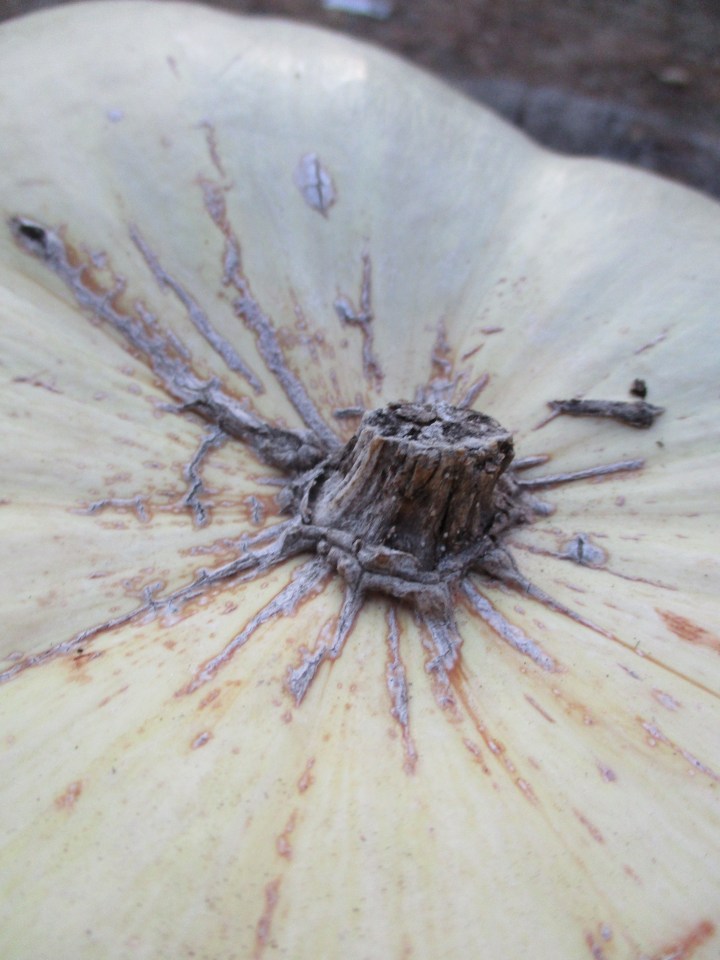 From the time they get planted in early spring, tomato plants are expected to perform a bit better than they did earlier in the season. They start out with only a few early tomatoes, but quickly become prolific. Production continues to increase as the plants grow all through summer . . . until now. Newer leaves on top are not staying so far ahead of fading leaves below.
 If shade trees are the ceilings, and hedges and shrubbery are the walls, then turf and other groundcover plants are the floors of some of our outdoor living spaces. Except for turf grasses, most groundcovers are not as useful as hardscapes like pavement and decking, but they perform other functions in areas that do not get such use. Groundcovers inhibit weeds, erosion, dust and mud.
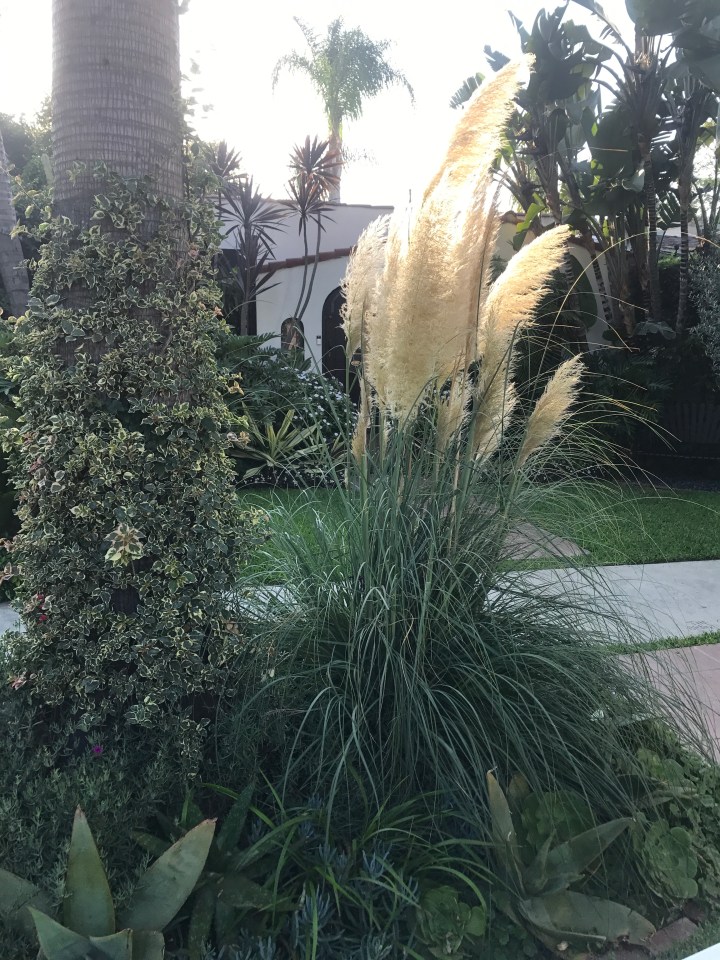 It makes sense for flowers to bloom in spring. Winter is too cool, windy and damp for both flowers and the insects that pollinate many of them. By summer, successfully pollinated flowers have faded, are busy making seed to disperse in autumn. Some plants produce fruit to get birds and other animals to disperse their seed. There are certain advantages to blooming early in the spring.
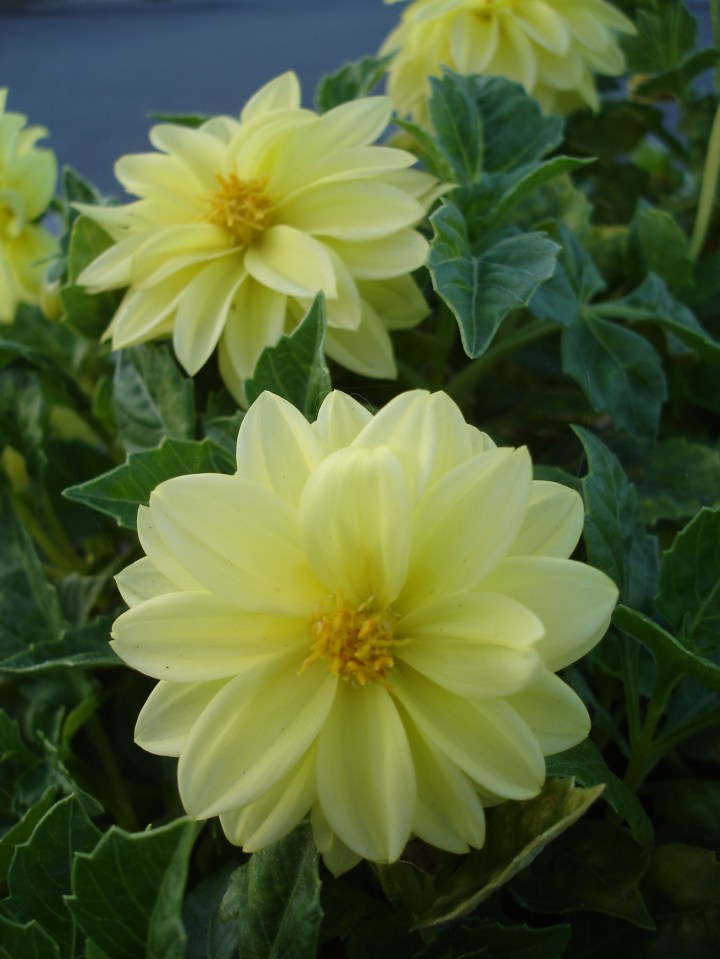 No mater how much work we put into our roses to sustain bloom all through the season, and not matter how successful we are with that endeavor, the first spring bloom is always the best. Some roses continue to bloom in floriferous phases afterward, while others bloom sporadically but continually; but there is nothing like the first bloom phase. The last blooms are just waiting for autumn.
 There are only four seasons in which to grow herbs, but herbs are used for all sorts of seasonings. Most herbs are aromatic evergreen foliage. Some might be flowers, flower buds, stems, bark, seeds, roots or really any plant part. Those with the strongest flavors might be classified as spices. Herbs are used for culinary purposes. Many might be used medicinally. Some just smell pretty.
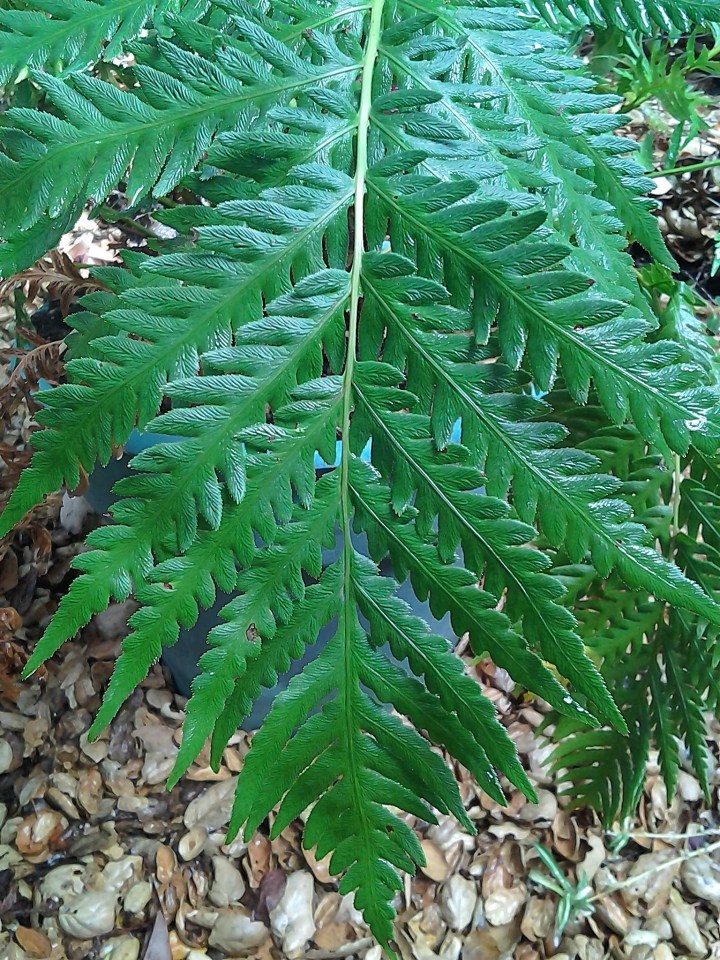 The list of what ferns will not do is more noteworthy than the list of what they will do. They do not bloom with colorful or fragrant flowers. The do not produce fruit. Very few turn color in autumn, and their color is generally nothing to brag about. Most ferns will not maintain their appeal through drought, or if neglected too long. Nor will they tolerate heat and wind, especially in full sun exposure.
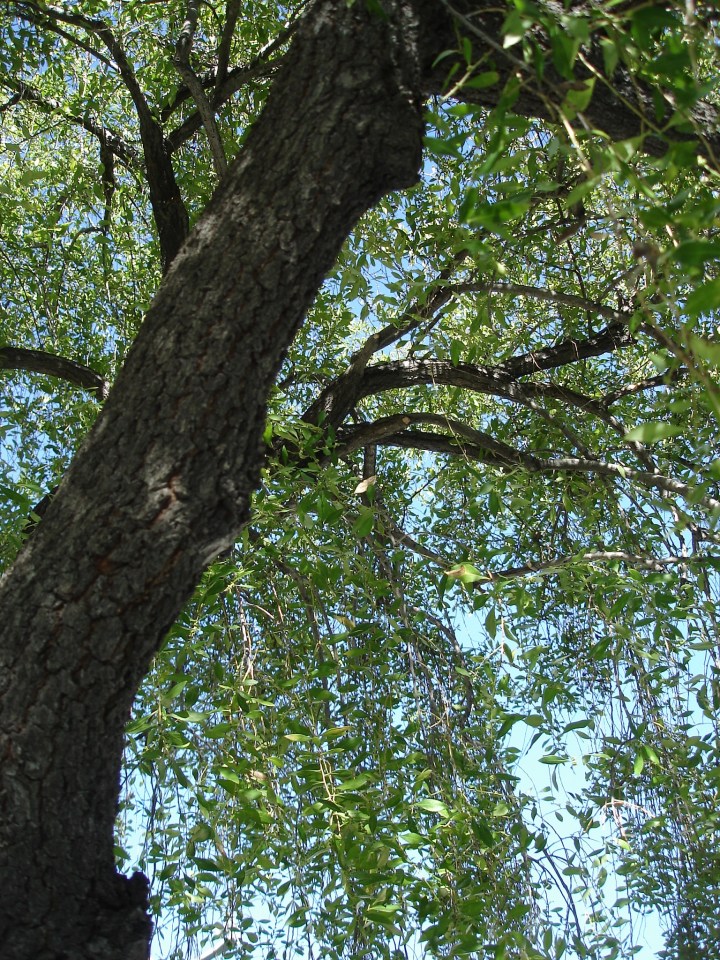 Many of our trees live at our homes longer than we do. Some of our trees were there before we got there. Some of the trees we plant will be there for whomever comes along after we are gone. Trees very often evolve into something very different from what they were intended to be. Nonetheless, since they are the most significant features of our gardens, trees must be selected carefully.
 Gardening requires planning. There is always planning. The vegetables that are getting harvested now are developing mostly on plants that were put out in the garden early last spring. Some of those plants were grown from seed sown even earlier, late last winter. Now that it is more than halfway through summer, it is time to plan for cool season vegetable and annuals for next autumn.
