 Who do they think they are?! This ain’t ‘Caddy Shack’! They have such attitude! Gophers move into our gardens and lawns, take what they want, and build their messy volcanoes of loose soil. They do not care how much work we put into our gardens, or how much we spend on nice plants, or how much we crave our first zucchini of the year. They are safe in their subterranean tunnels.
Or so they think. There is more than one way to . . . well, you know. There are also several methods that either do not work, or are not practical. For example, gasoline poured into a tunnel may volatilize, and then explode if ignited, killing gophers below, but can very easily start a fire anywhere the fumes happen to seep from the tunnel, and there is no way of knowing where that might be!
Poisons are dangerous either because gophers do not eat them, leaving them to be dug up by someone else later, or because gophers do eat them, and then stagger from their tunnels in search of water, and then get eaten by someone else who gets poisoned as well. Putting razor blades in the tunnels is just plain wrong. Even if it actually kills gophers, who wants to dig up razors later?
Traps are still the most efficient way to eliminate gophers. This is of course more easily said than done. It must be done properly and VERY carefully. Gopher traps are dangerous! It is safest to learn how to set traps from someone who is experienced with them. Safer modern types that fit into holes that gophers are expelling soil from only work if gophers happen to be active at the time.
Conventional gopher traps are set and placed in a pair, with one trap in each direction of an excavated and cleared main run. A main run is found by following a surface tunnel below the freshest volcano of expelled soil, to where it splits into two direction. The paired traps should be attached by wire to a stake that stays visible at the surface. A bit of crushed vegetation can be placed behind the traps before the run gets buried firmly. If set properly, a gopher springs a trap as it returns to clear the run.
 There is no way around it. Just about every garden has some degree of shade. Even low profile single story houses without eaves or fences are shaded on the north side. Eastern exposures get the cooler morning sun. Western exposures get only the warmer afternoon sun. There are vacant and treeless parcels out in the desert that lack shade, but not many of us are gardening out there.
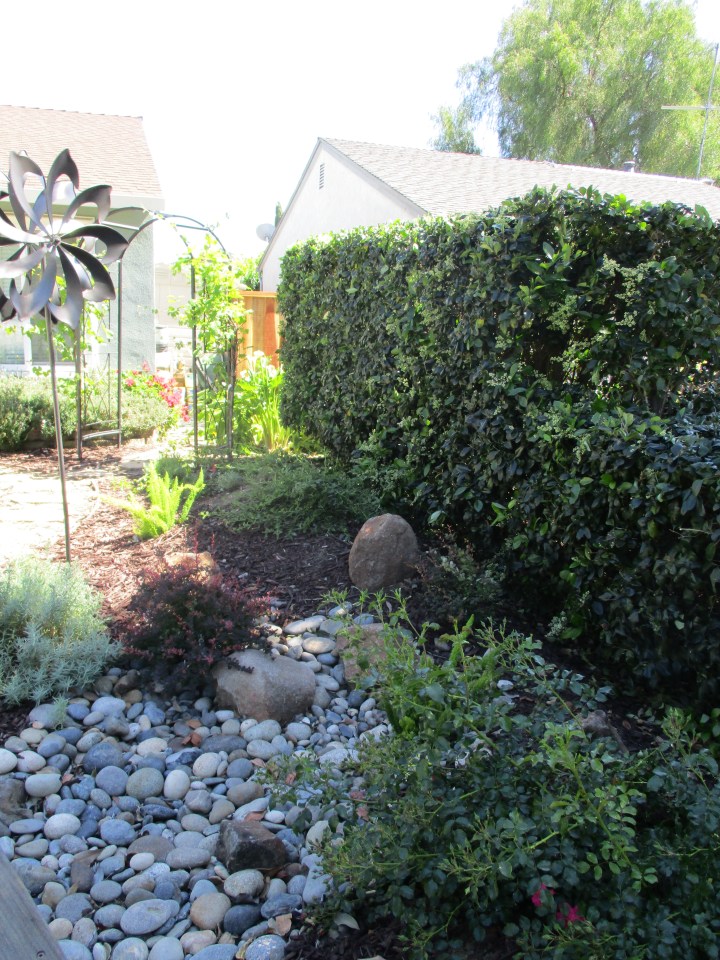 Hedges are a complicated topic! Like lawns, they are among the more functional features of a landscape. They can be used to provide privacy within, obscure unwanted views beyond, or merely to separate a large landscape into cozier or more functional spaces. Except for hedges that are grown for spring flowers or autumn color, most hedges are evergreen with finely textured foliage.
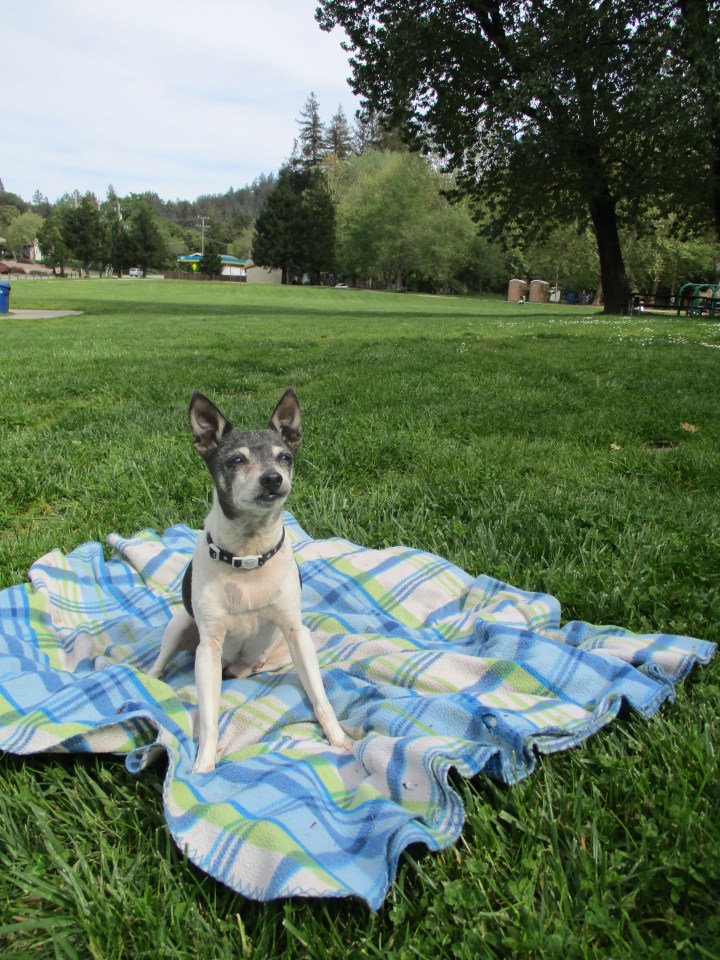 Turf grasses are the ultimate in groundcover. They are very durable, and useful for covering large areas in a very user friendly manner. The toughest varieties are used for athletic fields because they withstand the wear and tear. In home gardens, all sorts of varieties are grown as lawns. Like other groundcovers, lawns limit erosion, and are cleaner than bare summer dust and winter mud.
 Considering that some of the winter squash can last right through winter and into spring, there really is a squash for every season. By the time the last of the winter squash run out, the first of the summer squash will be ready later in spring. They get an early start here, and continue until frost. By that time, the earliest of the winter squash will be ready for autumn, and will last through winter.
 The Great Basin bristlecone pine of the eastern Sierra Nevada can live more than five thousand years. The giant sequoia of the western Sierra Nevada can live more than three thousand years. The familiar coastal redwood from the Coastal Ranges can live more than two thousand years. Besides impressive longevity, one thing that they all have in common is that they all eventually die.
 Daffodils, freesias, lilies, snowdrops and the various early spring blooming bulbs and bulb like perennials will be finishing soon if they have not finished already, leaving us with the annual question of what to do with the foliage after bloom. The plants will not bloom again until next year, and the remaining foliage might be unappealing without bloom. Much of it slowly deteriorates into summer.
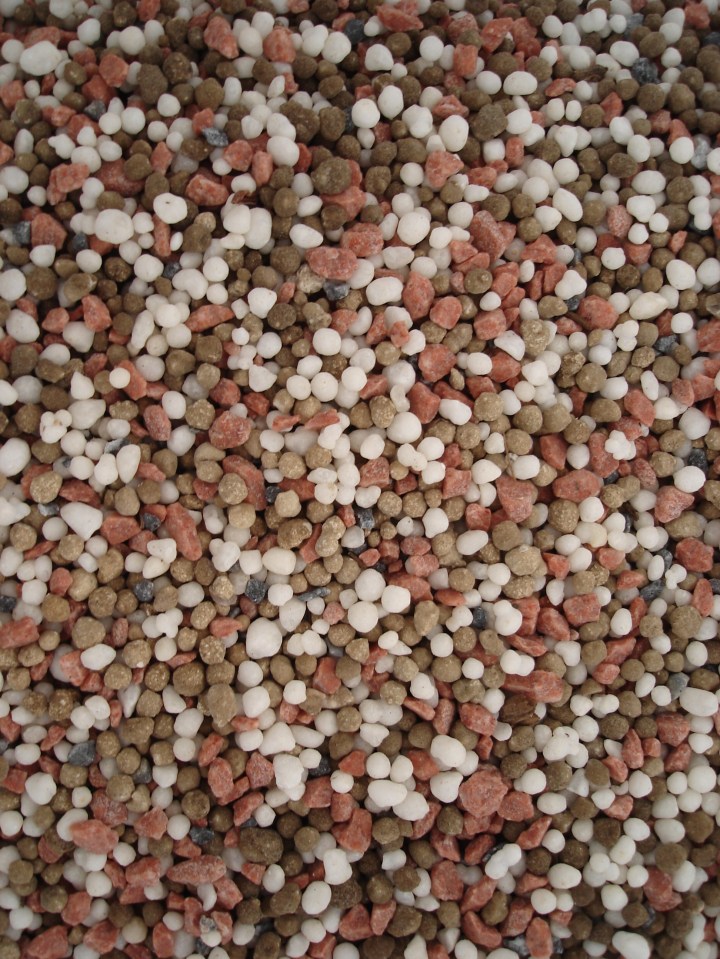 Too much of a good thing can be a problem. That is why bacon is not one of the four basic food groups. It is why sunny weather gets mixed with a bit of rain. It is why we can not give plants too much fertilizer. Since late last summer or autumn, there has not been much need for fertilizer. If fertilized too late, citrus and bougainvillea develop new growth just in time to be damaged by frost.
 Weeds always seem to have unfair advantages. While we pamper so many of our desirable plants to get them to grow and perform, weeds proliferate without help. They survive harsh conditions, inferior soil and some of the techniques we try to kill them with. They do not need much, if any water. They broadcast inordinate volumes of seed. They grow fast enough to overwhelm other plants.
 If there are any cool season vegetables left in the garden, they should probably be harvested pretty soon. If left too much longer, they will be ruined by warming weather. Cabbage will bolt (start to bloom) once it realizes that it is spring. Cauliflower and broccoli, which are juvenile flowers, will become bitter as the flowers mature and try to bloom. Besides, they all need to get out of the way.
 Tony Tomeo