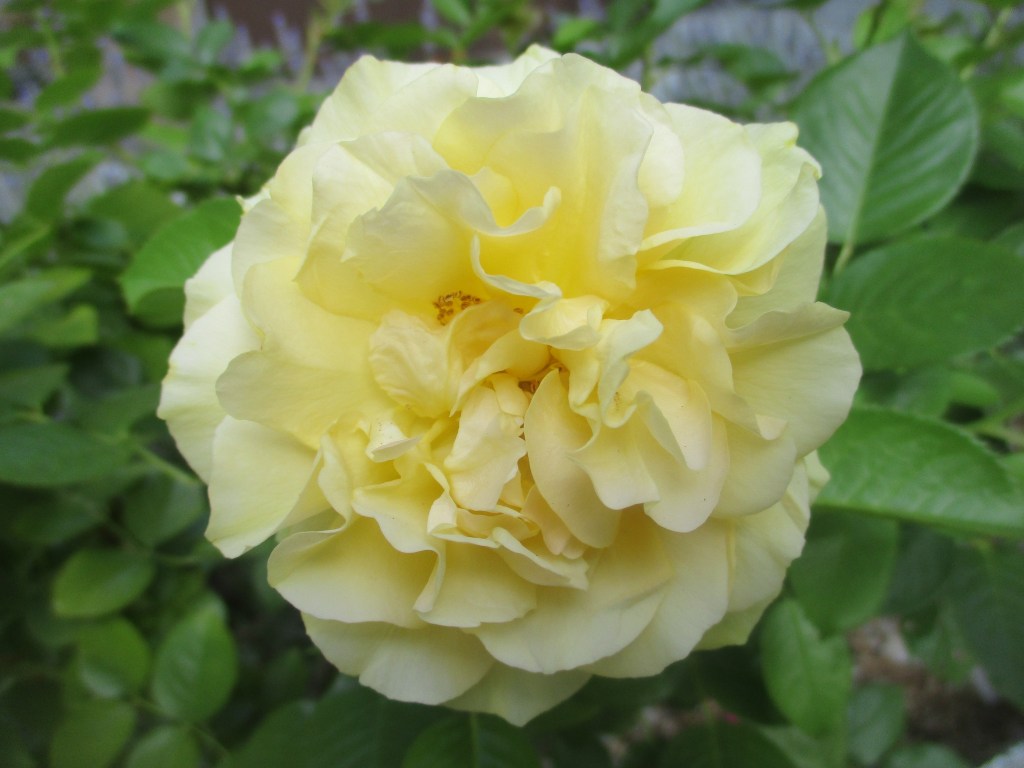
Dormant Pruning For Roses

Proper pruning during winter promotes the best roses during summer.

(This recycled article is eleven years old. Therefore, the event that it describes is no longer relevant.)

Just about anyone can plant roses in the garden, and care for them for at least the first year. Pruning them properly while they are dormant in winter in order to get them to perform satisfactorily every subsequent year is what most of us who grow roses have difficulty with. Like deciduous fruit trees, roses should not be planted and expected to perform with minimal attention. They certainly should not be pruned with hedge shears!

The once modern, but increasingly old-fashioned, hybrid T roses have traditionally been the most common victims of inadequate pruning, since they need such aggressive pruning every winter to prevent overgrowth that interferes with healthy cane growth and bloom. More modern cultivars (cultivated varieties) designed to resemble older roses, as well as reintroduced old fashioned roses are generally not so demanding, but likewise perform best with proper dormant pruning. There are slightly, and not so slightly, different ways to prune the different types of roses. Even the ‘low maintenance’ carpet roses should be pruned to some degree.

Fortunately for those of us who are just learning about roses, the first of several free rose pruning lessons in the San Jose Heritage Rose Garden began this morning, January 4. These hands-on lessons continue at 9:00 a.m. every Wednesday and Saturday until late February. Participants meet in the center of the Garden. The minimum age to attend is sixteen; but minors without parental supervision require a signed minor release form that can be obtained from the Guadalupe River Park Conservancy.

Participants should bring bypass shears, leather gloves, closed-toe shoes and preferably a water bottle. Those who lack shears or gloves can borrow what they need at the Garden. The Heritage Rose Garden is located on West Taylor Street near Walnut Street in San Jose. Parking can be found on Seymour, Taylor or Walnut Streets. More information can be obtained by email to Emily of the Guadalupe River Park Conservancy at emily@grpg.org or by telephoning 298 7657.

The Heritage Rose Garden is the most complete collection of old world roses, the ancestors of modern roses, in the world! Although it lacks modern cultivars, it exhibits a remarkably extensive variety of roses, with all sorts of growth habits. There really is no other garden where one can prune roses with the same basic techniques in so many different ways.

Incidentally, modern hybrid T roses derive their designation from the ‘T budding’ technique employed to attach the scion (upper blooming portion) to the understock (roots), not because the rose hips (fruiting structures) are used to make tea. However, all sorts of roses, including floribundas, polyanthas, grandifloras and all sorts of climbing roses, are budded by the same means; and many hybrid T roses are actually grown on their own roots and not budded onto understock at all. The designation of hybrid T seems somewhat out dated, but is still effective.

Horridculture – Horrid Weather

Alviso in 1983

This is no horticultural gripe, as is traditional here on Wednesday. Actually, it is not much of a gripe at all. It is merely a brief description of the unpleasantries of the current situation here.

Rain is predicted to resume prior to two this morning, and continue almost until tomorrow evening. It is expected to be remarkably voluminous. Strong wind that begins about eleven is expected to continue for a bit more than a day, until about two tomorrow. The ground is already saturated from the major storm on New Year’s Eve, and minor rain afterward. Rain may pause only for Friday, but may then resume for the foreseeable forecast.

This weather could be the worst since the winter of 1982 and 1983. If so, the results would be worse now than they were then. So many more people live here and nearby now. Flooding, mudslides and everything that stormy weather causes will affect many more people than ever before.

The area across the road from here is to be completely evacuated in the morning because of expected flooding. It already flooded on New Year’s Day. A parking lot nearby is already full of cars from that neighborhood.

The burn scar from the CZU Fire two years ago has not yet recovered, so is unusually susceptible to erosion and mudslides.

This sort of weather may be no more than what is normal in ‘average’ climates. It is just more than we are accustomed to in the mild climate here. As I schedule this to post at midnight in about a quarter of an hour, the weather is still pleasant, without indication of what is predicted.

I should get some sleep now. The crew and I will likely be very busy in the morning, and exhausted, cold and wet by noon.

Six on Saturday: 2022 Ends

The year ends with the day, but bad habits continue. I make no resolutions. I continue to collect too much seed, plug too many cuttings and divide too many perennials. Common weeds are not off limits. Canna were already too abundant before more were canned last week. More will be divided later! Cymbidium is not proliferating yet, but has potential to do so after bloom. For now, there is no need to irrigate any of this surplus, since the rain will not stop.

1. Lunaria annua, money plant or honesty, is not quite naturalized within unrefined but damp zones of our landscapes. We collect seed to toss where we think it should perform well. It has become a tradition. The name implies that it is native to the Moon, and that, like 2022, lasts only one year. These seed in key envelopes are for whomever takes them.

2. Canna ‘Australia’ are bloomed canes that I groomed from the downtown planter box, as seen last week. There are a dozen #5 cans of four canes, and six #1 cans of two canes! More pups must be thinned later! Also, I will soon dig even more cannas for a neighbor!

3. Bellis perennis, English daisy is naturalized in the vast lawn at Felton Covered Bridge Park. I have no use for it, but plugged a dozen solitary rosettes in with the Canna canes.

4. Sambucus nigra ‘Black Lace’, black elderberry should generate a bit of fruit without a pollinator, but is merely pretty here. I plugged a few cuttings because its darkly bronzed foliage works so well for our landscapes. Native blue elderberry produces plenty of fruit.

5. Cymbidium orchid is extending quite a few floral spikes. I have not counted them yet.

6. Morgan was reminded why no one craves his parking space. Rain is splendid though!

This is the link for Six on Saturday, for anyone else who would like to participate: https://thepropagatorblog.wordpress.com/2017/09/18/six-on-saturday-a-participant-guide/

Six on Saturday: Memorial Trees +

Goodness! Not only did I not get good pictures of these Memorial Trees, but I needed to add two unrelated pictures for a total of Six on Saturday. Perhaps fewer Memorial Trees are better than more. Sadly, another must be added as space becomes vacated. Anyway, the first picture is something I am quite pleased with. The sixth complies with tradition. Links have more information about the Memorial Trees at my other blog, Felton League.

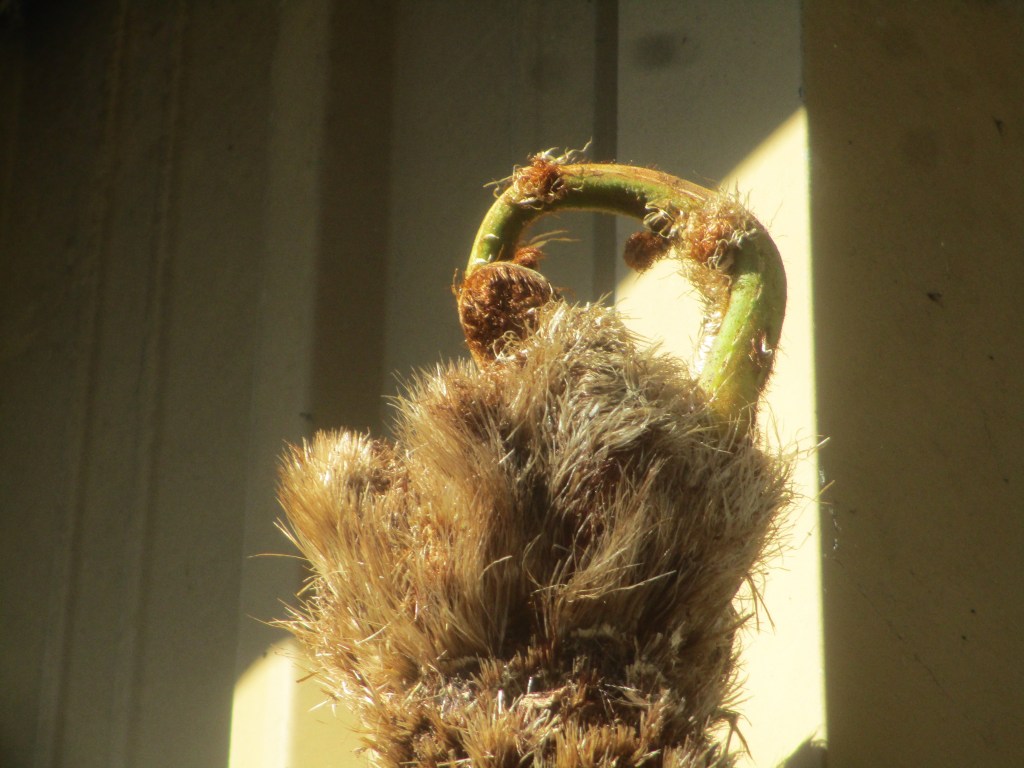
1. Australian tree fern, Cyathea cooperi, was relocated from my former neighborhood in town. It may not look like much, but the trunk, which is not visible here. is nine feet tall!

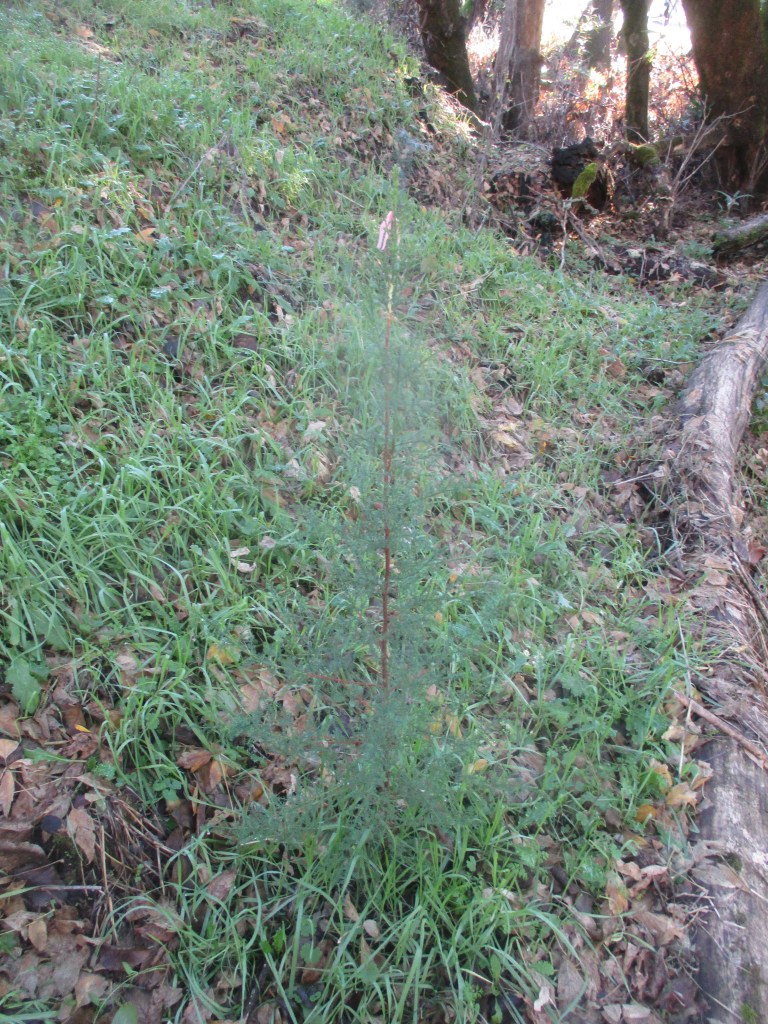
2. Steven Michael Ralls Memorial Tree was the first Tree of the Memorial Grove when it was installed on May 2, 2020, the third anniversary of his death. It is now about six feet tall, and inhabits a site that was formerly inhabited by Mr. Ralls while he was unhoused.

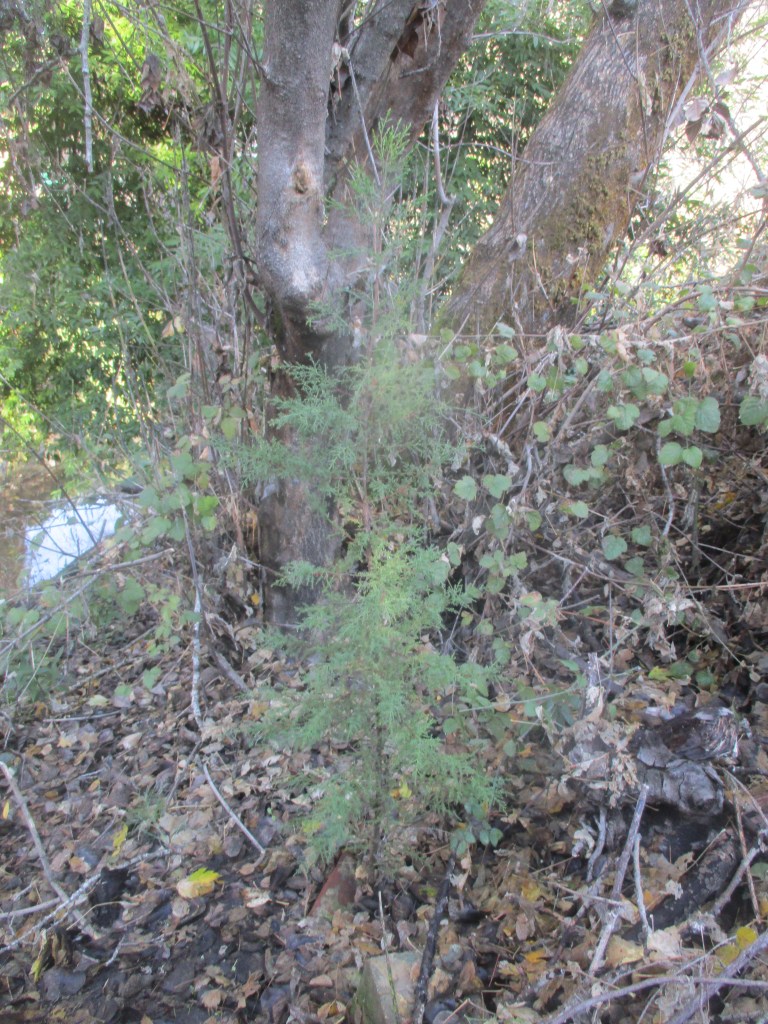
3. David Noel Riddell Memorial Tree was installed quite a while after Mr. Riddell passed away, so it is only about three feet tall. Incidentally, Mr. Riddell is a direct descendant of some of the first Spanish people to arrive in Monterey where Monterey cypress is native.
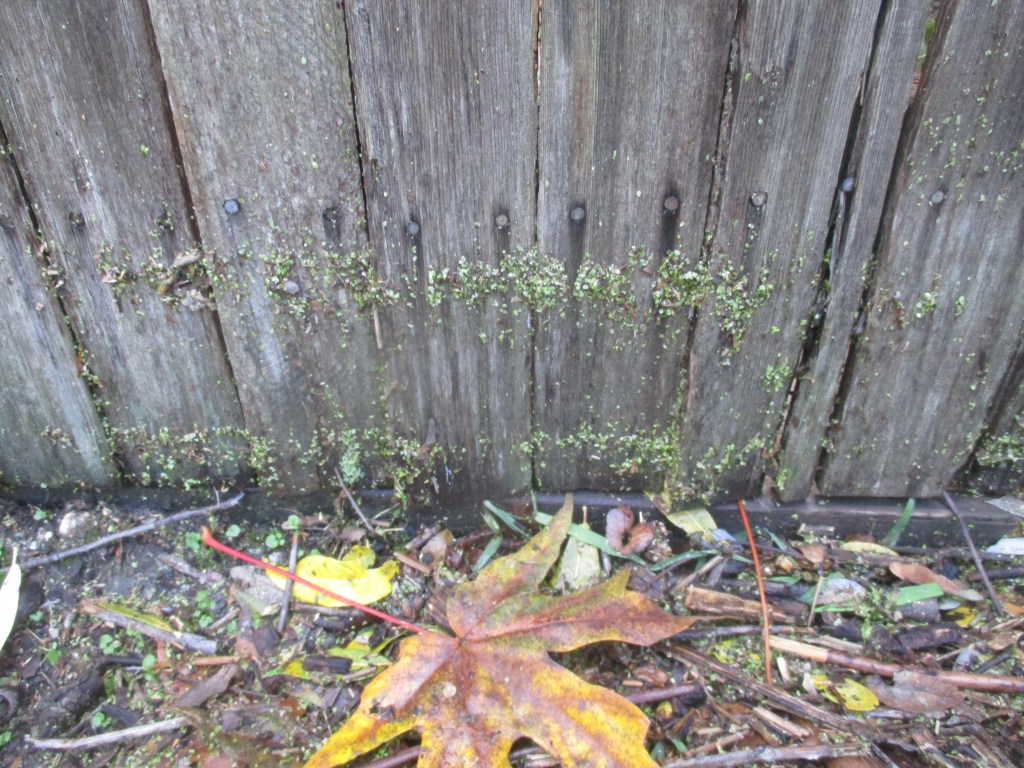
4. David Fritiof Lindberg Memorial Tree was installed shortly after Mr. Lindberg passed away on November 13, 2021, and in conjunction with The David Noel Riddell Memorial Tree. It is only about four feet tall. All three of those Memorialized were mutual friends.
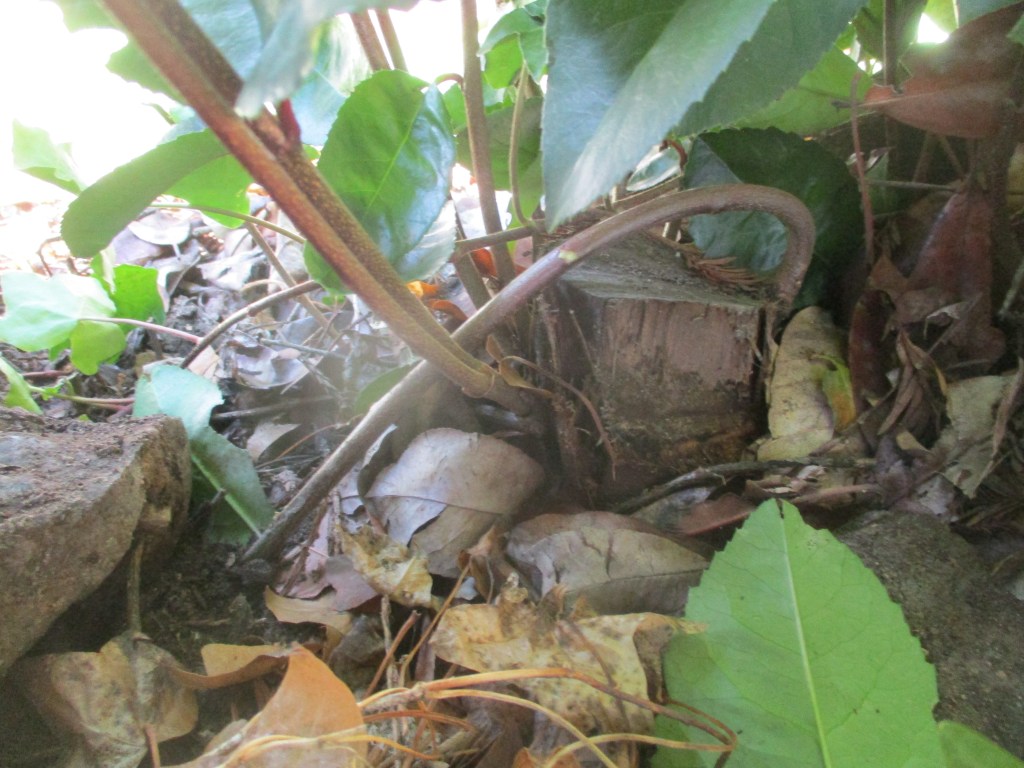
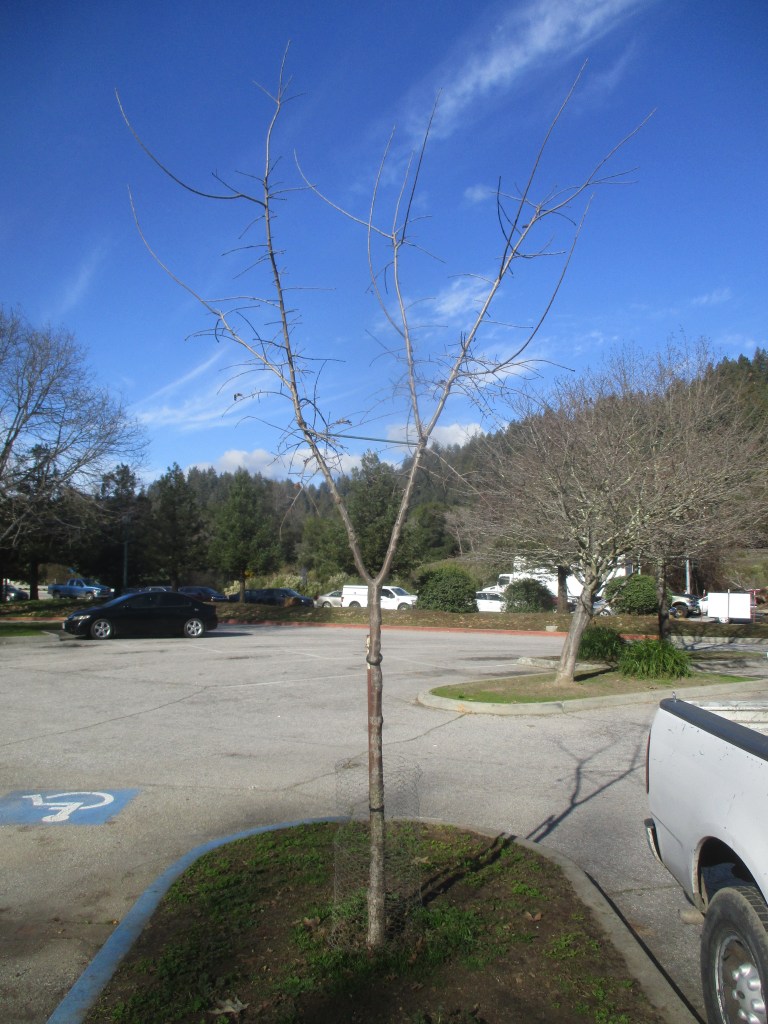
5. Jeffrey Dale Scofield Memorial Tree became The Memorial Tree after a few friends of the Memorialized passed away within only a few years afterwards. It is maturing nicely!

6. Canna ‘Australia’ in the downtown planter box remain lush after harsh grooming, and after those at work were frosted. Of course, this picture is not actually about this Canna.

This is the link for Six on Saturday, for anyone else who would like to participate: https://thepropagatorblog.wordpress.com/2017/09/18/six-on-saturday-a-participant-guide/

Six on Saturday: Sale

We do not spend much on plant material here. Actually, I purchase nothing. Removal of excessive vegetation is more of a priority than adding more. We purchased quite a bit of plant material this last week only because it was so very inexpensive from a supplier that is closing for business. All of it is new to our landscape. New Zealand tea tree is common locally, but was somehow never installed here. We got a single #15 specimen, although I did not add a picture of it here. We would prefer to install all of the new material early in the rainy season. By local standards, the weather is too cool to do so comfortably.

1. Frost happens here also. Fortunately, it is not too severe. This is the coolest spot in the region. Rhody should not mix randomly capitalized letters like this. ‘E’ should match ‘e’.

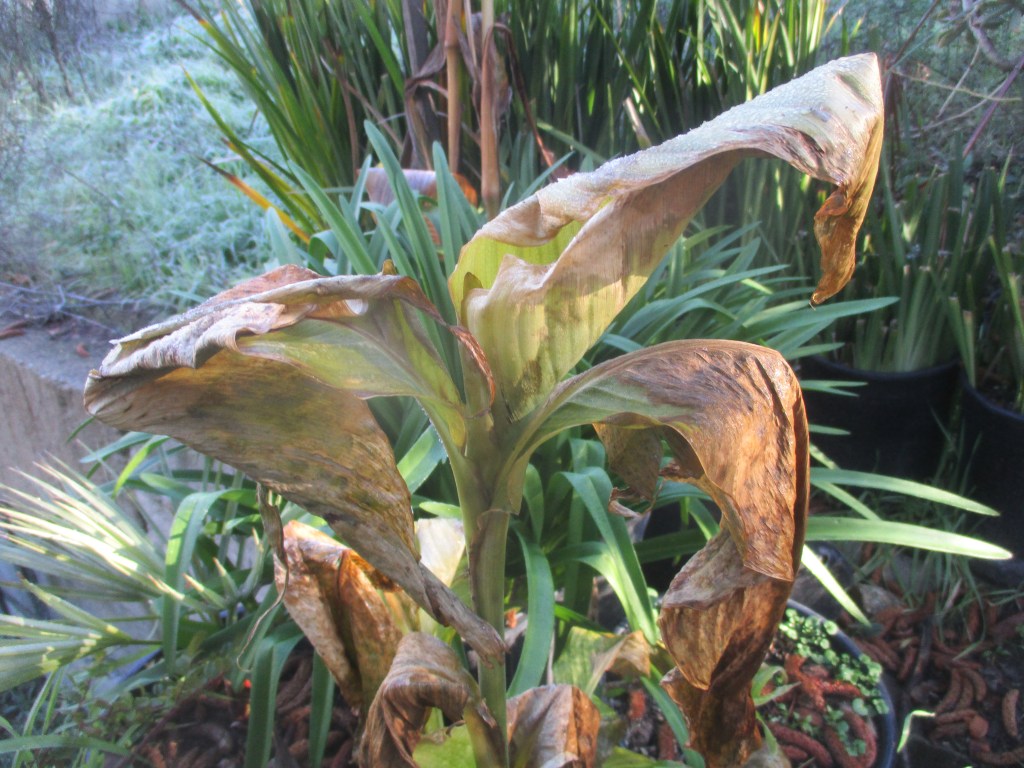
2. Canna ‘Red King Humbert’ melts when the weather gets this cool, even without frost. It is already trying to replace this foliage, so might melt again, but will be fine by spring.

3. Dicksonia antarctica, Tasmanian tree fern could perform better than the rather pekid Australian tree ferns in a cool and riparian landscape. We got only a single #5 specimen.

4. Physocarpus opulifolius, ninebark is the first that I have ever met! It is bronzed, but I do not remember its cultivar. It is too cool to go look now. We got twelve #15 specimens.

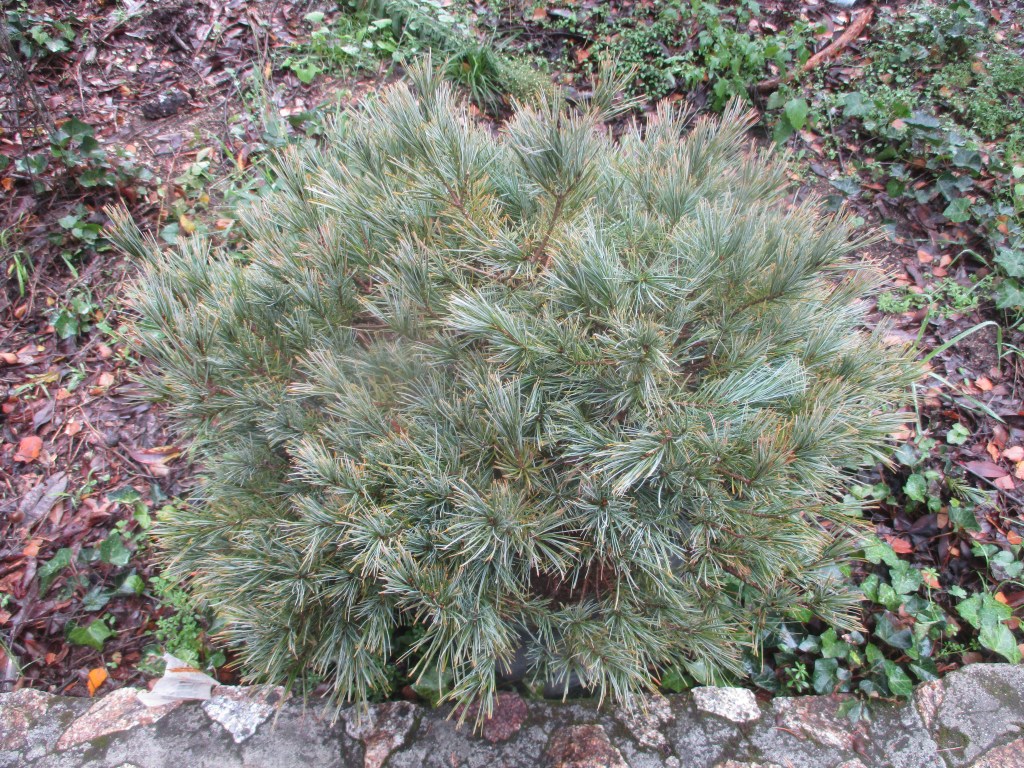
5. Pinus mugo, mugo pine looks like a smaller and greener version of mature specimens of dwarf white pine of last week. They eventually get bigger. We got thirty #5 specimens.

6. Picea abies ‘Nidiformis’, bird’s nest spruce will not be combined with mugo pine here. I was warned about their redundancy of form last week. We got forty-two #5 specimens!

This is the link for Six on Saturday, for anyone else who would like to participate: https://thepropagatorblog.wordpress.com/2017/09/18/six-on-saturday-a-participant-guide/

Six on Saturday: Before Winter

Autumn is the season for planting. For portions of the landscapes that lack irrigation, we must wait until the beginning of the rainy season. By the time the rainy season ends next spring, new plants should be outfitted with irrigation, or sufficiently established to need none. Now that the weather got rainy, as well as windy and messy, planting is facilitated by a sale at one of our suppliers. We normally do not purchase much, but the prices were too good to ignore. I did not get enough pictures, so added random pictures, such as the shabby bearded iris foliage. The important details of #5 are difficult to distinguish.

1. Scout at least tried to cooperate for a picture, which is more than Rhody does. He just does not know how to cooperate. He was too wiggly to get a picture that was not blurred.

2. Cedrus atlantica ‘Glauca Pendula’, weeping blue Atlas cedar is an oddly limber trophy tree that my colleague here had wanted for a while, but could not justify procurement of.

3. Pinus strobus ‘Nana’, dwarf Eastern white pine was not planned, but like the weeping blue Atlas cedar, was unusually affordable. There are eight in a row. Mugo pine are next.

4. Iris X germanica, bearded iris start growing prior to shedding old foliage of last year, so now look shabby. This is the pallid white and potentially feral iris in the new iris bed.

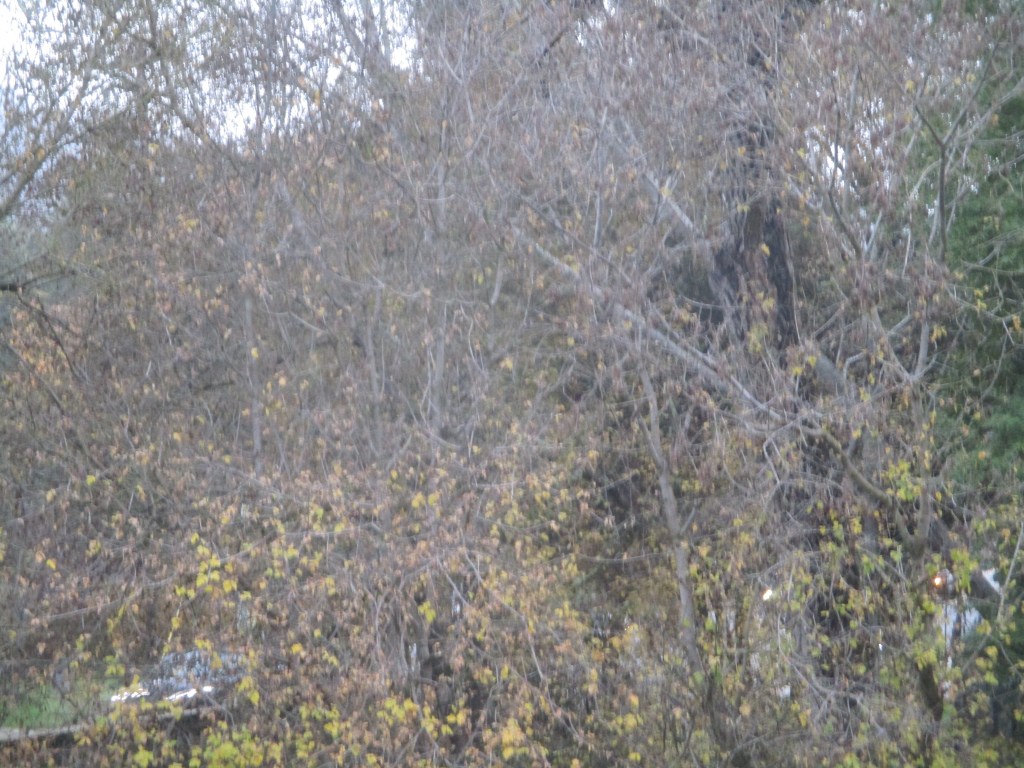
5. Wind is messy! Those two diagonal trunks just above and to the right of the middle of this picture were not diagonal earlier. Those headlights to the lower left are on a bridge.

6. Rain is messy also! This is a spillway of a drainage pond at work. While the sycamores and other deciduous trees continue to defoliate, it can get partially clogged and flooded.

This is the link for Six on Saturday, for anyone else who would like to participate: https://thepropagatorblog.wordpress.com/2017/09/18/six-on-saturday-a-participant-guide/

These four pictures below are not affiliated with the Six on Saturday above, but at the request of one of his most enthusiastic fans, were added to compensate for the lack of a picture of Rhody, the star of my blog. I had assumed that he was being uncooperative with my attempts to get a good picture, but he reminded me of what his fans really want to see. Can you guess what the last picture shows?

Six on Saturday: Bad Timing

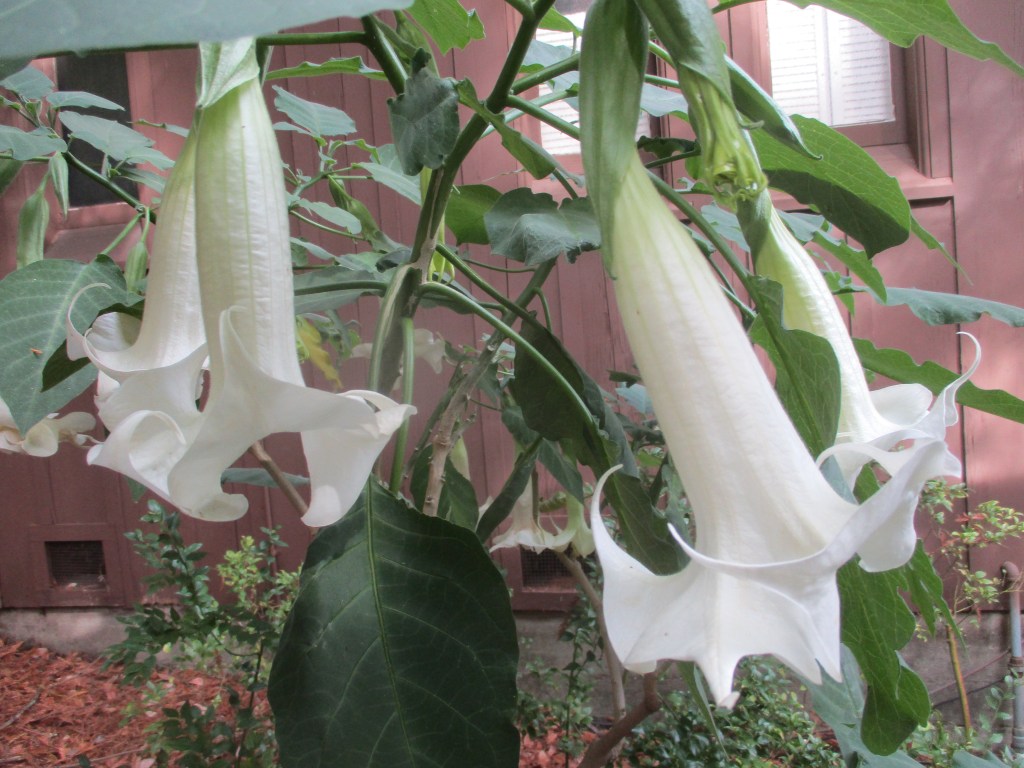
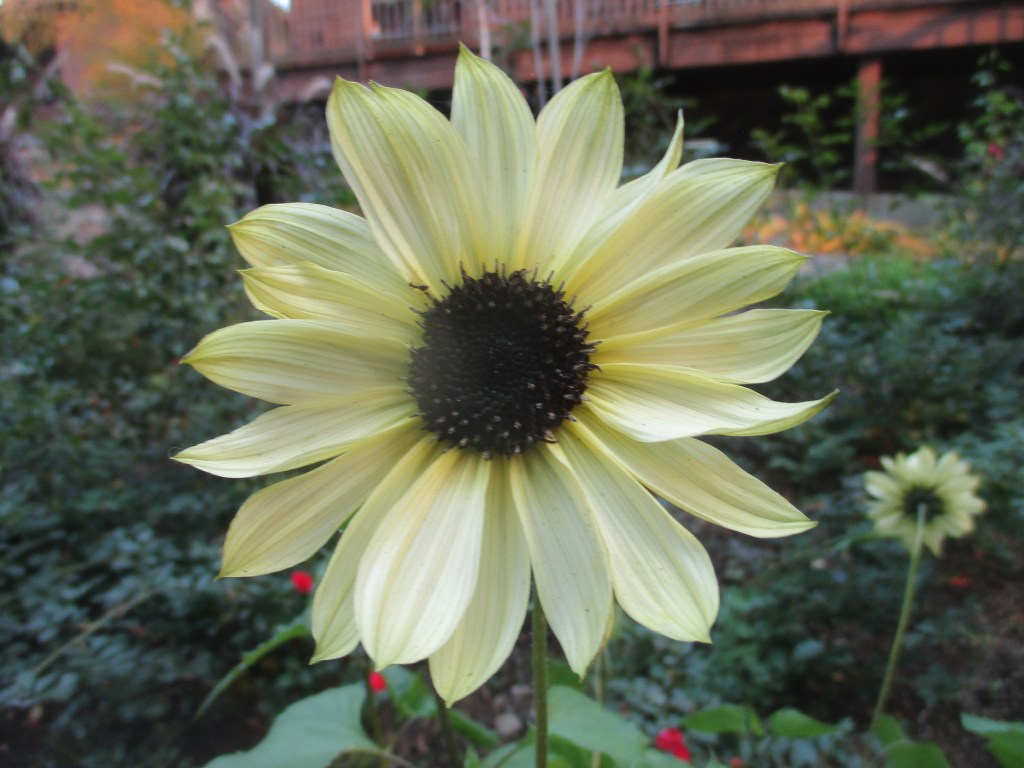
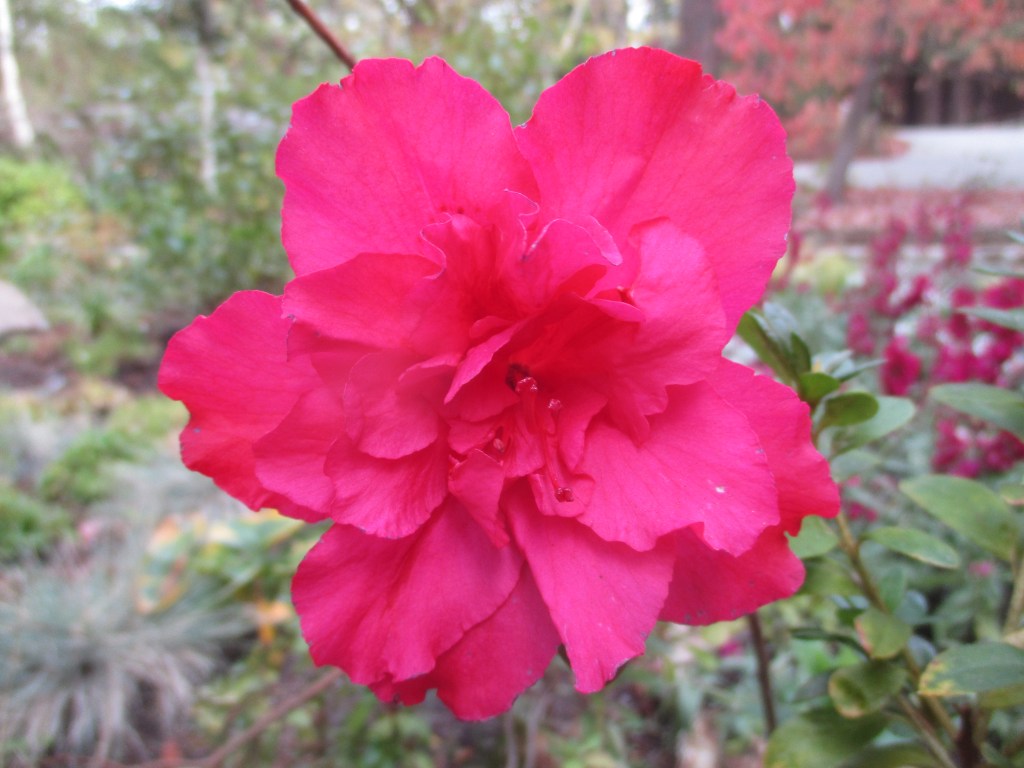
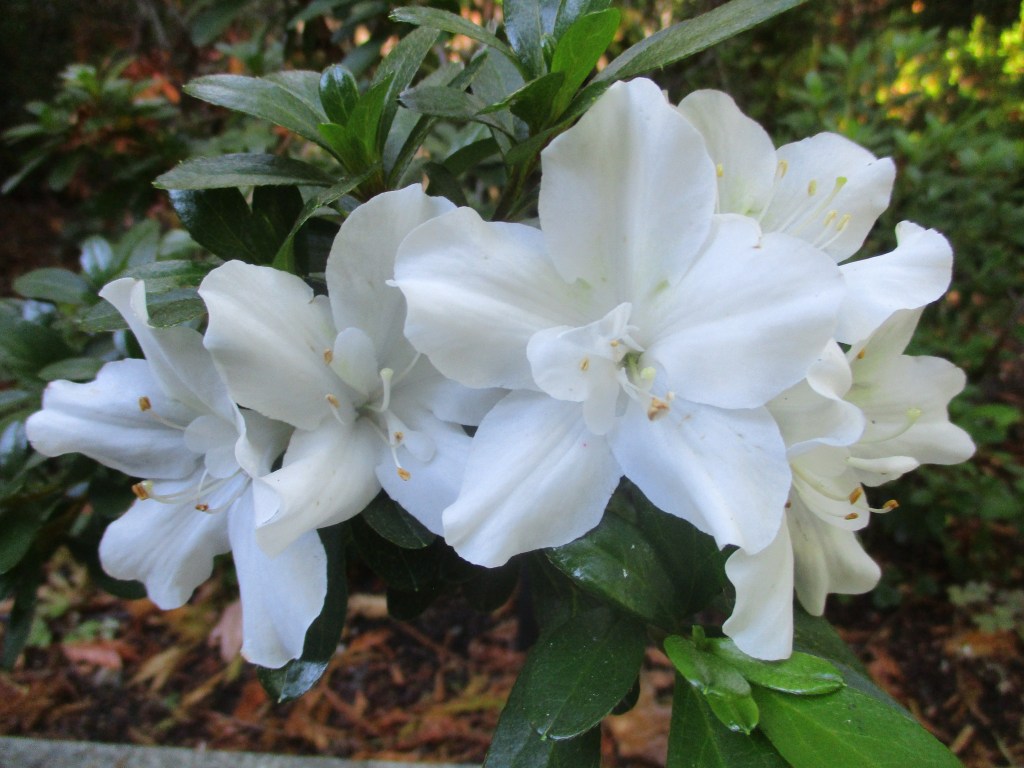
The preponderance of white amongst these ‘Six on Saturday’ is merely coincidental, and might not be obvious anyway. Only #2 and #4 are actually white. Contrary to its cultivar name, #3 is really very pale yellow. As stylish as he might be, #6 is quite obviously gray. #1 bloomed with tiny white flowers earlier, but its berries are now as red as #5. Anyway, with the exception of #1, their timing is less than ideal. #2 and #3 are performing better than they have all year, but will not last for long now that the weather is cooling. #4 and #5, although slightly confused, should still bloom splendidly in season. #6 was not there in the morning.

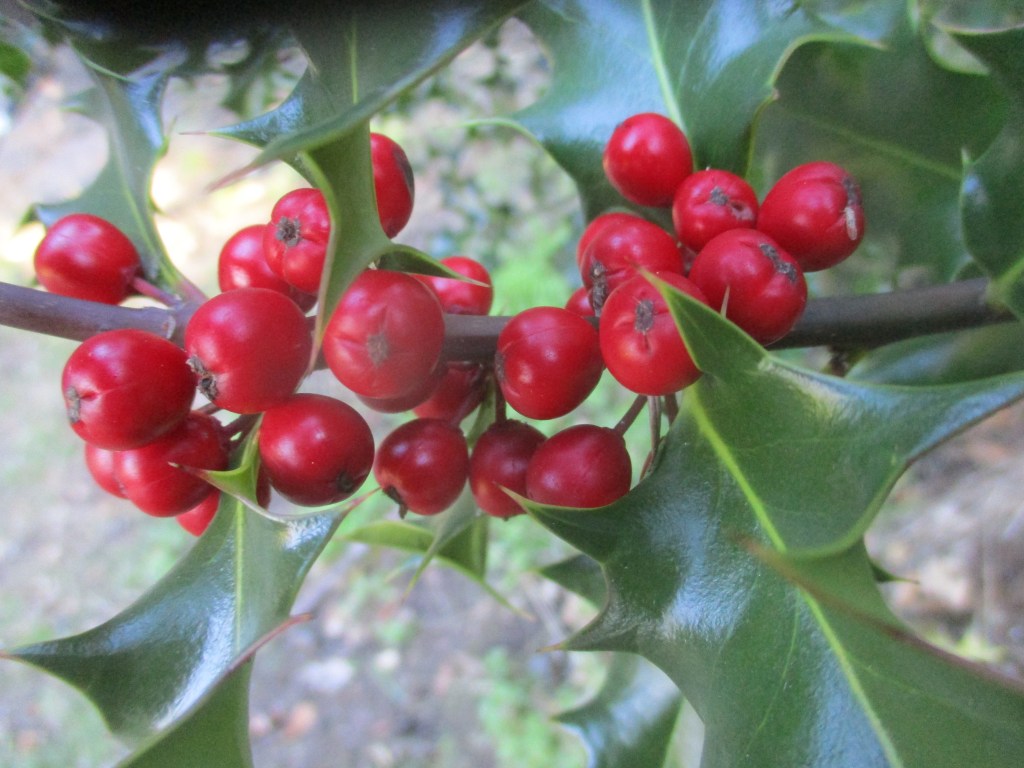
1. Ilex aquifolium, English holly is doing nothing that it should not be doing at this time of year, but is rarely so prolific with its berries here. It might be more invasive if it were.

2. Brugmansia X candida ‘Double White’, double white Angel’s trumpet is likewise a bit more enthusiastic than it typically is, but at the wrong time, as autumn becomes winter.

3. Helianthus debilis ‘Italian White’, Italian white sunflower is blooming like the angel’s trumpet, at the wrong time. It grew slowly through summer to begin blooming this late.

4. Rhododendron, azalea of an unidentified cultivar is either very late or very early. This unseasonal bloom deducts from the bloom for the following season, but is rather minor.

5. Rhododendron, azalea of another unidentified cultivar bloomed even earlier, or not so late, as this is an older picture. The minor consequences are the same. This white is rad!

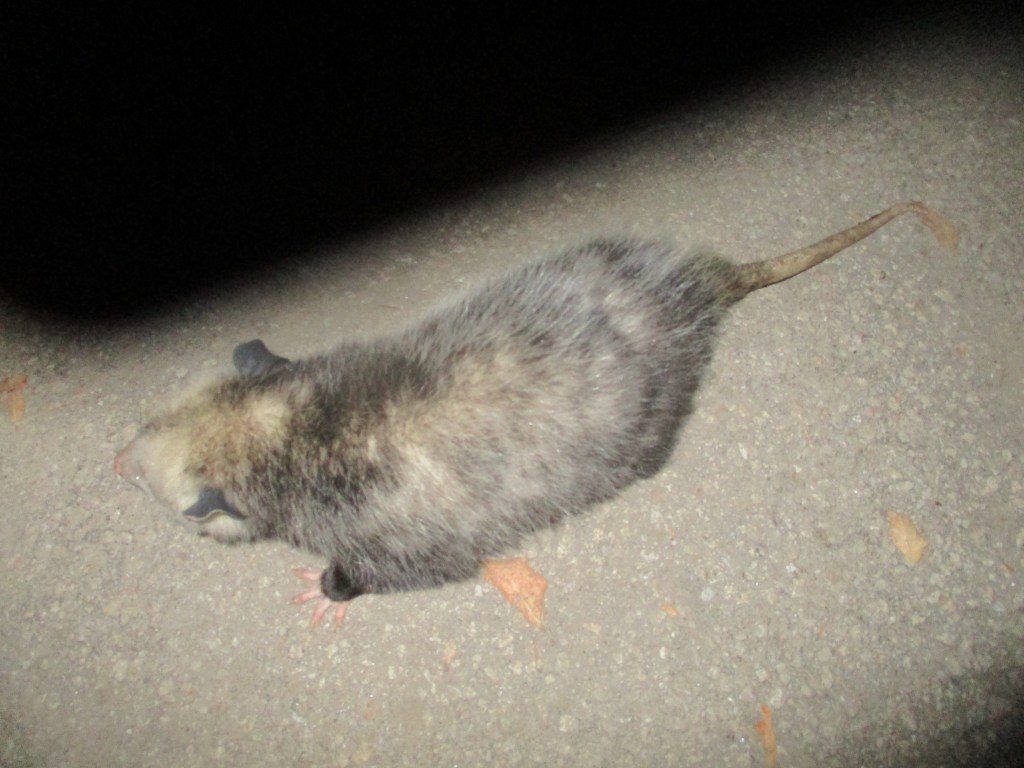
6. Kenny II waddled out to meet me as I went out to close the gates for the night, but did not seem to do so intentionally. He stopped waddling when he encountered me, so I left.

This is the link for Six on Saturday, for anyone else who would like to participate: https://thepropagatorblog.wordpress.com/2017/09/18/six-on-saturday-a-participant-guide/

Six on Saturday: New Photinia

Renovation of an old photinia hedge on the main road at work has been more work than it should have been. It was too overgrown for simple shearing. I pruned it up as a row of small trees, with the intention of eliminating their upper canopies as basal watersprouts grew upward from the newly exposed trunks below. Well, water sprouts did not grow as readily as I hoped for. The trees were cut down while the hedge below was still scrawny. As planned, I layered a tall water sprout as a replacement for one of two missing shrubs, but needed to replace the other with the naturally layered specimen from another hedge. (Layers develop roots where they touch soil, while attached to their original specimens.)

1. Rain! The first storm of the season came and went about two weeks ago. The drainage pond flooded about two feet over its spillway! This duckweed was left on a nearby fence.

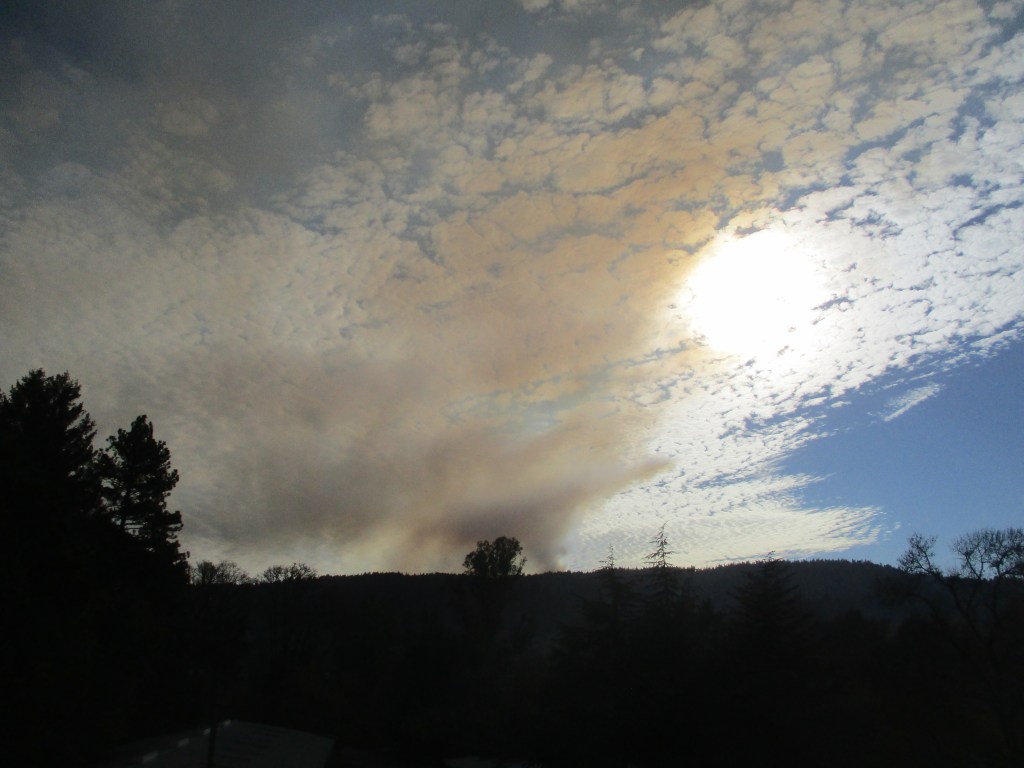
2. Controlled burns resume now that the beginning of the rainy season is also the end of the fire season. There has been no more rain since the first storm, but forests are damp.

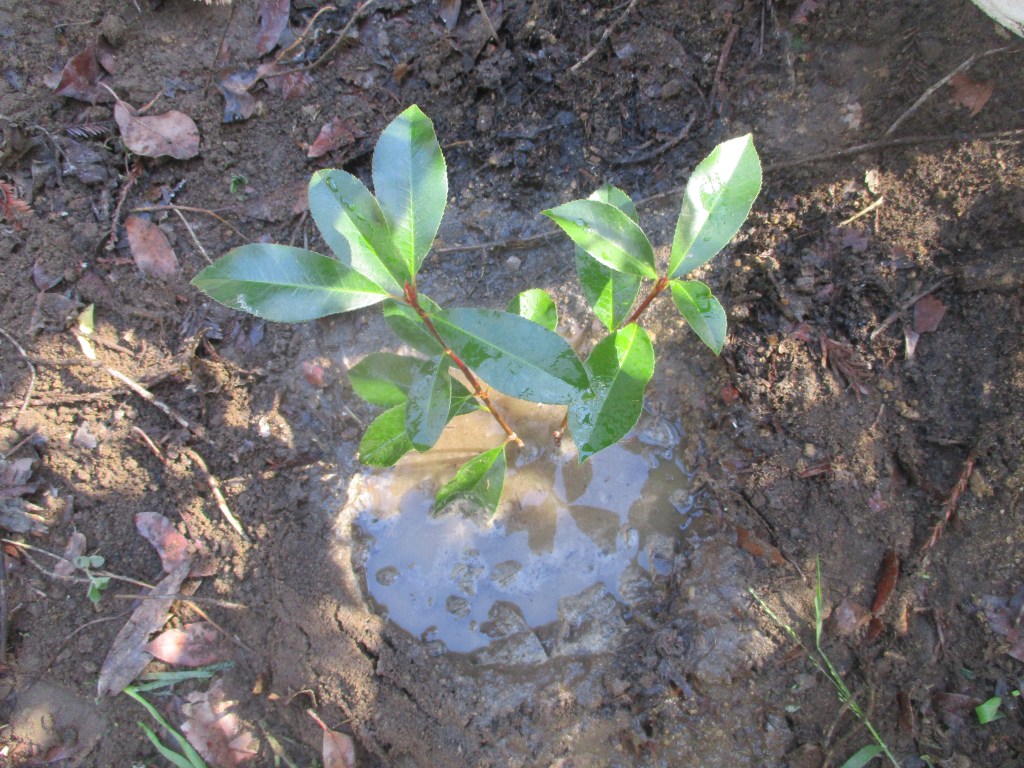
3. Damp ground and cooler weather facilitate planting within areas that lack automated irrigation. This layered photinia stem got relocated from one old hedge to patch another.

4. It was not enough though. To compensate for lack of another, I simply made a second layer by bending over and mostly burying a vigorous water sprout of an adjacent stump.

5. A new photinia can now grow where the tip of the mostly buried water sprout emerges from the soil. I am very pleased with the very uniform spacing of all specimens involved.

6. Meanwhile, I plugged a rooted sucker of an ungrafted historic flowering cherry within the decayed center of the stump of the now deceased original tree. It could replace itself!

This is the link for Six on Saturday, for anyone else who would like to participate: https://thepropagatorblog.wordpress.com/2017/09/18/six-on-saturday-a-participant-guide/

Six on Saturday: Zinnia

Zinnia are enviable. They seem to perform exemplarily for everyone else and everywhere else. They have never done well for me though. I can not explain why. I stopped trying to grow them many years ago, but I encounter them at work, where the other horticulturist grows some as warm season annuals. This year here, some performed reasonably well as bedding plants, and a few more bloomed impressively within a pair of half wine barrels. They are done now that the weather is cool, but I got a few pictures of them as they were removed and replaced with pansies for winter.

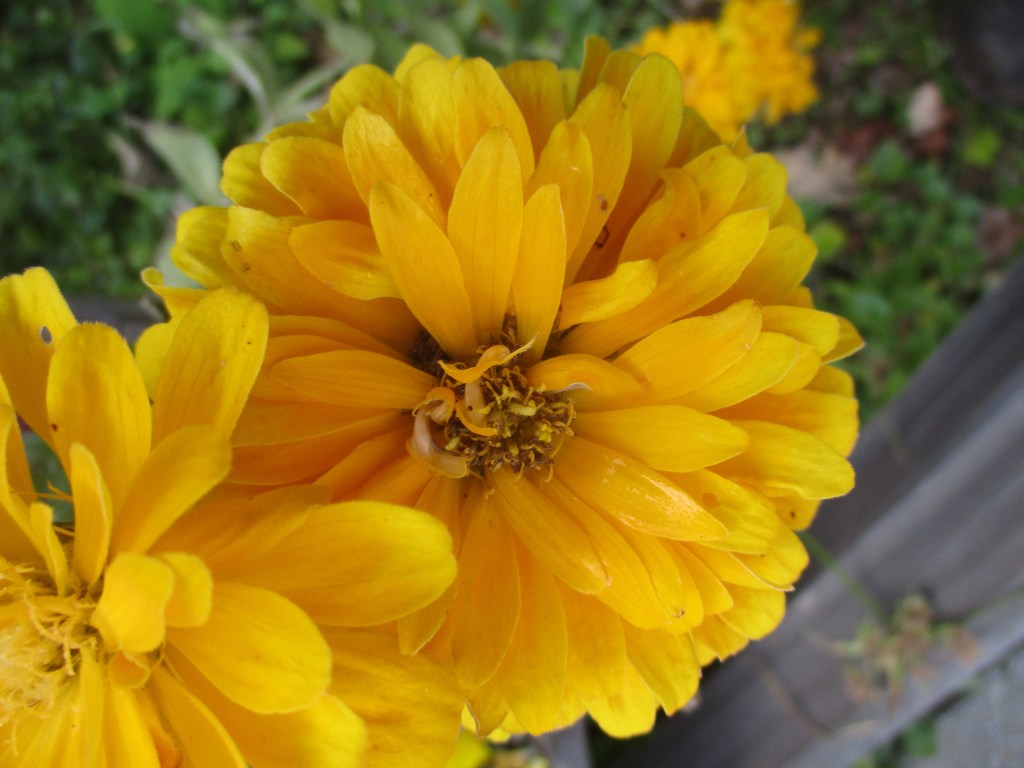
1. Yellow is a primary color, but the scarcest among the few prolific zinnia that grew in a pair of half wine barrels through summer. Only one of the ten zinnia here bloom yellow.

2. Orange is a secondary color between yellow and red, but is a bit more abundant in our barrels than either yellow or red. Maybe three or so of the ten zinnia here bloom orange.

3. Red is another primary color, which is beyond orange from yellow. Perhaps two or so zinnia bloom red, but they are less profuse than those that bloom pink, orange or white.

4. Pink is not really a color, but is merely a tint of red, or red mixed with white. Only two of the ten zinnia here bloom pink, but they are bigger and more profuse than the others.

5. White should be my favorite, but to me, seems to be mundane relative to other colors. Two of the ten zinnia bloom white, but they are neither prominent nor prolific in bloom.

6. Rhody is as unimpressed with our unusually florific zinnia as he is uncooperative with my attempts for a good picture of him. Fortunately, even a bad picture of Rhody is good.

This is the link for Six on Saturday, for anyone else who would like to participate: https://thepropagatorblog.wordpress.com/2017/09/18/six-on-saturday-a-participant-guide/

Six on Saturday: Memories II

Like my Six on Saturday from last week, these Six are described in reverse chronology of their approximate acquisition. My first two were acquired only within the last two years, so do not yet have much history with me. The last was actually acquired prior to the first of last week, and in conjunction with the second of last week, so is not exactly compliant with chronology. The fourth and sixth would have been more interesting in bloom. They all represent memories for me regardless, like almost all of the inhabitants of my simple garden. I notice them more at this time of year, while I work with them more.

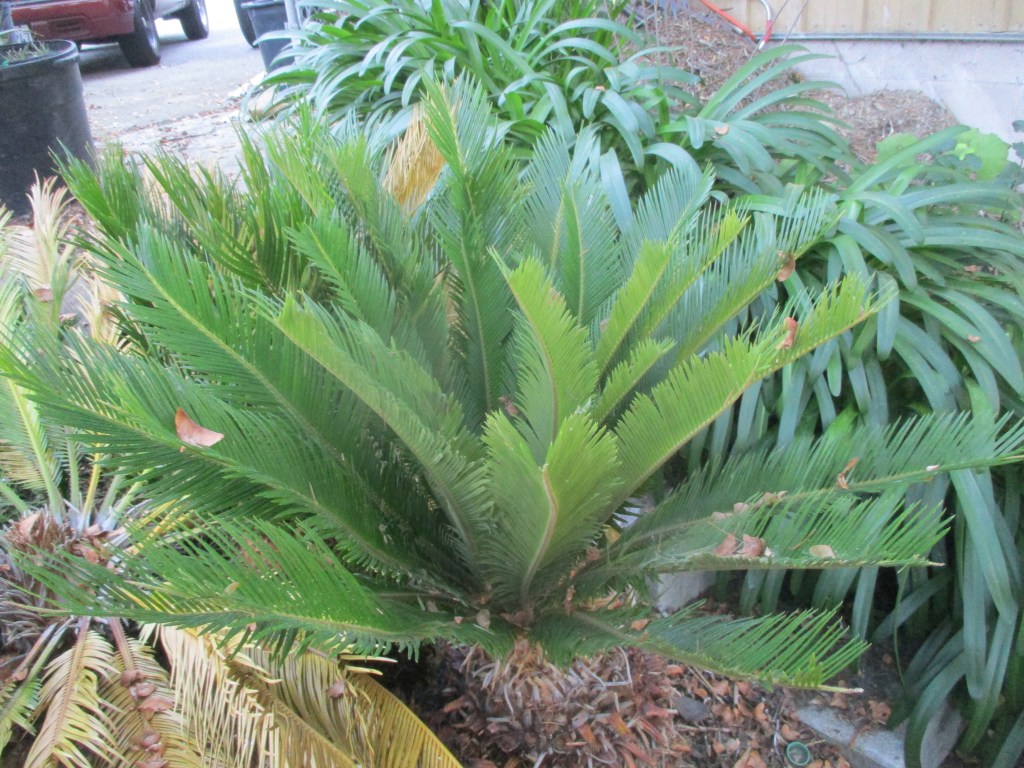
1. 2021 Cycas revoluta, sago palm is another of several excellent items that I got for free on Craigslist. It got cut into too many pieces for relocation. All but a few are now rooted.

2. 2020 Gladiolus murielae, Abyssinian gladiolus is native to Abyssinia, not an abyss. It came here from the garden of a neighbor though. I had wanted to grow it for a few years.

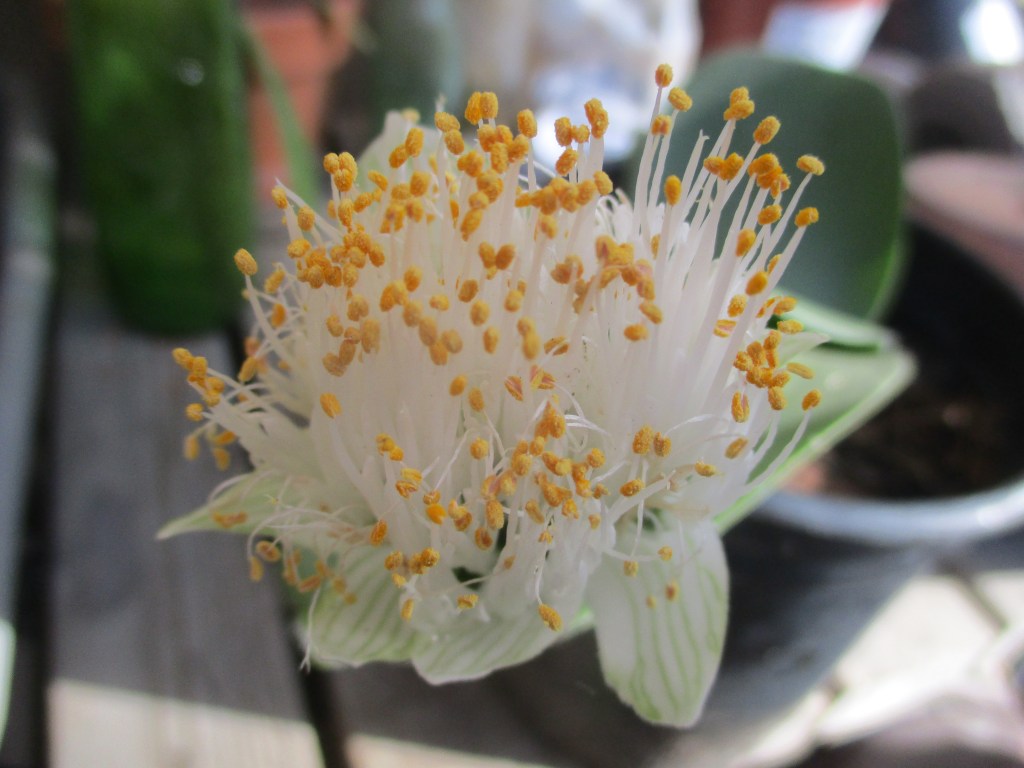
3. 2015 Haemanthus albiflos, white blood lily came from a garden of an elderly client in Santa Clara who was quite fond of it. That is why I am so fond of it, even if unimpressed.

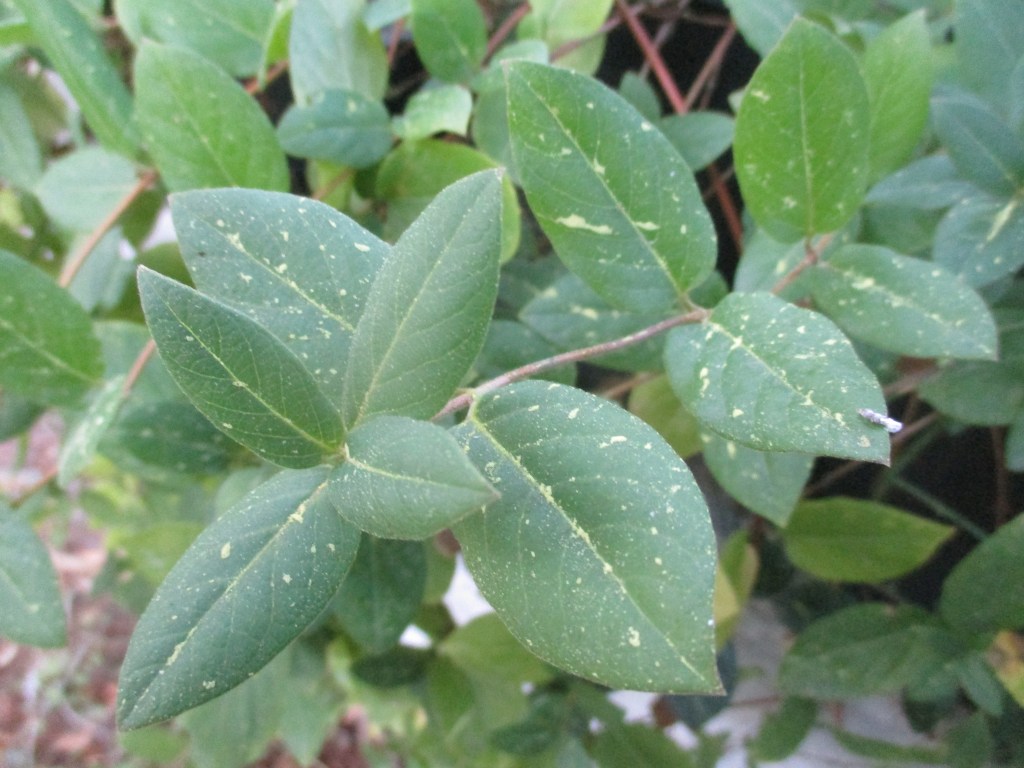
4. 2012 Lonicera albiflora, white honeysuckle is one of many souvenirs from Oklahoma. Most were seed. This and only a few others were live plants. It has grown very well here.

5. 1990 Chamaedorea seifrizii, bamboo palm was one of the first houseplants that I took from Brent when I moved into my apartment in town after the Loma Prieta Earthquake.

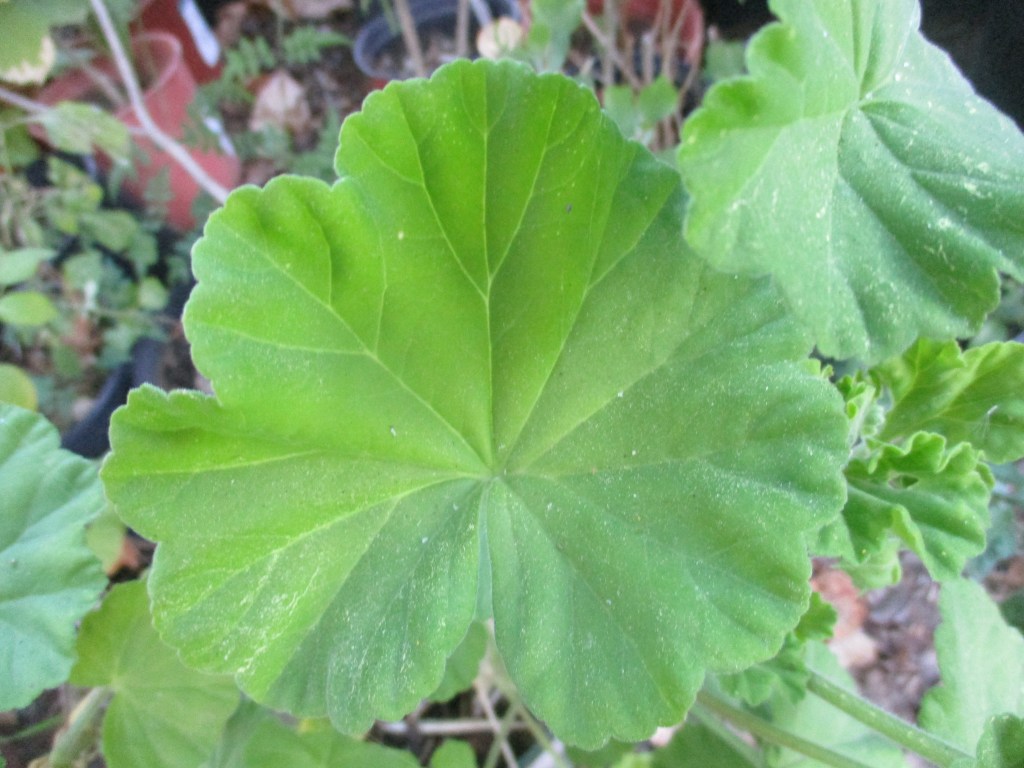
6. 1982 Pelargonium hortorum, zonal geranium without a zone gets big and weedy with hideously bright pink bloom. It grew wild with the crocosmia #2 of the Six for last week.

This is the link for Six on Saturday, for anyone else who would like to participate: https://thepropagatorblog.wordpress.com/2017/09/18/six-on-saturday-a-participant-guide/