 The common name sounds funny, but it is easier to pronounce then than the Latin name. Mulla mulla, Ptilotus exaltus, is an Australian species that has been locally available longer than its limited popularity suggests. It may seem to be more peculiar than it is because it is grown primarily by specialty growers, who happen to grow many cool plants that should be more popular than they are.
Like many species that are grown as annuals, the mulla mulla is really a short term perennial that can perform for a few years, but is unfortunately more often grown as a warm season annual. It will finish blooming soon, but if left in the garden through winter dormancy, young plants should resume in about April or May. It can succumb to frost if the weather gets cold enough through winter.
Although it can survive with less, mulla mulla prefers somewhat regular watering, and good sun exposure. New spring growth develops rather vigorously without getting much more than half a foot high and wide. Fuzzy cylindrical blooms that stand above the foliage are about three inches long. Floral color is pinkish mauve, with a silvery sheen. Deadheading promotes subsequent bloom.
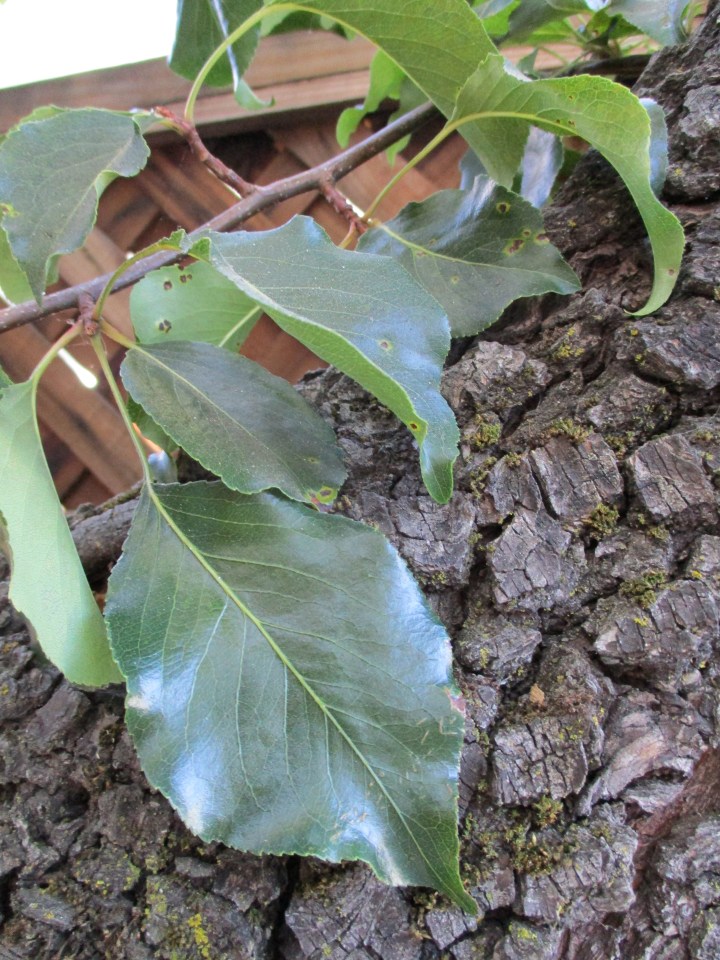 If it were not so seriously susceptible to fireblight, the evergreen pear, Pyrus kawakamii, would be a practical evergreen shade tree for small garden spaces. Mature trees do not often get much taller or wider than twenty five feet. Aggressively pruned trees that do not bloom much are less susceptible to fireblight. Regularly groomed trees can live with fireblight for many years or decades.
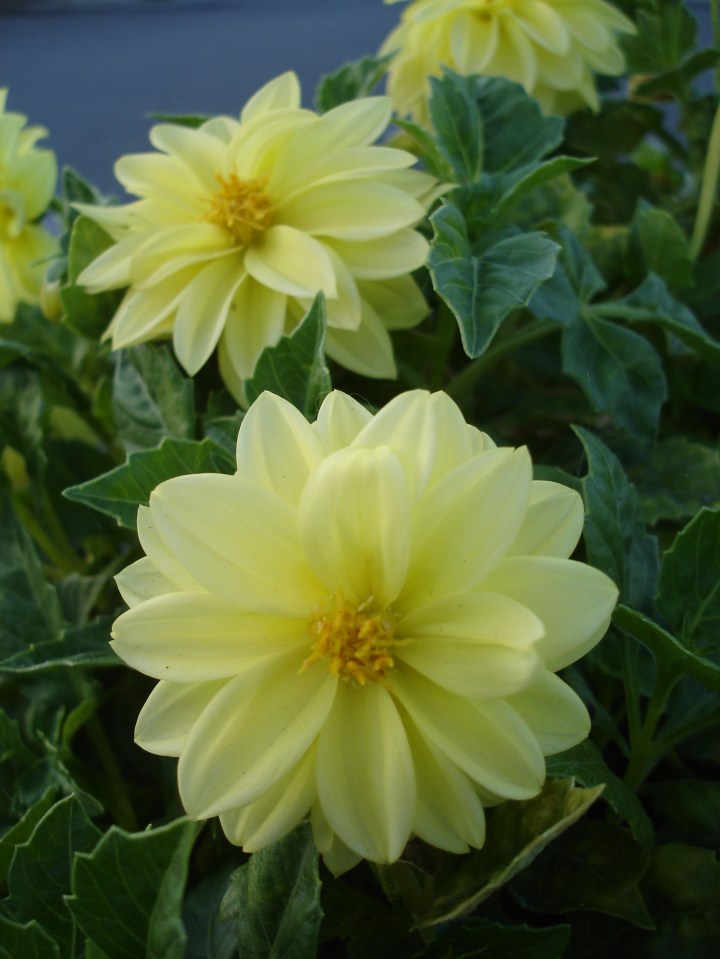 They are really just smaller versions of the larger perennial dahlias that are grown for their big bold flowers and flashy colors. Technically, annual dahlias produce smaller versions of the same perennial roots that can survive through winter to regenerate the following spring. Yet to most of us, it is easier to purchase new plants in spring than to grow new plants from stored roots.
 The most popular hardwood in California is essentially unavailable in nurseries. California black oak, Quercus kelloggii, provides between a quarter and a third of the hardwood timber harvested in California. One would not know it by its sporadic appearance within mixed forests of the Coastal Ranges. It is much more common in the Sierra Nevada, which might be why no one grows it.
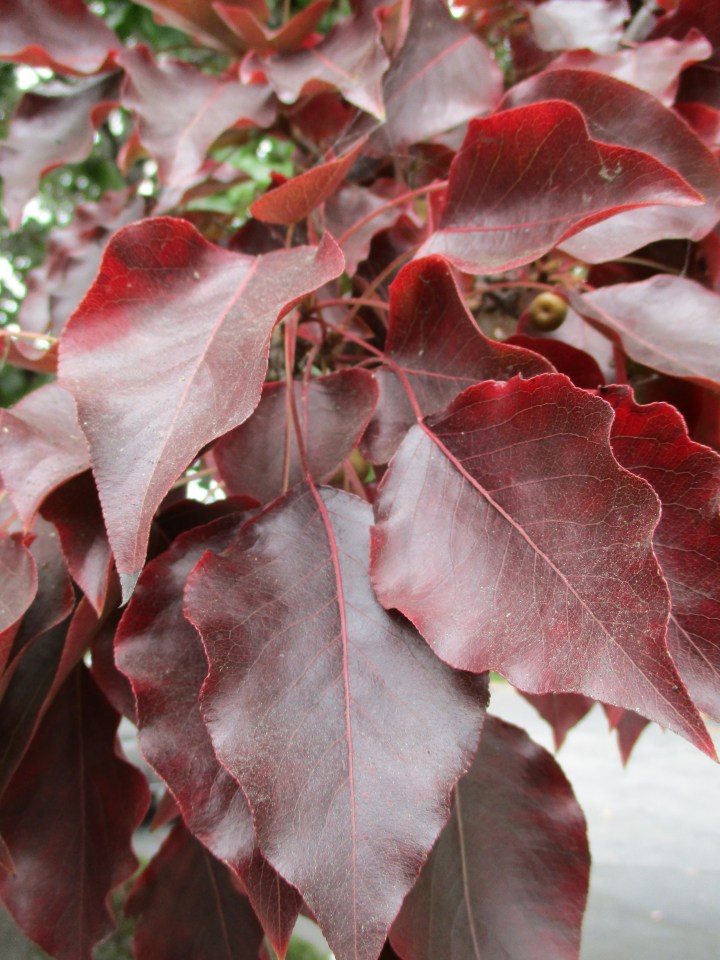 Now that they have been so popular for so long, the deficiencies of flowering pear, Pyrus calleryana, (which is also known as Callery pear), are becoming increasingly evident. The dense branch structure and compact form that are so appealing while trees are young compromise structural integrity as trees mature. Symmetrical trees can be severely disfigured if limbs get broken by wind.
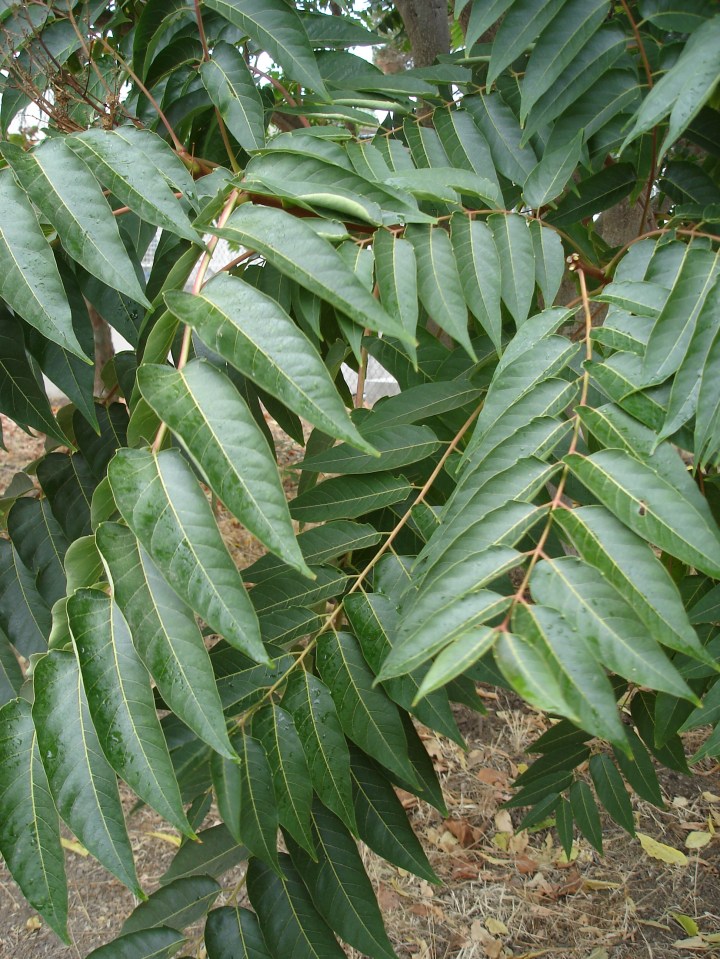 ‘A Tree Grows In Brooklyn’ documents the resiliency and invasiveness of the common but typically undesirable tree of Heaven, Ailanthus altissima. Once a single female tree get established, the extremely prolific seeds get everywhere, including cracks in concrete. The resulting seedlings conquer wherever they are not dug out. If cut down, they just resprout from the roots.
 The first half of the name sound appealing enough. The second half, not so much. Do the seeds grow into snails? Do they just look like snails? Not many have seen them. Tiny pale white flowers that are supposed to bloom in spring, as well as small black berries that develop after bloom, are rare. Laurel-leaf snailseed, Cocculus laurifolius, is grown just for its glossy evergreen foliage.
 They sure took their time getting this far along. The bluish green succulent foliage of showy stonecrop, Hylotelephium spectabile, (formerly Sedum spectabile) first appeared at ground level in early spring, and has been growing into rounded mounds so slowly that it now stands less than three feet high and wide. Smaller types are half as big. Blooms are only now beginning to turn color.
 With indiscriminate pruning, glossy abelia, Abelia X grandiflora, will never develop its natural form, with elegantly long and thin stems that arch gracefully outward. Sadly, almost all get shorn into tight shrubbery or hedges that rarely bloom. If only old stems get selectively pruned out as they get replaced by fresh new stems, mature shrubs can get eight feet tall and twelve feet wide.
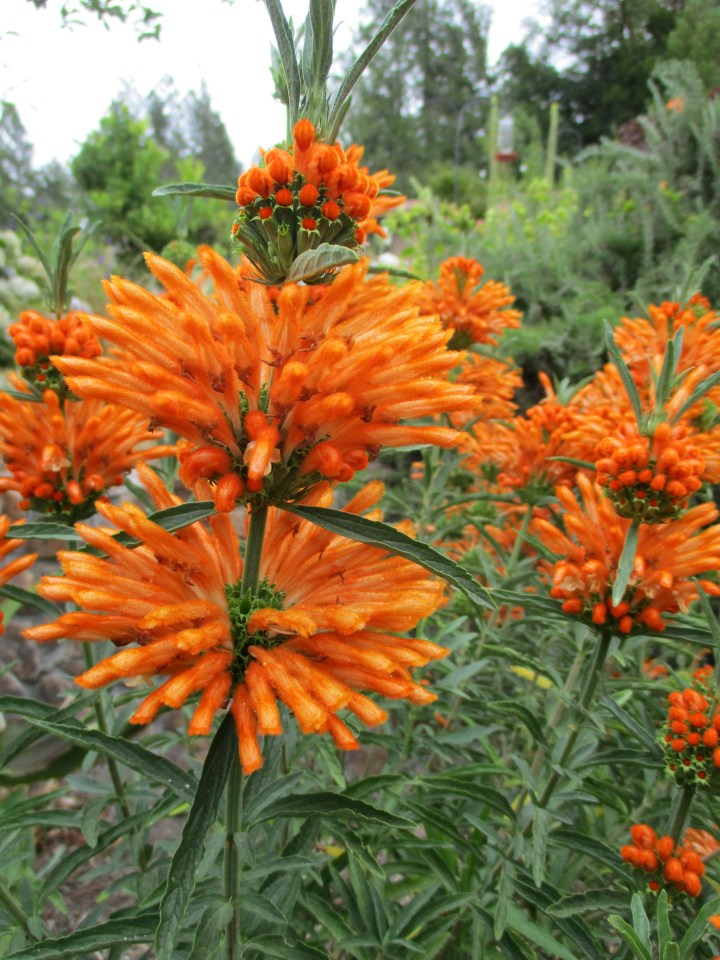 It does not get much more orange than this. Lion’s tail, Leonotis leonurus, tends to start with a relatively light duty bloom phase in the middle of spring, and then continue blooming in increasingly prolific phases until it finally culminates with the most spectacular bloom phase of the year about now, late in summer or early in autumn. The bloom is about as bright orange as California poppy!
