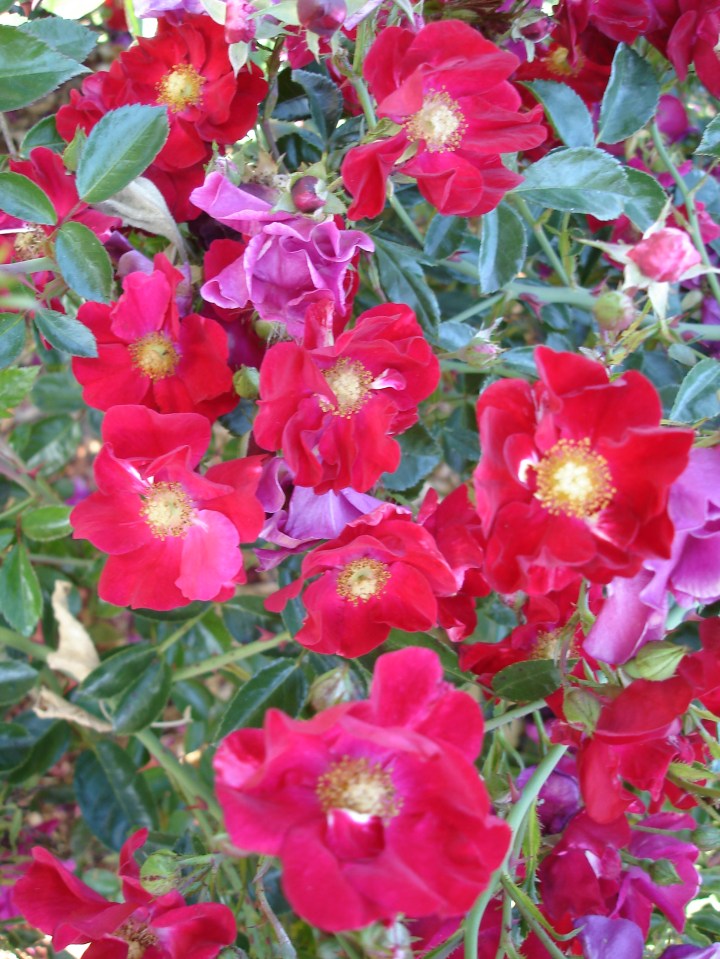
 They compare to more traditional roses like instant coffee compares to real coffee. They are too easy and cheesy. However, even instant coffee can be rather good as long it is not expected to taste like the real thing. Likewise, carpet roses do not produce big and fancy flowers on long stems for cutting, but they have other attributes that are advantageous in the landscape.
The small but ridiculously abundant roses that started blooming late last spring are only now finishing. Bloom can be white, pink, red, coral, scarlet, gold (orangish yellow), yellow or white. The rich green foliage is remarkably resistant to disease, and lasts until frost. The arching stems can spread a few feet without getting much more than three feet tall. Most cultivars stay shorter. Some get quite wide.
Like other roses, carpet roses will need to be pruned back severely while dormant in late winter. Yet, they do not need to be pruned nearly as carefully. Because they grow as thickets of canes, they do not need to be thinned to only a few canes when pruned. Even if old canes do not get pruned out, they will get overwhelmed and replaced by newer canes naturally.
 It is so tempting to dress up a densely conical dwarf Alberta spruce, Picea glauca ‘Conica’, as a garden gnome for Halloween. They are so symmetrical that they seem to have been shorn that way. They are too small to be classified as trees, but are not as shrubby as most shrubbery either. Their practicality is rather limited to formal situations where their strict symmetry is desirable.
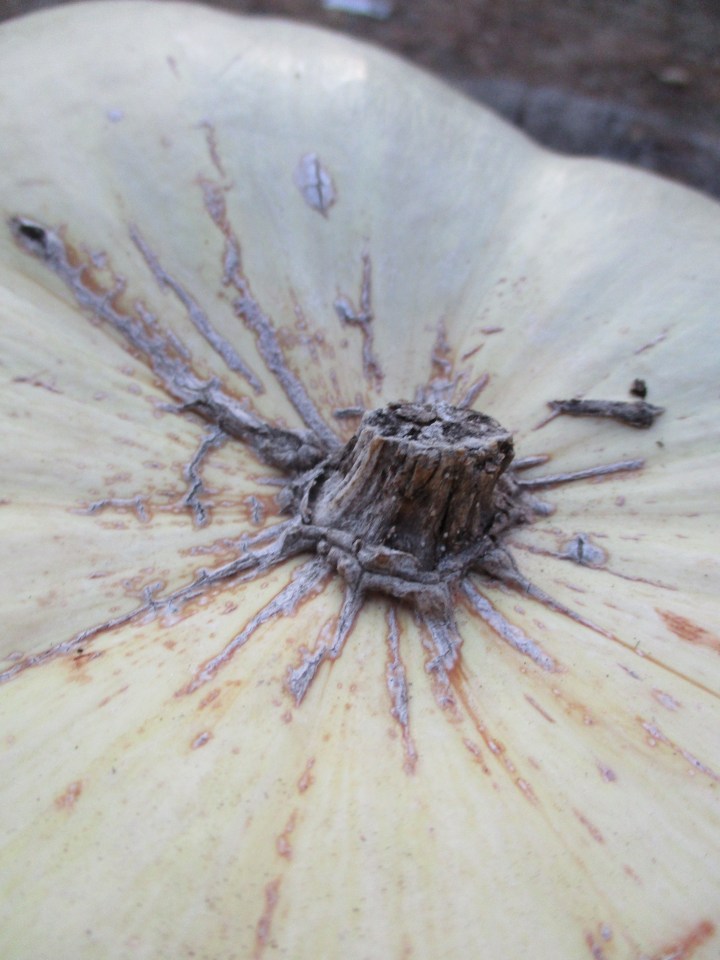 Their creamy white exteriors do not reveal much about the flavor within. They looks like they might taste like vanilla, or coconut, . . . or maybe Swiss cheese. Below the white skins, white pumpkins (Curcubita pepo) have orange flesh that really tastes like other pumpkins, but maybe a bit milder, like ‘pumpkin-light’. They are popular because they look so cool, and make great jack-o-lanterns.
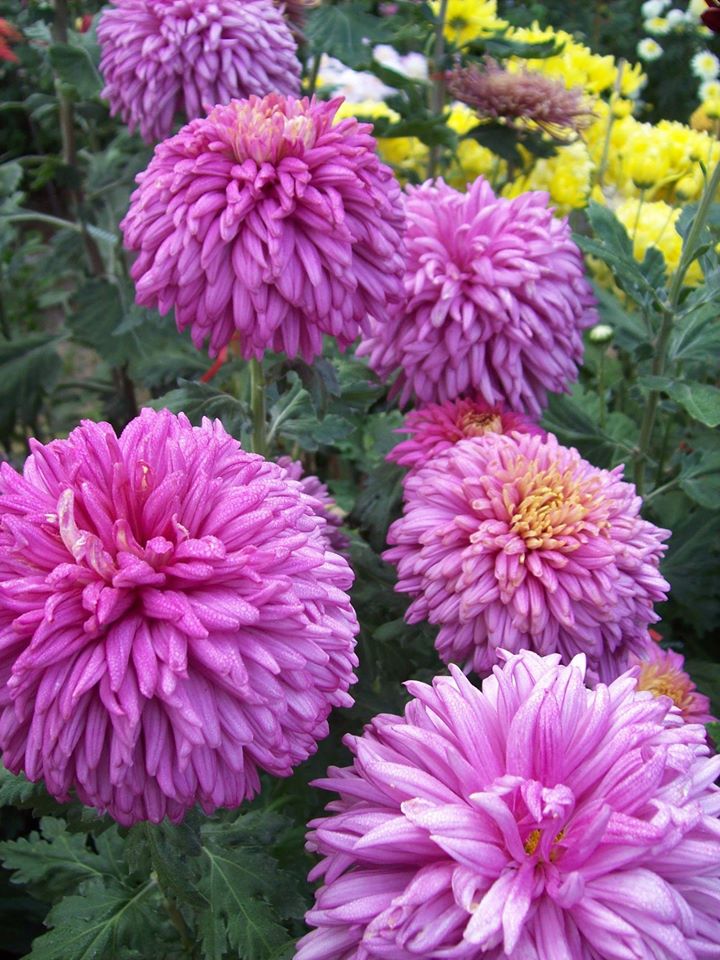 It is impossible to fit enough information about chrysanthemums into just a few sentences. Centuries of breeding have produced too many cultivars to document. Flower color ranges through many shades and hues of yellow, orange, red, pink, bronze, cream, lavender and almost purple, as well as white. (True purple is purportedly lacking.) Many have yellow centers. The deeply lobed leaves are strongly aromatic.
 It is native from the extreme southern tip of Alaska to the extreme southwestern corner of California, but not many of us will see bigleaf maple, Acer macrophyllum, in our neighborhoods. It is planted only rarely, particularly where winters are mild. Relative to other maples, its roots can be more aggressive, and its shade can be darker, so is likely to interfere with lawn and other plants.
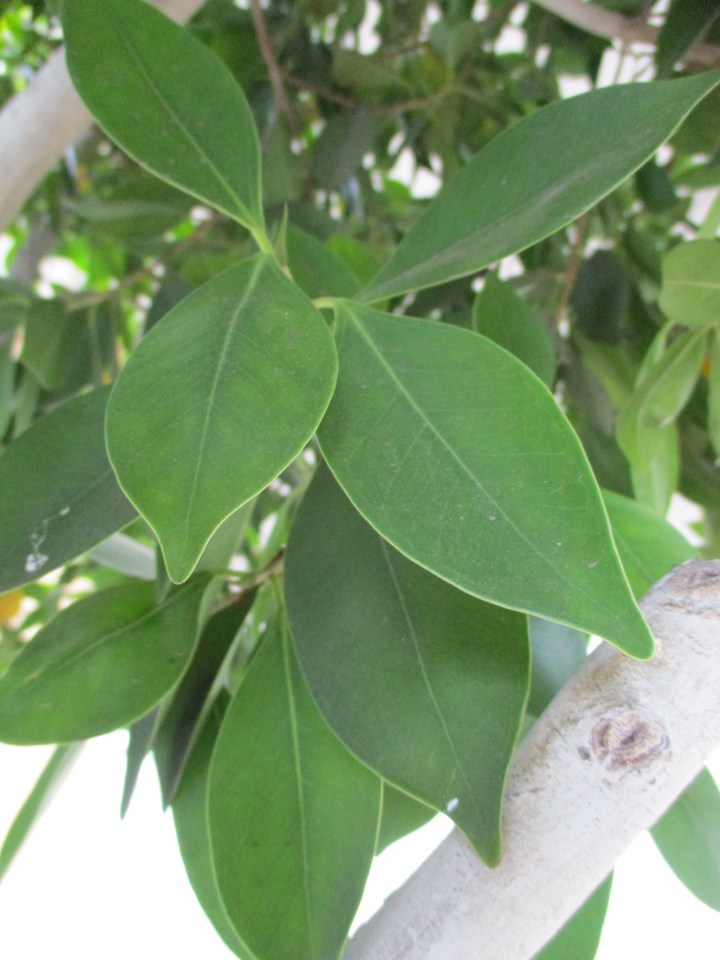 It is hard to believe that such a delightfully robust and luxuriant tree like the Indian laurel,
 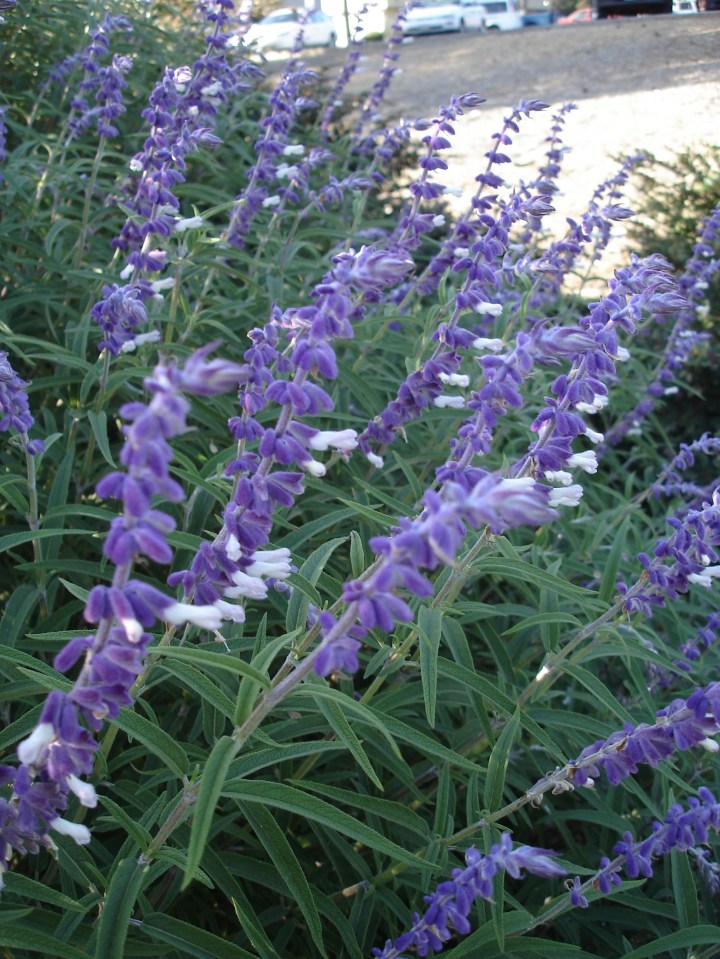 In the first year, Mexican bush sage, Salvia leucantha, does not get very big. Then it gets cut back to the ground at the end of winter. It gets about twice as big in the second year, only to get cut back again as winter ends. By the third or fourth year, healthy maturing plants can grow to five feet tall and seven feet wide each season. While cut back, big clumps can be divided to propagate.
 The three most popular specie of Dianthus are sweet William, garden pink and carnation. Sweet William and garden pink are light duty perennial bedding plants that are often grown as annuals. Carnation blooms are more familiar as fragrant cut flowers than as home garden flowers. Then there is dwarf carnation, Dianthus caryophyllus, that combines the best characteristics of all three.
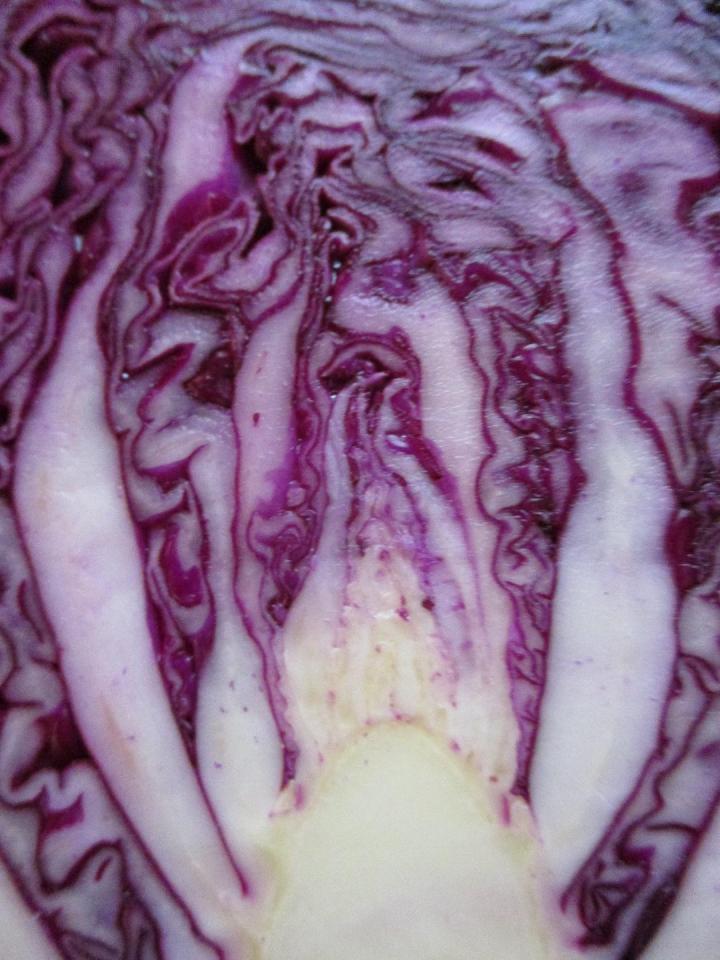 There are those of us who can grow cabbage well, and there are the majority of us who wish we could. Mild winters allow cabbage to be grown in autumn as well as in spring; but warm weather can also compromise flavor and promote premature bolting (blooming), which ruins the heads. Cabbage demands rich soil and regular watering. If the weather is evenly mild, they dig that too.
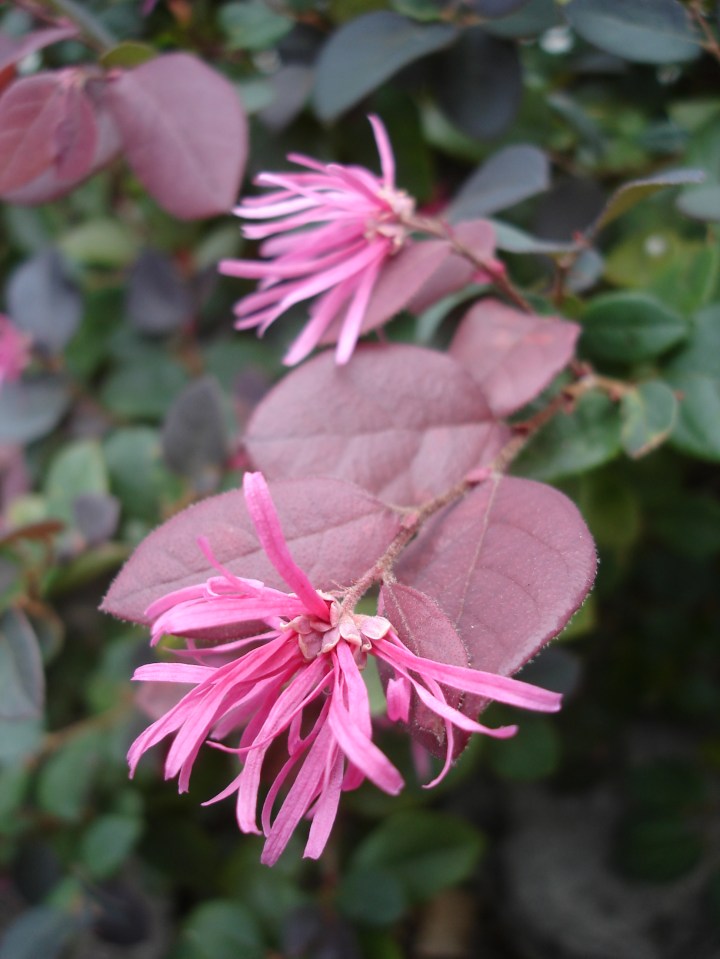 Since modern cultivars became trendy several years ago, the old fashioned ‘common’ fringe flower, Loropetalum chinense, has become even more uncommon than it already was. It does not grow fast enough to function as large scale shrubbery, but slowly gets too big to work as small shrubbery. Without pruning, old plants take many years to get to fifteen feet tall.
