Because these are only outside for a short time, they have lasted for several years, . . . unfortunately.

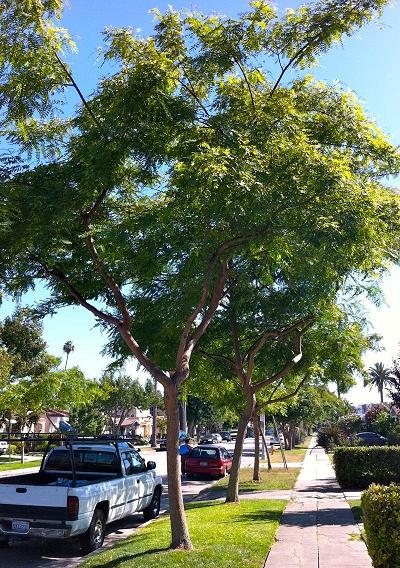
 Latin and the other languages used to designate botanical names can make the mundane seem compelling, and the unpleasant sound appealing. ‘Nasturtium’ certainly sounds better than ‘nose twister’, which refers to the reaction to the unpleasant fragrance of the flowers. Horticultural professionals can use such language to our advantage, and for more than designating real genera and specie. ‘Necrodendron’ certainly sounds more interesting than ‘dead tree’, and is less likely to offend tree huggers.
‘Pseudodendron’ is a euphemism for ‘fake tree’. Brent, my colleague in Southern California, sometimes points them out in interiorscapes, or worse, in real exterior landscapes. We sometimes analyze them as if they are real. We both are amused to see fake bananas or fake pineapples, or both, hanging from fake cocoanut palms. Sometimes, someone who overhears our conversation feels compelled to inform us that the pseudodendrons that we are so intrigued by are fake. Sometimes, someone…
View original post 148 more words

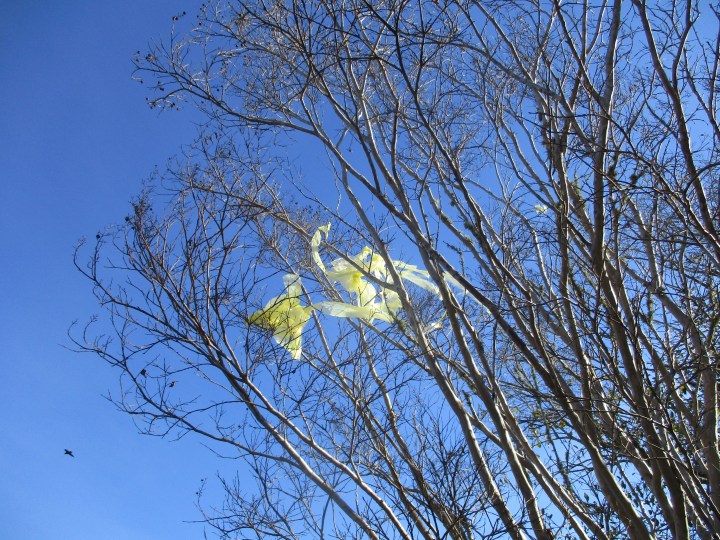 Those of us who work in public landscapes find litter in the strangest of places. It gets everywhere. It is not necessarily put everywhere. It just has a sneaky way of getting everywhere. By nature, litter blows about and gets washed into creeks and rivers that flow out to the bays and oceans.
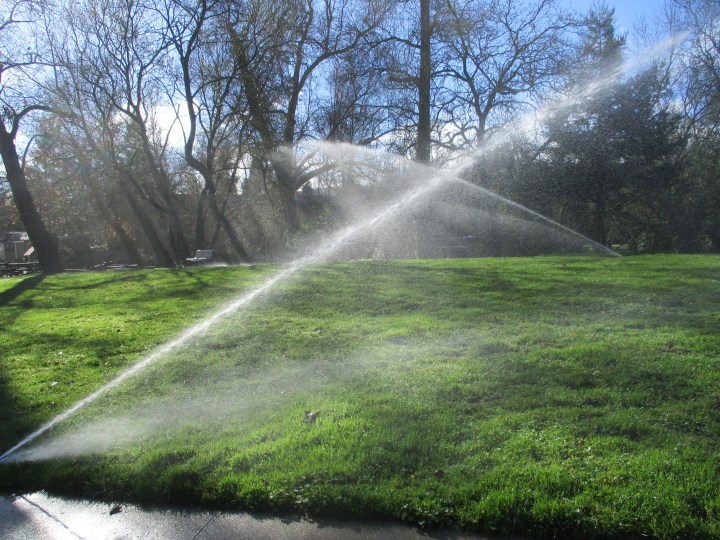 Much of California is chaparral. Much of what is not chaparral is full blown desert. Some coastal climates gets quite a bit of rain; and some climates up in the Sierra Nevada are among the snowiest places in America. Generally though, the most populous and most agriculturally productive parts of California do not get much water to spare.
 Winter is for pruning. Any good native of the Santa Clara Valley knows that. It starts as soon as the first deciduous fruit trees defoliate and continues to the last minute rush to finish before the buds start to swell at the end of winter. It may seem like there would be no last minute rush now that all the orchards are gone, but there is so much in landscapes to prune that prioritizing and scheduling pruning takes a bit of effort. Just like we know that apples and pears can be pruned slightly later than apricots and prunes, in the landscape, we know that sycamores might be delayed until the birches are done. Naturally, I feel compelled to prune the flowering cherries and fosythias, but am almost content to wait until after they finish blooming in early spring. Of course, I cringe as I write this.
 The last green roof that I wrote about was planned, although not in a typical manner.
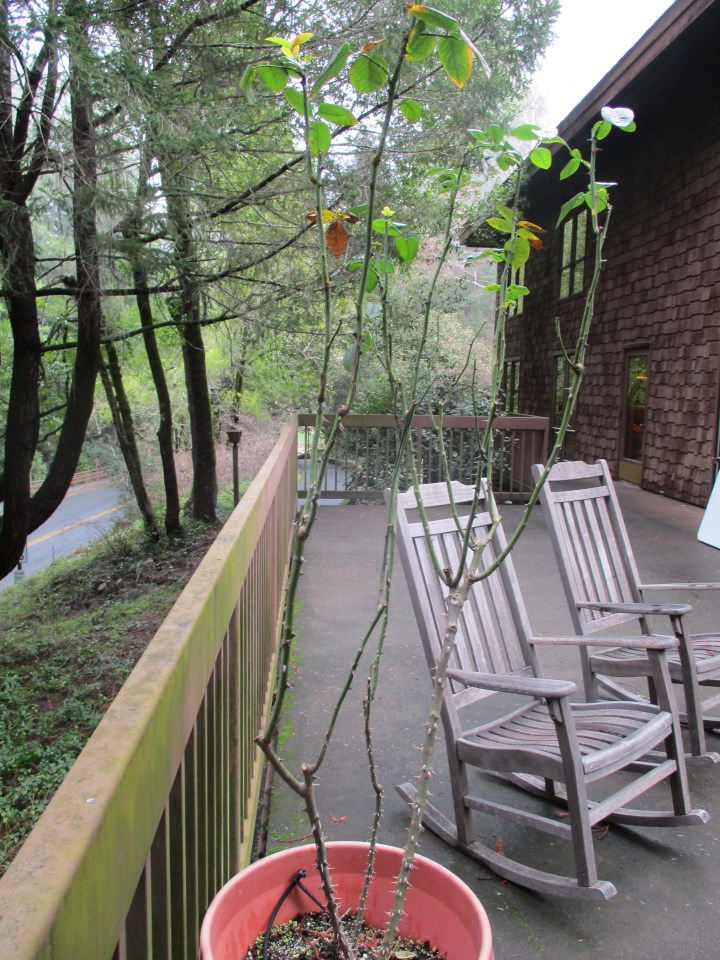
  Now, before I commence with my rant and long list of problems with this picture, I should mention that this seemingly abused rose tree does seem to be appreciated. All the roses in this landscape seem to be very healthy, and they bloom constantly between spring and autumn. Their performance suggests that they are regularly fertilized and deadheaded.
 There is much more to the landscapes at work that I wrote about earlier this morning at
 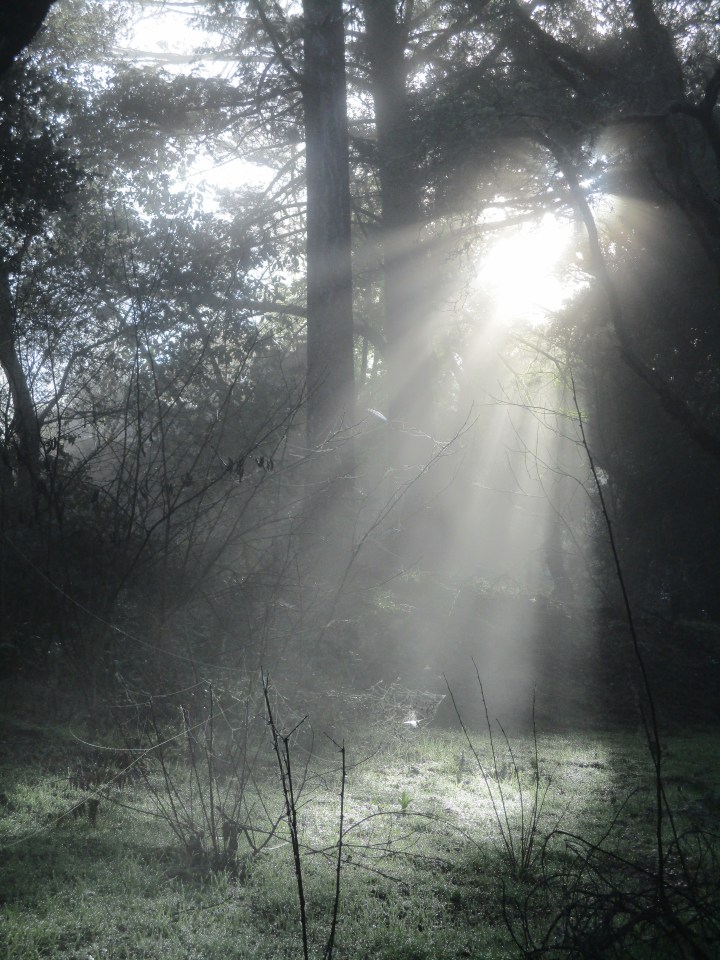 Or . . . a close encounter of the third kind. Let’s just go with the former rather than the latter.
 Tony Tomeo