Trees Naturally Dominate Their Gardens

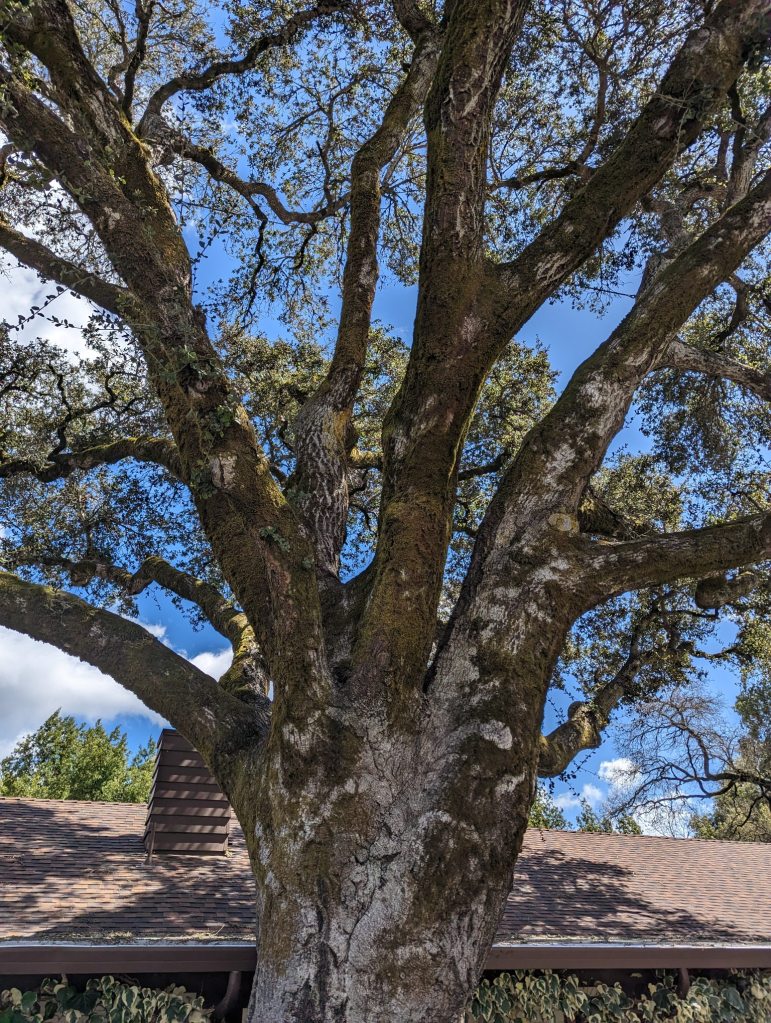
Oaks slowly become grand and sculptural.

Trees are generally the most significant living components within a home garden. Even treeless gardens benefit from nearby trees. Some old redwoods contain more wood than the homes that they shade. Some old oaks inhabited their gardens centuries before their gardens did. With few exceptions, nothing in a garden is as big or permanent as a tree.

Japanese maples, citrus trees and other small trees can be among the exceptions. They might be smaller than some of the shrubbery they share their gardens with. Papayas and other herbaceous trees can also be exceptions. Some live for only a few brief years. The definition of what a tree is can be vague. Variable interpretations complicate this matter.

A tree is a woody perennial plant with a single tall trunk and branches. However, banana trees develop several unbranched herbaceous trunks. Palms and tree ferns are neither woody nor branched. Arboriform yuccas are no woodier than palms. Many trees develop many trunks. Banyans use roots as trunks. This definition does not even describe ‘tall’.

Ultimately, the characteristics of a tree are more important than its definition. Shade trees near homes should be deciduous to let warm sunshine through in winter. Evergreens are better for obscuring unwanted scenery throughout the year. Evergreens are messier than most deciduous vegetation though. Their shedding is not so limited to distinct seasons.

Fruit trees are some of the most misunderstood inhabitants of home gardens. Not many grow big enough to function as shade trees. Fruit is difficult to harvest from those that do. Almost all require intensive and specialized pruning and maintenance. Few get it. Most eventually succumb to neglect. Citrus and avocados are some of the least demanding.

Palms, whether or not they qualify as a type of tree, are also misunderstood. They lack branches, so are not conducive to pruning away from utility cables. Their single terminal buds grow only upward. Removal is the only option for palms that encroach too closely to high voltage cables. Even the best palms need grooming from professional arborists. Most quickly grow beyond reach from the ground or even a ladder, and are dangerous to climb.

Sunburn

For the same reason that the lily of the Nile that were described yesterday are blooming so late this year, both sun scald and scorch are less of a problem this summer.

tonytomeo's avatarTony Tomeo

P00705-1 Out with the old, . . .

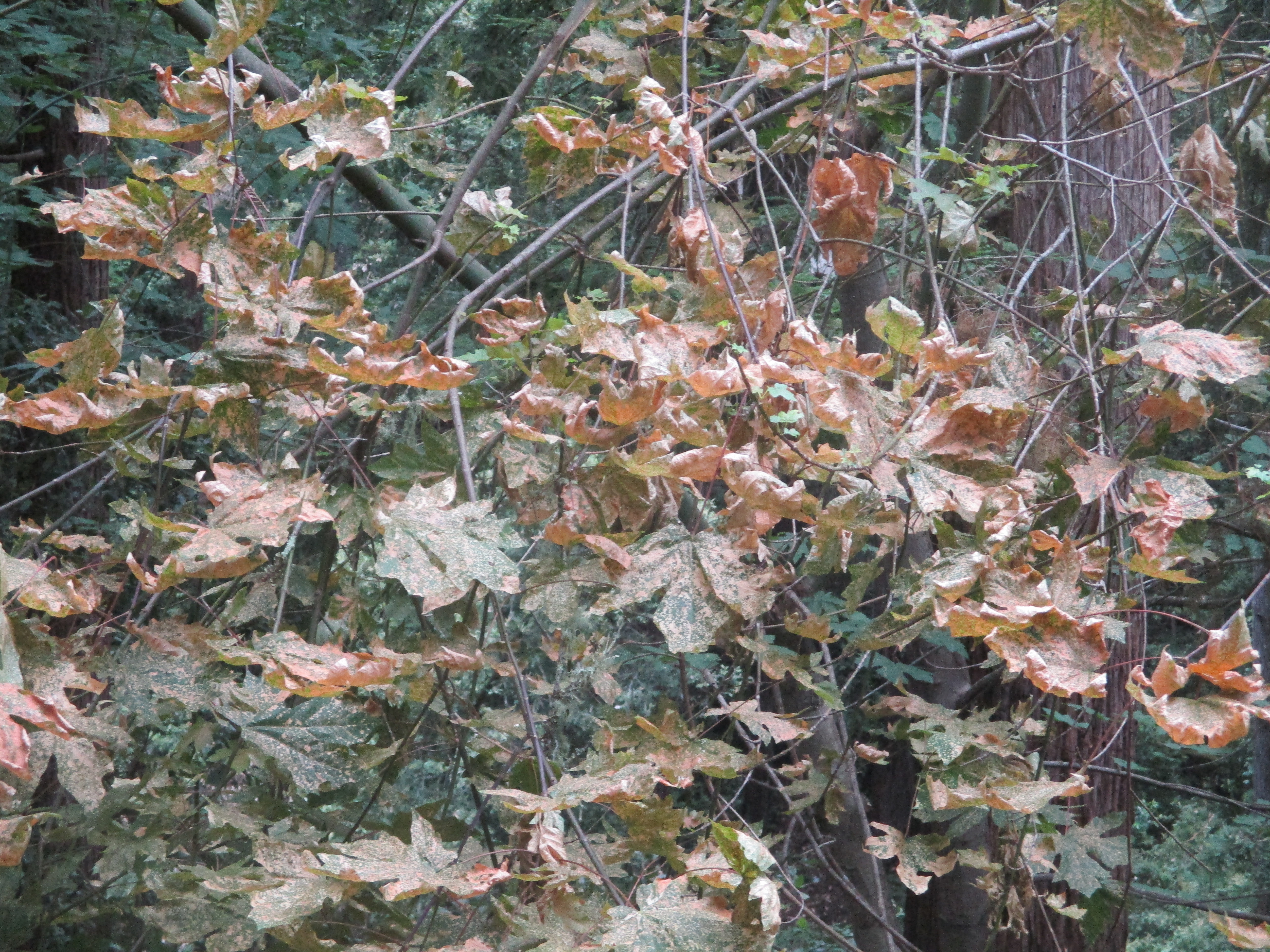
There are two types of horticultural sunburn. Sun scald is what happens to formerly shaded bark if it suddenly becomes too exposed. (As I mentioned in my gardening column for this week, which posted last Monday here, sun scald that occurs during winter in colder climates is caused more by frost than by sunlight.) Scorch is what happens to overly exposed sensitive foliage.

The picture above is an example of scorch on a significant scale. The bigleaf maple was formerly shaded by a big Douglas fir that fell last May, leaving the maple both severely disfigured and very exposed. Such exposure would not have been a problem it the foliage had always been so exposed. The problem was that it developed in shade, so could not adapt to the new exposure.

The exposed foliage survived for a while, but eventually succumbed to warmth…

View original post 165 more words

Fourth of July

Well, not only is this recycled article four days late, but even if it were on time, the lily of the Nile are blooming quite late this year because of the cool spring and summer weather.

tonytomeo's avatarTony Tomeo

P00704K Lily of the Nile are floral Fourth of July fireworks.

Fireworks, Fourth of July parades, and the associated crowds are of course canceled for this year.

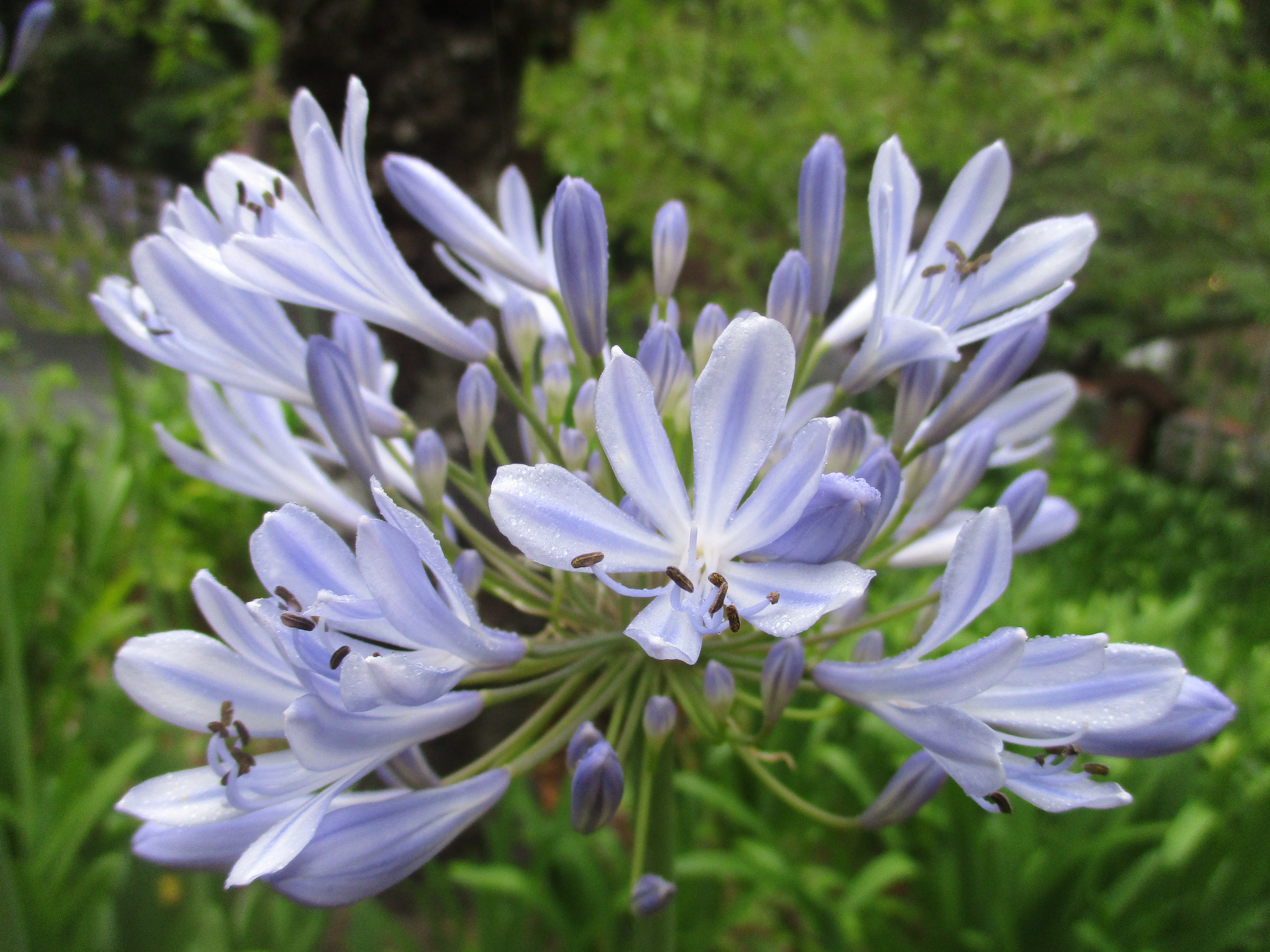
Lily of the Nile does not mind. It blooms in time for the Fourth of July regardless of what the rest of us are doing, or not doing. That is one of the two reasons why some of us know it as the ‘Fourth of July flower’. The other reason is that the nearly spherical floral trusses resemble exploding skyrocket fireworks. They are mostly blue, with some white. All that is missing is red.

The bloom in this picture is not exactly exemplary. It would have been larger, rounder, and likely more advanced in bloom if it had developed in a sunnier location. There are enough of them that we do not notice that most are somewhat diminutive. In autumn, many of the overgrown…

View original post 162 more words

Six on Saturday: Again – No Signal

Since the camera died, all my pictures are taken by telephone and then sent to my email. The primary problem with this procedure is that the telephone signal here is unreliable. I actually had six timely pictures to post today, but could not get them here. Instead and again, these six are merely five random pictures that I had no other use for, as well as an illustration that I copied from a magazine. Incidentally, the illustration from a magazine is not of particularly good quality. Actually, most of what is shared on Six on Saturday is of superior quality, and more interesting.

1. My Los Angeles homeless camp made the New York Times! This is it in an illustration for an article about hedges. It is why I have never stayed at the famously eccentric Hotel del Flores, which incidentally, has less Flores. It is in the back yard of Brent’s Jungalow.

2. ‘Tropicanna Black’ Canna was ‘borrowed’ from my Los Angeles homeless camp during a previous trip late last summer. It now lives happily with five other fancy cultivars here.

3. Morea iridioides, African iris is nothing special. This and three others were split from an overgrown specimen that I planted at my mother’s garden in the early 1990s though.

4. This is where they live now. They will not look so silly as the Dodonaea viscosa grows. I should pluck bits from the biggest specimens to add to the small specimen this winter.

5. Acer platanoides, Norway maple resembles ‘Schwedleri’ Norway maple that I grew up with. I can not remember the name of this modern cultivar. I prefer the original though.

6. Rhody approves of these unplanned Six on Saturday, although this sixth older picture may have been featured earlier. He and I both know how popular any of his pictures are.

This is the link for Six on Saturday, for anyone else who would like to participate: https://thepropagatorblog.wordpress.com/2017/09/18/six-on-saturday-a-participant-guide/

Butterfly Iris

Butterfly is like a more softly textured version of African iris, with pale pastel yellow bloom.

What was introduced as a seemingly fancier alternative to the common African iris is now almost as popular. Butterfly iris, Dietes bicolor (or Morea bicolor), is about as easy to grow, and nearly as resilient. Instead of white, the flowers are soft yellow with three prominent purplish brown spots with orange margins. The grassy evergreen leaves are a bit narrower and pliable.

Mature plants may get nearly three feet high and five feet wide. For those who do not mind digging and splitting apart the tough and densely matted rhizomes, large clumps are very conducive to propagation by division in autumn or winter. Deadheading (removal of stems that have finished blooming) promotes continued bloom and limits dispersion of seed that might otherwise grow new plants where they are not wanted. A bit of partial shade or minimal watering are probably nothing to worry about, but may inhibit bloom. Well exposed, well watered and well deadheaded butterfly iris should bloom from early spring until early winter.

Nomenclature Is Designed For Simplicity.

Automotive and botanical nomenclature are remarkably similar.

As confusing as they seem to be, Latin names of plants are actually intended to simplify things. They work because they are universal, everywhere and in all languages. Common names may seem simpler, but are too variable in different regions and in different languages.

For example, the white pine that is native to Northern California is not the same as the white pine of Maine. However, only the white pine of California is Pinus monticola. Furthermore, it is known as Pinus monticola everywhere and in every language, even though it has different common names in French, Afrikaans and Vietnamese.

The first name of a Latin name, which should be capitalized, is the more general ‘genus’ name. (‘Genera’ is plural, and not coincidentally similar to the word ‘general’.) Pinus is the same genus name for all pines. Acer  is the same genus name for all maples. Quercus is the same genus name for all oaks; and so on.

The second name of a Latin name is the more specific ‘species’ name. (‘Specie’ is plural, and not coincidentally similar to the word ‘specific’.) Monticola specifies the genus of Pinus as Pinus monticola, the white pine of Northern California. Radiata specifies another genus of Pinus as Pinus radiata, the Monterey pine; and so on. The species name is not capitalized. Technically, Latin names, both genera and specie, should be italicized in print or underlined in cursive.

Latin names work like the names of cars. Buick, Chrysler and Mercury are all like genera. Electra, Imperial and Grand Marquis are all like specie, or the specific Buicks, Chryslers and Mercurys. ‘Limited’, ‘Custom’ and ‘Brougham’ are like variety names, like ‘Variegata’, ‘Compacta’, and ‘Schwedleri’. For plants, variety names are capitalized and enclosed in semi-quotes.

As universal as Latin names should be, a few sometimes get changed. This can be confusing, and causes some plants to become known more commonly by either the new or old name as well as the other of the two names as a ‘synonym’. For example, Dietes bicolor and Morea bicolor are the same plant; but not many know for certain which name is more correct. It is like when Datsun became Nissan, but was also known as Datsun for many years afterward.

Horridculture – Vandalism

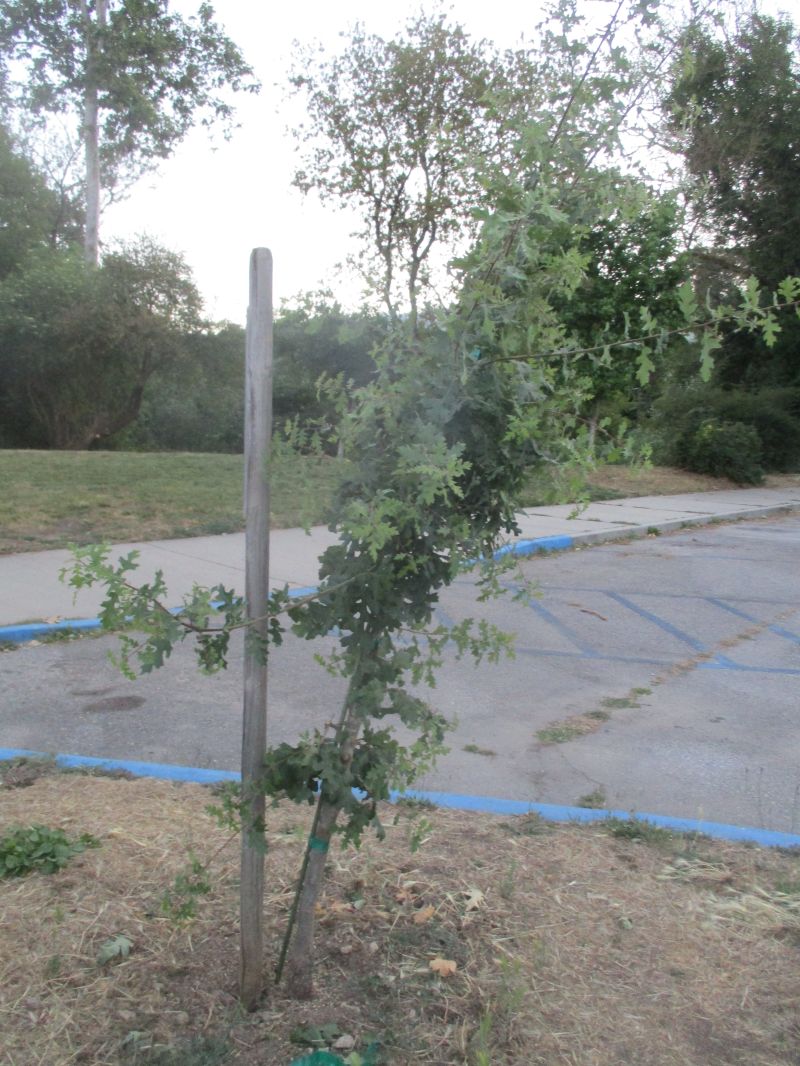
This recycled Horridculture post is actually not as bad as it seems to be. Three years later, this little Memorial Tree, which was not expected to survive, is not only surviving, but thriving. It recovered remarkably vigorously, and has been growing better than it had been prior to this incident. The concern and support expressed by the Community was amazing! Some were ready to replace the original Memorial Tree with a more substantial boxed specimen. I am actually more pleased that the original survived. A neighbor still maintains a wildlife camera to monitor it from a nearby tree. I really should post an update soon. This is an update from last winter. https://feltonleague.com/2022/12/25/merry-christmas-tree-christmas-2022-memorial-tree-update/

tonytomeo's avatarTony Tomeo

This would have been an ideal time for a seasonal update on the little Memorial Tree in Felton Covered Bridge Park. Until recently, it had been healthier and growing more vigorously than it had since it was installed a few years ago. It had survived major accidental damage, and was just beginning to thrive. Sadly […]

https://feltonleague.com/2020/06/28/vandalism/

via Vandalism — Felton League

View original post

Carpet Jade

Carpet jade resembles common jade plant.

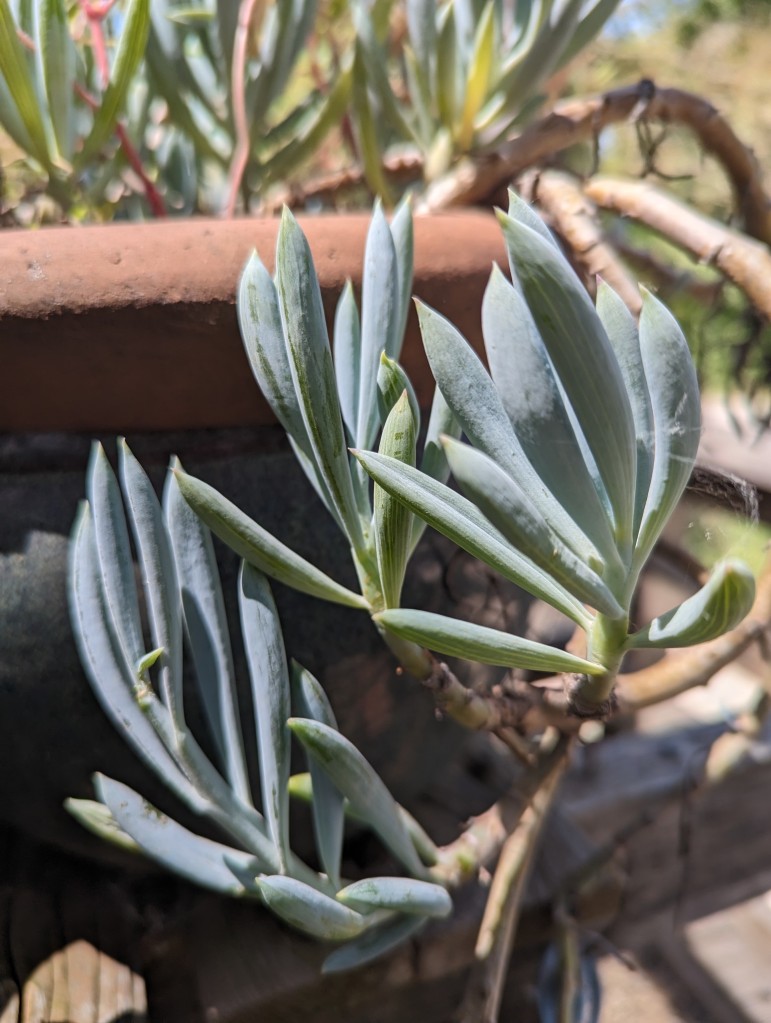
As its common name suggests, it is a sprawling relative of common jade plant. Both are different species of the same genus. Carpet jade, Crassula nudicaulis var. platyphylla, grows only about six inches high. It sprawls slowly over the ground without getting much higher or lower. It roots where it sprawls, so can eventually develop significant colonies.

The evergreen foliage of carpet jade is a bit more dense than that of common jade plant. It is also a bit less glossy. Foliar margins blush a bit more through winter. Most popular cultivars become appealingly ruddy. Sun exposure enhances foliar color. However, frost can damage their exposed succulent leaves. Pale white winter bloom is unimpressive.

Carpet jade, like many succulents, is not very discriminating in regard to water or soil. It is likely to be more vigorous with regular irrigation. With less irrigation, it likely develops better ruddy foliar color. It provides appealing contrast to other small succulents with gray foliage. It performs well within pots, and may eventually cascade slightly over the edges.

Succulent Plants Exhibit Unique Foliage

Succulents provide unique texture and form.

All cacti are succulents. However, not all succulents are cacti. Actually, cacti are a very unique family. Their distinctive spines and thorns are very specialized leaves and stems. Such specialized leaves can not photosynthesize without green chlorophyll. Therefore, cacti rely on their succulent green trunks for photosynthesis. Their trunks work as foliage.

But of course, not all succulents are cacti. Other succulents have succulent leaves. Most also have succulent stems. Some, such as most agaves and some aloes, are spiny, but not like cacti are. They have real leaves that happen to be spiny. Yucca are supposedly succulent, likely because of their relation to agave. However, they lack succulent parts.

Furthermore, not all succulents are drought tolerant. Many are so only because they are naturally native to desert or chaparral climates. Many others are naturally native to less arid climates. Some that are native to tropical rainforests, like epiphyllum, crave regular watering. Many succulents thrive in harsh exposure. Some prefer a bit of cooling shade.

Succulents are generally very adaptable to container gardening. Ironically though, a few of the most familiar sorts are not as complaisant to containment. Several cacti and other desert species need more water while confined. They must compensate for their inability to disperse roots. However, frequent watering or even excessive rain might promote rot.

Agaves, including those of desert climates, happen to perform splendidly within big pots. In fact, some perform too splendidly. If they grow too big and heavy to move, they are as permanent as if in the ground. Their dangerously spiny foliage compounds the problem. Overgrown cacti are both very difficult to move, and likely to break apart in the process.

Fortunately, there are plenty of smaller, tamer and thornless succulents to choose from. They contribute a remarkable range of foliar form, texture and color to the garden. Some contribute colorful bloom. A few, such as aloes and agaves, produce sculptural bloom. Most succulents are naturally resistant to pathogens, and easy to propagate vegetatively. Rooted scraps are less expensive than nursery stock is.

A Strong Foundation

Well, it was a good try, but these are regenerating quite slowly three years later.

tonytomeo's avatarTony Tomeo

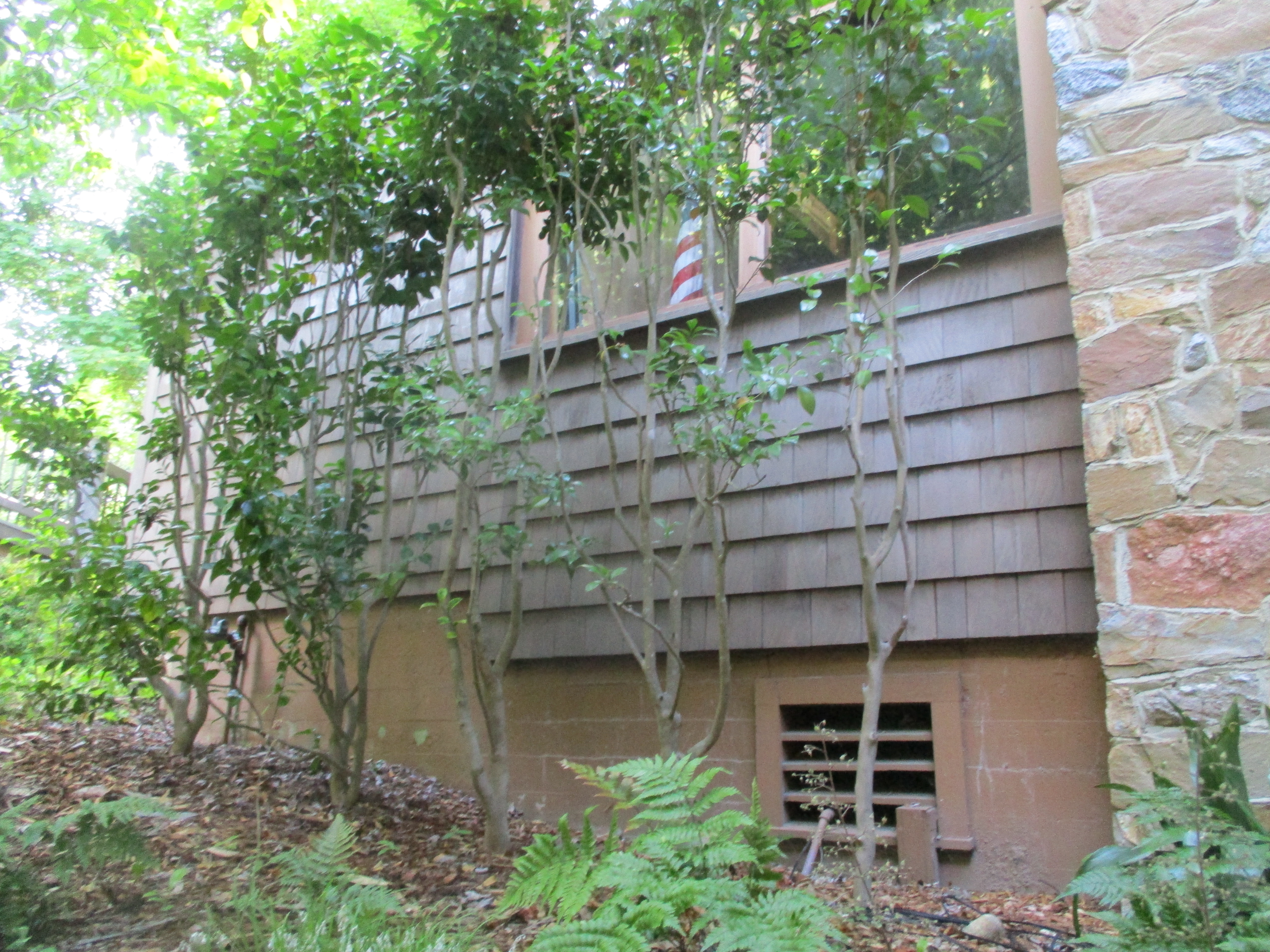
P00628-1 Before: Camellias left the foundation exposed a long time ago, but instead obscured the view from the windows above.

‘Foundation planting’, which most of us think of as vegetation intended to merely obscure a foundation behind lower and prettier plants, has a simple utilitarian origin. Before homes were so commonly outfitted with rain gutters like they are now, densely shrubby foundation plantings diffused water that fell from eaves, and limited splattering of mud onto foundations and walls.

Nowadays, foundation planting only needs to look good, and maybe obscure crawlspace vents or exposed undersides of decks. They might be allowed to get as high as window sills, or higher.

These camellias got more than a bit too high. They had not obscured the cinder block foundation in a very long time, and did not contribute much to the shingled wall above. What was worse was that all of their best foliage…

View original post 194 more words