Six on Saturday: Bad Timing

Autumn and winter are busy seasons here. They do not last long enough for all the work that must be done while particular plants are dormant. That is why pruning began early every autumn within the orchards that formerly occupied the Santa Clara Valley. Within the landscapes, scheduling in compliance with the seasons is complicated by factors that are not so seasonal, such as gophers, who eat whenever they want to. Major weeding of a new landscape is planned to begin next Wednesday because the weeds are so overgrown. Unfortunately, this does not coincide with the dormancy of plants that I would prefer to relocate from the same site. Furthermore, the achira is being uncooperative.

1. Hedychium gardnerianum, kahili ginger should not be disturbed so late in its season. Gophers do not care. I salvaged this cane with three buds and a root. It seems to survive.

2. Ceanothus papillosus, wartleaf ceanothus grew from seed within a new landscape that will get weeded next Wednesday. I pulled and canned them early to avoid wasting them.

3. Betula pendula, European white birch grew in the same landscape. Big seedlings were tagged and left until defoliation. These tiny seedlings in the front row were canned early.
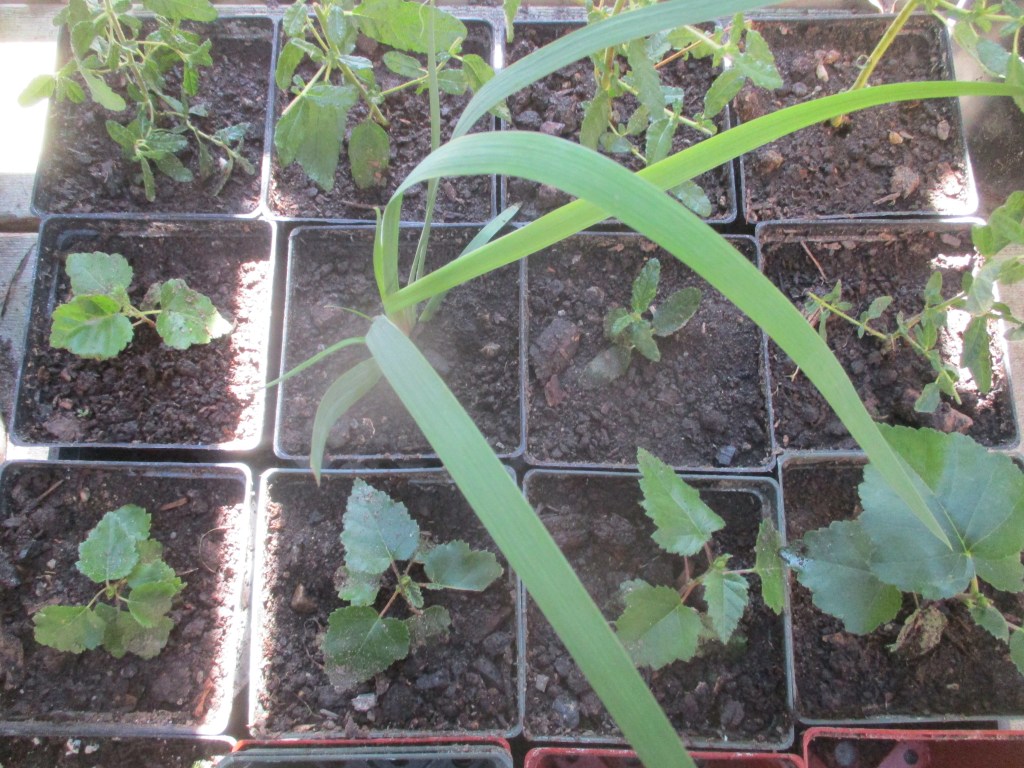
4. Sambucus caerulea, blue elderberry was, as one might guess, in the same landscape. I could not bear to simply let it go with all of the other weeds. I pulled and canned it early.

5. Canna edulis, achira, like kahili ginger, should not be disturbed so close to dormancy. However, its busted can could not hold water. Although early, it moved into a larger can.
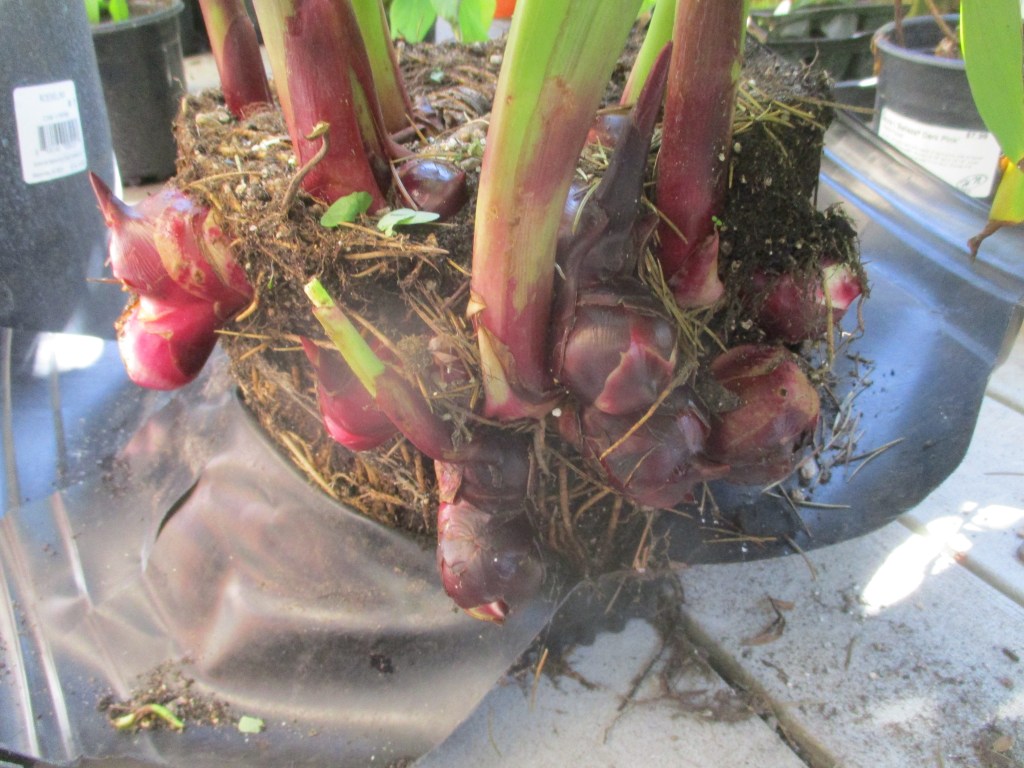
6. Canna edulis, achira really wanted out! If it did this to escape its can, do I really want to release it into the garden? Its new can will only contain it until dormancy this winter.
This is the link for Six on Saturday, for anyone else who would like to participate: https://thepropagatorblog.wordpress.com/2017/09/18/six-on-saturday-a-participant-guide/
Chilean Nightshade

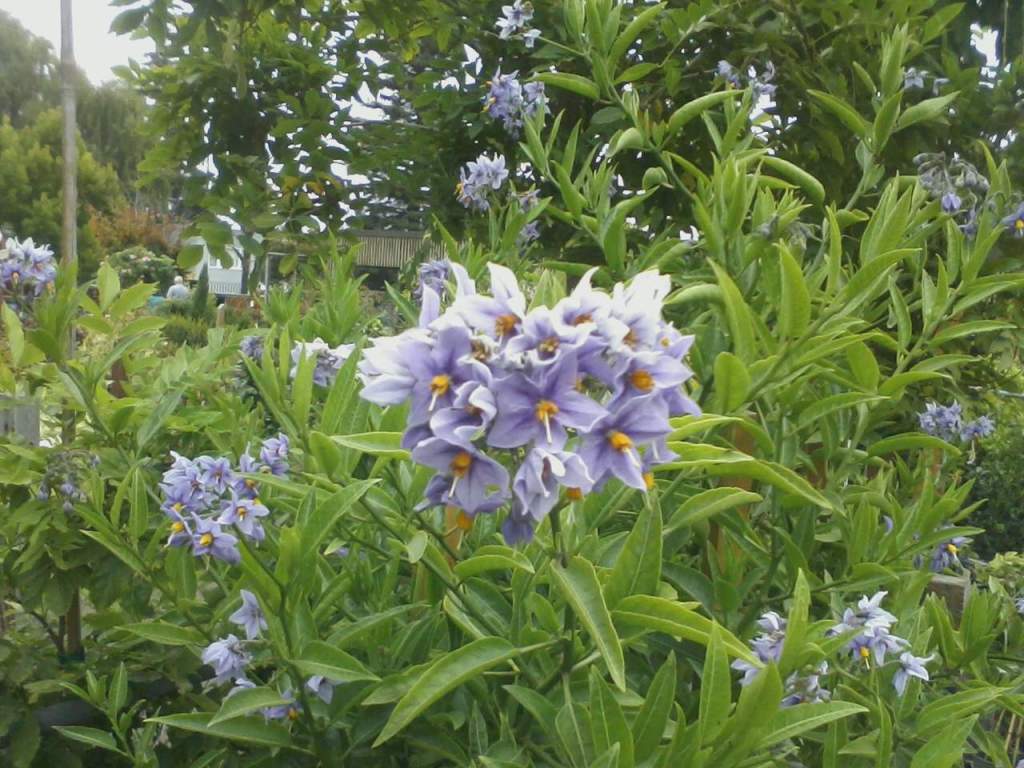
Chilean nightshade is less aggressive than related potato vine.

Yellow centered blue flowers like those of the familiar potato bush, on vines almost like those of the comparably familiar potato vine would be like the not so common Chilean nightshade, Solanum crispum. However, Chilean nightshade needs to be trained onto support in order to climb, and only reaches fifteen feet or so. The cultivar (cultivated variety) ‘Album’ is like a shrubbier redundancy to potato vine, since it has white flowers. ‘Glasnevin’ is the most popular cultivar because it flowers freely and is hardier to frost.

The nearly inch wide and slightly fragrant flowers bloom in small clusters from May or June until about now. Small but sometimes prominent green berries that turn yellowish orange and then dark purple are toxic. Partial shade inhibits bloom and vigor.

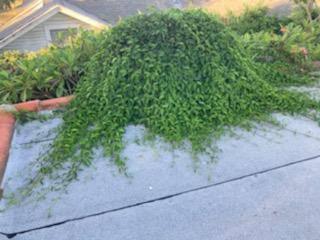
Vegetation Needs Clearance From Infrastructure

There is a chimney under this overgrown vine.

It may not seem like it is so now, but evergreen trees really are messier than most deciduous trees. They probably do not produce any more debris, but they drop their debris over much longer periods of time, or at various times, or simply ALL the time. Yet, at this time of year, it seems like the deciduous trees that mostly have dropped nothing or very little since last year, are making most of the mess in the garden as they defoliate for winter.

Defoliation is only beginning, and will continue for a while. Ironically, the most impressively colorful deciduous trees happen to be those that hold their foliage for a long time, making their defoliation process linger over a few months. Even the most efficiently neat trees that defoliate in a few days tend to do so during windy or rainy weather, when we are not so motivated to go out into the garden to clean up their mess.

As the rainy season begins in a few weeks or so, the gutters on the eaves should be cleaned of debris that has accumulated since last year. This can sometimes be delayed until all deciduous trees that contribute to the accumulation of debris are completely defoliated. Generally though, homes with many or big trees (or many big trees) may need their gutters cleaned more than once as they continue to collect debris through autumn and perhaps into winter.

Any debris that collects behind chimneys, in valleys (where roof slope changes direction) or anywhere else on the roof, should also be removed. Even without gutters to collect debris, flat roofs collect whatever debris that does not get blown off by wind. Only parapet roofs that are common on so many homes of Spanish architecture collect more debris, since they are sheltered from wind.

Trees and vines should never be allowed to lean onto roofs. Vines and some densely foliated trees tend to accumulate all sorts of debris that rots and then damages the roof below. Trees that touch roofing material are abrasive as they move in any breeze.

Obtrusive trees and vines are also a serious problem for chimneys. Cypress, cedar, pine and the beards (accumulations of dead foliage) of fan palms are particularly combustible. Even after they get soaked by rain, they can quickly dry if heated by the exhaust from a chimney. Maple, ash and other trees with open canopies may not be as combustible, especially while defoliated, but can get roasted by chimney exhaust, and can interfere with ventilation.

Horridculture – Home Greenhouses

Goodness! I was just considering how to protect the Plumeria that I recently brought from Southern California from frost this winter.

tonytomeo's avatarTony Tomeo

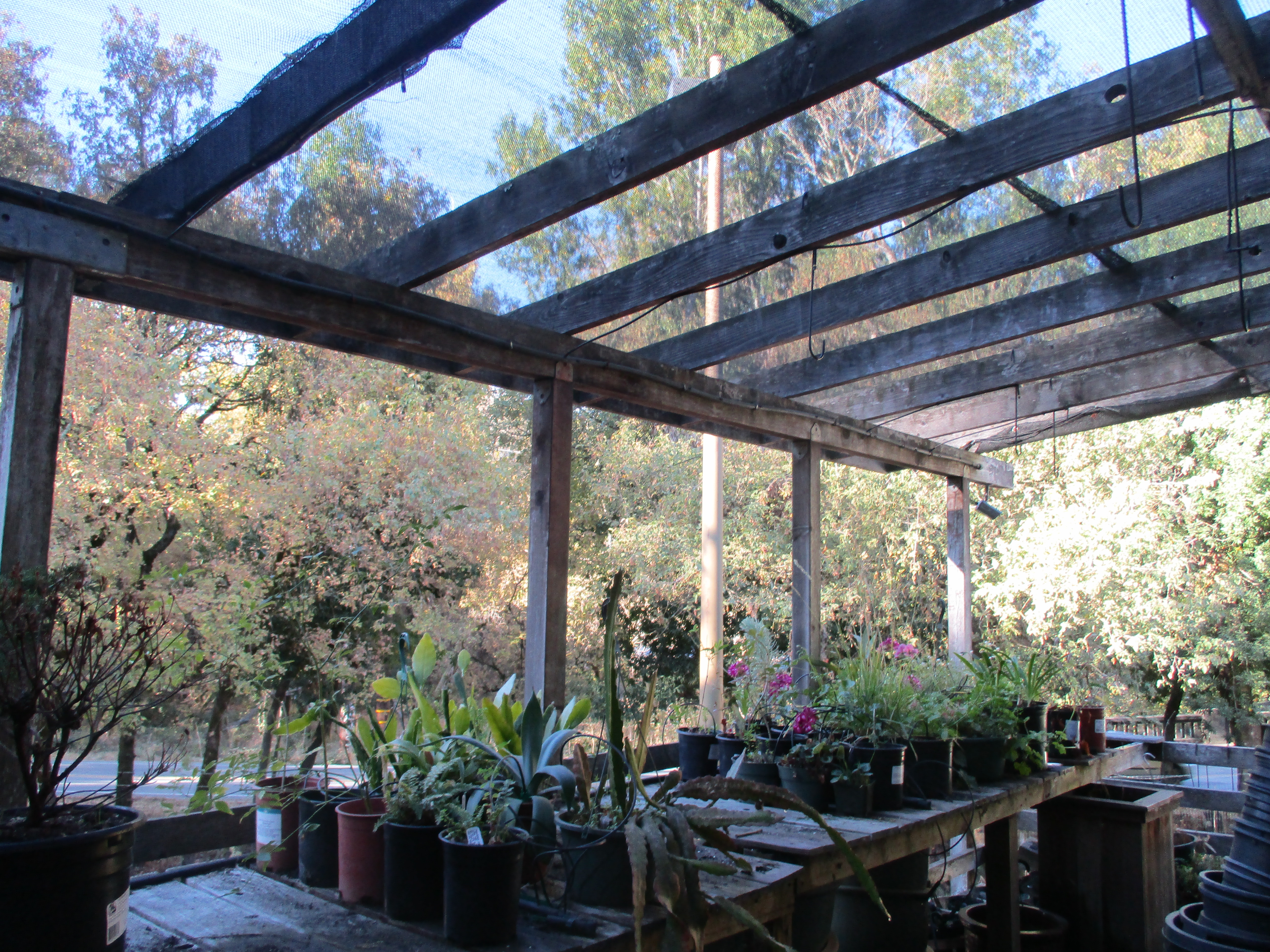
P91023Why do we all think we need a greenhouse? Some of us may rely on them for sheltering plants through cold winters. Some of us grow seedling late in winter, for an early start in spring. For some of us, greenhouses are where we grow plants that would not be as happy out in the natural climate. There is a multitude of uses for a greenhouse; but really, how many of us need one?

When I grew citrus trees, I needed a greenhouse. It was where the freshly grafted cuttings were rooted. (Citrus are grafted and rooted simultaneously, literally by grafting the scions to the unrooted understock, and ‘sticking’ the combination as a cutting into rooting media.) The greenhouse contained humidity to prevent desiccation, and warmth to stimulate root development.

From there, freshly rooted citrus trees were canned and moved out of the greenhouse and into a partly sheltered location…

View original post 306 more words

Spuria Iris

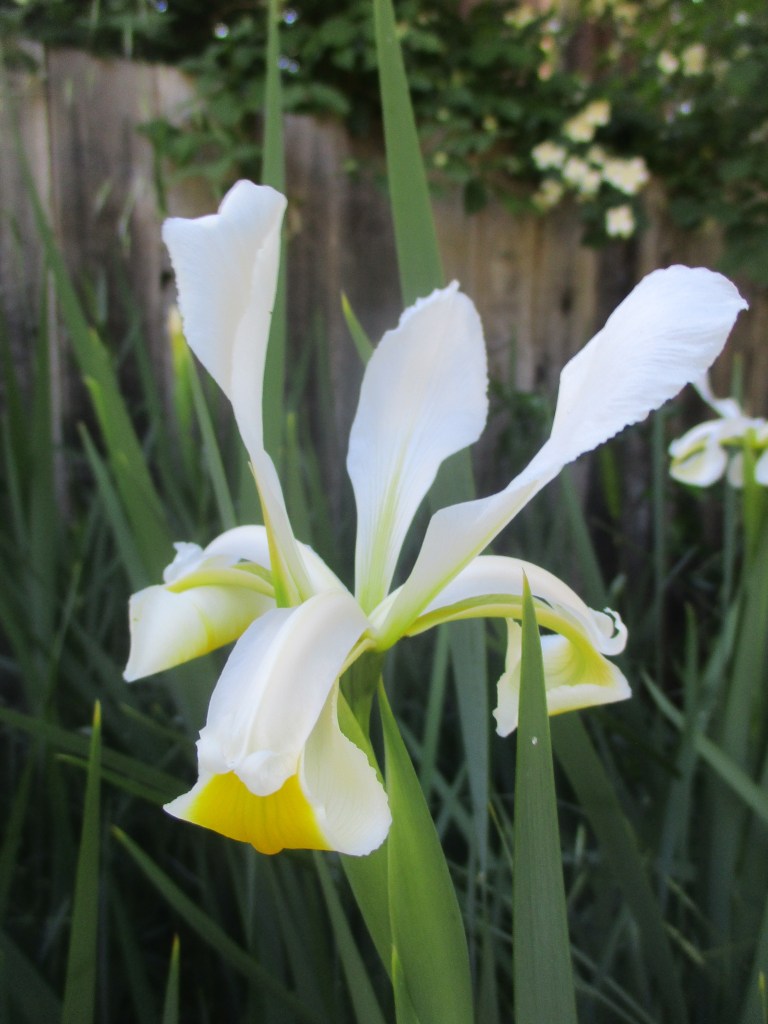
Spuria iris should be less rare.

Bearded iris are famously diversely colorful. Not much lacks from their floral color range. Spuria iris, Iris spuria, are quite different. Their floral color ranges only from purplish blue to bright white, all with prominent yellow throats. The least rare of this rare species is the subspecies carthaliniae, almost all of which blooms white. Seed is generally true to type.

Seed might be abundant without timely deadheading. However, propagation is easier by division of the copiously branching rhizomes. Such rhizomes are fibrous and tough, with comparably tough and wiry roots. They migrate to develop broad colonies, which should appreciate thinning every few years. They rarely get too crowded to bloom nicely though.

Spuria iris blooms for almost two weeks during late spring or early summer. Two or three flowers bloom in succession on stems that are nearly as high as their deciduous foliage. Leaves are elegantly narrow and upright like those of cattail, but get only about three feet tall. Carthaliniae subspecies defoliate later than others, which defoliate through summer, then foliate for autumn.

Spring Bulbs Begin In Autumn

Spring bulbs are dormant through winter.

Crocus, daffodil, hyacinth, tulip, freesia, anemone and ranunculus will not bloom until the end of winter and early spring. They are spring bulbs or early bulbs. Crocus and daffodil, including the various narcissus, will be among the first to bloom. The others as well as a few types of iris will bloom a bit later. After they finish, summer bulbs will begin to bloom.

Although they will not bloom for a few months, spring bulbs go into the garden now while they are dormant. Visually, they are still unimpressive. They are even more uninteresting when hidden from view by interment. Their planting season appropriately begins prior to Halloween, and continues as long as they remain dormant and available from nurseries.

Spring bulbs generally bloom earlier within their bloom season after early planting within their planting season. Similarly, later planting delays bloom. Therefore, periodic planting of groups of the same bulbs throughout their planting seasons prolongs their subsequent bloom season. They begin to disperse roots and grow as soon as they are in the ground.

However, growth through the cool and rainy weather of winter remains subdued. Foliage should remain safely below the surface of the soil until warmer weather during the end of winter or beginning of spring. Like so many other plants in the garden, bulbs rely on chill to adjust their respective schedules after dormancy, but do not want to be vulnerable to it.

Winter is so mild here though that some spring bulbs do not experience sufficient chill to perform reliably as perennials. Daffodil, for example, can naturalize where it experiences more chill. Here, it may bloom best for its first spring, with less bloom annually afterward. Extensive breeding has also compromised the reliability of many perennial spring bulbs.

Some spring bulbs are actually corms, rhizomes, tubers or tuberous roots, which function much like bulbs. All are specialized storage structures that contain all that they require to survive through dormancy and then start growth for another season. They replenish their resources through subsequent active seasons to repeat the process perhaps indefinitely.

Work Day Renovation Of A Flowering Crabapple

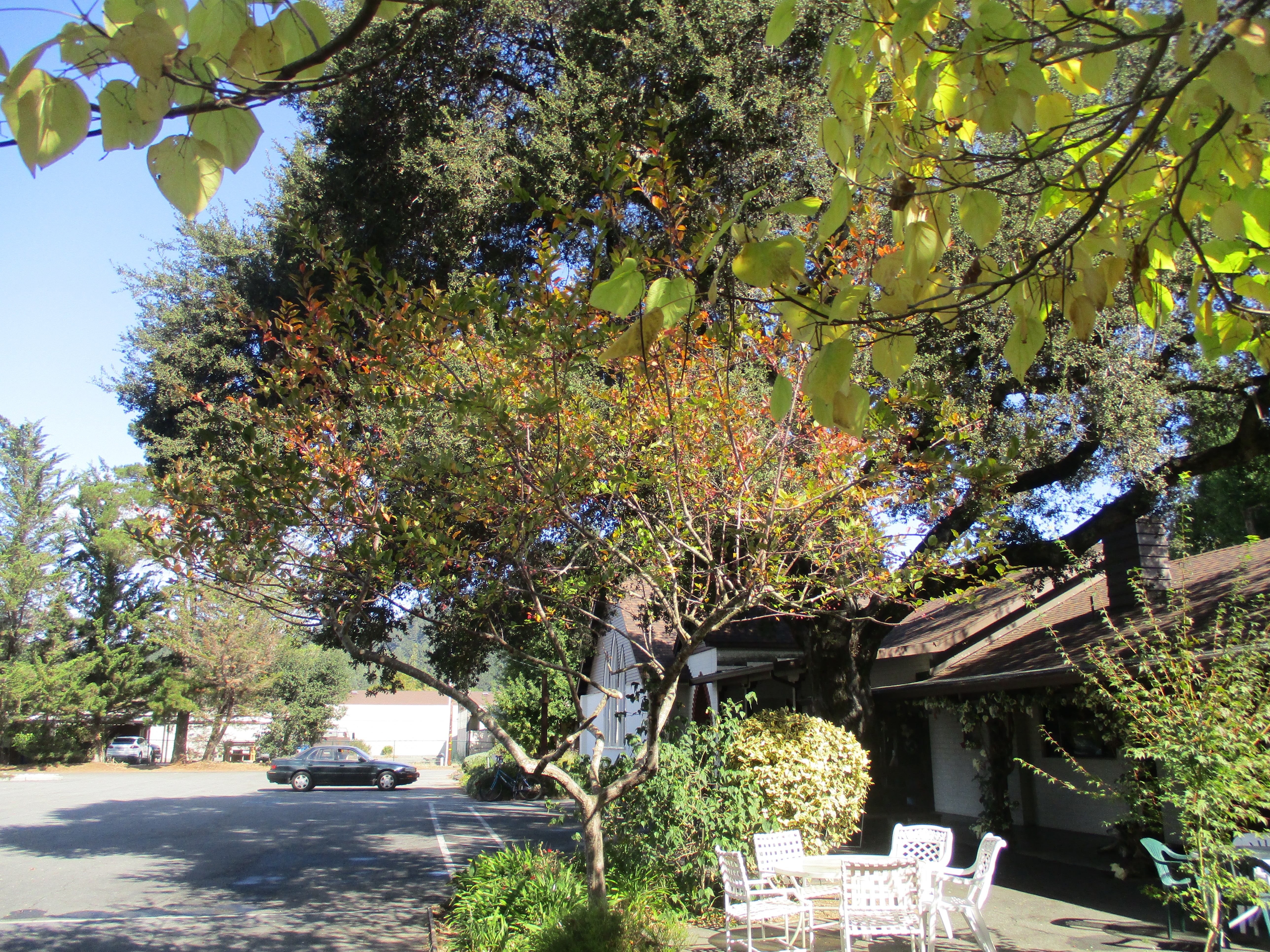
Three years later, I am pleased with the progress of this flowering crabapple.

tonytomeo's avatarTony Tomeo

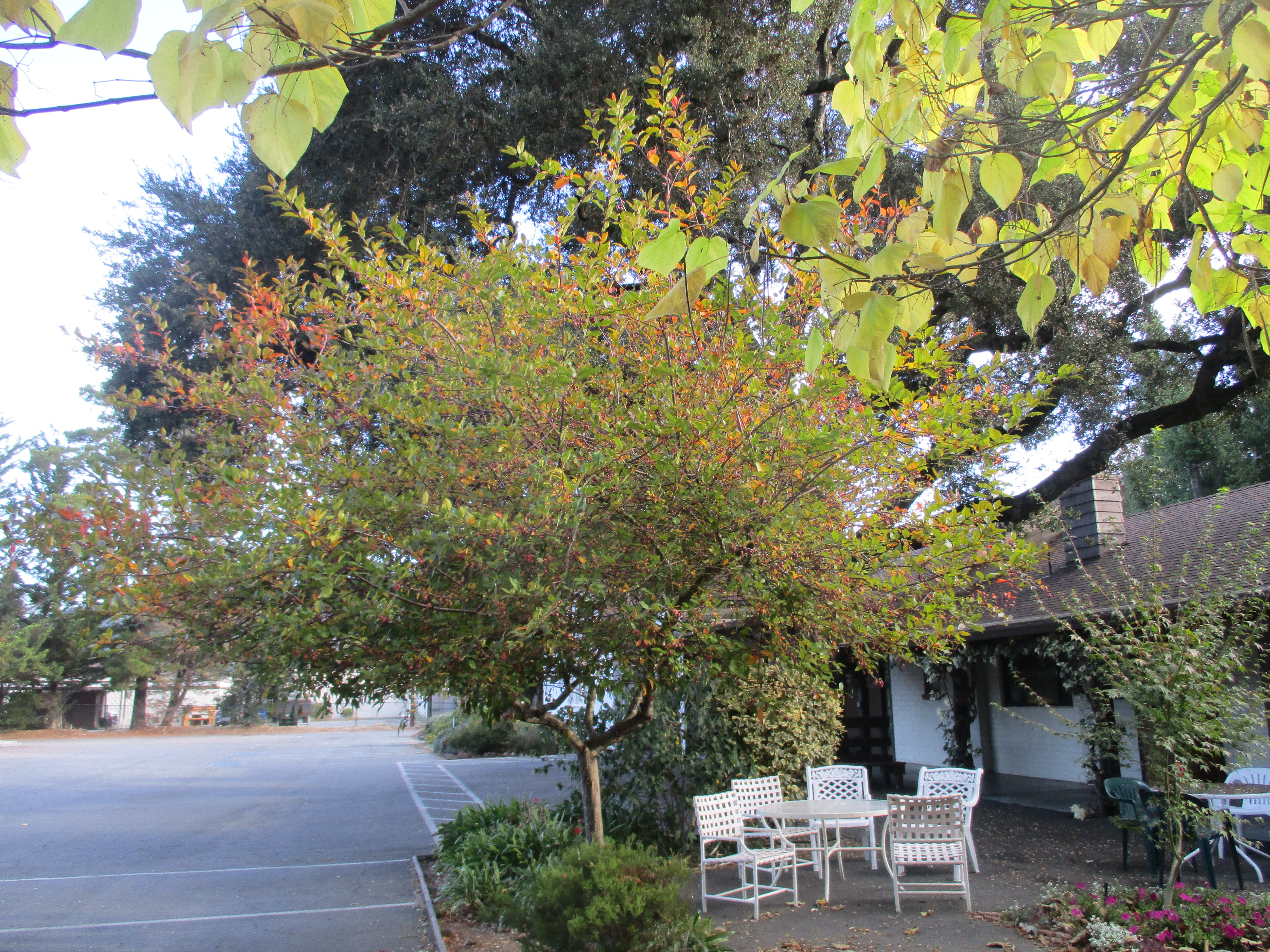
P91020P91020+It is amazing what just a few parishioners and friends can accomplish in just a few hours from about nine to noon on Saturday morning. It is only happens a few times through the year, so we make the most of it to catch up on all sorts of maintenance and projects at Felton Presbyterian Church. (My parish should do this sort of thing.) I was there to work in the minimal landscape.

I started working with this ‘Prairie Fire’ flowering crabapple several years ago. As I pruned for clearance above the adjacent parking spaces and patio, I retained lower growth in the space in between. The tree bloomed too nicely to unnecessarily remove all that was right where it was most visible. Besides, from the patio, it was more visually appealing than a view of parked cars.

Then, I missed a work day. There were plenty of volunteers. There…

View original post 244 more words

Self Grafted Redwoods

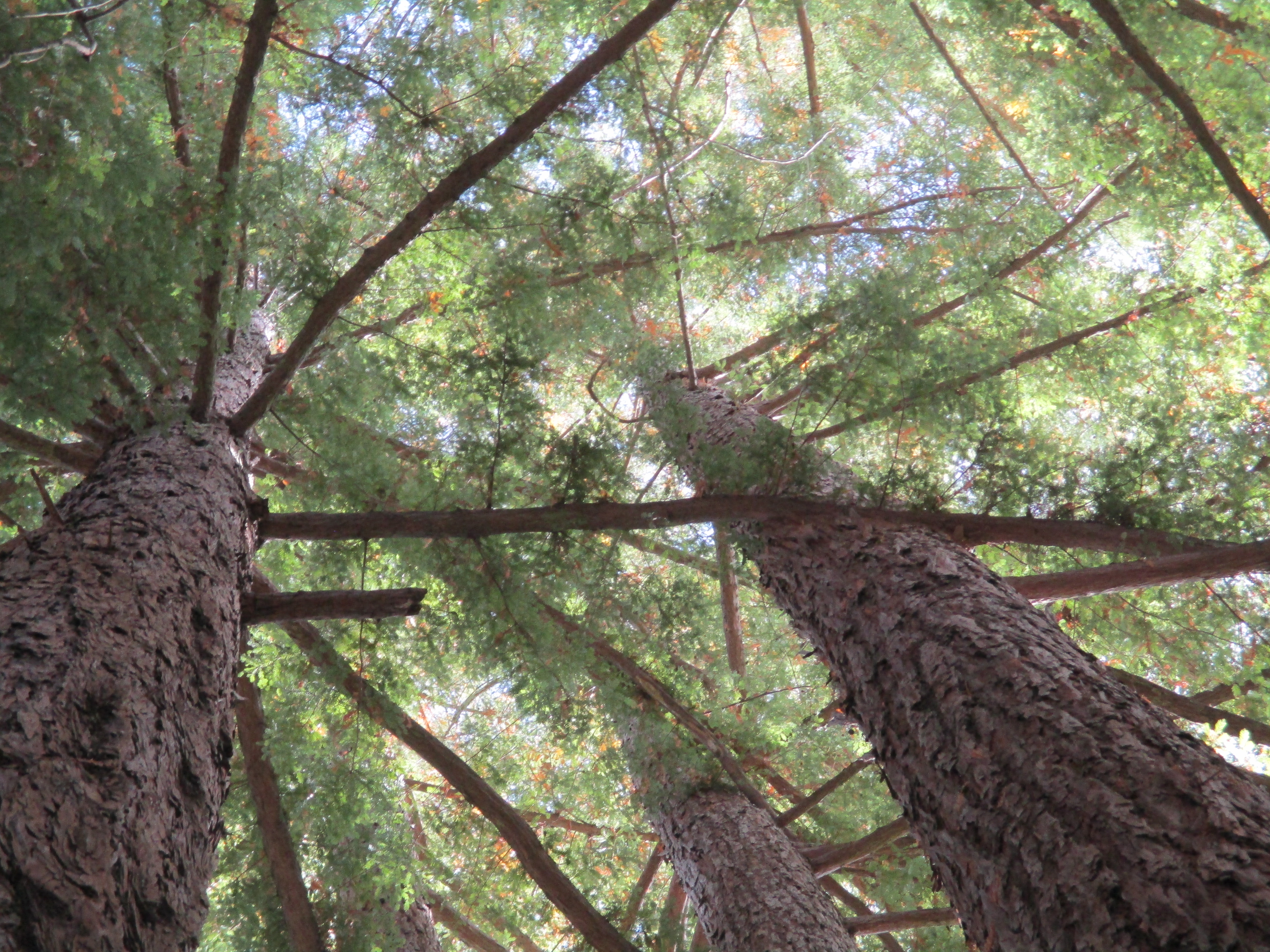
Redwoods are always fascinating, even without silly habits such as this.

tonytomeo's avatarTony Tomeo

P91019KRedwoods are some of the most stable trees in the World. That is partly why they can survive for thousands of years. In my entire career, I have seen very few fall, and only inspected two.

Of those two, one fell because it had co-dominant leaders (double trunks) that fell away from each other, which is more of a structural deficiency than instability. The other, which I suspect was demonically possessed, was a small tree less than thirty feet tall, that literally jumped up out of the ground and onto an Astro van more than ten feet away. A rare ‘updraft’ was blamed.

Almost all of the redwoods here regenerated from the stumps and roots of much older trees that were clear cut harvested a century or so ago. Most of those that grew back with structurally deficient co-dominant leaders are very effectively sheltered from wind by their collective groves…

View original post 150 more words

Six on Saturday: Long Story

The Seventh Rule of Six on Saturday suggests that verbiage regarding pictures should be reasonably limited. I prefer to limit mine to three hundred words, although I sometimes exceed this limit. I certainly would have exceeded this limit this week if I had explained, for example, why I want so many new flax lily, what we intend to do with another lemon gum, why I intentionally plant elderberry seedlings and promote better pollination while so many grow wild, what our options for yellow flag are, why a perfectly good apple tree remains canned and underappreciated, and what justified a pair of white bougainvilleas. Perhaps I should limit words within individual sentences as well as cumulative verbiage.

1. Dianella caerulea, flax lily has been a notably reliable perennial. I know nothing more about it. I am not even sure of its identity. Grooming scraps make good cuttings though.

2. Eucalyptus citriodora, lemon gum came back with me from the Los Angeles region. It has a bad reputation as a Eucalyptus. My colleague here and I are very fond of it though.

3. Sambucus caerulea, blue elderberry seedlings grow like weeds. I can them though, to later install them where I want them, and because they pollinate a bit better than clones.

4. Iris pseudacorus, yellow flag can be invasive within riparian situations. I really craved it though. A colleague here got it for me from a roadside ditch. Now what do I do with it?

5. Malus domestica, ‘Golden Delicious’ apple is not exactly my favorite. It lives here in a can though. Perhaps it will go live in a garden this winter, where it can make better fruit.

6. Bougainvillea ‘Barbara Karst’ came with a pair of white Bougainvillea ‘Mary Palmer’s Enchantment’ from the Los Angeles region. It is unplanned. It is such the classic though.

This is the link for Six on Saturday, for anyone else who would like to participate: https://thepropagatorblog.wordpress.com/2017/09/18/six-on-saturday-a-participant-guide/

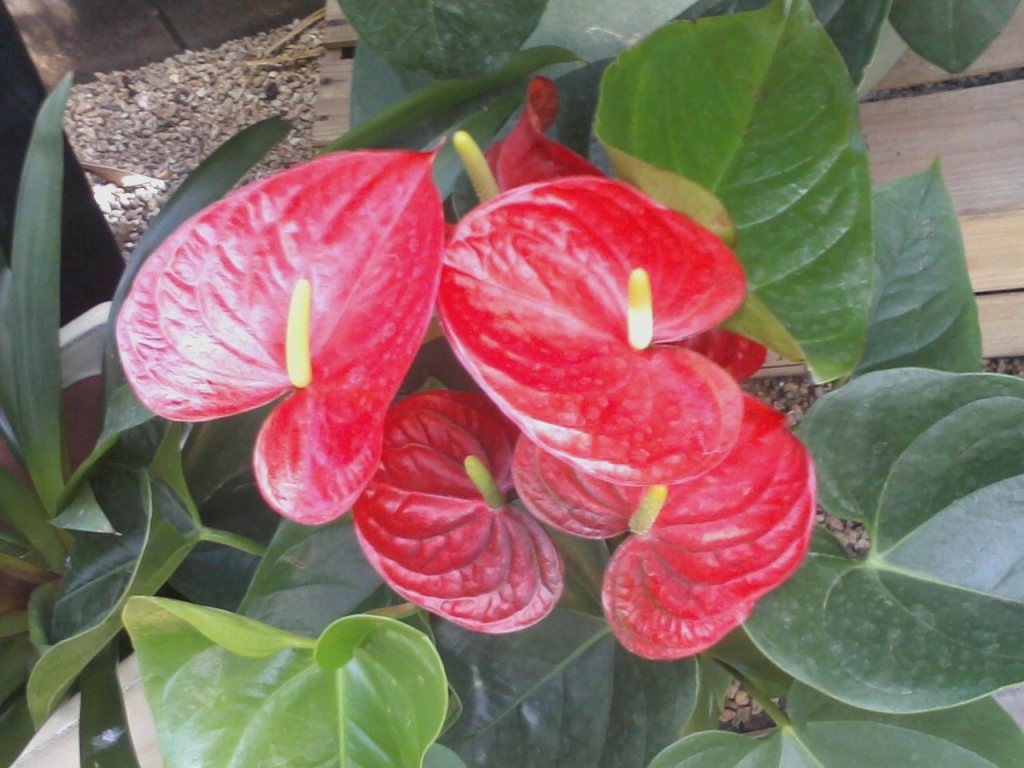
Anthurium

Anthurium seem to be upholstered with vinyl.

The diminutive and indistinguishably dense flowers of Anthurium are surprisingly pathetic relative to the flashiness of the ‘spathe and spadix’ structures that accompany them. The spadix is the generally conical structure that supports and is covered with the flowers. It is most often pale shades of white, yellow or green, but can be pink or purplish. The spathe is the solitary, colorful bract that surrounds the spadix. It is most often white, red or burgundy, but can be orange, pink or pale shades of yellow or green.

There are nearly a thousand known specie of Anthurium. Most but certainly not all have glossy foliage. Leaf shape and size is as variable as flower color. Most Anthurium are terrestrial understory plants that grow below higher canopies of tropical mountain forests of Central and South America. Others are epiphytes that cling to trees, or lithophytes that cling to rock outcroppings.

Around the home, they are mostly grown as houseplants as much for their rich green foliage as for their colorful blooms. In the garden they need shelter from direct sunlight and frost. Blooms, and perhaps other parts, are toxic.