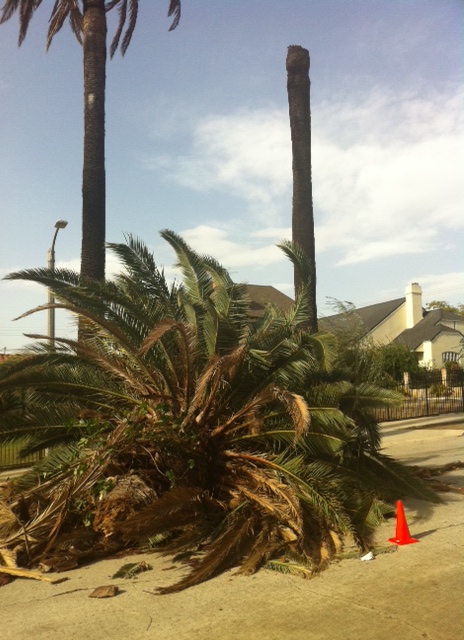
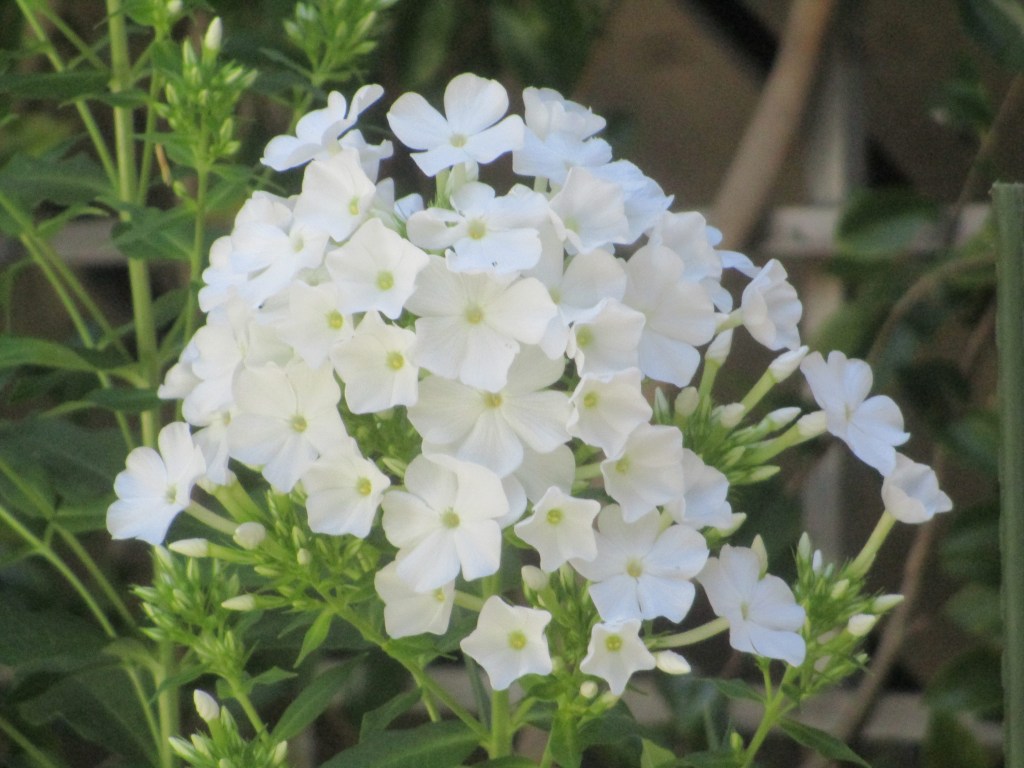
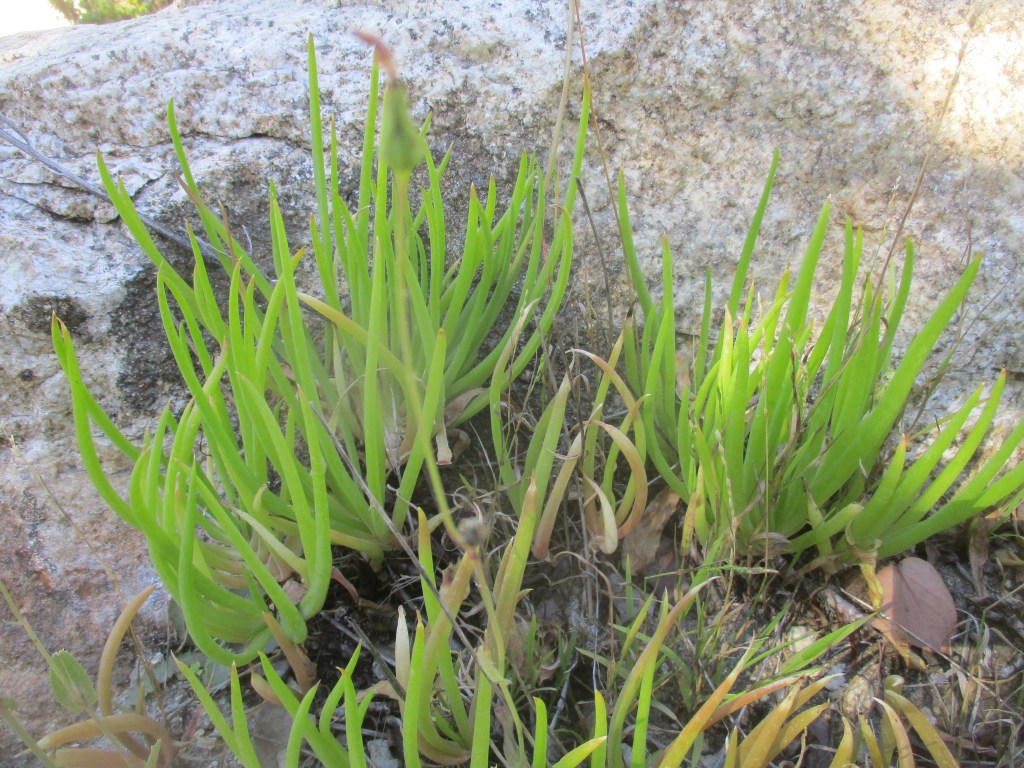
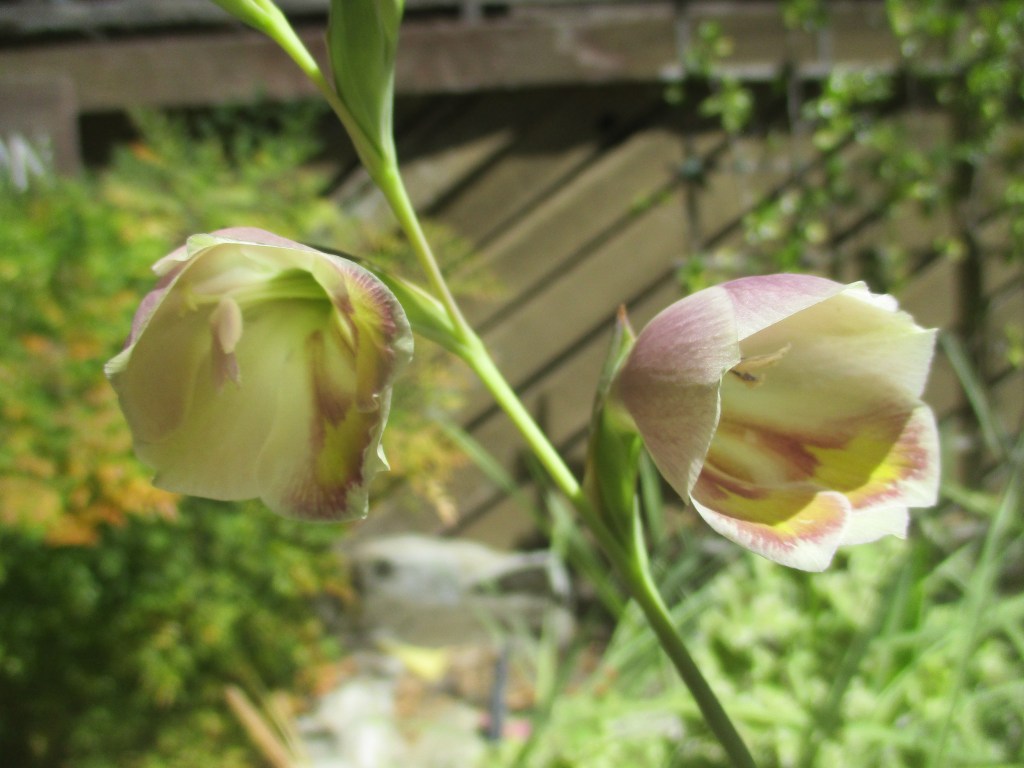
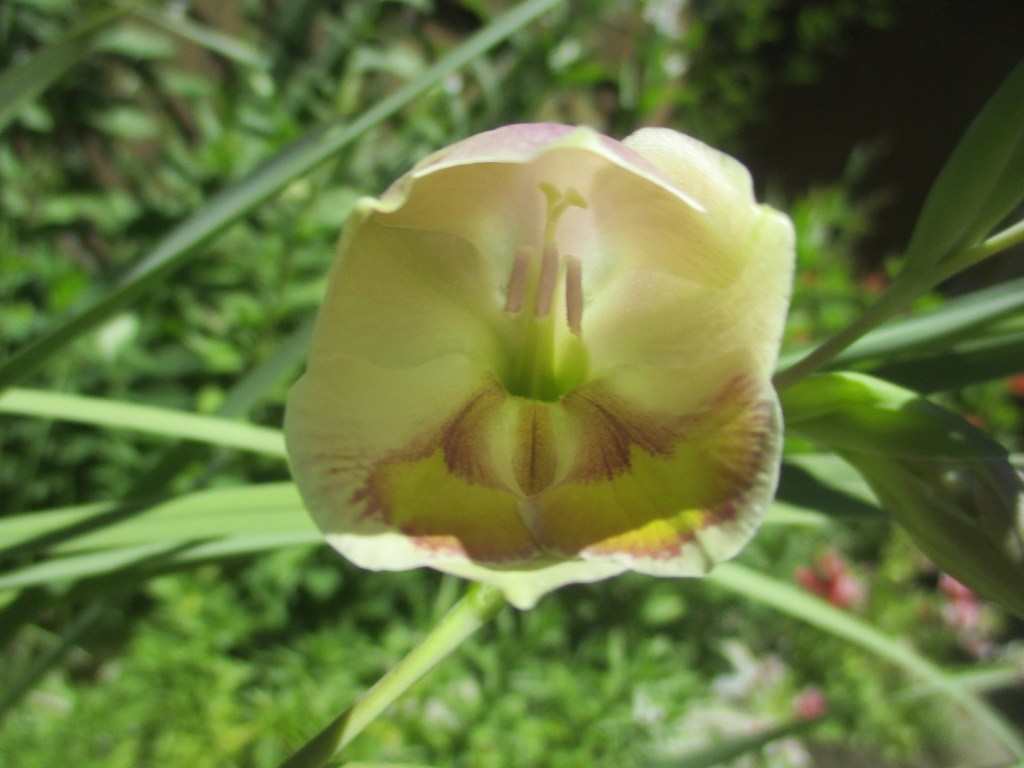
This is the first ‘Six on Saturday’ post that I ever reblogged. I only do so because the post that I should reblog was somehow already reblogged. I do not know how, why or when. Anyway, this ‘Six on Saturday’ post is timely because the cannas are blooming now. Since posting these pictures three years ago, I identified #3 as Canna musifolia, and #5 as ‘Pretoria’. #6 is still ‘Wyoming’. I have no idea what #4 is.

There are only four pictures of cannas here. I could have gotten two more for an even six, but would have needed to get them elsewhere. These six pictures were obtained within one of the landscapes at work. Except for pruning a grapevine and flowering cherry trees, I do not work in this garden, so can not take credit for these cannas. I will take credit for the pictures though.
However, I probably should have taken pictures that show the foliage in conjunction with the bloom. Without the foliage there is not much to distinguish the big orange flowers of the last two pictures from each other.
1. Kangaroo paw, Anigozanthus, is one of my lesser favorite perennials, but happens to be one of the more practical for the chaparral climate. Besides, this one happens to be rather pretty. I do not know what cultivar, or even what species…
View original post 266 more words

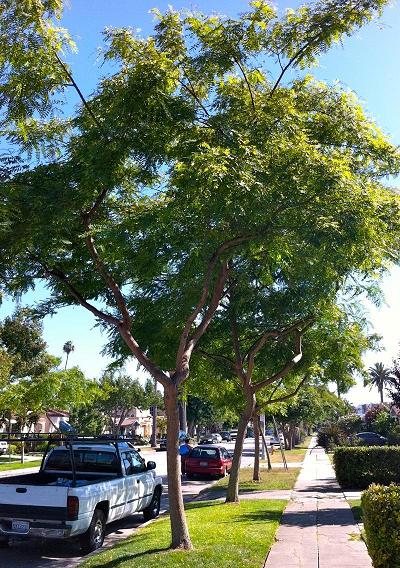

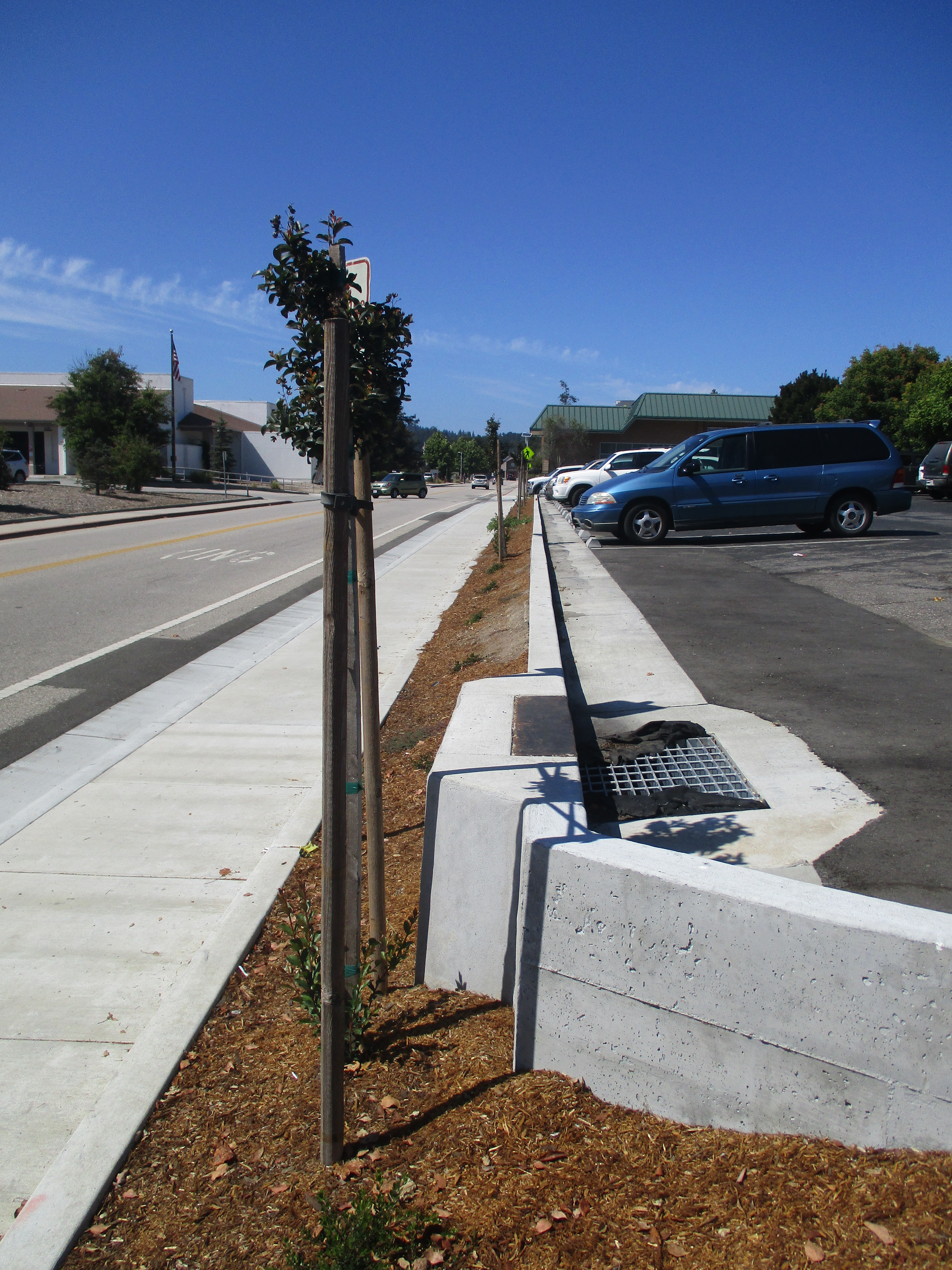 We arborists happen to like trees. That is why we are arborists. Most of us also understand that trees are not appropriate for every situation, or where they are not appreciated. There is no point in planting a tree where it will just get cut down by someone else who does not like it. We want trees to be happy. We also want those who live with them to be happy with their trees.
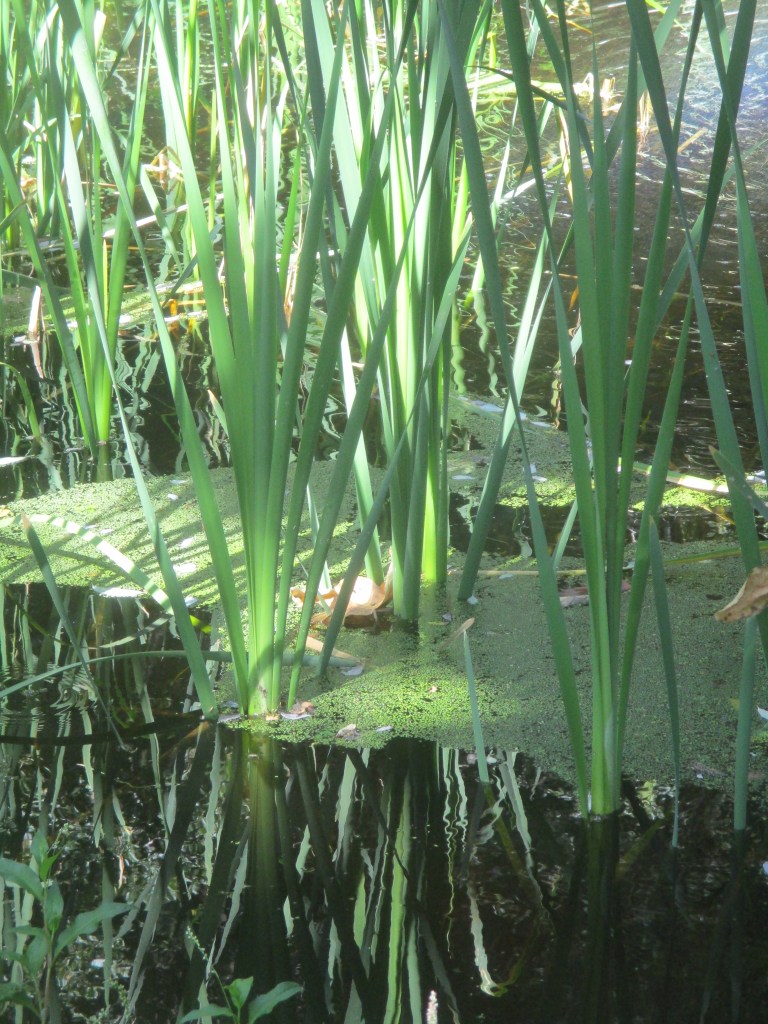
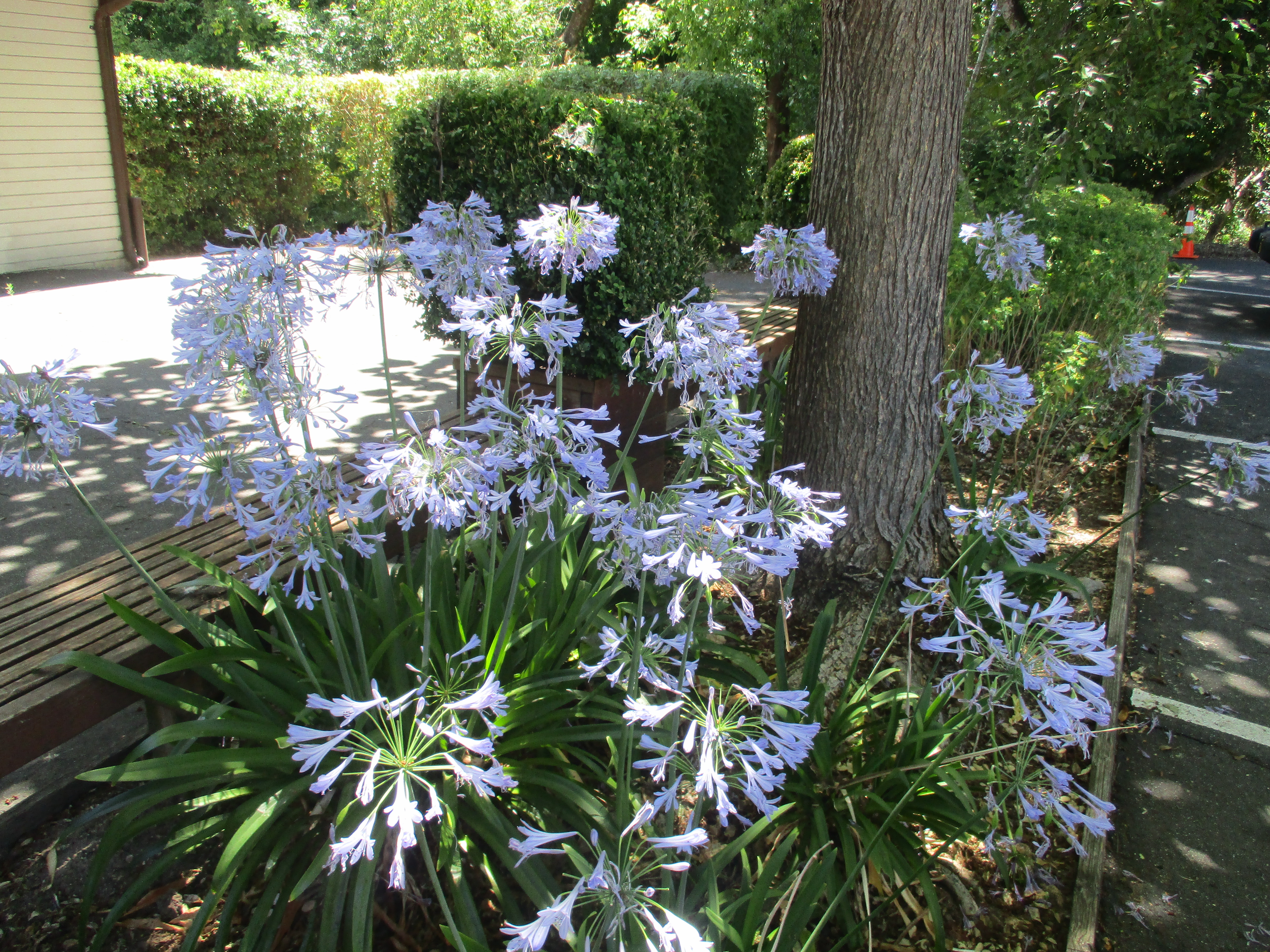 Without prior notice, I was informed on Friday morning of a workday on Saturday morning at Felton Presbyterian Church. That was yesterday. Since there was no time to get other chores done in advance, I was an hour late. Considering that we only work for four hours between eight and noon, one hour is rather significant. I felt compelled to attend regardless. A few friends who are parishioners of Felton Presbyterian Church appreciate it.