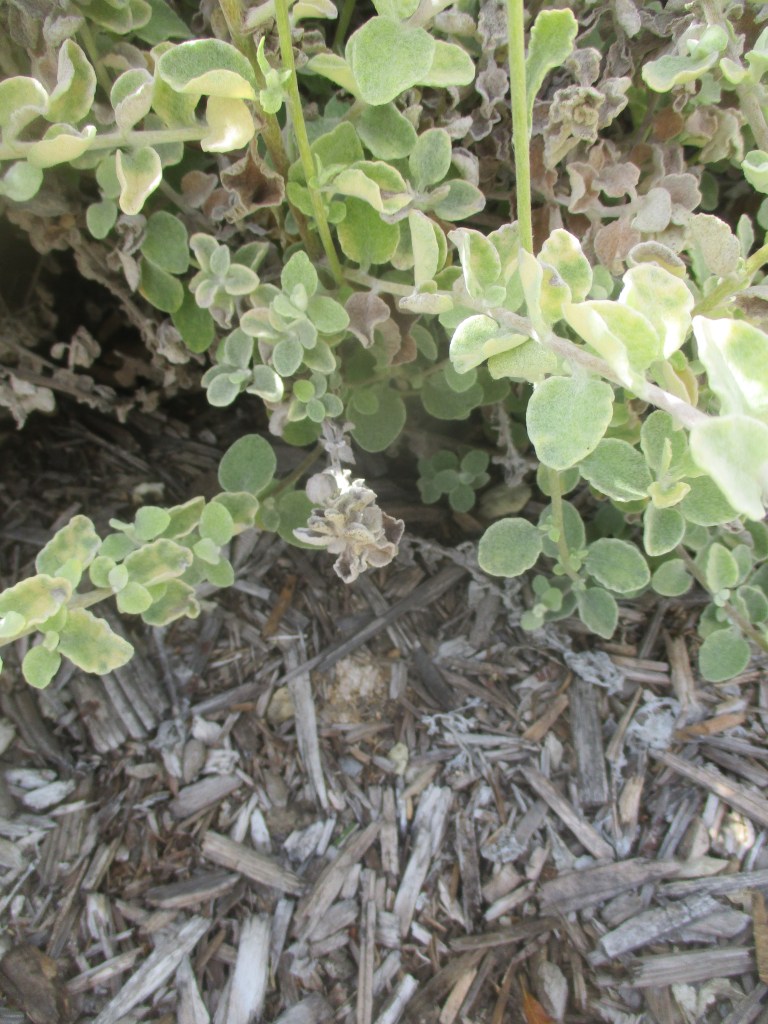
Nature is smart. It should be. It has been operating efficiently since the beginning of time. That is certainly longer than anyone has been gardening in defiance of nature. Imported plants that need unnatural watering and soil amendment continue to benefit from nature. Some assets, such as weather, are direct from nature. Some, such as mulch, are copied.
Summers are long, dry and somewhat warm here. Without rain, there is plenty of time for the soil that roots inhabit to become dry. Warmth and aridity increase the consumption of moisture by plant species that are not accustomed to such extensively dry weather. That is precisely why landscapes and home gardens are so reliant on supplemental irrigation.
Because water is expensive, plants that do not require much of it are popular. Automated irrigation systems should operate as efficiently as possible to minimize waste. Since turf grass is very consumptive, lawns should not be overly expansive. Conservation of water is common here. There are several techniques for doing so. Mulch is one of the simplest.
Although adding mulch to a garden is unnatural, it works like the natural detritus within a forest. It retains moisture and insulates the surface of the soil. Without mulch, surface soil can become uncomfortably dry and warm for roots. Mulch also inhibits the proliferation of weeds. Because weeds consume moisture, their absence indirectly conserves moisture.
Mulch generally goes into the garden during early spring, before weed seed germinates, and after the removal of the detritus of winter. It can be practical at any time though, even as the soil becomes dry and dusty through summer. Various forms of mulch are available from garden centers. Home compost works splendidly, but costs nothing more than labor.
Alternatively, several types of groundcover can function as mulch. Some types consume more moisture than they conserve, but exclude weeds. Some types, such as ceanothus, lantana and licorice plant, might not crave any more water than the plants they surround. Their maintenance should involve less effort than removal of weeds which they displace. They are more visually appealing anyway.

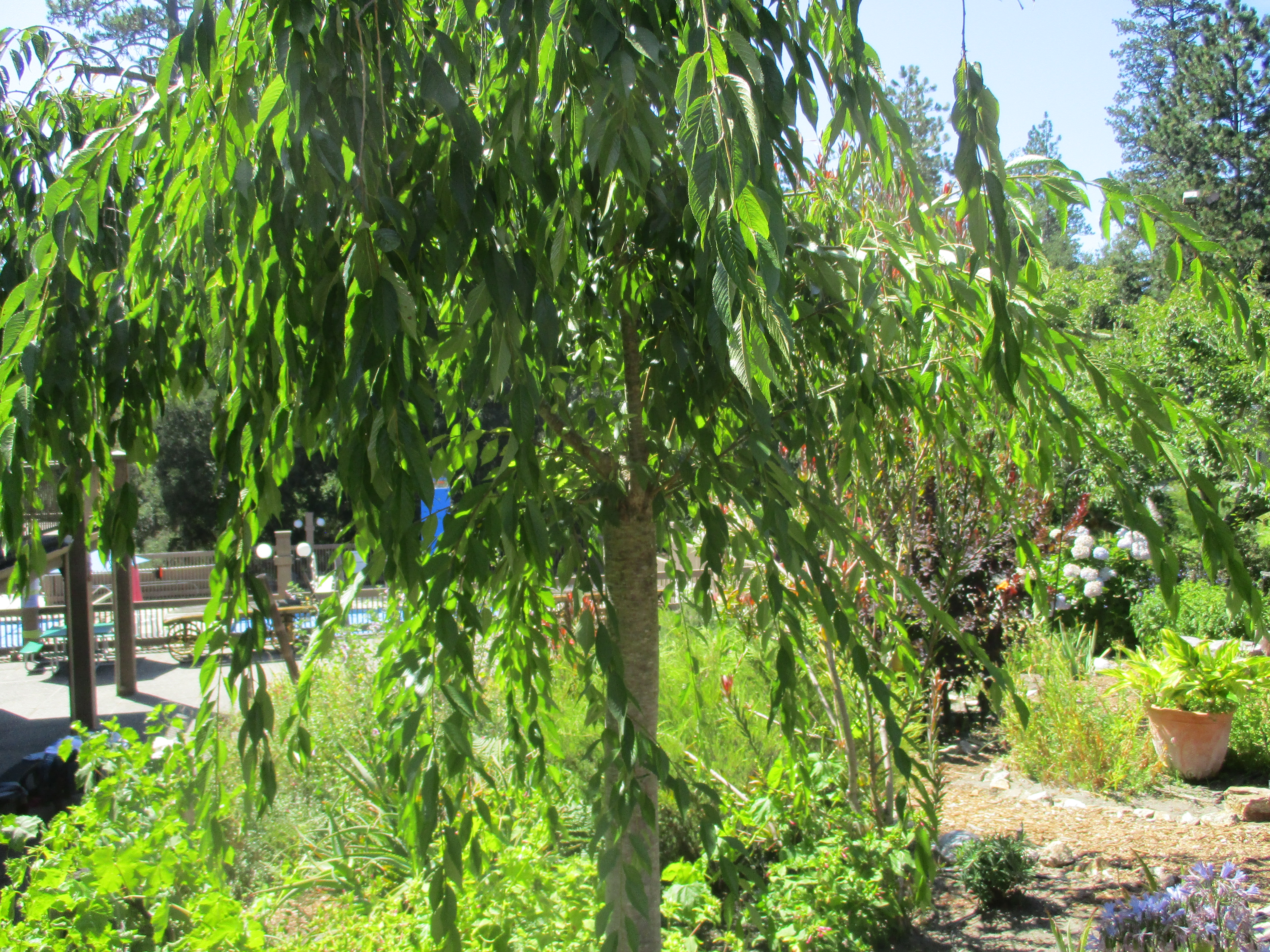 Weeping flowering cherry is another type of tree that almost never gets appreciated like it should. Like so many Japanese maples, they get planted into situation where so-called ‘gardeners’ shear them into nondescript globs of worthless foliage that only get in the way. Some get shorn so regularly that they are deprived of bloom. Their form and bloom are their two main assets.
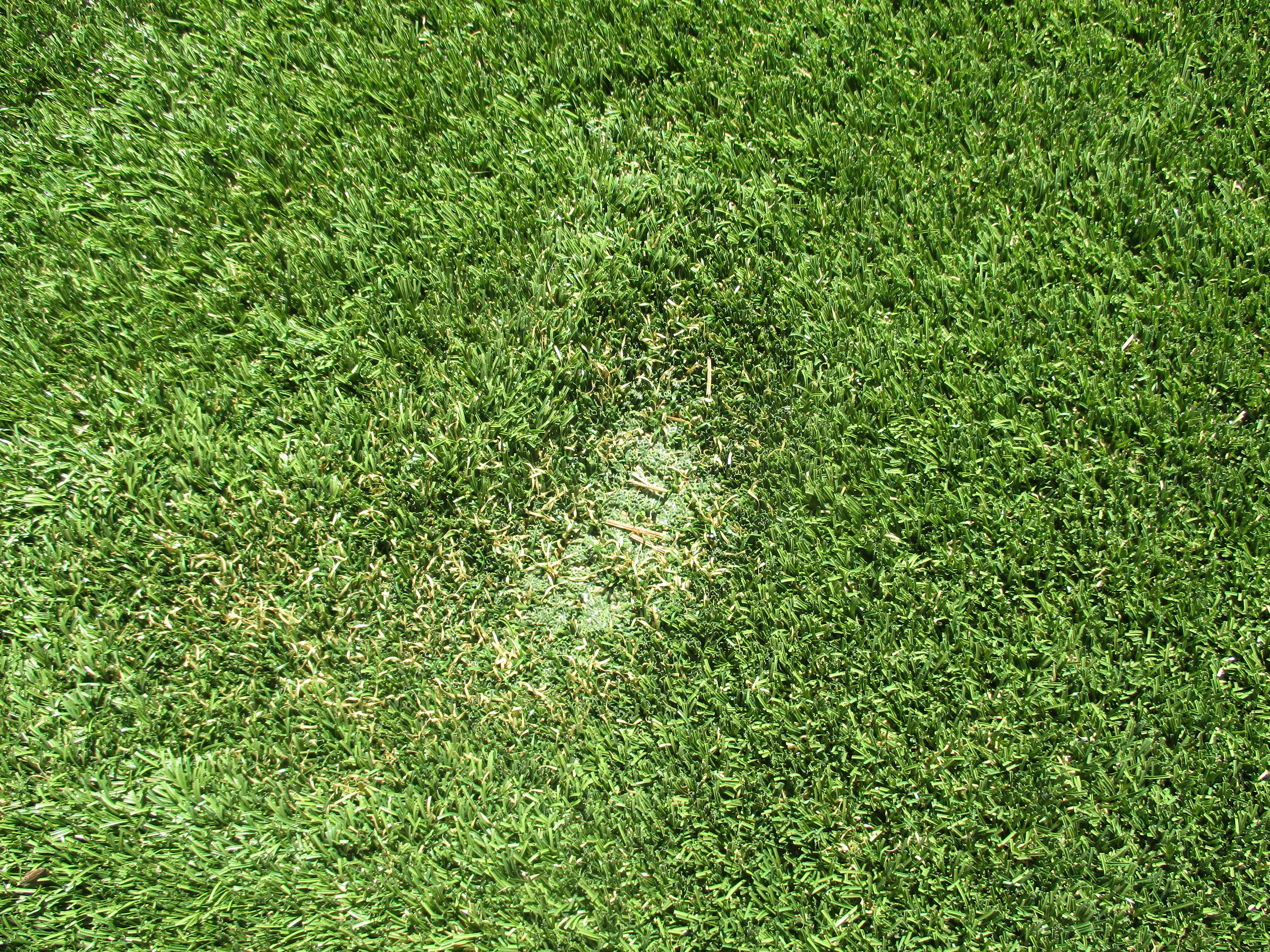 The lawn around the three small but gnarly oaks that were featured this morning in ‘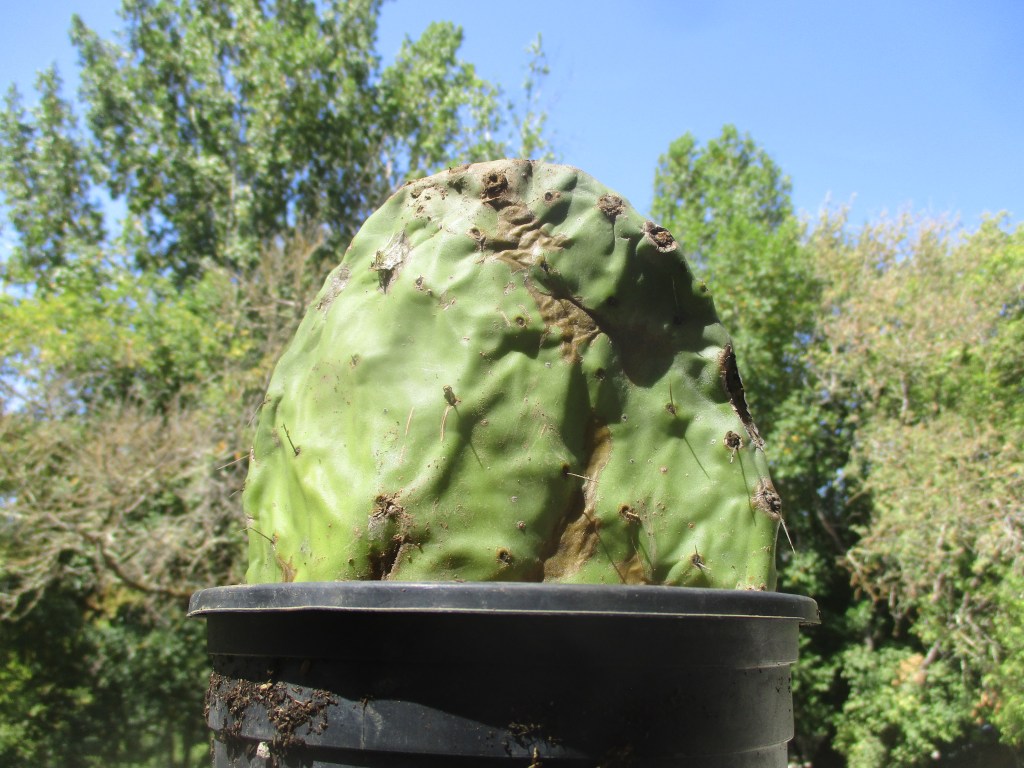



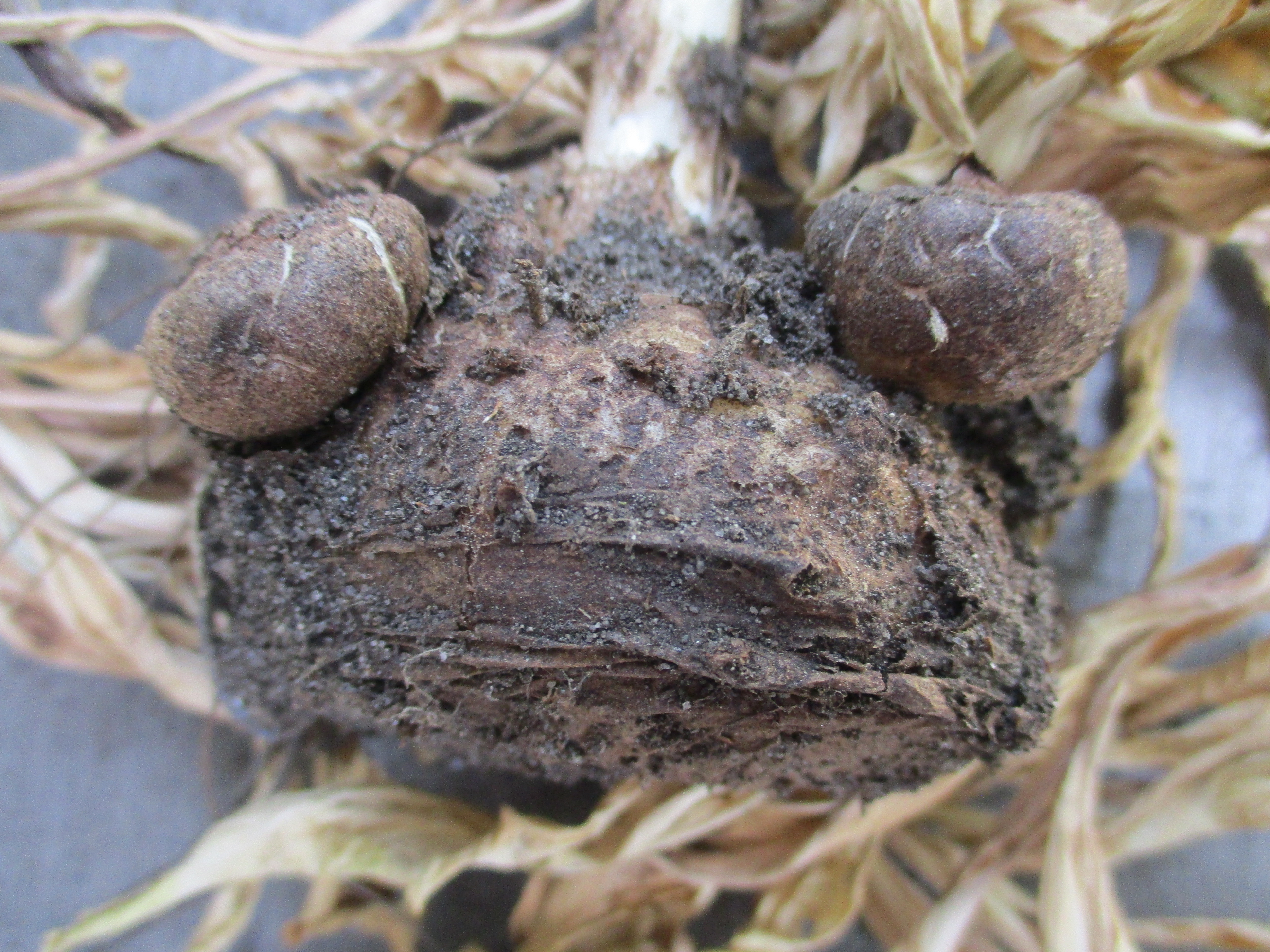 Wednesday is my day to rant. However, I neglected to get out to find a picture or even a topic to rant about. Instead, I found this ugly little . . . what I believe to be a dormant rhizome. It looks more like a tuber or a tuberous root, and very well could be. Someone at work brought it from his home garden, where countless more naturalized and became aggressively invasive.

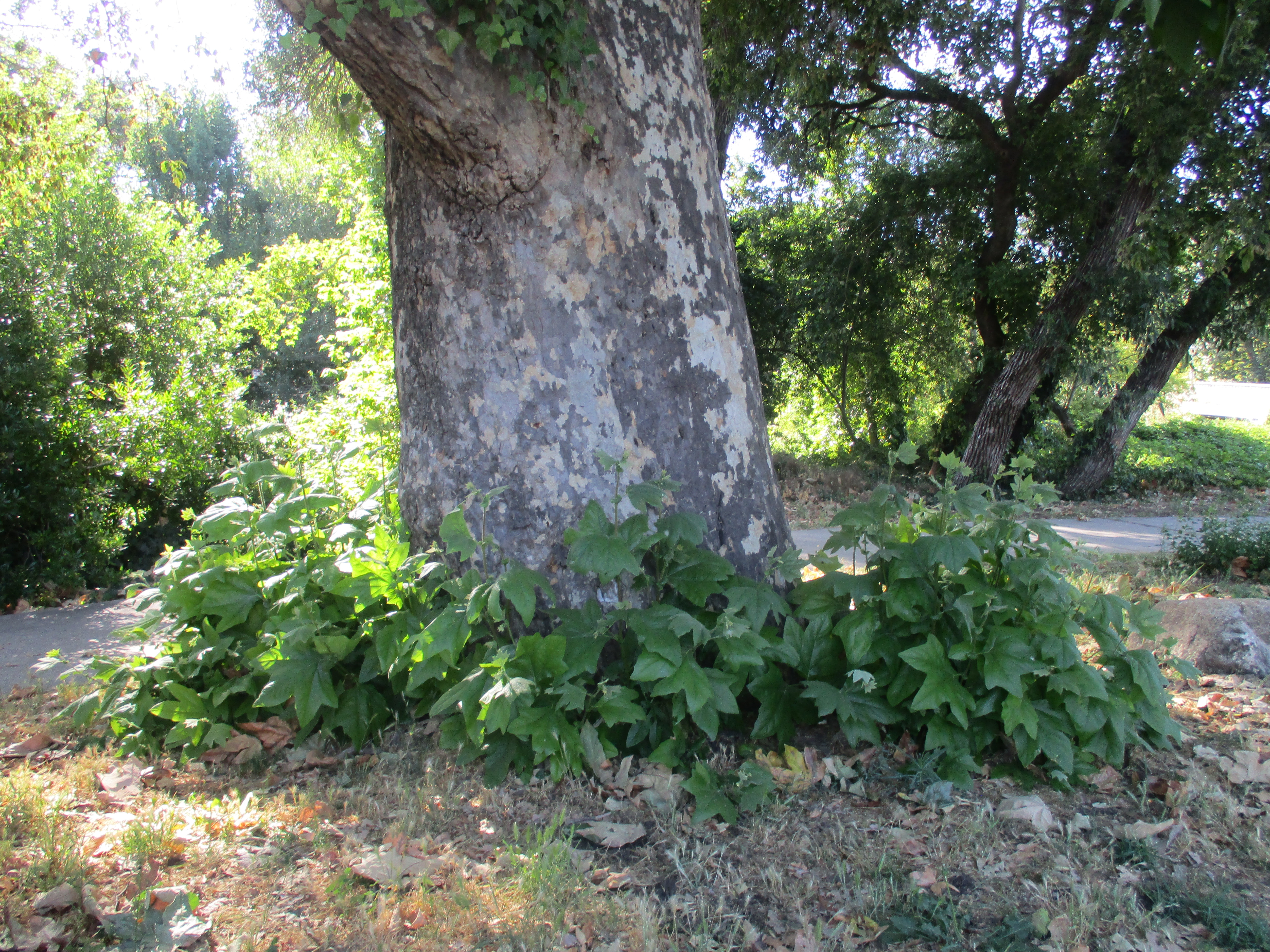 This grand sycamore has likely been here since the third day of Genesis. A few of the top branches got broken off when Noah’s Ark floated over. When I was a little kid, it was on the edge of a vacant field where road debris was dumped, and older kids rode their dirt bikes. Now it is on the western edge of the parking lot of Felton Covered Bridge Park. I write about it sometimes.
