There is not much time to finish all of the winter chores. Deciduous plants defoliate a bit late and refoliate a bit early. They do not stay bare for long. Roses were a priority for this week. We managed to prune all of them, and relocate several of them as well. Their buds are plump but still dormant. Although the weather has been pleasantly mild for the past several days, it has been more seasonably cool and even frosty for night. Seriously, there was genuine frost and even ice! It would not impress those who are familiar with wintry weather, but it makes our work a bit less rushed. All that we need now is a bit more rain.
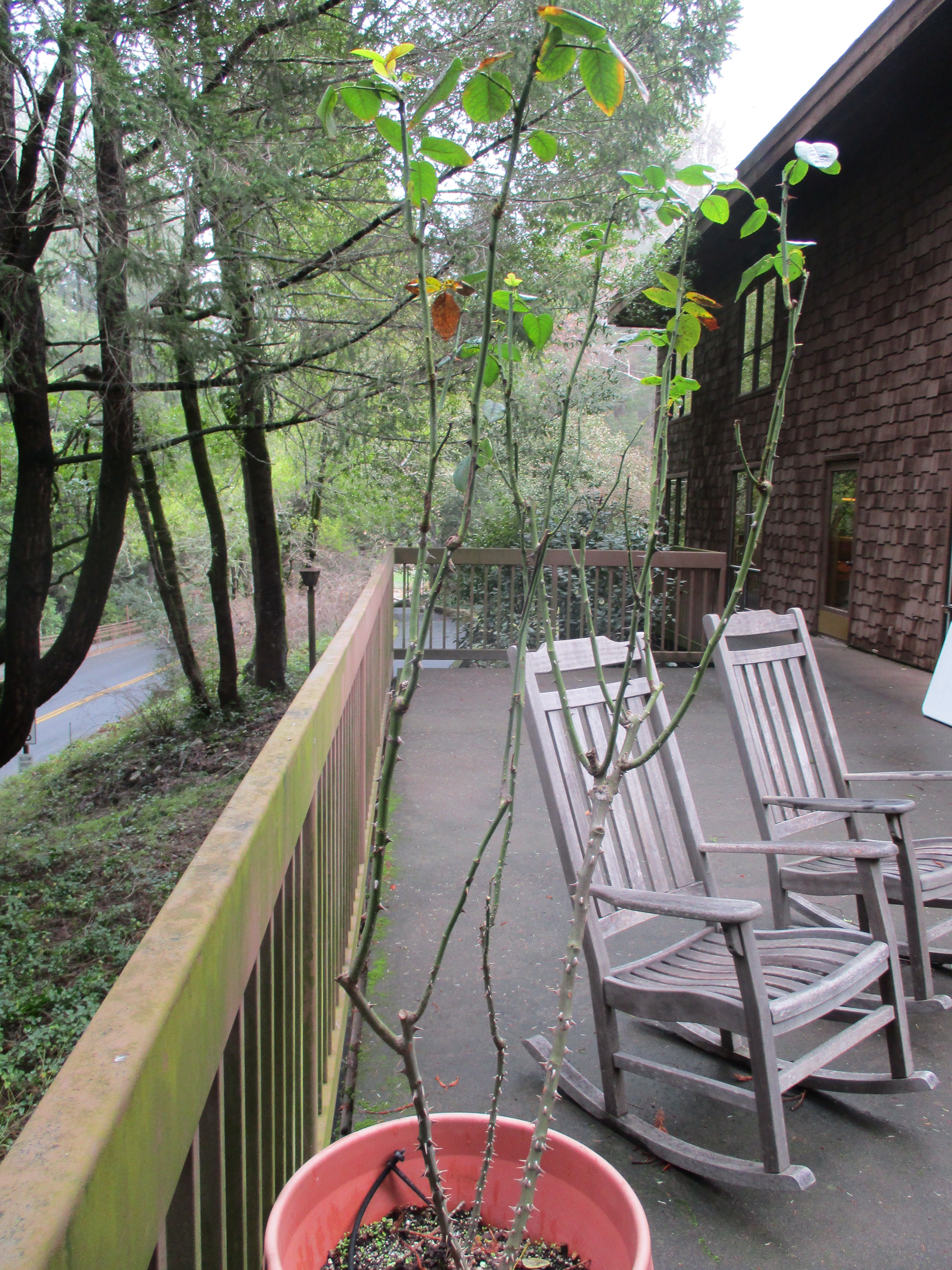
1. Pruning roses is one of my favorite winter chores. It is almost as much fun as pruning fruit trees. Just a few are my favorite hybrid tea roses though. This is merely understock.

2. Carpet roses are the most common roses in our landscapes. I loathe them. However, I have been enjoying some of them. The smaller of two big colonies generated this debris.

3. Salvia greggii appeared mysteriously near some of the roses last year. Seriously, it is a mystery. I like it enough to layer the stems from the right for little new plants to the left.

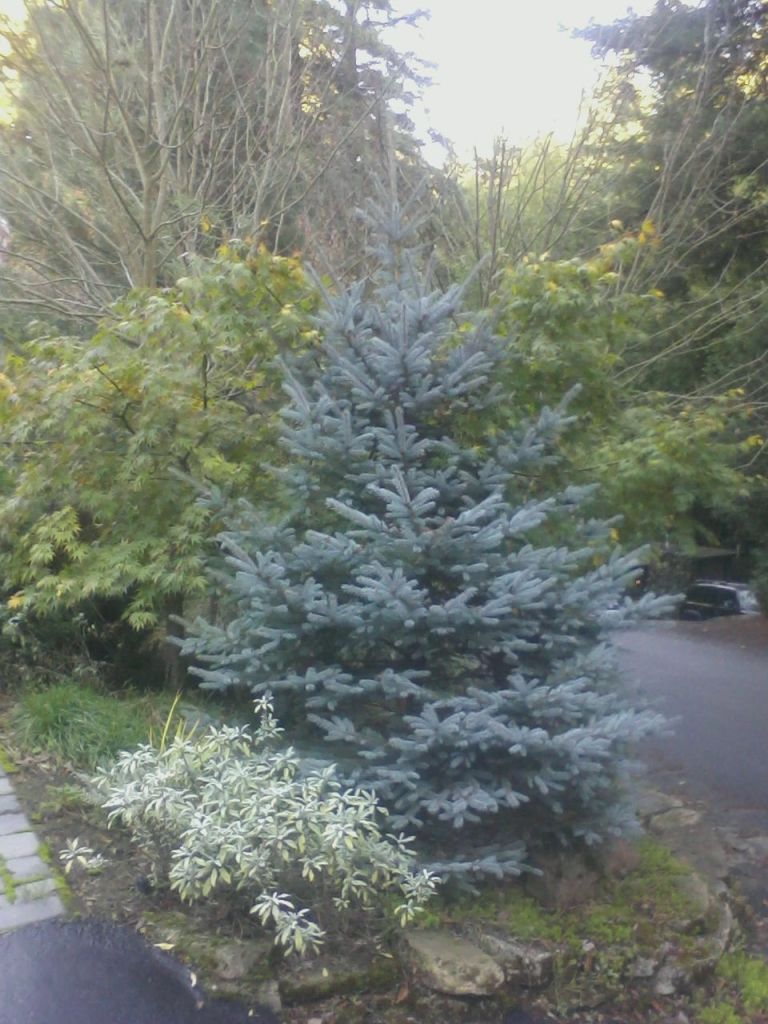
4. White fir appeared mysteriously behind the Salvia greggii just recently. It lacks roots! Excellent! It can not damage pavement or septic systems! I should propagate more of it.

5. Angel’s trumpet has been confused since it arrived. It bloomed before developing new foliage last spring, stopped blooming before autumn, and now, is trying to bloom again!

6. Winter is famously mild here. Nonetheless, the weather sometimes gets cool and even frosty. On rare occasion, it gets cold enough for icicles. This appeared here on January 2.

This is the link for Six on Saturday, for anyone else who would like to participate:


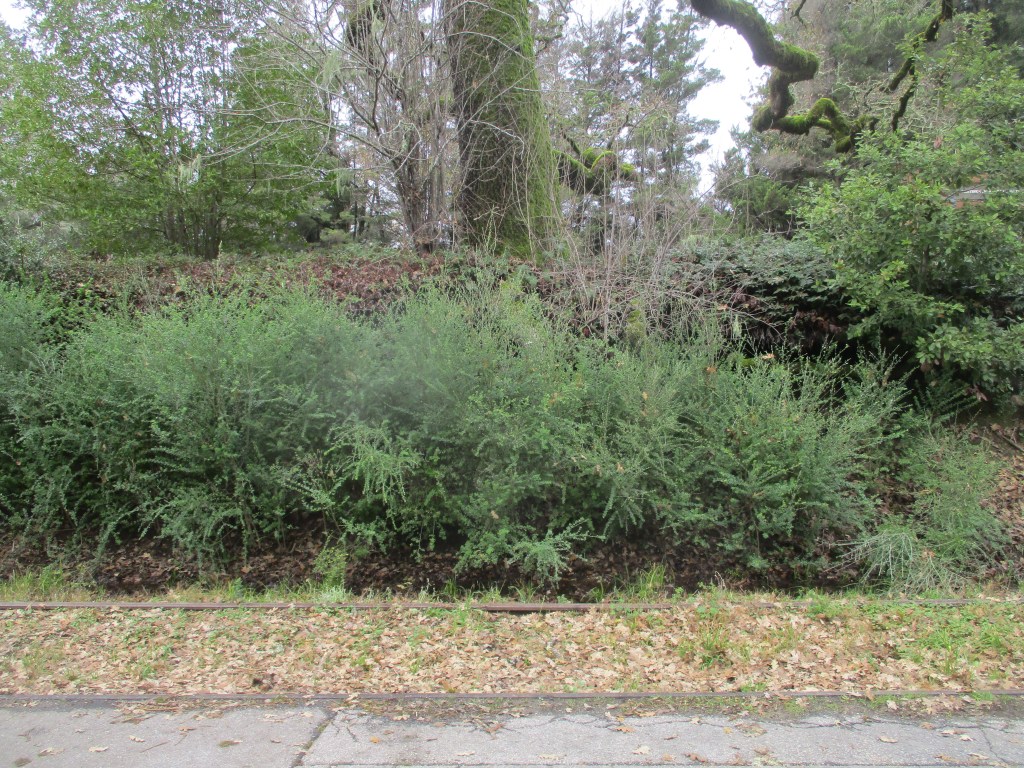
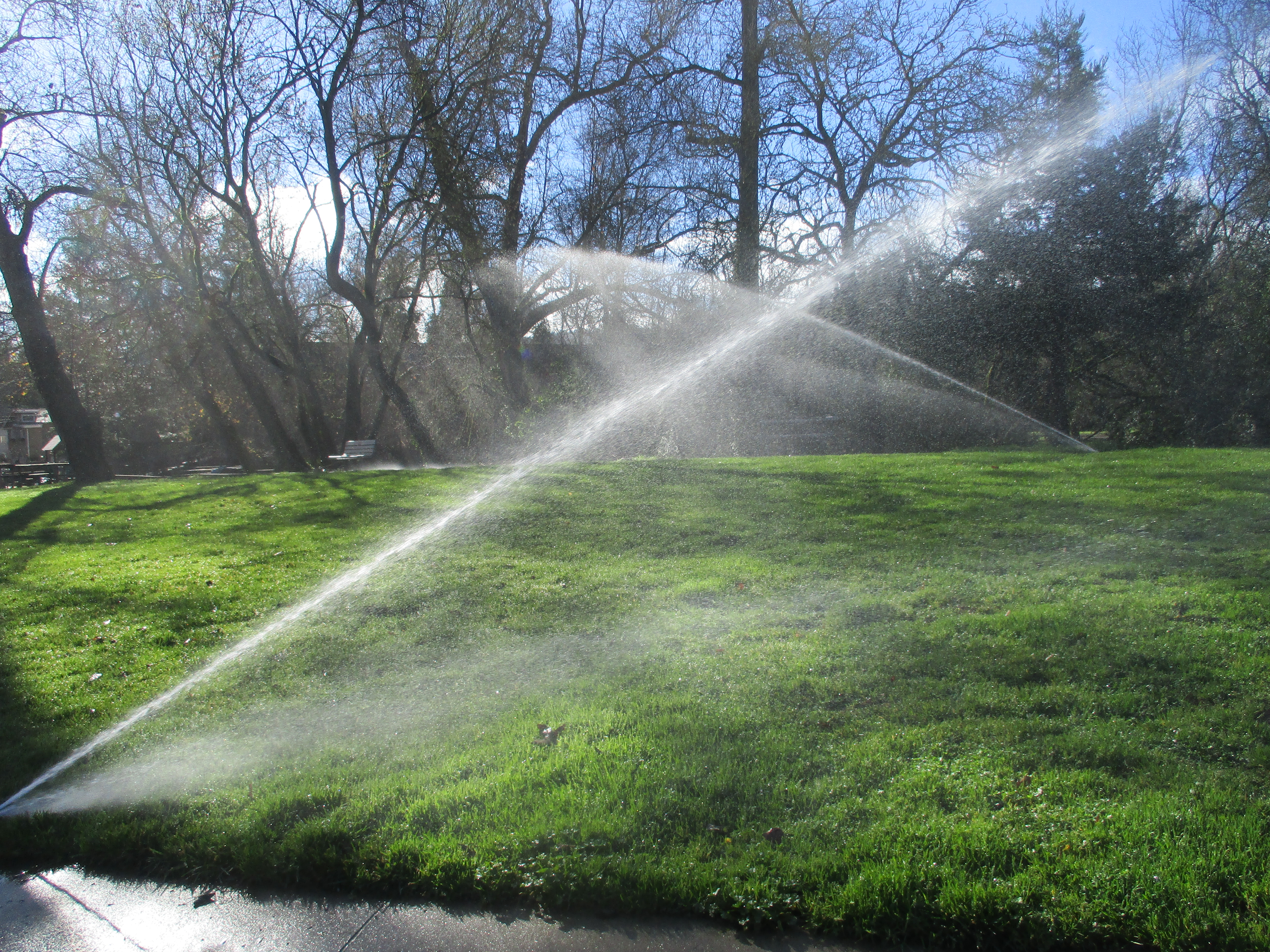 Much of California is chaparral. Much of what is not chaparral is full blown desert. Some coastal climates gets quite a bit of rain; and some climates up in the Sierra Nevada are among the snowiest places in America. Generally though, the most populous and most agriculturally productive parts of California do not get much water to spare.
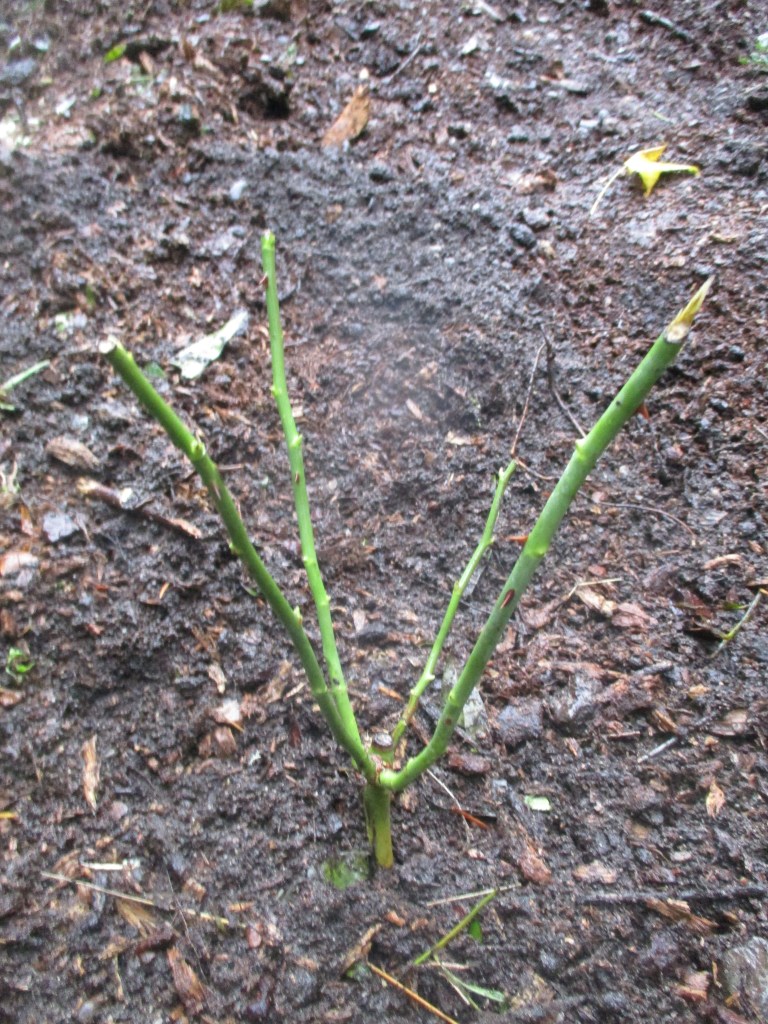
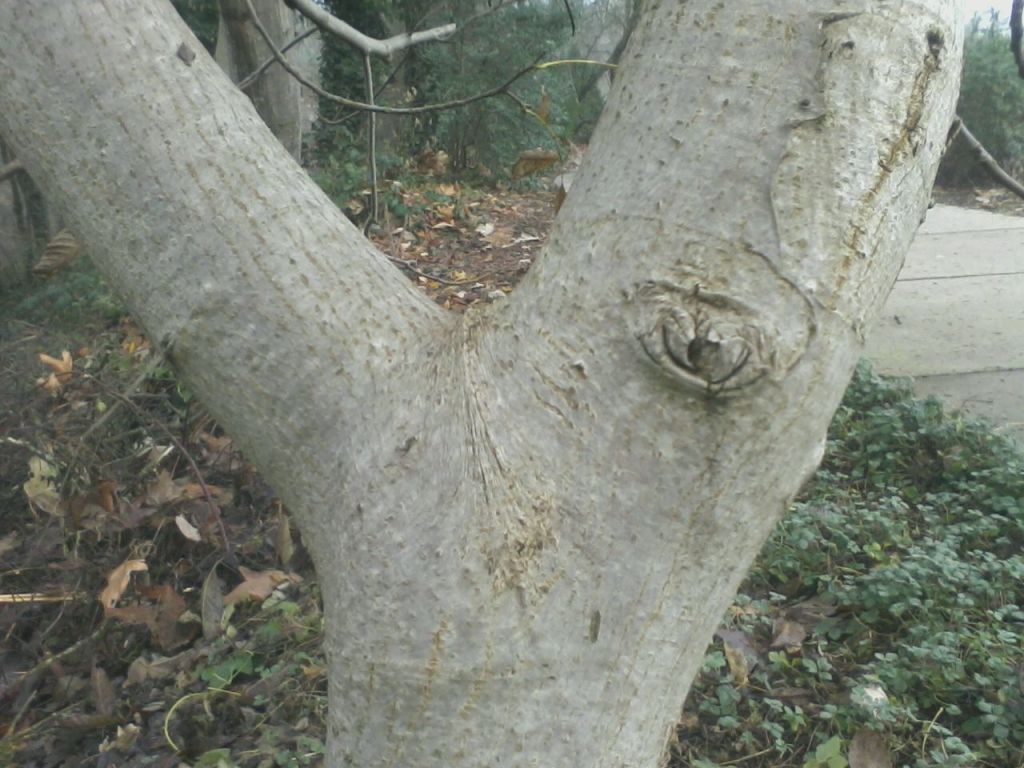
 Winter is for pruning. Any good native of the Santa Clara Valley knows that. It starts as soon as the first deciduous fruit trees defoliate and continues to the last minute rush to finish before the buds start to swell at the end of winter. It may seem like there would be no last minute rush now that all the orchards are gone, but there is so much in landscapes to prune that prioritizing and scheduling pruning takes a bit of effort. Just like we know that apples and pears can be pruned slightly later than apricots and prunes, in the landscape, we know that sycamores might be delayed until the birches are done. Naturally, I feel compelled to prune the flowering cherries and fosythias, but am almost content to wait until after they finish blooming in early spring. Of course, I cringe as I write this.
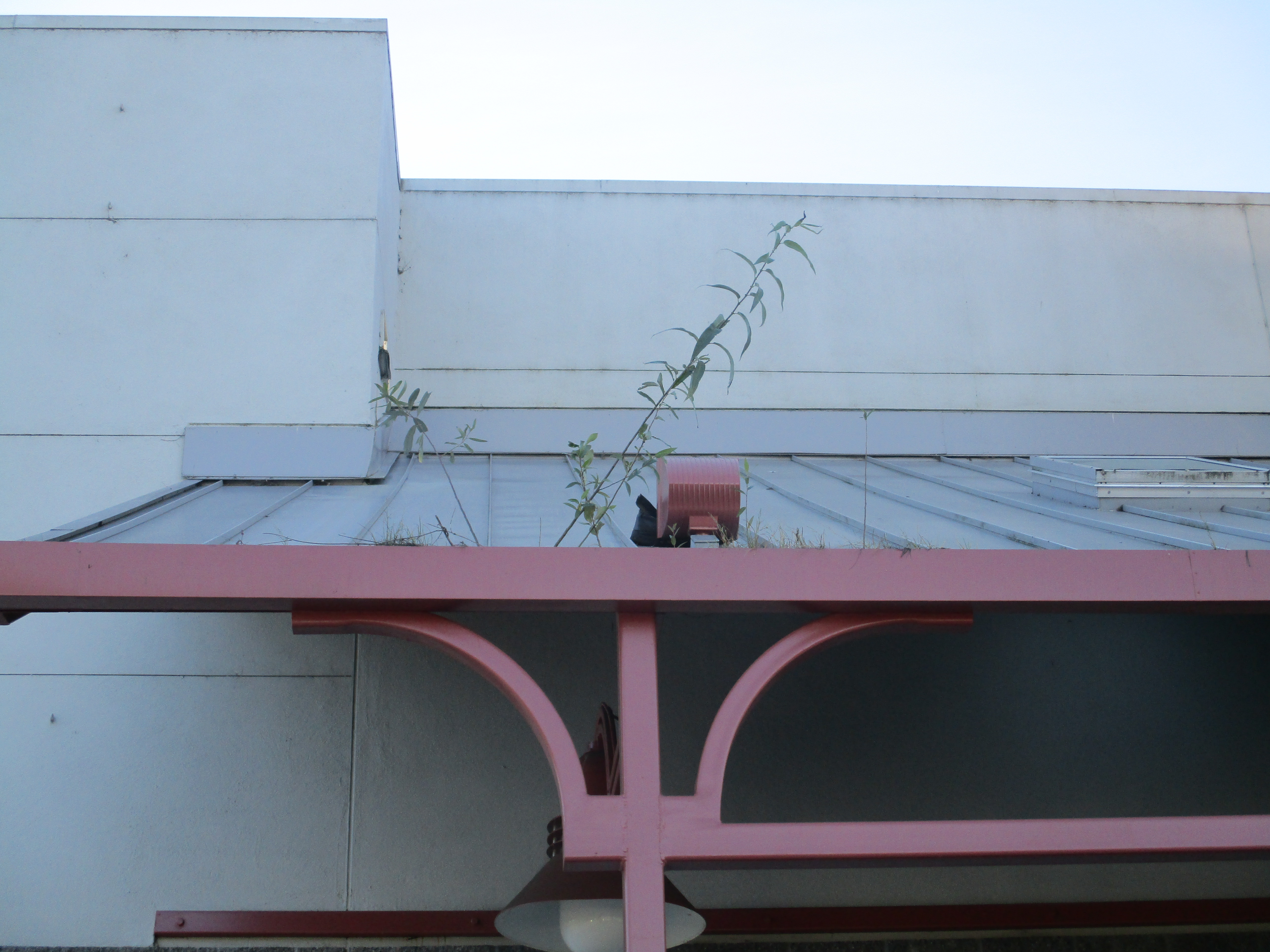 The last green roof that I wrote about was planned, although not in a typical manner.


 Tony Tomeo