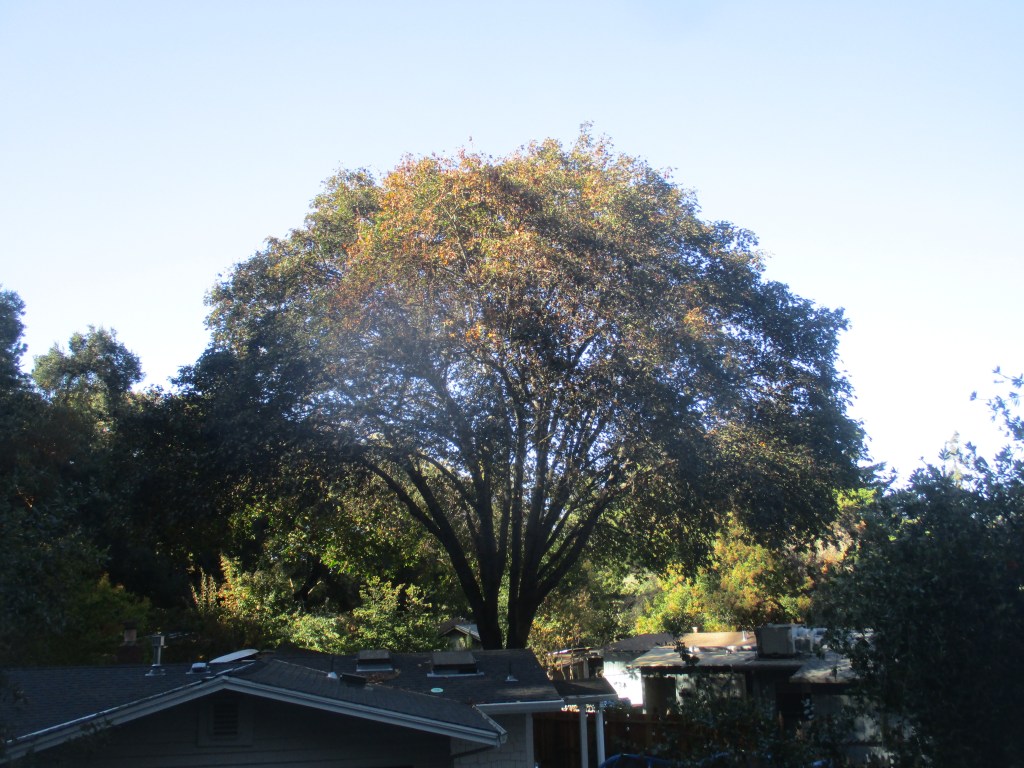
Calocedrus decurrens. Incense cedar. The first tree that I ever planted was a small incense cedar, like the tree in the picture here. Of course, it was not this big when I planted it.
It came from my maternal grandparents’ cabin near Pioneer, in the foothills of the Sierra Nevada. It was a wild seedling that might have been pulled up because it was where the cabin was to be built. My grandmother planted it into a small wooden planter in the backyard. Once it recovered and started to grow, she gave it to my parents, who had me plant it on a small hill in the back yard. Although not native to the Santa Clara Valley, it did well, and grew tall and lean. I tend to compare all incense cedars to my first tree.
Almost all are older and bigger, with plump trunks. I can guess from…
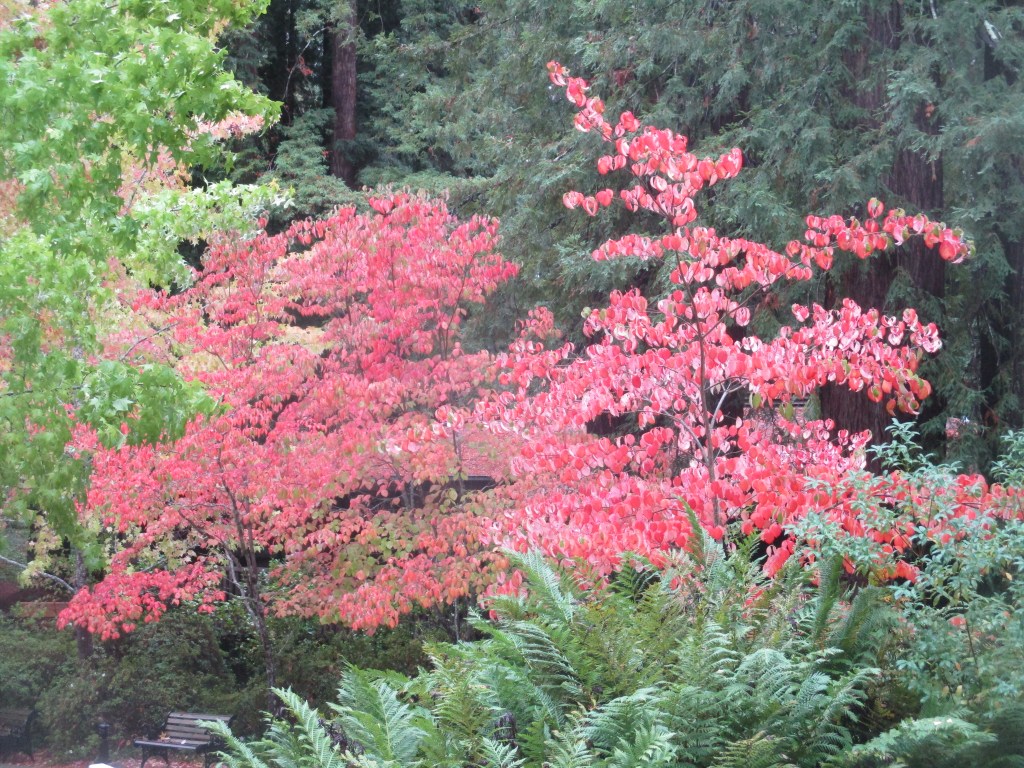
New England is even farther away than Williamsburg. Although I have never been there, I sometimes think that some of the vegetation here resembles vegetation there, particularly as foliage and berries get colorful during autumn and winter. Autumn is a bit later here, and does not last as long. The associated color is relatively subdued. There are not as many colorfully deciduous trees. I do enjoy showing off what we get though. There is so much more to California than boringly evergreen palm trees and redwoods; and redwoods happen to make an excellent backdrop for New England style fall color! I will brag about various palms later.
1. Rio Grande turkey was intentionally naturalized here a long time ago, but only began to invade local home gardens since about the 1990s. To me, they look like they belong in New England.
2. Lantana camara makes these weird black berries, which the turkeys are not interested in. Just like turkeys, colorful (or just black) berries in autumn remind me of gardens in New England.
3. Moss, which had been rather grungy and brown through late summer, is now rich and vibrant green from rain last Wednesday. I suspect that moss such as this is common in New England.
4. Tulip tree, Liriodendron tulipifera, is native to neither Maine nor New Hampshire, and was extirpated from its two native counties in Vermont, but is native to other parts of New England.
5. Flowering dogwood, Cornus florida, is coincidentally extirpated from the same two counties in Vermont that tulip tree formerly inhabited, and is also native to other parts of New England.
6. English holly, Ilex aquifolium, is from England, which is the original or Old England. It is naturalized here. Just like the other five of these six, to me, it looks like it belongs in New England.
This is the link for Six on Saturday, for anyone else who would like to participate:
There are not many trees that are as reliable for strikingly bright and clear yellow autumn foliar color as the maidenhair tree, Gingko biloba, is, even in mild coastal climates. The distinctive leaves flare out like fish tails, each with a prominent cleft that divides it into two wide lobes. (The species name ‘biloba’ means ‘two lobed’.) Some cultivars lack foliar clefts, have narrower leaves, or even develop milder yellow color in autumn. Those developed for home gardens exhibit relatively symmetrical branch structure, and are exclusively male, so can not produce the stinky fruit that some older female trees drop. (Trees grown from seed can be either male or female. Female cultivars are grown for fruit production and bonsai.) Some ancient trees in Japan, Korea and China are more than a hundred feet tall. Fortunately, maidenhair tree grows slowly enough to stay proportionate to compact urban gardens for many decades.
Maidenhair trees develop the best yellow fall color.
Contrary to popular belief, good autumn foliar color, or ‘fall color’, is possible on the West Coast. Mild weather only limits the options for trees, shrubs, vines and perennials that color well. Besides, autumn foliar color simply is not a popular priority in western gardening.
Boston ivy must be the best climbing vine for color in autumn. Unfortunately, it is too aggressive for refined urban gardens, and clings with ‘holdfast discs’ that damage the surfaces that it climbs. It is better for freeway soundwalls and interchanges. Grapevine is a more docile option, and also produces grapes, but most cultivars (cultivated varieties) are not too remarkably colorful. Wisteria can turn an appealing shade of soft yellow where well exposed, but its best asset is still the colorful and fragrant bloom in spring.
Eastern redbud, crape myrtle, smoke tree and currant are some of the better shrubbery for autumn foliar color. Of these, Eastern redbud develops the most subdued shade of yellow; and crape myrtle develops the most brilliant shades of yellow, orange and red. Both are incidentally considered to be small trees. Smoke trees that have purplish foliage in summer are typically less colorful in autumn than those with green summer foliage. Some of the Japanese maple trees that display good color in autumn are smaller than some of the larger shrubbery.
The North American and European maples that are so colorful where autumn weather is cooler are not so impressive here. Even if the color is good, the foliage does not linger very long, but instead falls as soon as the weather gets breezy or rainy. Silver maple and box elder (which is actually a maple) which are so pretty and green through summer can actually look rather dingy as they yellow for autumn. Fruitless mulberry, tulip tree, black walnut and the various poplars and locusts can color well if the weather is just so, but display only bright yellow without orange or red. Maidenhair tree impresses with the same limited color range only because it is so reliable, and the yellow color is so very brilliant.
Really, the best trees for autumn foliar color are still sweetgum, Chinese pistache and flowering pear. They do not need much cool weather to display impressively brilliant blends of yellow, orange and red. Where the messy fruiting structures (maces) and aggressive roots are not likely to be a problem, sweetgum is a tall and elegant shade tree. Sweetgum trees innately hold their colorful foliage well, and some sheltered trees sometimes hold their foliage through most of winter. Chinese pistache is neither as messy nor as aggressive as sweetgum is, as it forms a broad and low canopy that is likely to need pruning for adequate clearance. It is becoming more popular as a street tree in many municipalities. Flowering pear is perhaps the most cooperative of the three if pruned to improve structural integrity while young, but stays smaller than the others. It is actually quite proportionate to smaller gardens of modern homes.
The article that I wanted to recycle was already recycled on my other blog, Felton League. It really did conform to the HorridCulture meme for Wednesday. This article was a predesor to that article, which can be seen at; https://tonytomeo.com/2018/11/07/horridculture-blame/
What a surprise. There was none when I went in to use the computer as the sun came up into a clear blue sky this morning. When I came outside just a few hours later, it was everywhere. It was so thick and so aromatic that it was obviously very close, but it did not smell like it was in the ponderosa pines around Scott’s Valley where I happened to be at the time. Once I got on the road back to Felton, I could see that besides the monochromatic ambient smoke that obscured the surrounding hills, a prominent and much thicker brown cloud of smoke hovered low over the San Lorenzo Valley. The smoke was even thicker in Felton, and obscures the range to the west where Bonny Doon is. As I write this in Felton Covered Bridge Park, ash is falling onto the computer screen. The fire has…
Most red berries that provide color and attract birds through late autumn and winter grow on shrubbery. Berries of English hawthorn, Crataegus laevigata, grow on trees. They are not big trees, but they are distinguished. Mature trees might get no taller than twenty feet, but their furrowed trunks with weathered bark resemble those of older and statelier trees.
Trusses of small white flowers that bloom in spring are comparable to those of pear. Like pear bloom, they emit a potentially objectionable musky fragrance. Modern cultivars that bloom with pink, double pink or double red flowers are less fragrant. English hawthorn is uncommon locally. The few cultivars that produce yellow or orange berries might be rare.
The deciduous leaves of English hawthorn are only about an inch or two long and wide. They are deeply lobed, with a handsomely coarse texture. Foliage can turn rusty orange or brownish yellow for autumn. Defoliation exposes any remaining berries, at least until the birds finish with them too. Thorns are unfortunately unavoidable.
Red berries that ripen through autumn and into winter are becoming prominent. They are too brightly colorful and profuse to hide. Those that do not attract too much attention from wildlife may linger after floral color is finished. Some may last longer than the earliest fall color. Otherwise, if wildlife consumes all of the red berries, that is what they are there for.
Plants are naturally exploitative. Since they are inanimate, they exploit that which is not. Those that do not rely on wind for dispersion of their pollen and seed expect insects and animals to do it instead. Their flowers appeal to preferred pollinators, using color, texture, form, fragrance and flavor. Their fruit, which contains their seed, uses similar techniques.
Red berries mature at this time of year for two primary reasons. Plants that produce them prefer their seed to disperse during autumn or early winter. Also, they know that they can rely on birds or other wildlife to eat the red berries, and subsequently ‘disperse’ the seed within. Overwintering wildlife and migratory birds are particularly hungry as berries ripen.
Red berries are popular in home gardens for two primary reasons. Some people like the birds and squirrels who come to eat the fruit. Most people simply appreciate the red color while floral color is potentially scarce. Unfortunately, it is impossible to predict how birds will behave. They may prematurely consume berries that should provide color for winter.
Although various hollies provide delightfully glossy and densely evergreen foliage, their red berries are scarce or absent without male pollinators. (Hollies are dioecious, so their genders are distinct.) Male cultivars, which had been rare for several decades, have only recently become more available. Yet, even with pollinators, holly berries are not the best.
Firethorn (Pyracantha), toyon and a few cultivars of cotoneaster are more prolific with red berries. Toyon, or California holly, is native, and is the namesake for Hollywood. It is best in wild landscapes where it needs no pruning. Firethorn produces the most berries but is also very thorny. Some cultivars of cotoneaster are both thornless and pleasantly prolific.
I prefer to call it ‘autumn’. It sounds prettier. Perhaps it even sounds a bit more exotic, like something that happens in far away climates were the seasons are more distinct, and the weather gets a bit cooler this time of year.
‘Fall’ sounds more like a simple verb. It is merely what outdated leaves do when deciduous trees no longer have use for them. Many trees in mild climates do not even bother to indulge their foliage with a bit of color first.
Exotic places like Pennsylvania, Minnesota and Kentucky get autumn. Oklahoma, Oregon and Alaska get it as well, although it is commonly mistaken for fall because the deciduous foliage of most native specie turns brown in Oklahoma, and yellow in Oregon and Alaska, with significantly less of the oranges, reds and other bright colors that are so prominent in other regions. Rather than complain about the minimal…
Perhaps, if I ever get around to cutting flowers to bring in, I should try pampas grass bloom. Not only is it a striking cut flower, but cutting it to bring it in inhibits its dispersion of seed.
‘V-A-S-E ‘ is probably how it is spelled, just like that which is pronounced exactly as it looks, or ‘vays’. ‘Vahz’, ‘vawz’ or ‘voz’ just sounds fancier, . . . or bigger.
That is how I learned it. ‘Vays’ is the smaller version that is designed to contain one or only a few flowers and maybe some foliage. ‘Vahz’, ‘vawz’ or ‘voz’ is the much larger version that is designed to contain entire bouquets or ‘floral arrangements’. Those that contain only dried flowers and foliage do not even need to hold water.
I learned this from those who were experts on the subject. My Aunt Betsy and her best friend Cathy were ‘flower children’. They rented an apartment in a hip and trendy neighborhood in western San Jose back in the early 1970s. The neighborhood was so trendy and hip that the neighbors were known as ‘hippies’. Aunt Betsy and…
Maples are annoyingly misrepresented here. Japanese maples are so much more popular than they should be, and imposed by just about every so-called ‘landscaper’ with something to prove, although few of them know or care how to take proper care of them. However, maples that actually develop as shade trees are still uncommon or even rare. Only two species are native locally. Of these, box elder (#5) is rather unimpressive, and bigleaf maple (#6) is potentially too big and too messy for refined home gardens. Norway maple has a bad reputation, but ‘Schwedler’ was a good street tree.
2. Acer platanoides – Norway maple should look like this. I do not remember the name of this cultivar. It supposedly has better bronzed color than ‘Schwedler’. I still prefer classic ‘Schwedler’.
3. Acer rubrum – red maple performs quite well in mild climates, and works well as a street tree with symmetrical and rather compact form. I do not remember the name of this cultivar either.
4. Acer circinatum – vine maple should be more popular here. It is a sculptural understory tree like the countless cultivars of Japanese maple, but is not a Japanese maple. That is why I like it.
5. Acer negundo – box elder should probably be less popular than it is. It is the most common maple of North America, and is native to every state except for Alaska and Hawaii. It is wild here.

 Calocedrus decurrens. Incense cedar. The first tree that I ever planted was a small incense cedar, like the tree in the picture here. Of course, it was not this big when I planted it.




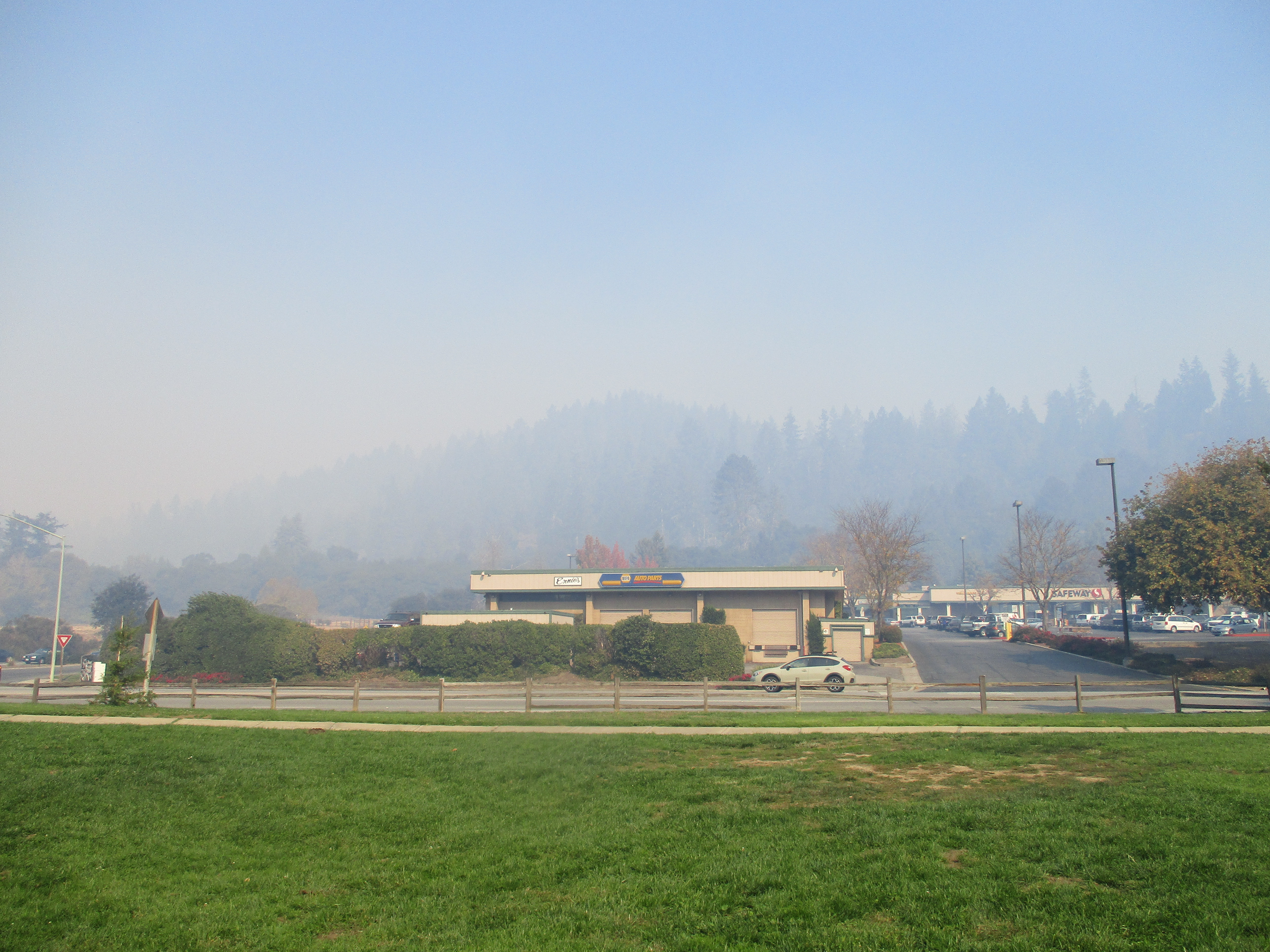 What a surprise. There was none when I went in to use the computer as the sun came up into a clear blue sky this morning. When I came outside just a few hours later, it was everywhere. It was so thick and so aromatic that it was obviously very close, but it did not smell like it was in the ponderosa pines around Scott’s Valley where I happened to be at the time. Once I got on the road back to Felton, I could see that besides the monochromatic ambient smoke that obscured the surrounding hills, a prominent and much thicker brown cloud of smoke hovered low over the San Lorenzo Valley. The smoke was even thicker in Felton, and obscures the range to the west where Bonny Doon is. As I write this in Felton Covered Bridge Park, ash is falling onto the computer screen.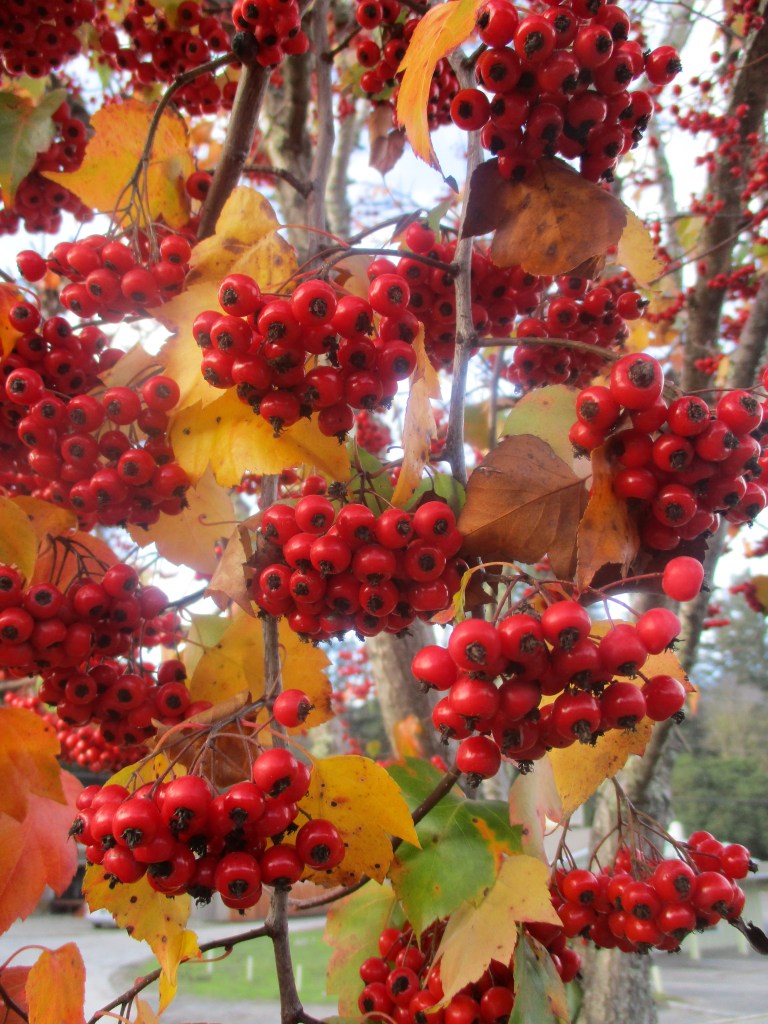

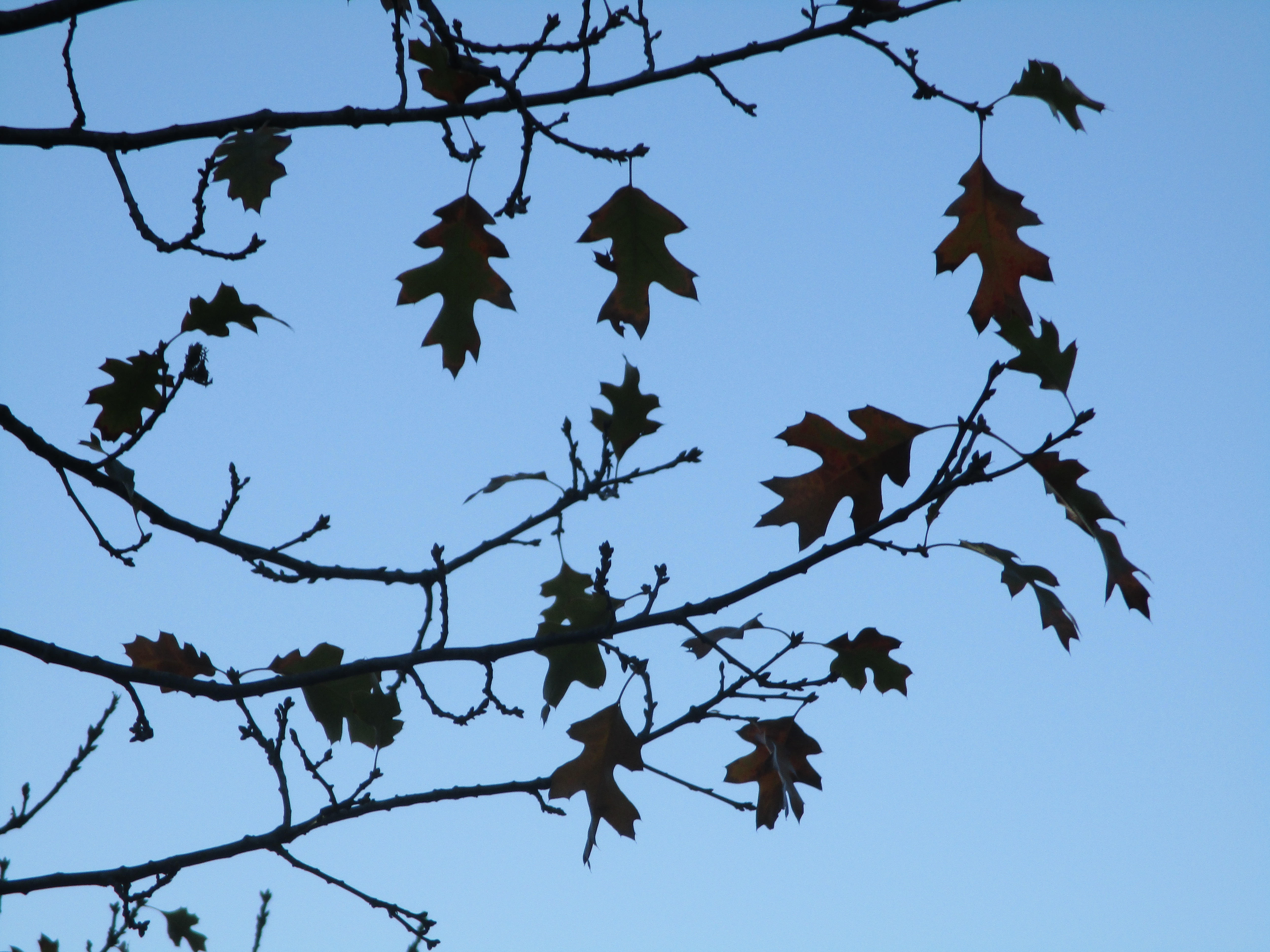 I prefer to call it ‘autumn’. It sounds prettier. Perhaps it even sounds a bit more exotic, like something that happens in far away climates were the seasons are more distinct, and the weather gets a bit cooler this time of year.
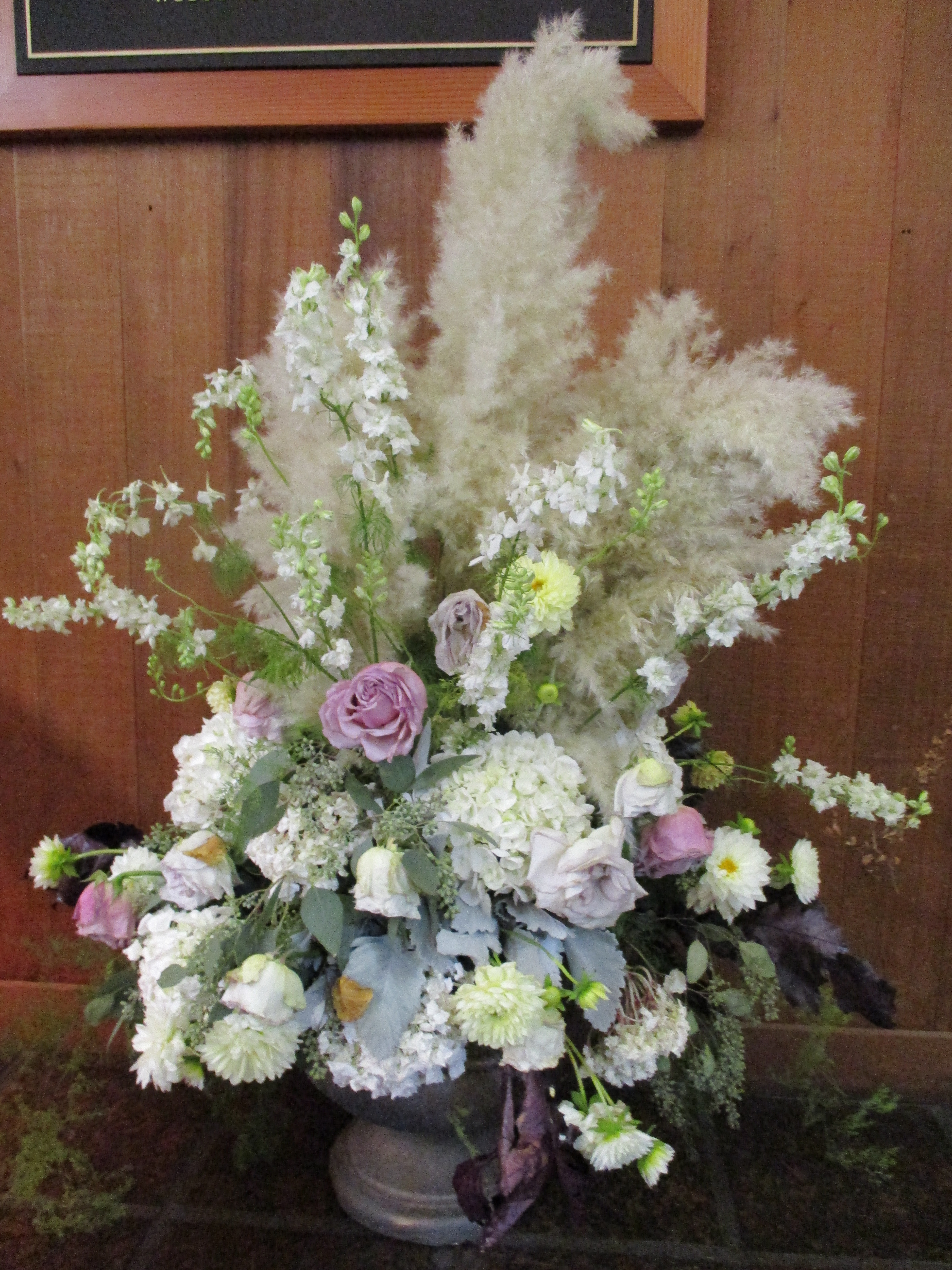 ‘V-A-S-E ‘ is probably how it is spelled, just like that which is pronounced exactly as it looks, or ‘vays’. ‘Vahz’, ‘vawz’ or ‘voz’ just sounds fancier, . . . or bigger.