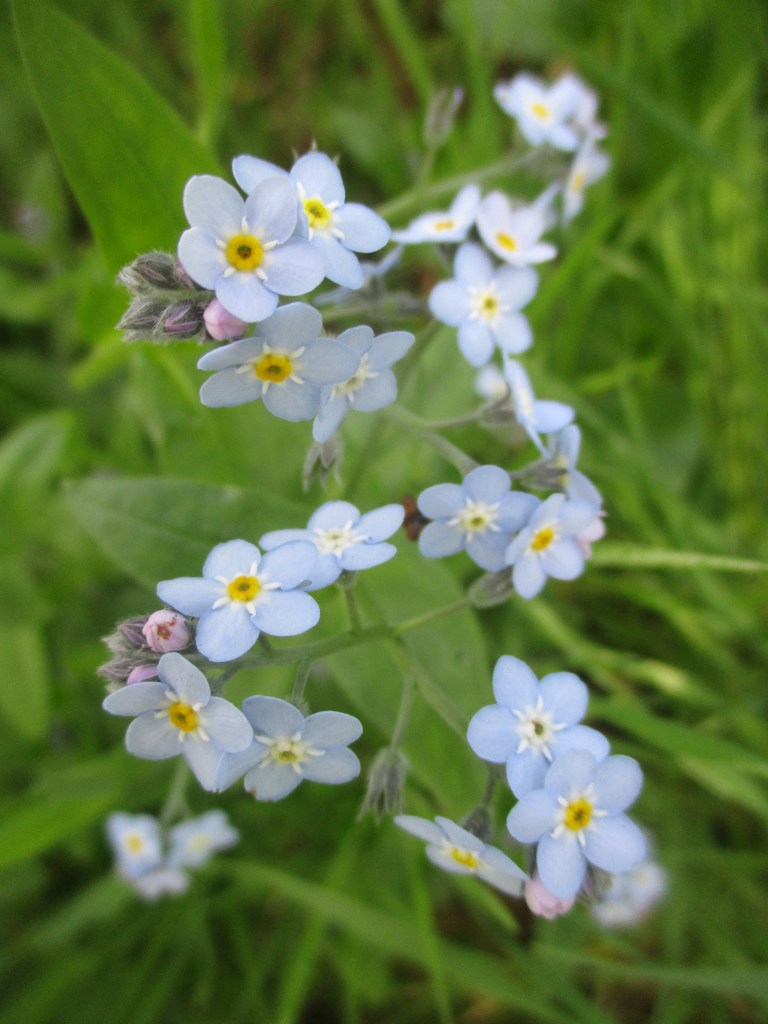
Wildflowers have been quite a fad. Relative to most fads, they are not so impractical. For some situations, they are a good excuse to waste less effort and resources on unrefined parts of the garden. Of course, they all require some degree of effort and resources. Most are neither as wild nor as natural as their marketing suggests them to be. Few are native.
Wildflowers that lived here centuries ago, prior to the introduction of exotic species, were relatively unimpressive. Although some bloomed spectacularly, they did so within a brief season. Winter is too cool for pollinators that wildflowers intend to attract. Summer is too dry for bloom to last long. Most bloom was limited to the transition from winter into spring.
The same native wildflowers bloom even less now than they did centuries ago because of competition with exotic species. Most exotic species that compete with wildflowers are feral forage crops that lack colorful bloom. They grow so vigorously that they obscure the natives. Mitigation of such undesirable vegetation ruins wildflowers that mature within it.
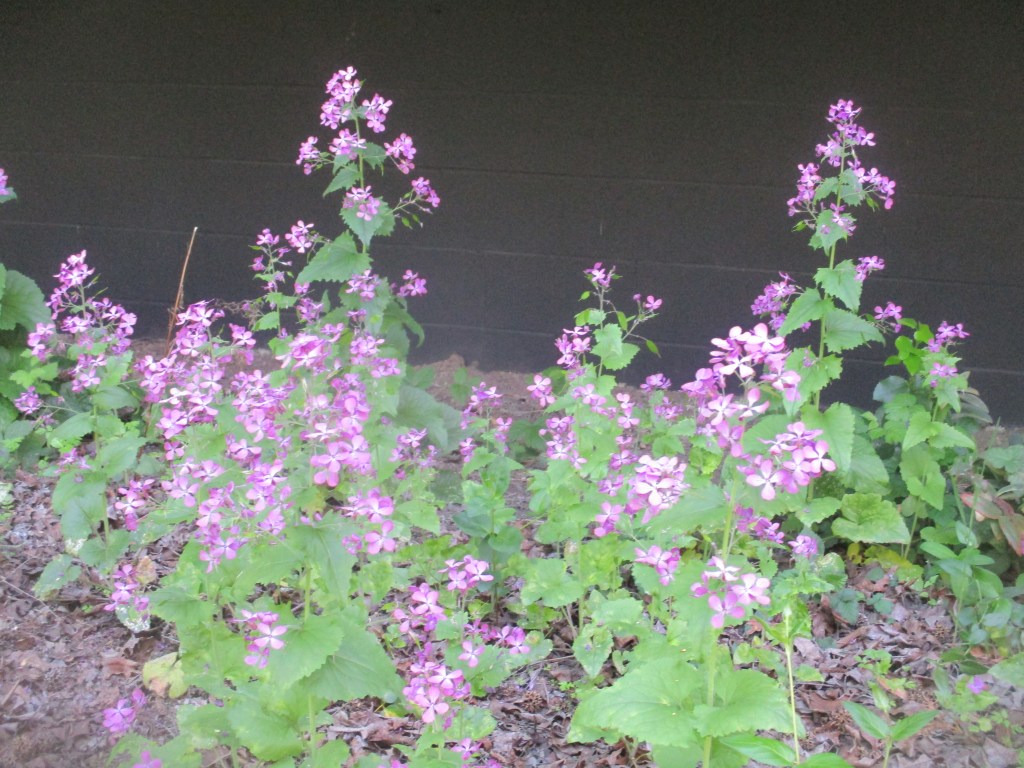
Most of the best wildflowers here now are as exotic as feral forage crops. Those that are native might be more reliant on unnatural cultivation. California poppy, evening primrose, and native annual lupines might prolong bloom with a bit of extra water through summer, but need weeding. With the same watering, (non-native) cosmos stands up to the weeds.
Unfortunately, vegetation management is more important than wildflowers outside of the refined garden. Overgrown weeds are combustible and can be dangerous to pets. Weed whacking too often involves wildflowers before they get their chance to bloom, as well as foliage of spring bulbs after bloom. (It sometimes damages bark of trees and shrubs too.)
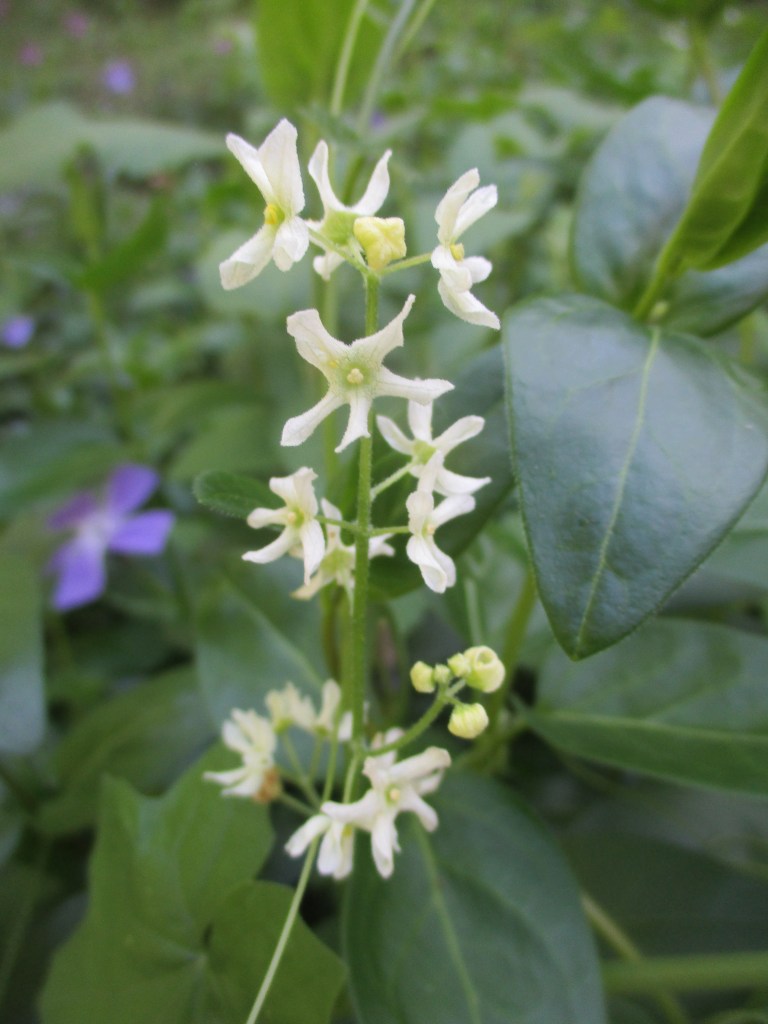
Some low and dense perennial wildflowers are more reliable than annual sorts because they exclude annual weeds. Saint John’s wort and periwinkle are invasive exotic plants, but work well as ground covers. Mowing or shearing them late in winter slows their competing weeds, and also enhances their foliar density before competing weeds regenerate.

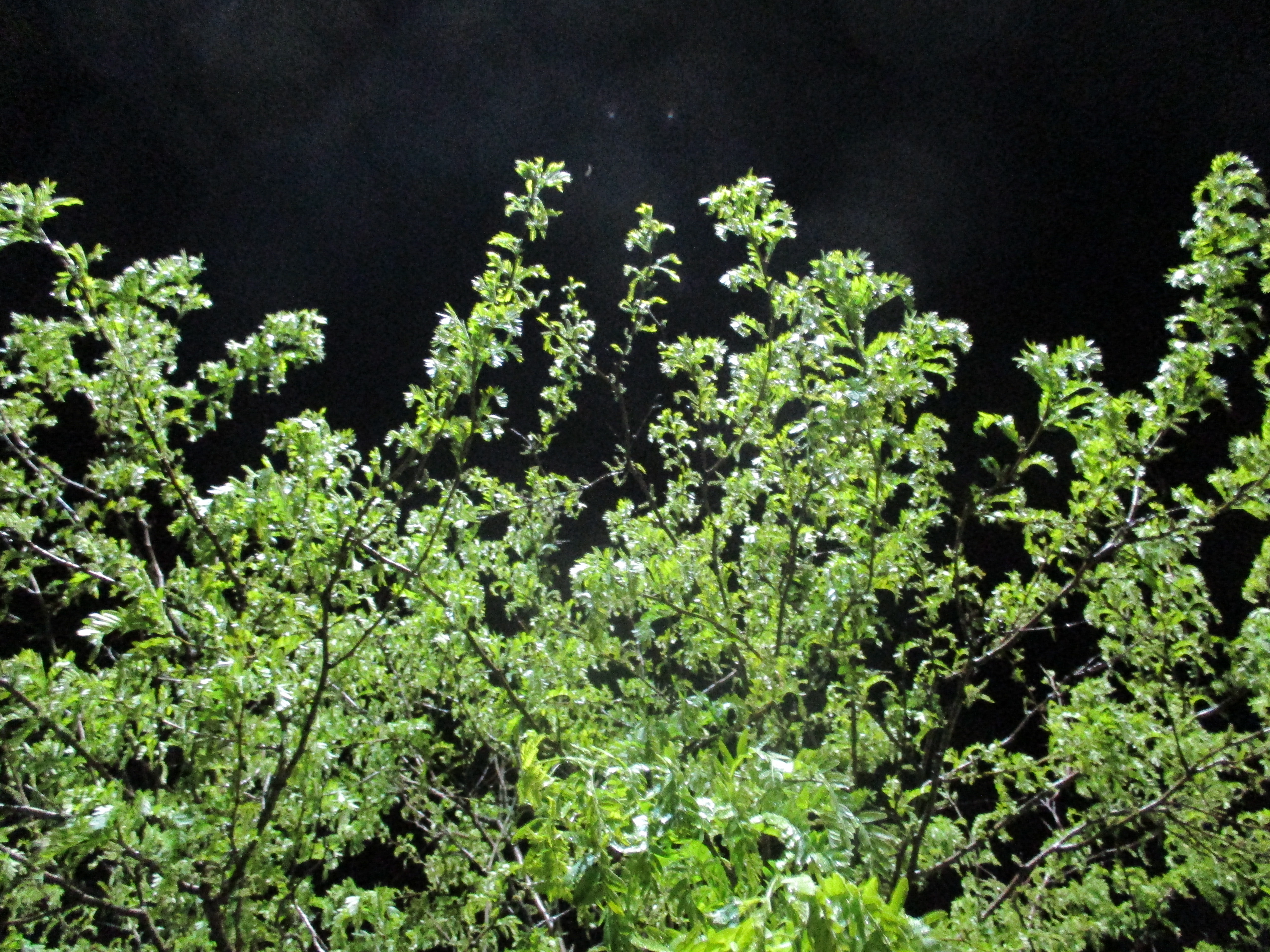 Color in the garden is nice as long as we can see it. There is not so much to see after the sun goes down. That is why some gardens that get used at night are illuminated.
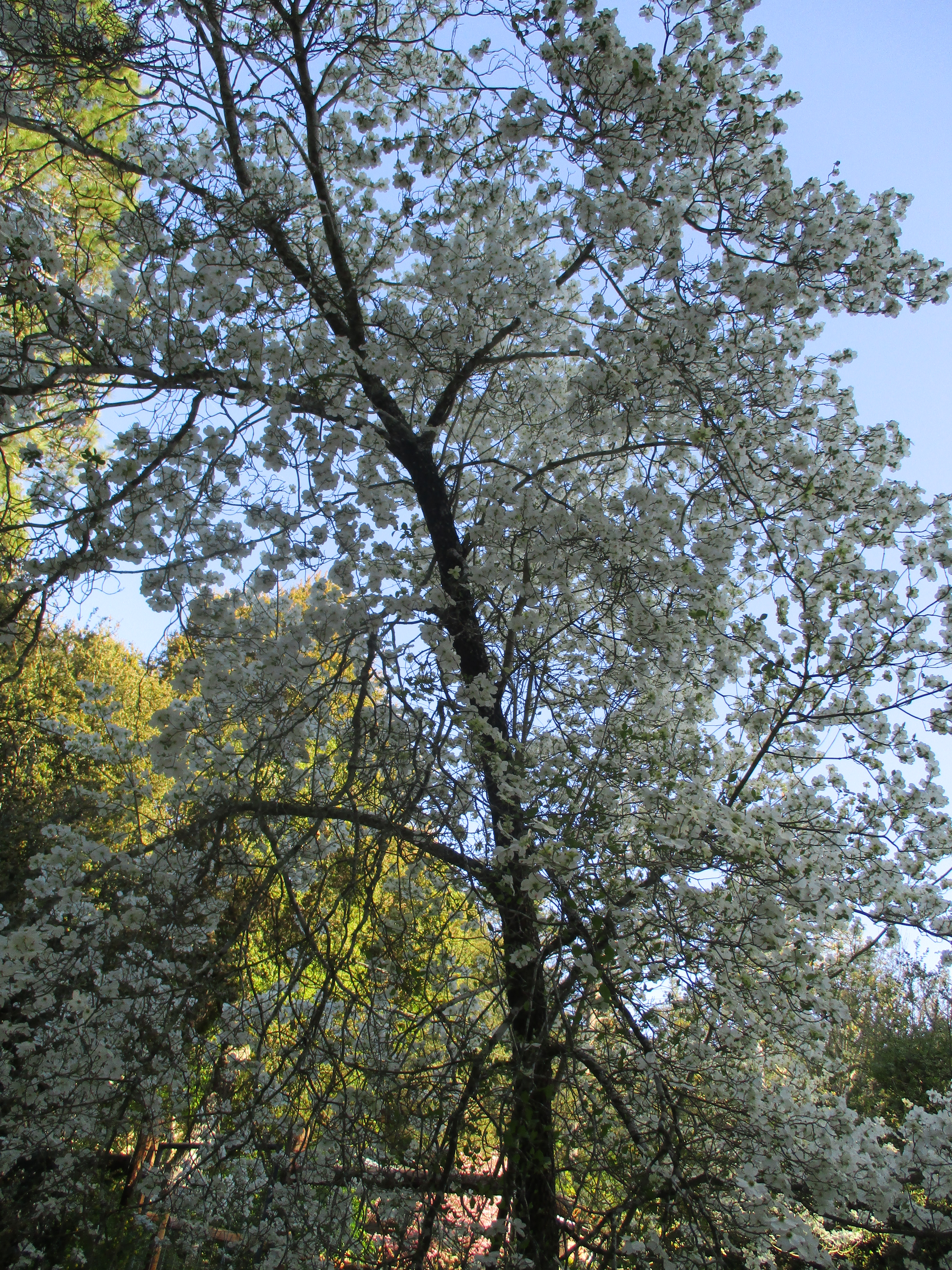 My weekly gardening column does not have much space for everything that should be said about the various topics and featured specie. I just try to fit the most basic of information into the space available, but usually would like to fit more in.
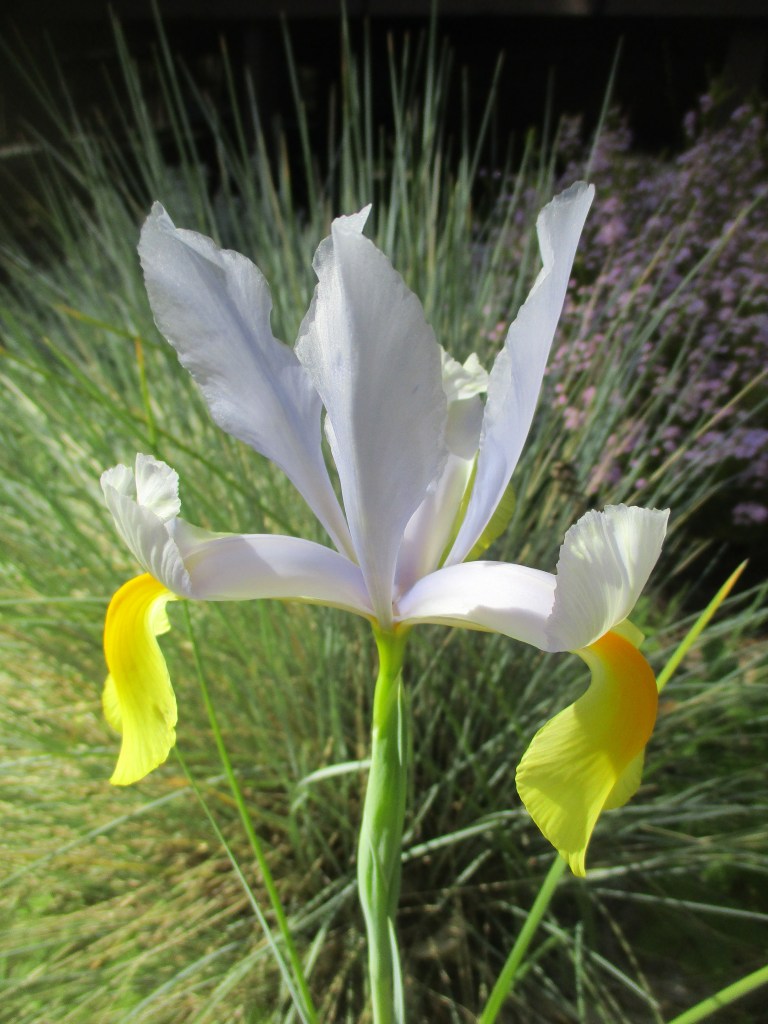


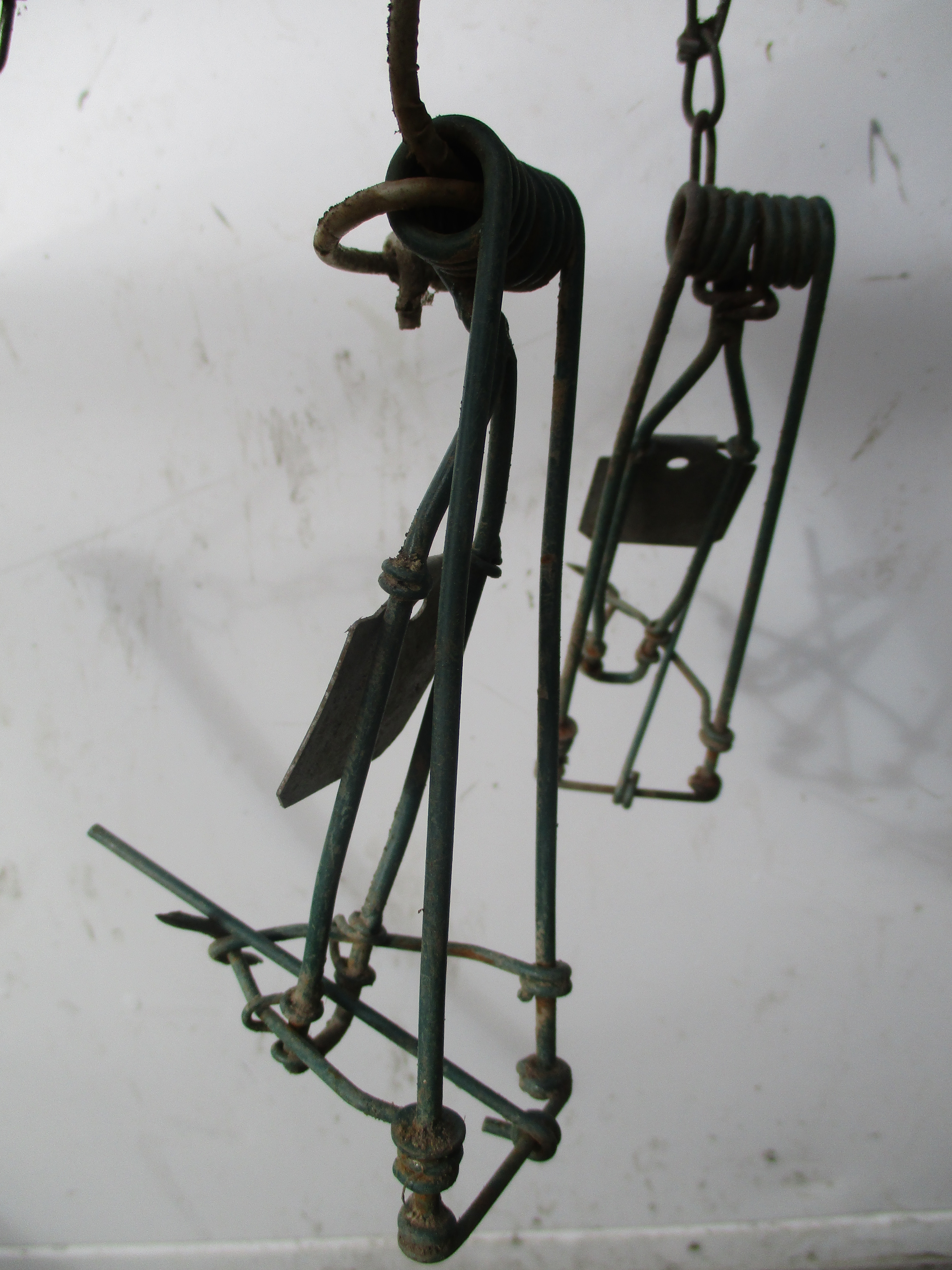 Halston, with the help of several friends, could make a nice pill box hat. That is the origin of the name; from pill box hate fame. This might help clarify,


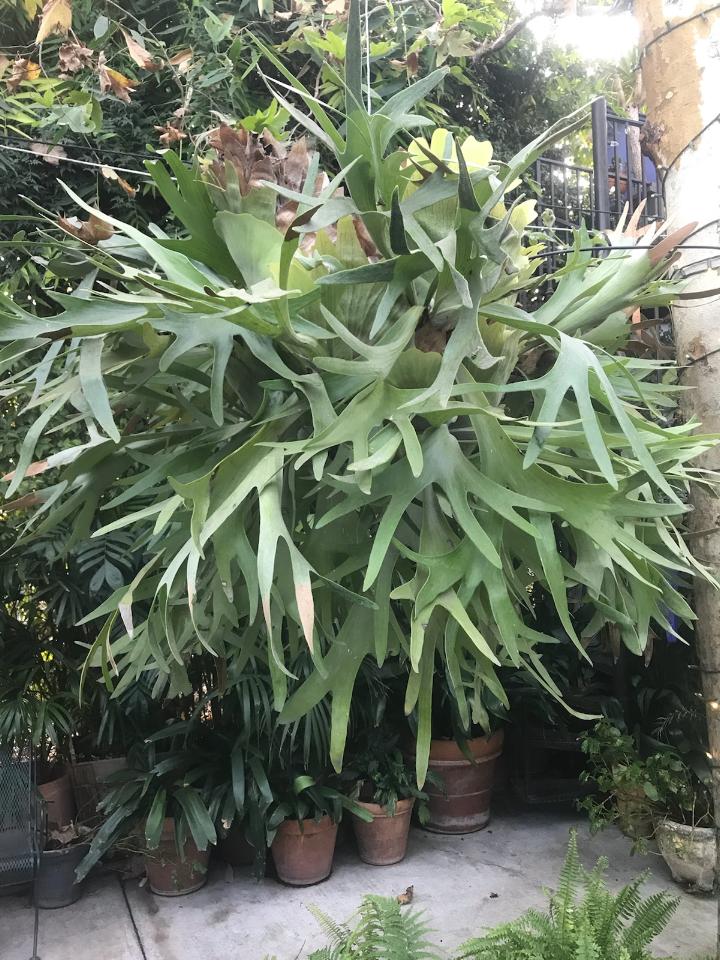 Staghorn ferns are epiphytes. They cling to tree trunks, rocks or whatever they happen to grab onto. They can root into decayed wood if it is porous enough, but they are satisfied to just cling to the exterior. They do not need soil. They sort of make their own soil by collecting debris that falls from the canopies of trees above. In the jungles where they live, they get all the water they need from rain. They often live in the crotches of branches because that is where they happen to land. (The epiphyte I wrote about earlier was just a palm that landed in the wrong place, but is not really an epiphyte.

