Dwarf Alberta Spruce

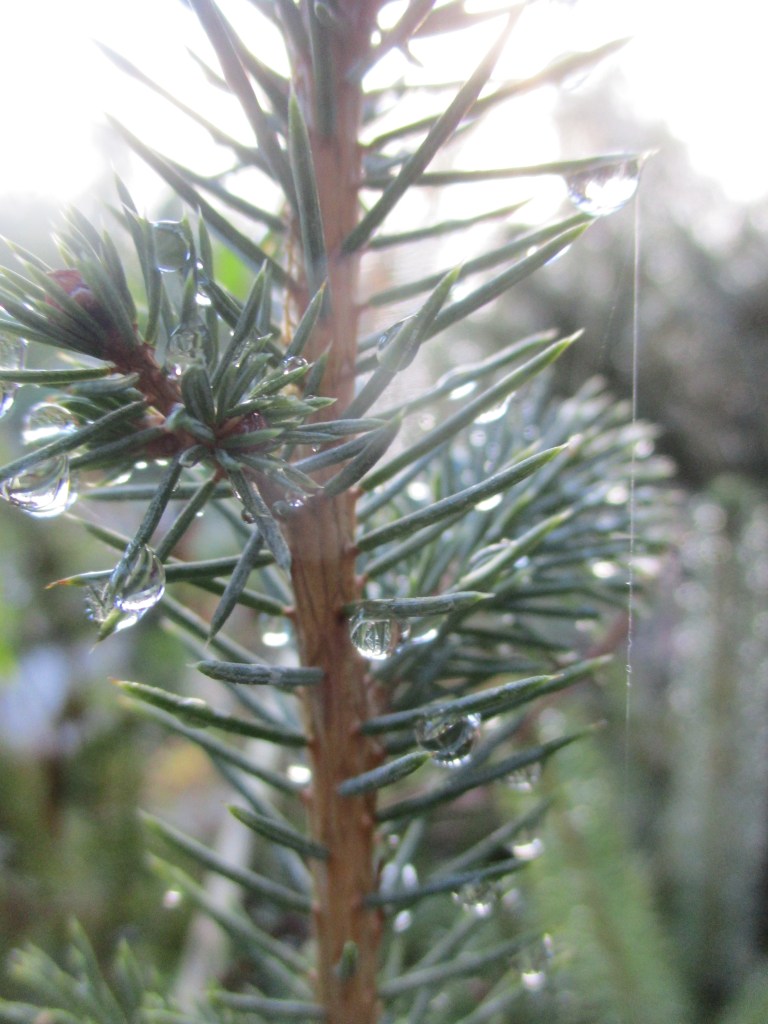
Dwarf Alberta spruce is densely conical.

Of all the live Christmas trees available, the dwarf Alberta spruce is perhaps the most practical. It is a shrubby little tree with a big name, Picea glauca ‘Albertiana’ ‘Conica’. (‘Albertiana’ is typically omitted.) It is a dwarf cultivar of white spruce that grows very slowly. It takes many years to potentially get eight feet tall and half as wide at the base. Wild white spruce can grow a hundred feet tall.

The main disadvantage of the dwarf Alberta spruce as a live Christmas tree is the very dense foliage. It almost seems to be artificial. The small needles are only slightly bristly, and finely textured. Otherwise, dwarf Alberta spruce can remain potted as a Christmas tree for several years. It stays sufficiently compact to return to the home annually. It just does not want to be indoors for too long.

The strictly conical form of dwarf Alberta spruce is a distinctive feature in the garden. A pair of trees elegantly flanks a doorway or walkway. A row of evenly spaced trees instills formality to a linear border of bedding plants. Although they do not get too broad, they should have enough room to grow naturally. Pruning for confinement or clearance compromises their naturally symmetrical form.
Pot Plants Generally Burn Out

Small conifers grow into big trees.

Pot plants are very different from common potted plants. Potted plants sustain healthy growth within pots or similar containers. They can range from small houseplants to small trees in big tubs out in the elements. Those that do not live for long in a particular pot before outgrowing it can continue to live in increasingly larger pots. They are considered to be sustainable, rather than temporary.

Pot plants, conversely, are generally expendable. They come into the home or office at their prime, but stay only as long as they continue to perform. For some, this may not be more than a month or so. They typically live their entire brief lifetimes within their original pots. Many endured forcing techniques that are difficult to recover from. Some are little more than uncut cut flowers with roots.

Most pot plants are seasonal. Most are seasonal at Christmas time. These include poinsettias, amaryllis, Christmas cactus, azaleas, hollies, cyclamen, rosemary (in conical ‘Christmas tree’ form) and live Christmas trees. Chrysanthemums were seasonal for autumn. Miniature roses will be in season for Saint Valentine’s Day. Easter lilies and hydrangeas will be seasonal in time for Easter.

Recovery from forcing techniques that are necessary to grow unnaturally showy pot plants is not impossible. It just might be difficult. That is why most poinsettias, Easter lilies and miniature roses rarely survive in the garden. Some pot plants, particularly azaleas and hydrangeas, are cultivars that excel as pot plants, but not in a garden. Christmas cactus and hollies are more likely to thrive.

Some types of live Christmas trees are likely to survive as well. That may not be an advantage. Dwarf Alberta spruce can remain potted as a live Christmas tree for several years, and then do well in the garden. Other spruces may remain potted for a few years, but then demand more space in the garden. Most other live Christmas trees either do not recover in the garden, or grow too large, such as Italian stone pine or Canary Island pine.

Pebbles

Wow! This old article reminds me that I MUST get back to maintaining my planter box. I had been unable to do so with so much of everything else going on, and then by the time that I got more time to go back, I could not because of the Regional Stay Home Order.

tonytomeo's avatarTony Tomeo

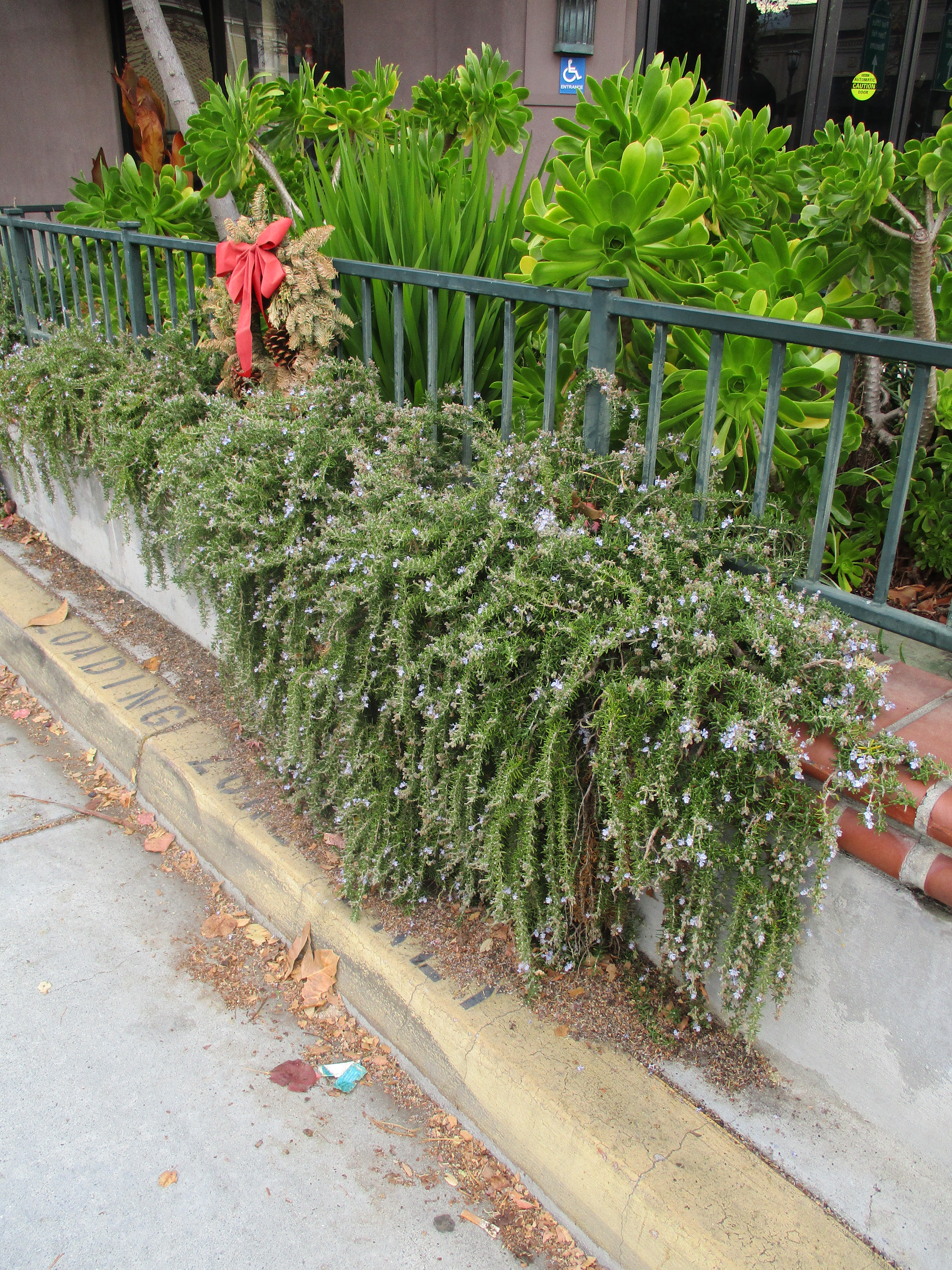
P80113My little planter box downtown that I wrote about last week and earlier must be the weirdest garden that I have ever tended to. ( https://tonytomeo.wordpress.com/2017/11/04/my-tiny-downtown-garden/ ) I certainly enjoy it. There are not many horticultural problems that can not be remedied by simply removing plants that should not be out there anyway. The weirdness though is just . . . weird . . . and unique to the situation of a tiny garden in such a public space.

I have had weird neighbors before. Hey, I live where I do. Well, a resident of Nicholson Avenue saw me working on my garden one day and stopped to tell me what I should plant in it for compatibility with the color scheme of the front garden of her home a block and a half to the west. You see, she payed a lot of money for her home, and I…

View original post 617 more words

Snow

Rhody did not go to Oklahoma with us in 2012. That was before his time. The little terrier in the illustrations of this recycled article is Bill, or Willow. He was not impressed with snow.

tonytomeo's avatarTony Tomeo

P80110It seems that almost all of us in the Northern Hemisphere are talking about it. Those of us who lack it can get to feeling somewhat deprived. It looks so pretty in pictures. It seems like such a natural part of winter. To many of us, it is a good excuse to take a break from gardening, stay inside, and write more compelling articles than the more technical sorts written when there is more activity in the garden.

In California, we get almost everything. Although most of the most densely populated ares lack snow, parts of the Sierra Nevada get more snow than anywhere else in the world. Californians can go to the snow to ski, hike, take pictures and do whatever people want to do in the snow; but we do not need to live with it at home like most people in other states do.

I grew up…

View original post 536 more words

Six on Saturday: No Flowers – Again

These pictures seemed to be interesting when I took them. Only now I notice that there are no flowers here. Actually, there are not many flowers in the landscape where these pictures were taken anyway. Until last year, the facility associated with the landscape was used mostly during summer; so most flowers were selected to bloom during summer. Winter can be quite bland.

Also, for such a mild climate, winter can be surprisingly cool in some cooler exposed locales. Mild frost is normal. On rare occasion, if the weather is just so, puddles can get a thin layer of ice.

1. Lemon ripens this time of year. This pale greenish yellow color will become brighter yellow soon. I suspect that these are ‘Eureka’ lemon, but they crop very heavily in season, like ‘Lisbon’.

2. Flowering cherry will be spectacular in spring, but looks horrid now. This particular tree does not defoliate completely until just prior to bloom. It does this annually. This tree is ‘Kwanzan’.

3. Silver wattle is an an aggressively invasive exotic species locally. Fortunately, there is not much within the landscapes here. Now there is even less. I know it will regenerate from its roots.

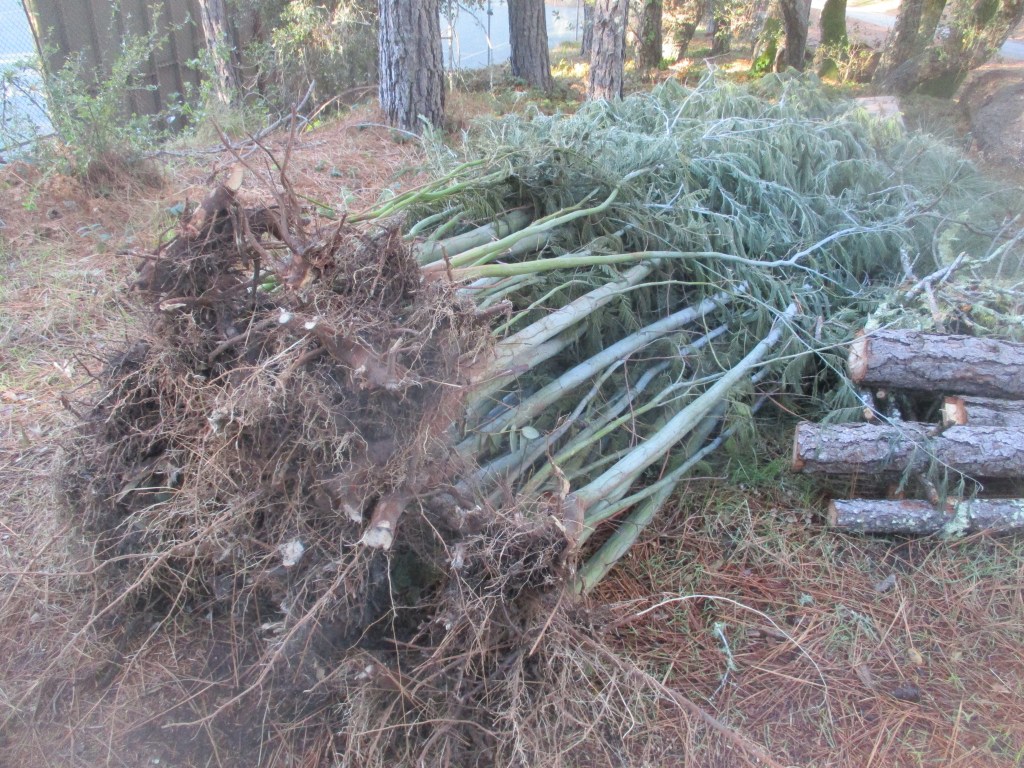
4. Argyle apple is a silly name for this Eucalyptus cinerea. It grew from the lignotuber of an overgrown tree that was discarded from a retail nursery in Los Osos. The silver foliage is striking.

5. Lawson cypress also has strikingly silvery foliage. It is not as silvery as that of Argyle apple, but is slightly more bluish. The color of both species seems to be more striking through winter.

6. Ice is rare here, but possible. Of course, it is not as bad as it looks. It is very thin. Winter weather is innately mild here, which limits cultivation of apples and pears than require more chill.

This is the link for Six on Saturday, for anyone else who would like to participate:

https://thepropagatorblog.wordpress.com/2017/09/18/six-on-saturday-a-participant-guide/

Mugo Pine

Mugo pine is more shrubby than tree like.

Most shrubs and many perennials get larger than the diminutive mugo pine, Pinus mugo. The most common type grows very slowly as a dense and rounded mound only a few feet tall and maybe twice as wide. Only a very old specimen might reach an eave. The paired dark green needles are about one or two inches long. The symmetrical brown cones are a bit shorter. Mugo pine is also known as Swiss mountain pine and because of a misprint in the eighteenth century, mugho pine. Although native to mountains in Europe, mugo pine is most popular in Japanese gardens and for bonsai. Because it grows so slowly, it can be happy in planters and large pots. In large urns of regularly changed flowering annuals, it can be a nice permanent and evergreen centerpiece.

This Parade Needs Some Rain

Now, this is something you don’t see every day in a chaparral climate.

The lack or rain has really gotten serious! This winter so far has been the driest ever recorded. The past two winters had already been unusually dry. Even when the rain starts, it will be considerably behind schedule. Some seriously torrential rain will be needed to catch up.

As much as we like to think of gardening as something that brings us closer to nature, it demands unnatural volumes of water. Only established native plants or plants that are native to similar climates can survive with the limited moisture that they get from rain. This is why gardens get watered as much as they do.

Lawns of course require the most water because their shallow root systems require such frequent watering, and also because their vast foliar surface area loses so much moisture to evapotranspiration (evaporation from foliar surfaces). Lawns are the first and most prominent of landscape features to succumb to water restriction. Flowering annuals are the next to succumb, because they too want regular watering, especially while they are not getting any from rain.

Fortunately, lawns, annuals and other plants that want an abundance of moisture need less now because they are dormant or considerably less active through winter. Besides, evapotranspiration is inhibited by cooler temperatures, shorter day length, and most of the time, by higher humidity. It is nothing like the warm and arid (minimal humidity) weather during longer days of summer.

Many large and established shrubs and trees can survive quite easily with very minimal watering or even none at all. Established oleander, bottlebrush and juniper may not be as vibrant without watering, but should survive. If they notice a lack of water at all, it would not be until they start to grow again in spring. Mature trees take even longer to notice a problem.

Deciduous plants that are now bare really do not consume much moisture at all and really only need enough moisture in the ground to keep their roots from desiccating. This will only be a problem if the soil is very sandy and drains too efficiently to retain adequate moisture, or if freshly installed plants have not had enough time to adequately disperse their roots into the surrounding soil.

Automated irrigation systems should still be operated only minimally or not at all through winter. However, because of the unusually dry weather, they may need to be used a bit more than usual for this time of year to keep some things from getting too dry.

My Internship Was NOT In Australia

While recycling old articles from 2017, and now into 2018, I find that there are not enough to conform to the ‘Horridculture’ meme for Wednesday. The meme was invented a bit later. Well, if nothing else, this old article is amusing.

tonytomeo's avatarTony Tomeo

P80106Australia, New Zealand and South Africa were the hip and trendy places to do internships in horticulture back in the late 1980s. Everyone who was anyone was doing it; which is sort of why I was not that interested in doing what everyone else was doing already, even if I could have afforded to go to any of those exotic places. I did my internship in Saratoga.
All I knew about Australia was Olivia Newton John, Helen Reddy, eucalyptus trees, and that it is the place where summer goes when it leaves here.

Since writing online and learning a bit more about horticulture in Australia, I incidentally found that Australia is stranger than I would have imagined.

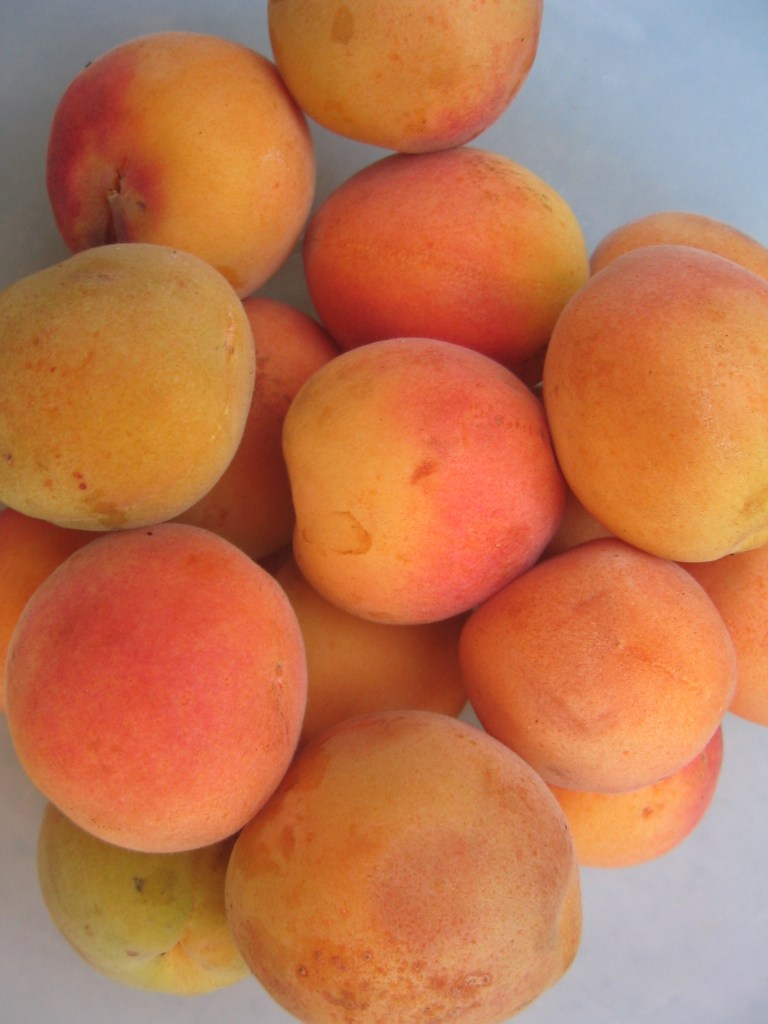
There are no Pontiacs in Australia! Seriously! When someone asked about what to do with a surplus of peaches that were too overripe and squishy to can, I suggested that they get thrown…

View original post 733 more words

Apricot

Apricot trees get planted in winter.

Apricot has major history in California. For a very long time, it was the main agricultural commodity is several regions, particularly the Santa Clara Valley. It remains a significant commodity within portions of the San Joaquin Valley. Urban sprawl replaced orchards in other regions. However, apricot trees now inhabit some urban gardens. The climate here is as ideal for them as it ever was.

Garden variety apricot trees are not quite like orchard trees. Dwarfing rootstock keeps them somewhat more compact. They might otherwise grow taller that twenty feet. Production is best during the first three decades or so, before they begin to slowly deteriorate. Orchard trees are already due for replacement by then. Many more cultivars are practical for home gardens than for orchards.

Apricot trees, which are mostly of the species Prunus armeniaca, are certainly not ‘low maintenance’. They require specialized pruning annually, while dormant for winter. Otherwise, they produce more fruit than they can support. New trees are unlikely to produce any fruit during their first season. The deciduous foliage falls neatly in autumn. White or slightly blushed spring bloom is striking.

Bare Root Stock Makes Sense

Snowball bush is available bare root.

Winter has potential to be a slow season for gardening. Simple gardens may not require much dormant pruning. Established gardens may not require much planting. Where winters are cold and perhaps snowy, no one wants to go outside anyway. Those who go out may not be able to accomplish much. Nonetheless, winter is the season for planting bare root stock, which is now available.

Bare root stock starts to move into nurseries before the last Christmas trees move out. Growers start to dig and package it as it goes dormant for winter. They separate it completely from the soil it grew in, leaving the roots bare. Some bare root stock is available with bags of damp sawdust protecting its roots. Most goes into bins of damp sand to protect the roots while at retail nurseries.

Unlike canned (potted) nursery stock, bare root stock must get into the garden as soon as possible. It will not survive long if it gets warm enough to start growing prior to planting. Nor will it survive if roots desiccate. Unbagged bare root stock can soak in water for a limited time. For planting, roots should flare outwardly. Soil amendment should be limited. Graft unions must be above grade.

Bare root stock is lightweight, compact, and easy to handle in bulk. Therefore, it is less expensive than canned stock. It is also easier to get home and plant. Because so many individual plants fit into limited space, many more cultivars are available from nurseries. Even more are available by mail order. Bare root stock disperses roots and gets growing more efficiently than canned stock.

Deciduous fruit trees might be the most popular bare root stock. This includes apple, pear, persimmon, fig, mulberry, walnut, pomegranate and the stone fruits. (Apricot, cherry, peach, plum, prune and nectarine are stone fruits.) Grape, currant, gooseberry, blueberry, blackberry and raspberry bare root stock are also available. So are perennial rhubarb, asparagus, artichoke and strawberry.

Ornamental bare root stock includes rose, snowball bush, forsythia, wisteria, flowering crabapple, poplar and many more.