
The lack or rain has really gotten serious! This winter so far has been the driest ever recorded. The past two winters had already been unusually dry. Even when the rain starts, it will be considerably behind schedule. Some seriously torrential rain will be needed to catch up.
As much as we like to think of gardening as something that brings us closer to nature, it demands unnatural volumes of water. Only established native plants or plants that are native to similar climates can survive with the limited moisture that they get from rain. This is why gardens get watered as much as they do.
Lawns of course require the most water because their shallow root systems require such frequent watering, and also because their vast foliar surface area loses so much moisture to evapotranspiration (evaporation from foliar surfaces). Lawns are the first and most prominent of landscape features to succumb to water restriction. Flowering annuals are the next to succumb, because they too want regular watering, especially while they are not getting any from rain.
Fortunately, lawns, annuals and other plants that want an abundance of moisture need less now because they are dormant or considerably less active through winter. Besides, evapotranspiration is inhibited by cooler temperatures, shorter day length, and most of the time, by higher humidity. It is nothing like the warm and arid (minimal humidity) weather during longer days of summer.
Many large and established shrubs and trees can survive quite easily with very minimal watering or even none at all. Established oleander, bottlebrush and juniper may not be as vibrant without watering, but should survive. If they notice a lack of water at all, it would not be until they start to grow again in spring. Mature trees take even longer to notice a problem.
Deciduous plants that are now bare really do not consume much moisture at all and really only need enough moisture in the ground to keep their roots from desiccating. This will only be a problem if the soil is very sandy and drains too efficiently to retain adequate moisture, or if freshly installed plants have not had enough time to adequately disperse their roots into the surrounding soil.
Automated irrigation systems should still be operated only minimally or not at all through winter. However, because of the unusually dry weather, they may need to be used a bit more than usual for this time of year to keep some things from getting too dry.

 Australia, New Zealand and South Africa were the hip and trendy places to do internships in horticulture back in the late 1980s. Everyone who was anyone was doing it; which is sort of why I was not that interested in doing what everyone else was doing already, even if I could have afforded to go to any of those exotic places. I did my internship in Saratoga.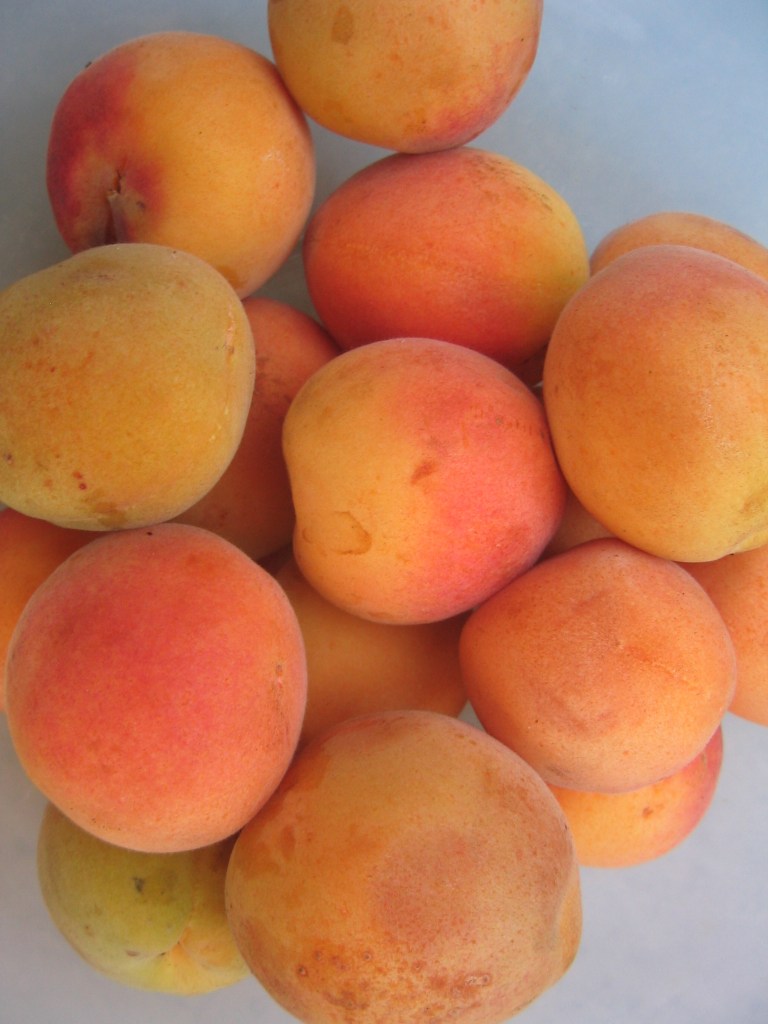

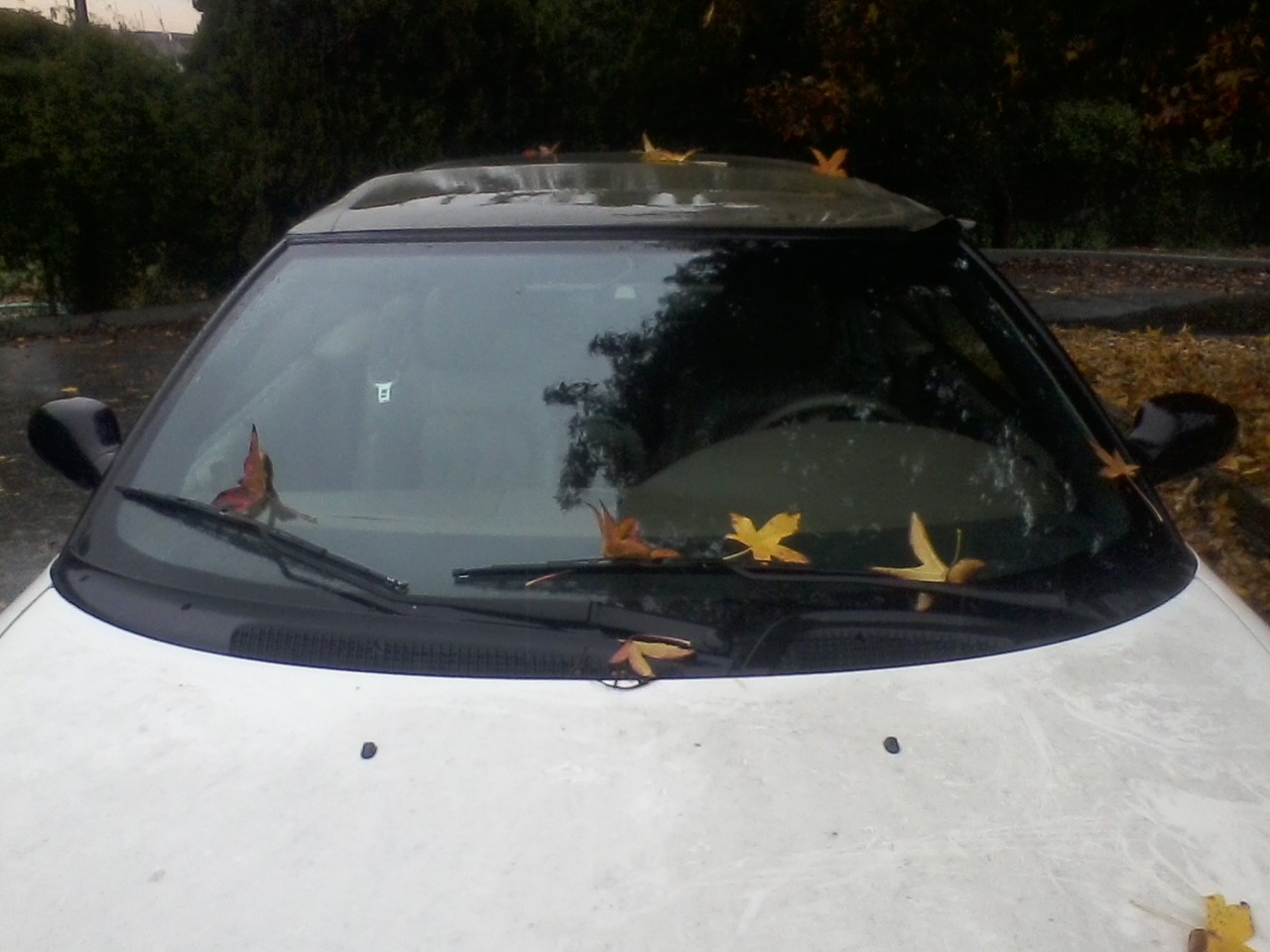 The old Chrysler looks different this time of year. Like dogs, cats, horses and deciduous plants, it adapted to the weather.
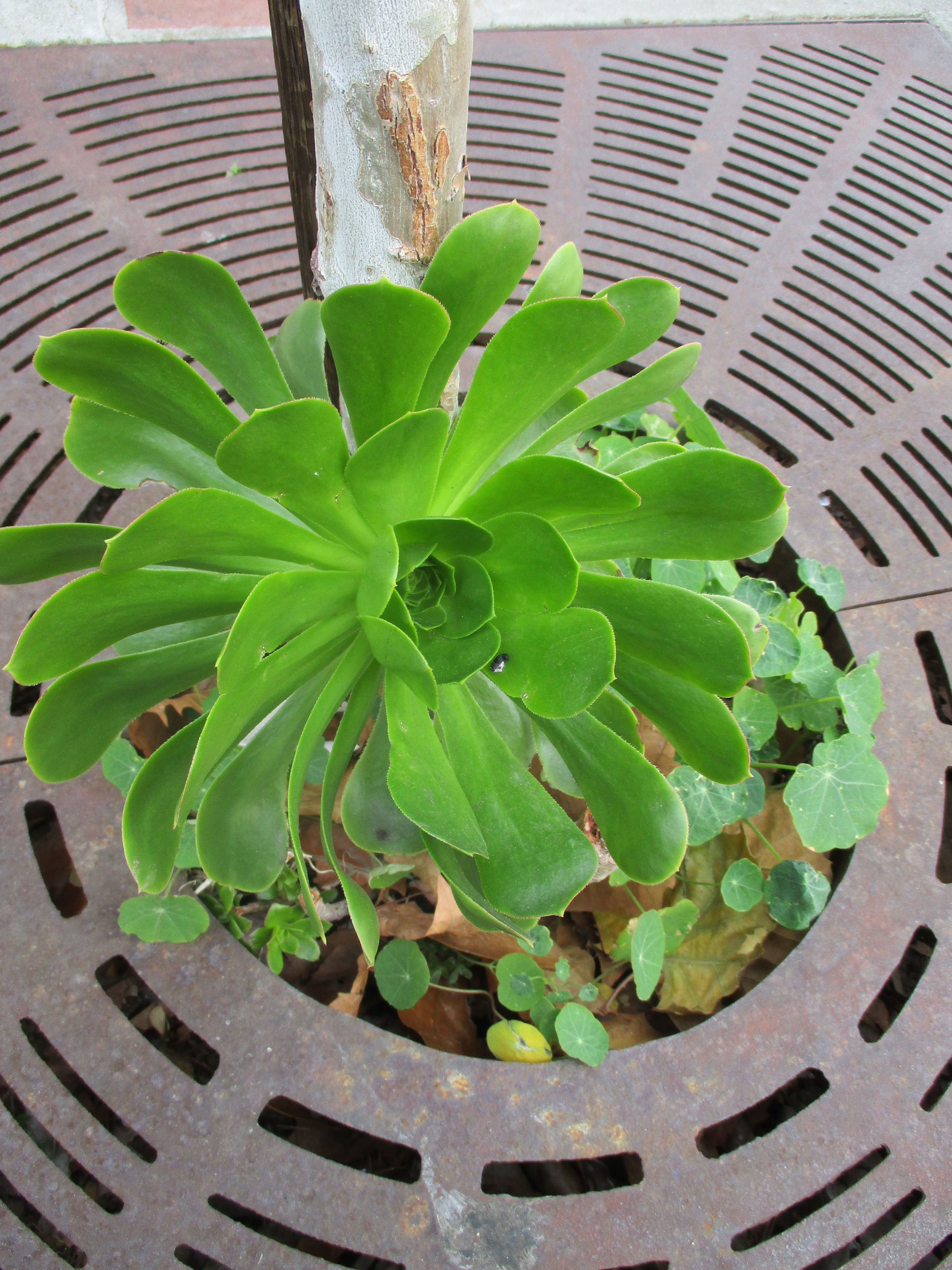 Right next door to my downtown planter box, (


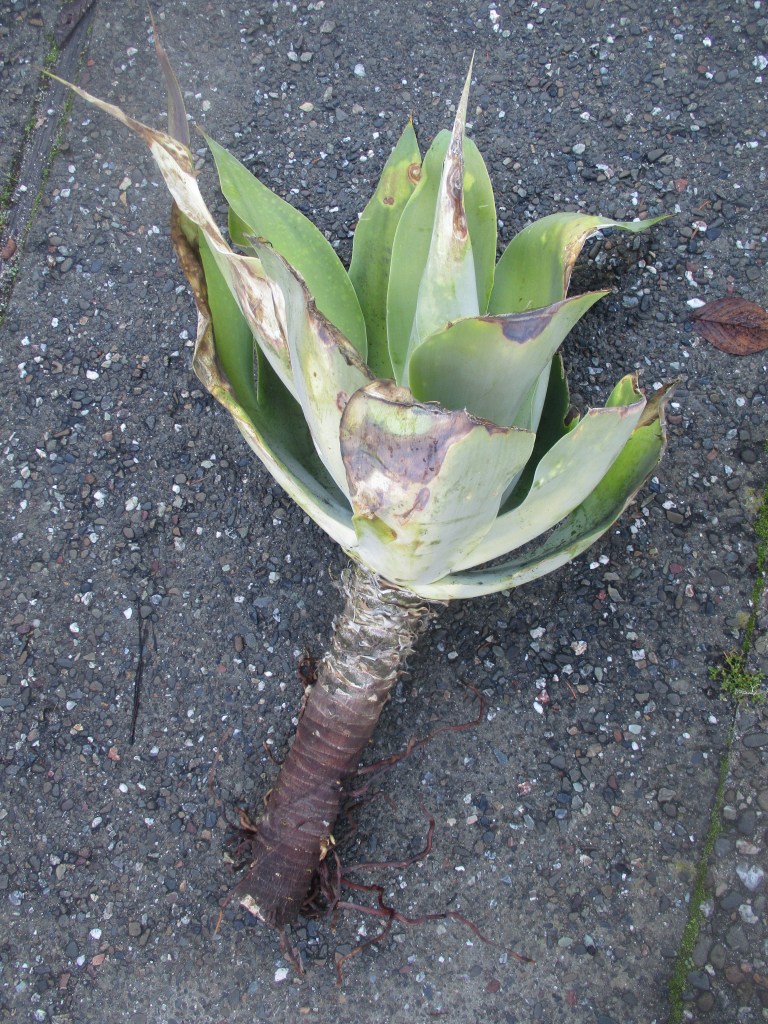


 Little kids were allowed to walk to school back in the early 1970s. The youngest had to walk with older siblings or neighbors who made them look both ways and hold hands to cross the streets, and stay back from the roadway. Once through the open gate into the schoolyard, younger kids could leave their slightly older chaperones to meet up with their friends and eventually go to their respective classrooms.
