It was probably one of the best television shows for children back then, and probably still is. Everyone of my generation in American remembers Sesame Street. We all identified with it, even if our neighborhood did not look like Sesame Street, or lacked the variety of neighbors. Sesame Street sometimes took us on television field trips to other neighborhoods. Some were more familiar. Those that were more foreign were presented within a compelling and inviting context that got us interested in how other children lived within their respective societies.
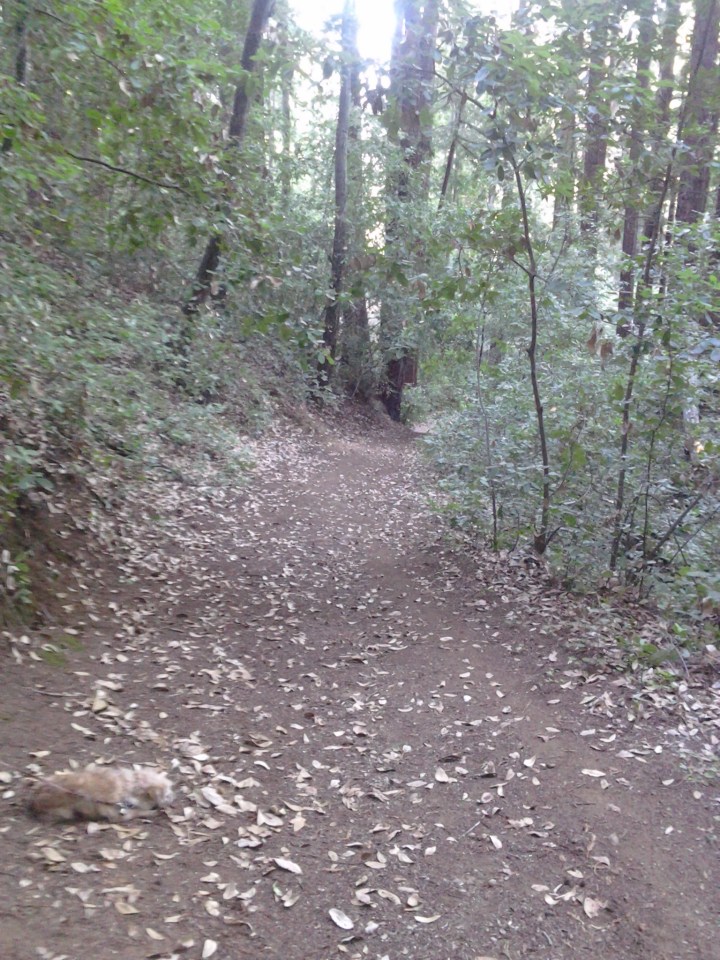
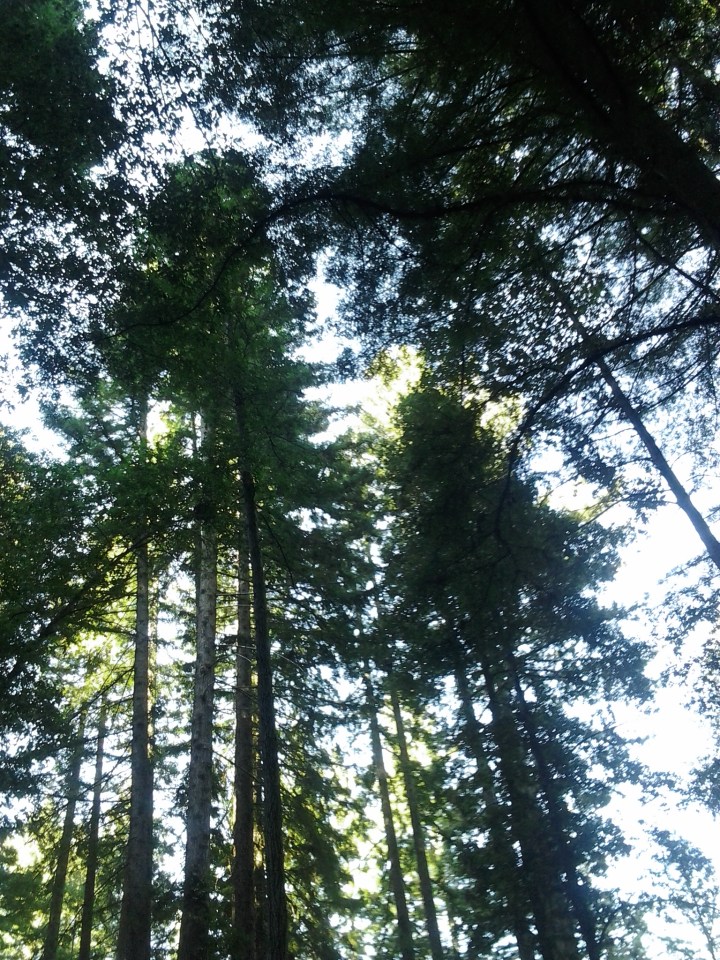
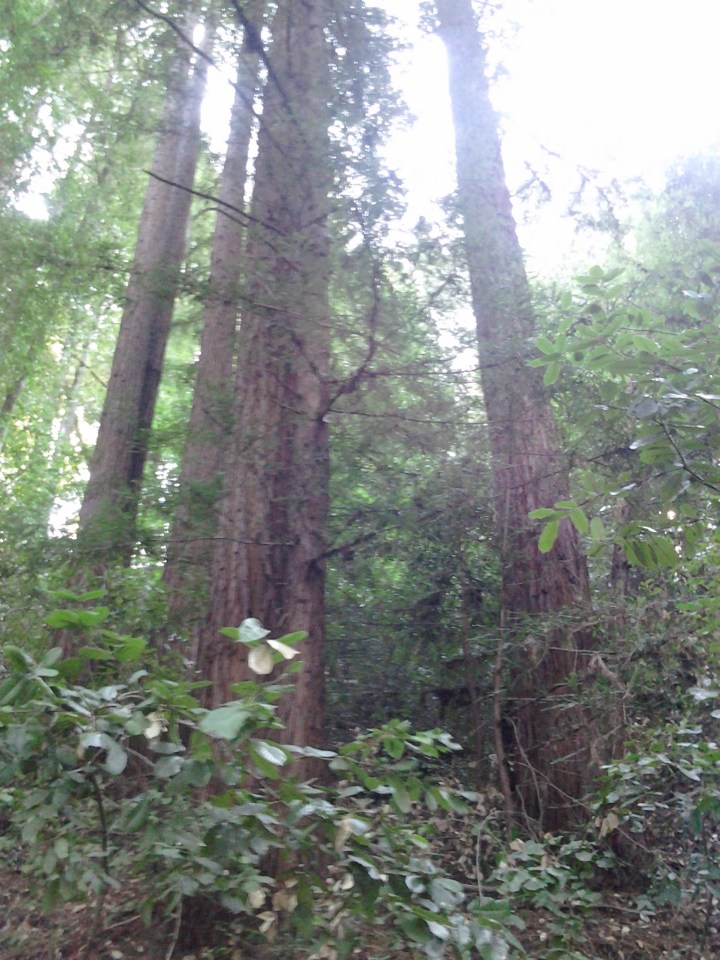
Some kids lived in big cities and rode on buses. Others lived in suburban areas with big gardens. Some lived on farms with hens and cows. There were even kids who lived near a forest surrounded by big tall evergreen trees. The trees were probably the firs, spruces and hemlocks of New Hampshire. I do not remember. I just knew I was fascinated with the trees.
I certainly did not need Sesame Street to show me how excellent my first silver maple was. It was my second tree, after my incense cedar. My mother thought of it as ‘her’ maple tree. Yeah, right. When it defoliated in autumn, I ‘raked’ the leaves by pairing them all up, and then pairing all the pairs into groups of four, and then pairing the groups of four into groups of eight, and so on, until there was only a single pile of leaves. When the tree was very small, it had only about sixty-four leaves, so this technique worked just fine. It was a bit more work by the second autumn. By the third autumn, I had learned how to use my little leaf rake.
During this time, I happened to learn something from Sesame Street that I had not previously known about maple trees. They make maple syrup! The kids who lived near the forest in New Hampshire went with their father out to where their maples were, to collect syrup. It was simple. The father gouged the bark, drilled a hole into the trunk, stuck a hooked device into the hole, and hung a bucket onto the hook to collect they syrup! I do not remember if that was the correct sequence of events; but how difficult could it be? The video was only a few minutes long, so I knew that it did not take long for the bucket to fill will with syrup that the kids poured over their pancakes at the end of the video.
What the video failed to explain adequately is that after the bucket was hung, it was left there overnight, and was retrieved the next day. To me, it looked like the kids got distracted and left, but then came right back a few seconds later. The video also failed to explain how involved the process of concentrating the sugar by boiling off the water from the sap. Again, to me, it looked like a pot of boiling sap was ready for pancakes a few seconds later. Like I said, the video was only a few minutes long.
Getting syrup from the maple tree was just too tempting. I took my little plastic beach pail and a small hatched for kindling and went out to get my own syrup. I smacked the trunk with the hatches and grabbed my pail to catch the sap that was supposed to come pouring out; but nothing happened. I smacked the tree again; but again, nothing happened. I gashed the trunk a few more times, in various spots around the trunk, but never got any syrup. Eventually, I got distracted with something else. I left my pail and the hatchet there next to the tree, believing that Sesame Street was wrong.
 As a group, aloes really deserve more respect. Many will naturalize and thrive with only occasional watering through summer. Candelabra aloe, Aloe arborescens, wants a bit more water than most other aloes, but not much. It looks like a sensitive jungle plant, but is surprisingly durable, and very easy to propagate. Any pruning scraps can be plugged wherever new plants are desired.
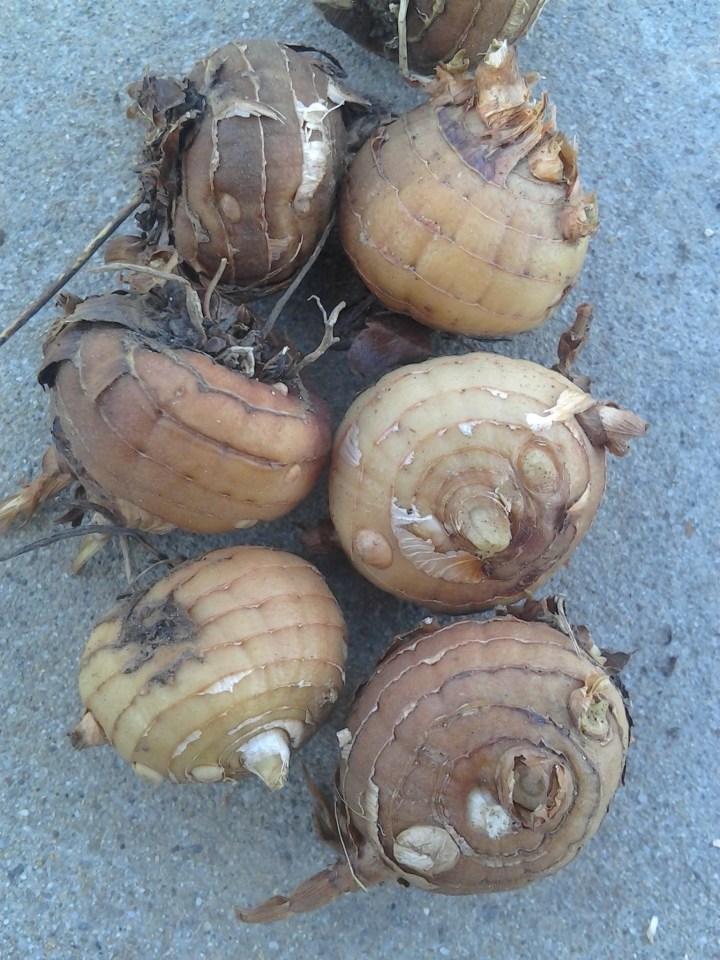 It might seem creepy to think about what spring bulbs are doing right now out in the garden. Like victims of a horror movie, they were buried in shallow graves last autumn. They were not dead though. They were undead but merely dormant. While no one can see what they are up to, they disperse roots and begin to push new foliage up to the surface of the soil. Some might bloom soon.
 The bright red berries of late cotoneaster, Cotoneaster lacteus, that ripen in autumn may not be as profuse or as bright red as those of firethorn, but they last longer, and even into winter. Birds strangely seem to avoid them. Although the clustered small berries can look just like firethorn berries, they are usually less shiny, and darker red. Clusters of tiny pale white flowers bloom in spring. The small evergreen leaves have a nice glossy and veined texture on top, with hazy gray or tan tomentum (fuzz) below. The grayish brown bark of old stems resembles that of apple or pear trees.
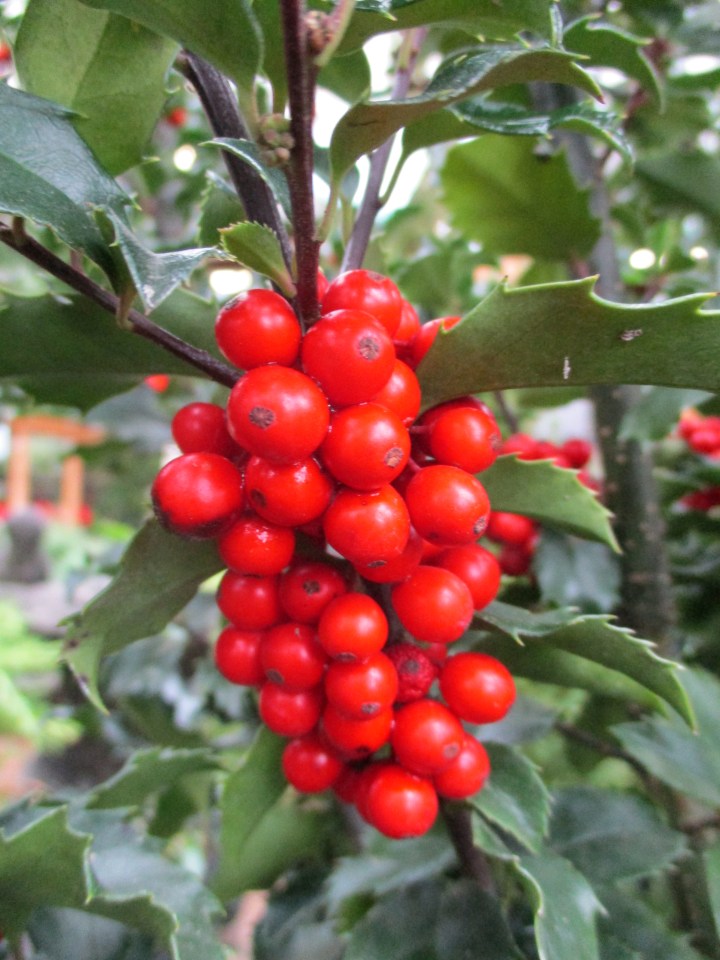 Plants compensate for their immobility by procuring the services of animals and insects. They bloom with flowers that attract pollinators with colors, fragrances and flavors. Their fruits use similar techniques to attract those who consume the fruits to disperse the seeds within. It is a pretty ingenious system. The animals and insects probably think that they are taking advantage of the plants.
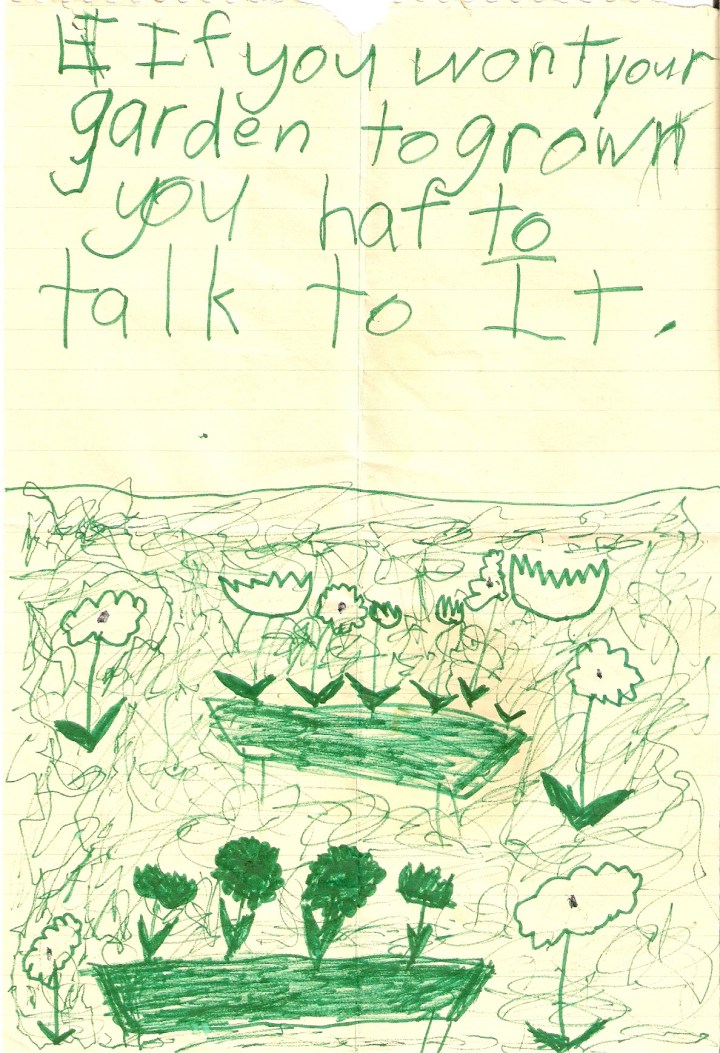 So the spelling is a bit . . . off. Ignore the ‘E’ before ‘If’ and the ‘n’ after ‘grow’. They are crossed out . . . sort of. ‘wont’ means ‘want’. ‘haf’ means ‘have’, as in ‘have to’ or ‘need to’. It made sense at the time, more than four decades ago. Perhaps I should rephrase it.
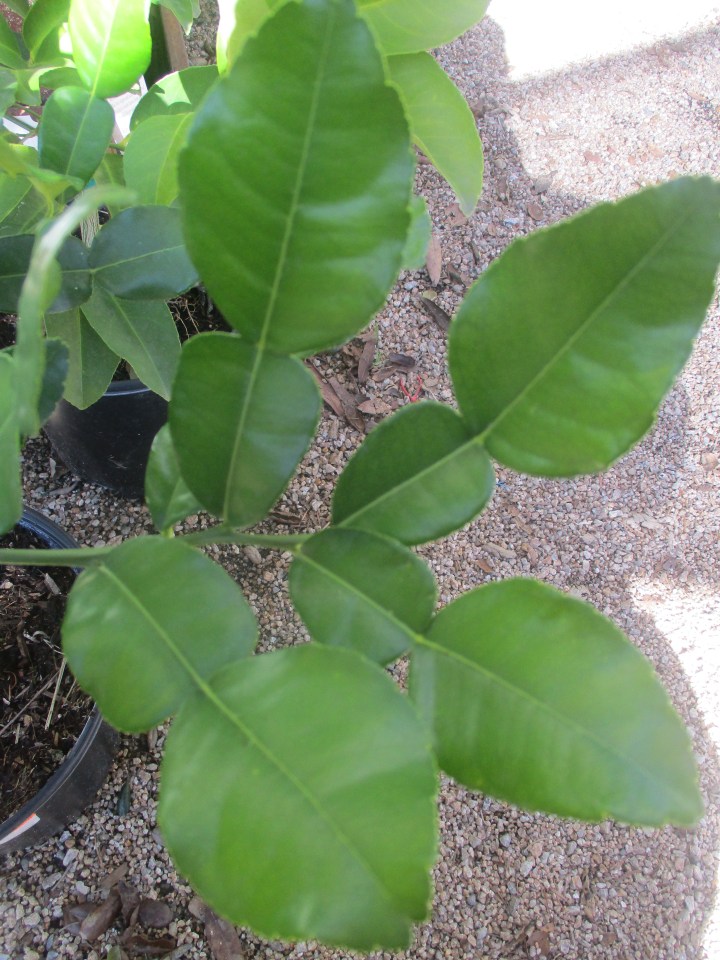 Of all the weird citruses available, this is one of the strangest. Makrut lime, Citrus hystrix, is not grown for its ugly wrinkled fruit. The rind and the juice are only rarely used for culinary or medicinal purposes. The important part of makrut lime is the aromatic foliage, particularly the modified petiole ‘wings’ that look like leaves. Fresh or dried, they are popular in the cuisine of Southeast Asia.
 Out in deserts, where vegetation can be a scarce commodity, cacti, agaves and yuccas protect themselves from grazing animals with thorns, spines, caustic sap and distastefully textured foliage. None of these defense mechanisms is perfect. They only need to be better than what the competing specie are using. Many plants find that objectionable flavor and aroma work just fine for them.