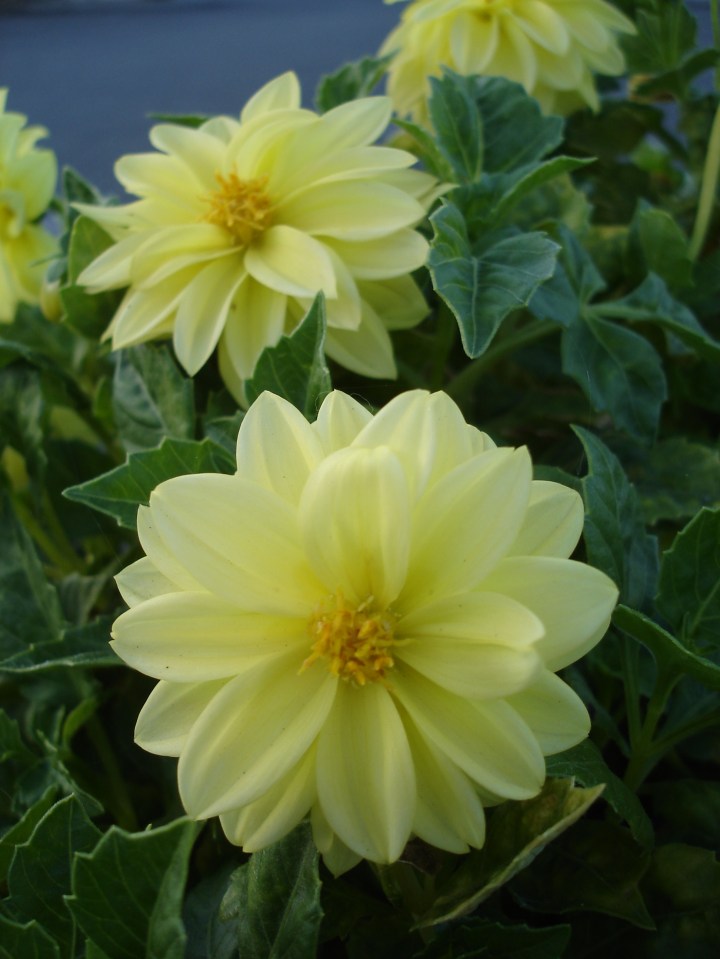
 Annuals come and annuals go. There are cool season annuals for winter. There are warm season annuals for summer. Really though, there are all sorts of annuals that are not annuals at all. Most are some sort of perennial that has the potential to last longer than a single season. Only a few popular ‘annuals’ would necessarily die after blooming and producing seed, within a single year.
To be clear, true annuals last only a single year. They probably germinate from seed early in spring, and grow quickly. They then bloom in spring or at least by summer, and subsequently produce seed. Once their seed has matured and been dispersed, their job is done. They finally die in late autumn or winter. Annuals from deserts are even faster because of the harshness of the weather.
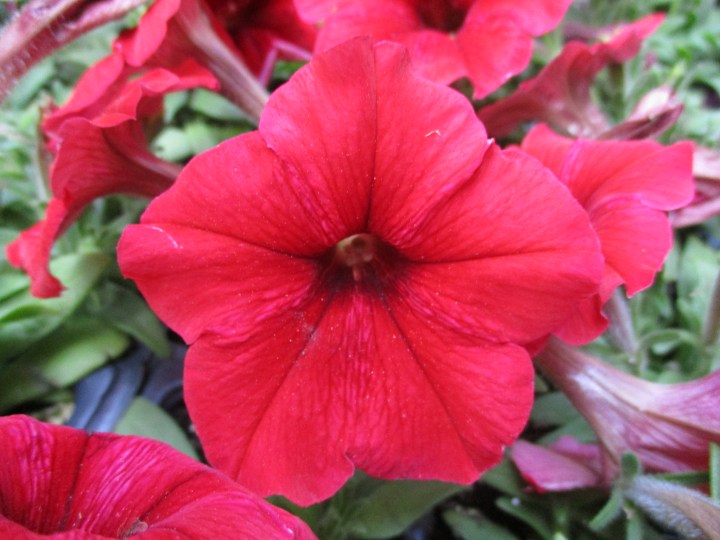
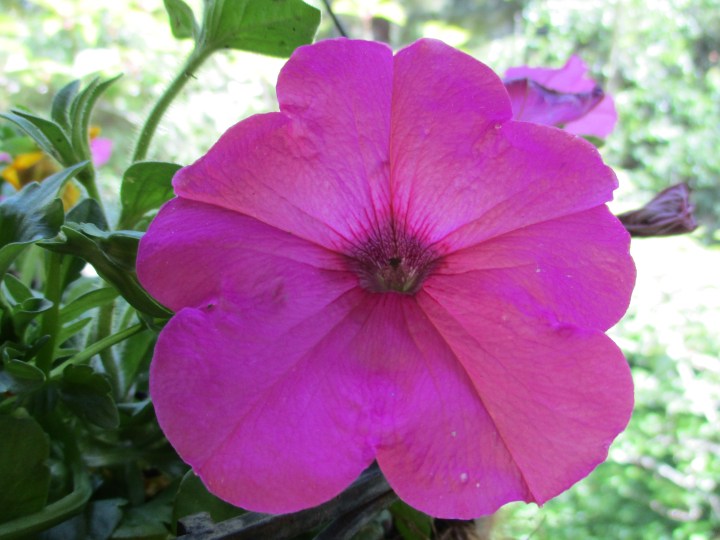
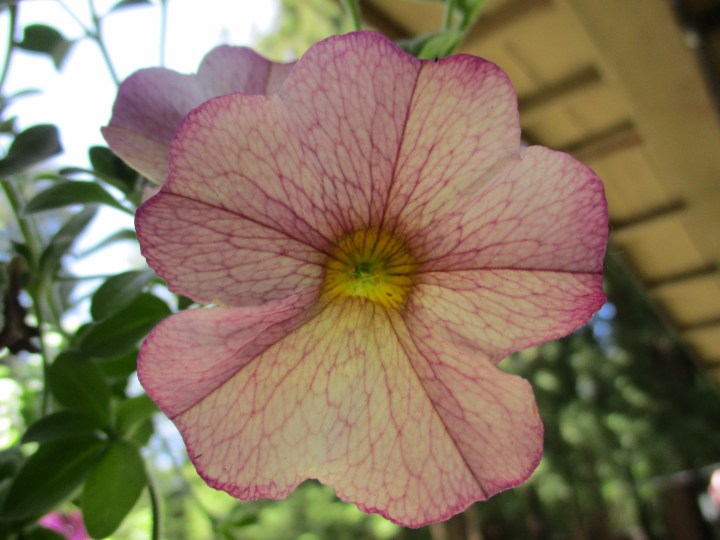
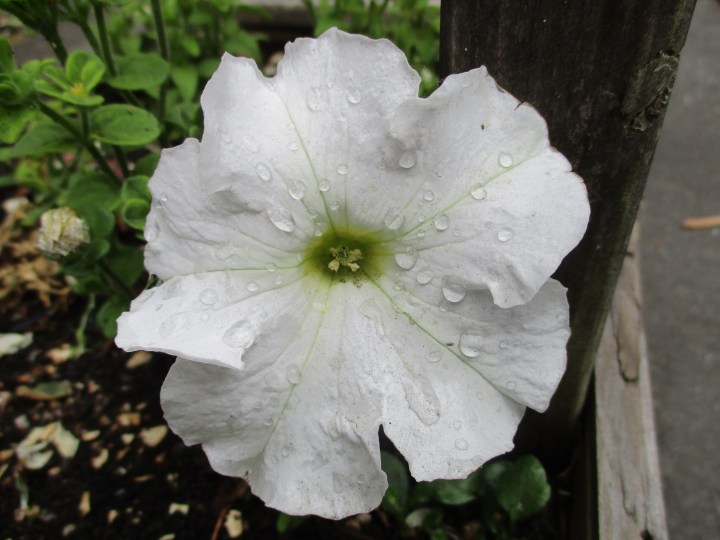
Many large-flowered sunflowers are true annuals. They are finished once their seeds mature. They will not bloom again. Even if they wanted to, they would not survive through winter. Petunias should be annuals, because they also die over winter. However, it is possible for them to survive winter in a semi-dormant state, and regenerate and bloom again the following spring and summer.
Realistically, it is not practical to salvage petunias for a second year. It is easier and more efficient to plant new ones. Yet, it sometimes happens, particularly in mixed plantings where old plants can get cut back while cool season annuals dominate in winter. Alternatively, lanky old stems can get buried with only their tips exposed. These tips might grow as new plants the following spring.
Cyclamen are cool season annuals that have been dieing back for summer. They usually get removed by now. However, in mixed plantings, some of their fat tubers can survive through summer to regenerate next autumn. For what they cost, they are worth salvaging! Primrose, chrysanthemum, impatiens and the various fibrous begonias are all worth salvaging through their off seasons.
Fibrous begonias may not know what their off season is. Those that bloomed through winter might be looking tired by now. If pruned back, they could regenerate as warm season annuals. Those planted in spring might look tired by the end of summer. If pruned back early enough in autumn, and protected from frost, they might grow enough before winter to work as cool season annuals. Cutting them back and waiting for regeneration may not be much more effort than replacing old plants with new ones, and is less expensive.
 Their pastel hues and blends of pink, lavender, near red and white are so perfect for the middle of spring when cosmos, Cosmos bipinnatus, begin to bloom. They are just as perfect as bloom continues right through summer and almost to autumn, when the tall and airy plants finally begin to wear themselves out. If they continue through autumn, they eventually succumb to frost in winter.
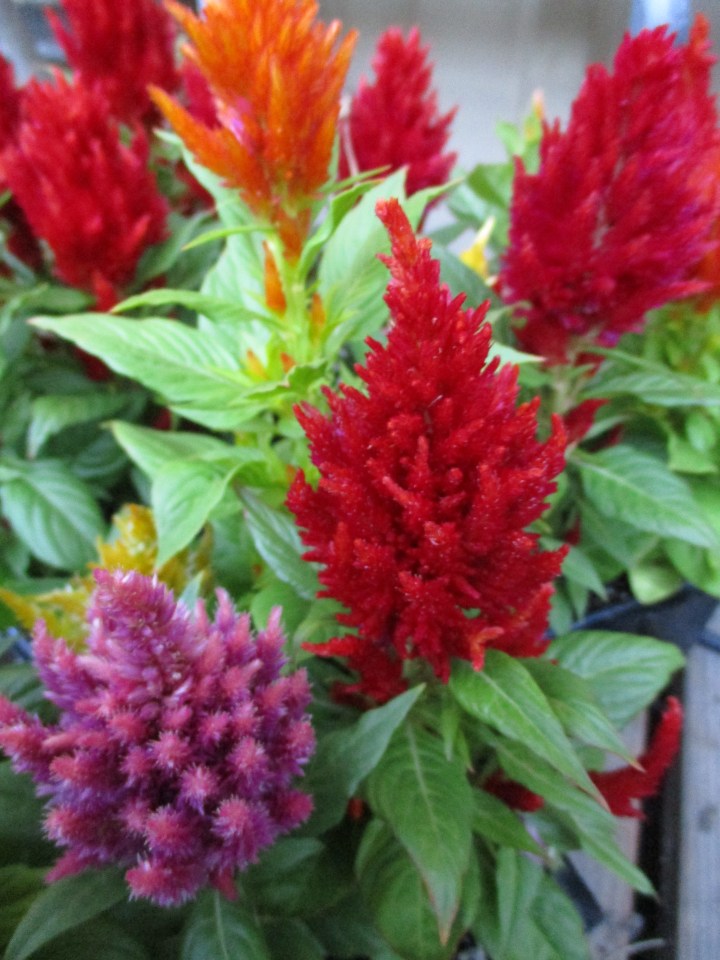 Not all annuals last as long as petunias do through summer, or pansies do through winter. Some fill in for the in between seasons, or if longer term annuals do not last quite as long as they should. Cockscomb, Celosia plumosa, blooms best now that it is about halfway through summer, and then finishes as weather gets too cool for it in late autumn, not so much more than two months later.
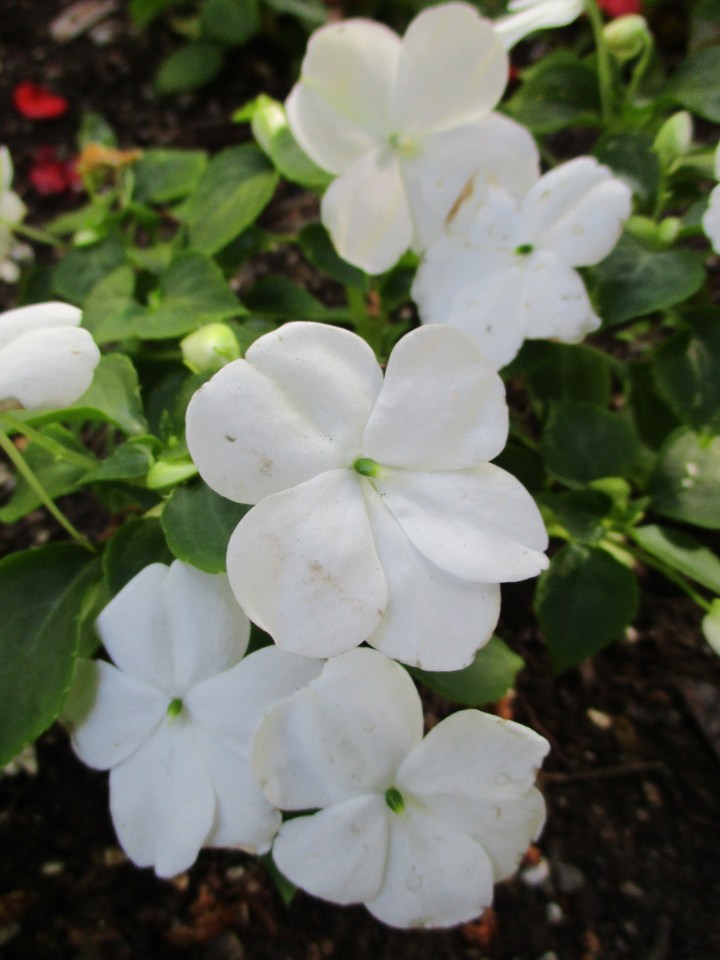 In only a few years, busy Lizzie, Impatiens walleriana, went from being one of the most popular warm season annuals to being unavailable in nurseries. It is now making a slight comeback. Most of those planted during their planting season last spring are now so profuse with bloom that their rich foliage is mostly obscured. Although they can be perennial, almost all get replaced in autumn.
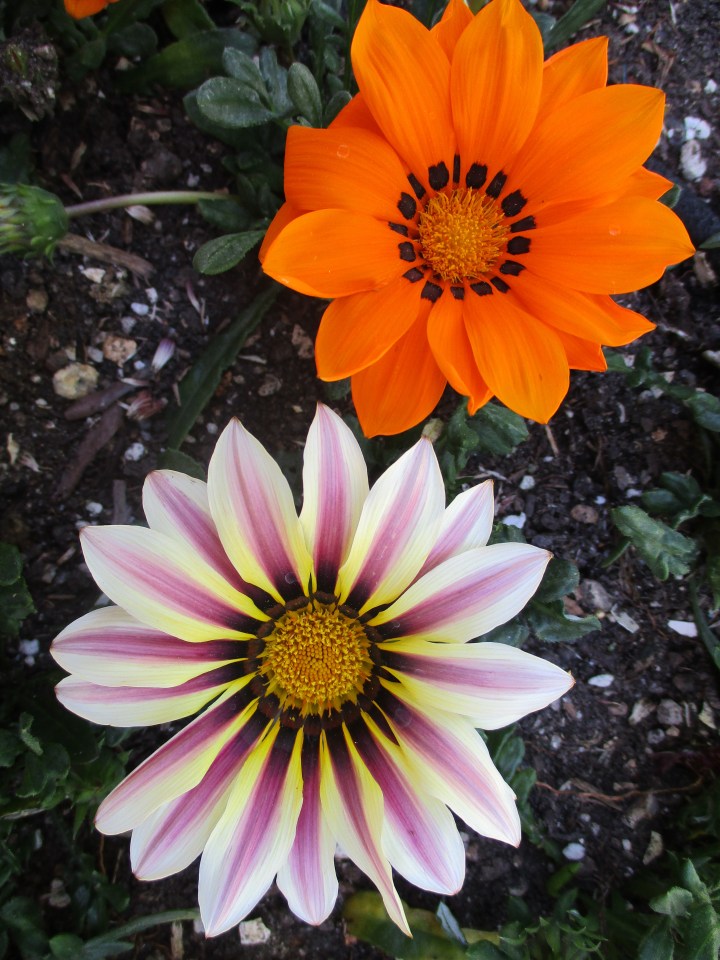 Why would anyone want to grow annual gazania when perennial gazania that is popularly grown as ground cover lasts for several years? Well, as long as the weather stays warm, annual gazania blooms with an impressive abundance of bigger and more brightly colored flowers. Perennial gazania blooms less profusely and only in midsummer, with simpler and somewhat smaller flowers.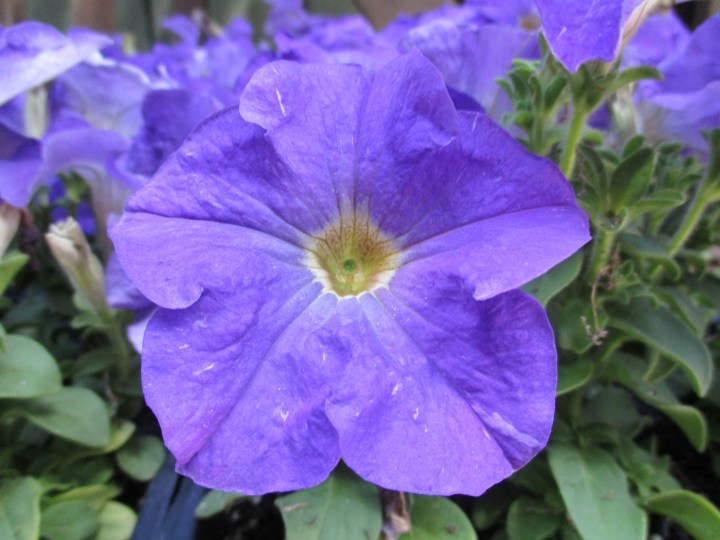

 This is one of those warm season annuals that we do not hear much about. Verbena looks something like lantana, but rather than maturing into a nice shallow ground cover or low mounding shrub with a bit of staying power, verbena lasts only until frost next autumn. The blooms are a bit larger. The leaves are a bit greener. They stay lower than a foot, and get only a few inches wider than tall.
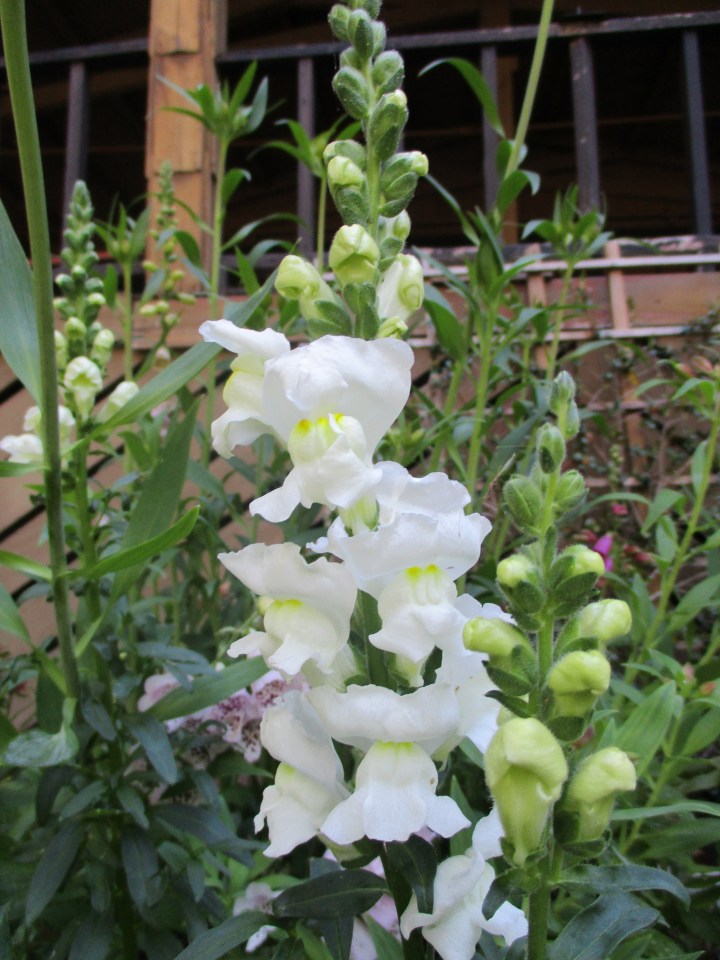 They are short term annuals in spring or autumn. Where winters are cold, they may last from spring through autumn. Where summers are hot, they may last from autumn through spring. So what are snapdragon, Antirrhinum majus, here? They can be either or both, depending on where and when they get planted. For most of us, they are a cool season annuals that finish before summer.
 Once it gets into a lawn, English daisy, Bellis perennis, can be very difficult to get rid of without leaving bald spots. The thin but tough rhizomes creep along the ground, producing rounded leaves that get no longer than two inches. Mowers barely scratch the surface. English daisy seems to prefer partly shaded areas to drier sunny spots. Although invasive, it can be pretty in informal lawns.
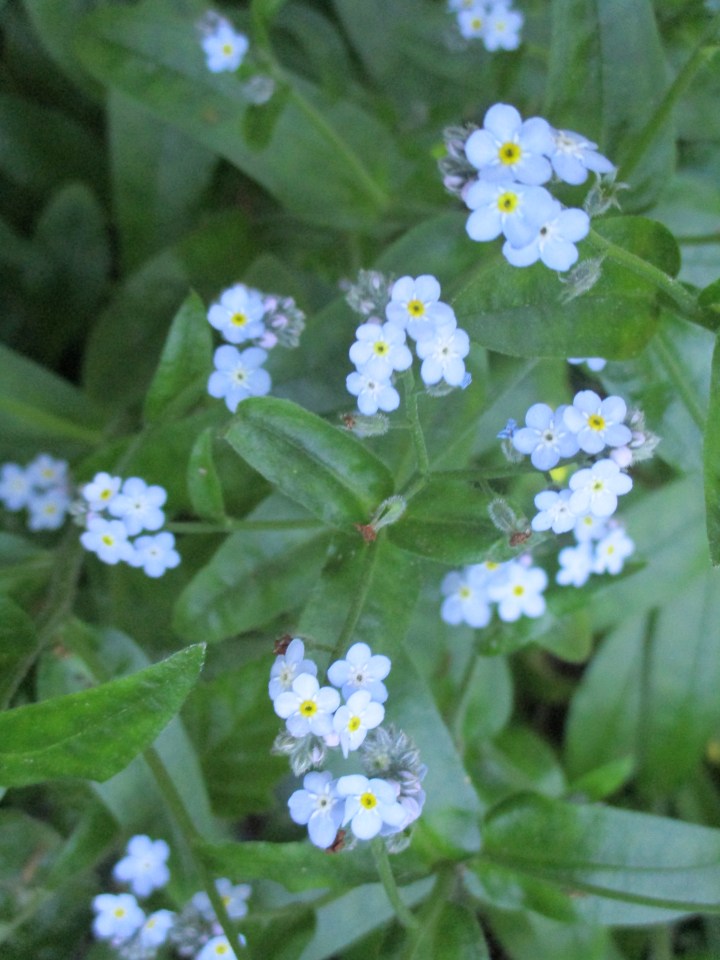 It is not easy to forget annual forget-me-not, Myosotis sylvatica. Even if it dies back early in the heat of summer, it will probably throw plenty of seed to regenerate through next winter, and bloom again by next spring. It can easily naturalize in damp or riparian areas, and might be considered to be a weed; but like nasturtium and foxglove, it is a polite weed that is not aggressively invasive.
