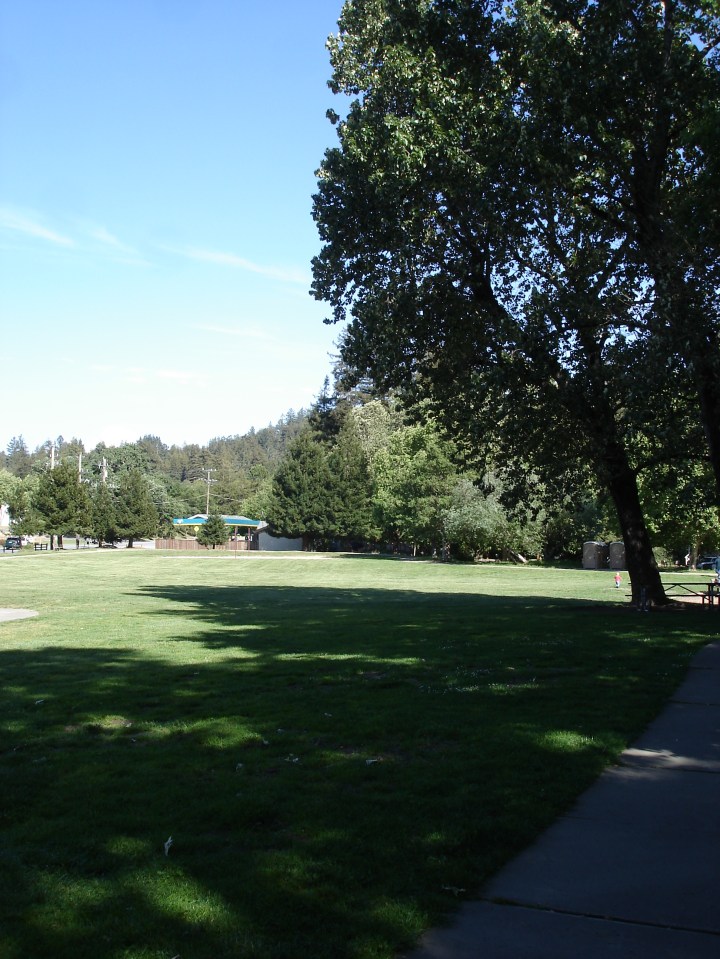
As a landscape feature, lawn and turf are in a distinct category. Just as arborists specialize in arboriculture (horticulture of trees), there used to be horticulturists who specialized in turf. Even though it is just as interesting, and in most regards, much more demanding than other plant material, many horticulturists who are not specialists with turf do not want to bother with it.
Turf is undeniably the most useful of all plant material, which is why there is so much of it. Unfortunately, it is also the most demanding. It requires more water than any other plant material, except only for aquatic plants and some bedding plants. (Small ponds with aquatic plants are actually less consumptive than larger lawns.) Mowing and edging needs to be done almost weekly.
All this work and water is probably worth the effort where turf gets the most use, such as athletic fields and parks. Yet, it is good incentive for alternatives where applicable. Larger patios and decks mean smaller lawns, and are usable ‘hardscape’ areas. Less demanding ground cover plants, and even old fashioned gravel and bark, work nicely over unused areas.
Since it was invented for the athletic field of the Astro Dome, artificial turf has had a bad reputation. It did not feel or look like real turf, and eventually succumbed to wear and tear. Realistically though, it worked. The main problem was that it was constantly compared to real turf, instead of recognized as an alternative to turf, like carpeting for garden space.
Modern artificial turf is much more convincing. It actually looks and feels something like turf, and is more resilient to weathering and wear. It is convincing enough to be used for athletic fields and playgrounds. It would be just as appropriate for landscapes inhabited by dogs if the dogs do not dig. Artificial turf can be expensive, but saves so much in water and labor.
Removing a real lawn and leveling the area for new artificial turf can be stressful to the root systems of mature shrubbery and trees around it, and even in neighboring gardens if the lawn is near a fence. Because artificial turf needs no soil amendment, excavation should be minimal. Because it needs no water, artificial turf can be placed right up against tree trunks.
After artificial turf is installed, some adjacent shrubbery and trees may want to be occasionally watered through the first few summers until they adapt to the lack of watering where the former lawn was. Such plants will not need as much water as the original lawn got, and will only need it temporarily if they get enough water in other areas of their roots zones.


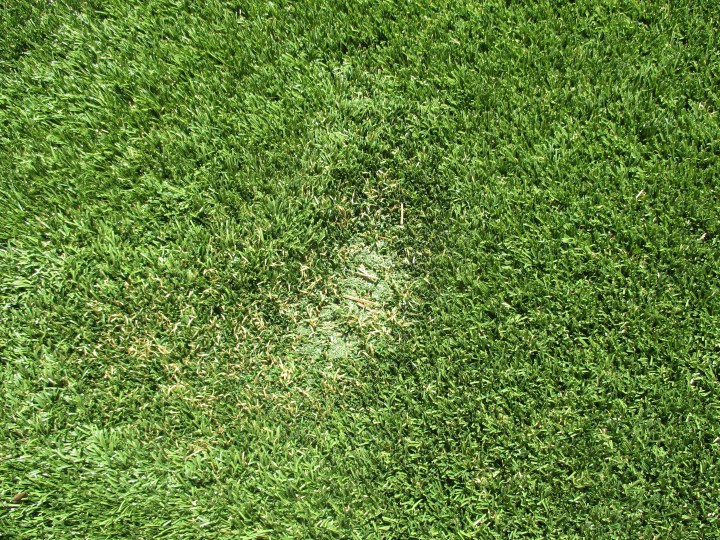 The lawn around the three small but gnarly oaks that were featured this morning in ‘
 Lawn is the carpeting for our outdoor spaces. Like pavement or decking, it makes the space in or gardens useful for more than growing other plants. Since it is designed to share its space with us, we give it more ground space than any other type of plant. For what it contributes, most of us do not mind giving lawn all the water and attention that it requires. It really seems indispensable.
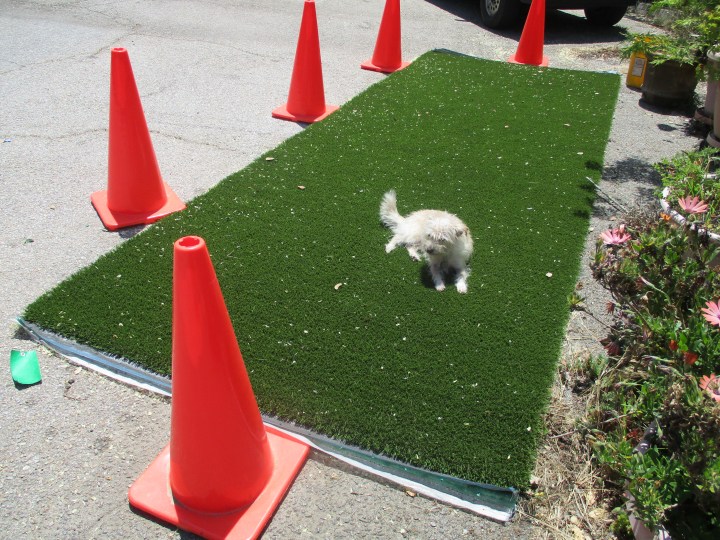 A new lawn is getting installed at work. Yes, installed. It will not be grown like lawns were decades ago. It will be unrolled and fastened into place, not like sod, but more like carpet. It will be synthetic artificial turf. After considerable deliberation, it was determined to be the most practical option for the particular application. The real turf that was there before succumbed to excessive traffic above and very sandy soil below.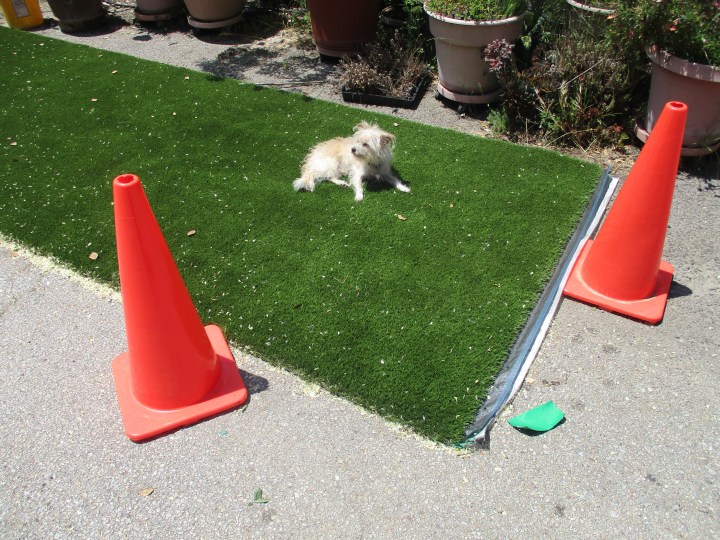
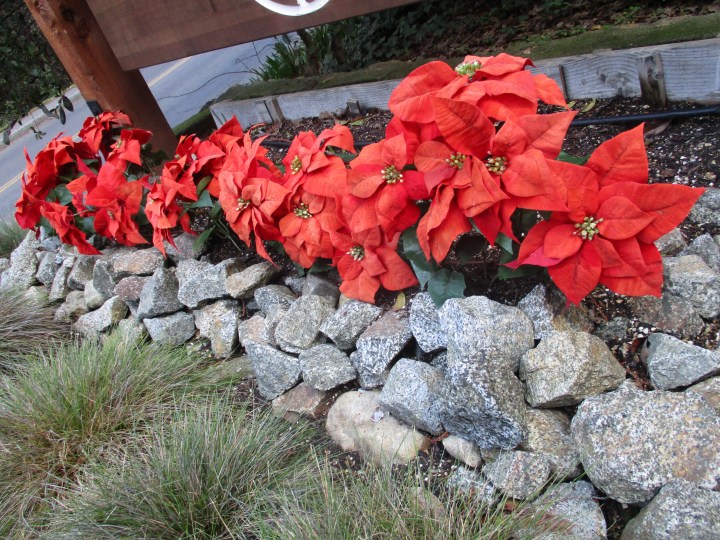 Latin and the other languages used to designate botanical names can make the mundane seem compelling, and the unpleasant sound appealing. ‘Nasturtium’ certainly sounds better than ‘nose twister’, which refers to the reaction to the unpleasant fragrance of the flowers. Horticultural professionals can use such language to our advantage, and for more than designating real genera and specie. ‘Necrodendron’ certainly sounds more interesting than ‘dead tree’, and is less likely to offend tree huggers.
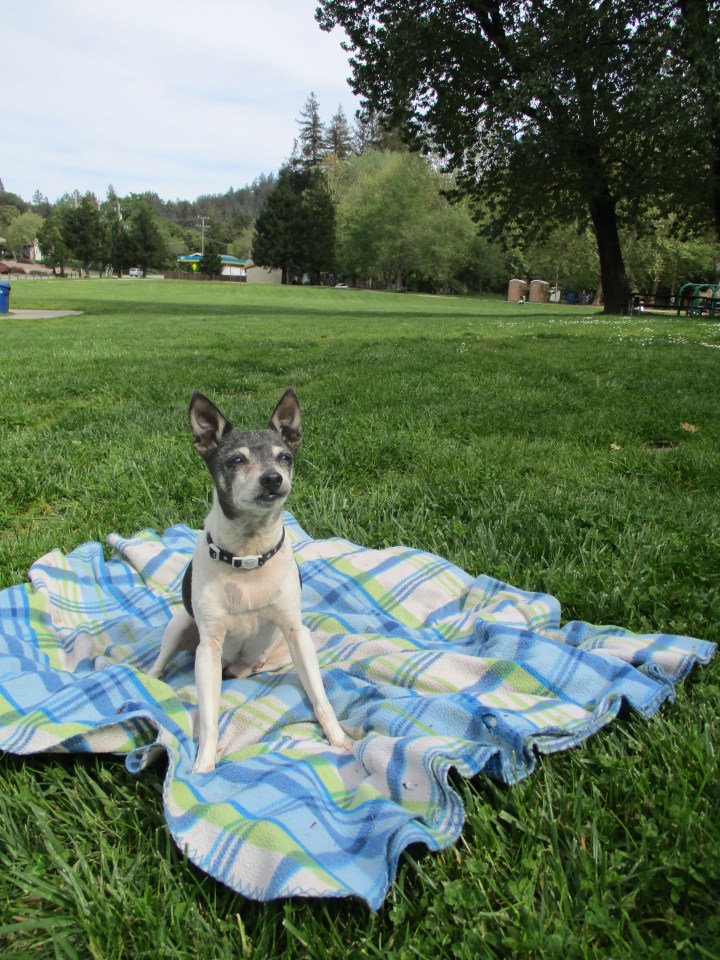 Turf grasses are the ultimate in groundcover. They are very durable, and useful for covering large areas in a very user friendly manner. The toughest varieties are used for athletic fields because they withstand the wear and tear. In home gardens, all sorts of varieties are grown as lawns. Like other groundcovers, lawns limit erosion, and are cleaner than bare summer dust and winter mud.
 Tony Tomeo