The Right Bulbs Save Energy

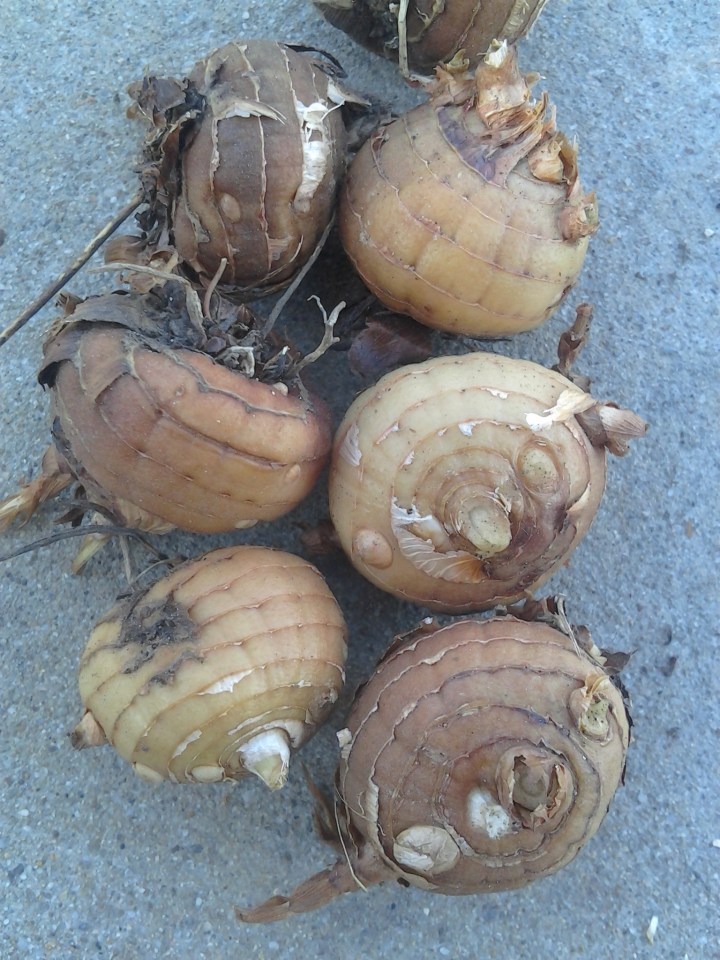
51014thumbAfter working so hard to bloom so impressively in spring or summer, bulbs redirect their efforts into saving up their energy for winter dormancy. That is why their fading foliage lingers after faded flowers get pruned away. The foliage eventually dries and deteriorates, leaving plumped dormant bulbs to overwinter underground. It is all their natural life cycle.

However, to bloom well the following spring, many bulbs need to be chilled while dormant. Such bulbs are from cooler climates. The chill convinces them that it really is winter, and that it will be safe to bloom when weather gets warmer in spring. They can get rather confused without adequate chill. Some may never bloom as well as they did their first spring.

Tulip, hyacinth, lily, anemone and ranunculus are probably the best examples of the worst perennial bulbs. Technically, they are perennials. Where winters are cooler, they may naturalize and bloom every spring. Here, winters are just too mild. They bloom very impressively in their first spring, but rarely bloom as well the second spring, and only if pampered.

Narcissus, daffodil, grape hyacinth and bearded iris are much more reliable. Crocus and freesia are a bit more demanding, but can be reliable if they get what they want. Montbretia and crocosmia are reliable enough to become invasive. Gladiola and dahlia, which are not quite as reliable as crocus, are summer bulbs, so get planted a bit later.

Of course not all bulbs are true bulbs. Some are corms, rhizomes, tubers or tuberous roots. Some get planted deeply. Bearded iris and a few others get planted shallowly. A few others do best in pots. In their first year, some bulbs can be planted in phases so that they bloom in phases the following spring. However, all bulbs of each type will synchronize by their second year.

Anemone, ranunculus and bearded iris bloom too synchronously to be phased. No matter when they get planted, each type blooms at the same time. However, some bearded iris bloom as early as the earliest of daffodil, and others bloom late. Some even bloom twice!

No Rain

P81006KFor the first time since last winter, a few raindrops were heard on the roof early last Monday morning. It was over by the time I realized that the odd and unfamiliar noise really was that of raindrops. By the time the sun came up, everything was dry. I do not even know if these few raindrops could be considered to be the first rain of the season. There were a few similar raindrops on my windshield a while back, but they were dismissed as such; merely a few random raindrops rather than a confirmed rain shower.
That is how our climate works here. The Santa Clara Valley is in a chaparral climate. Much of Southern California is in a desert climate. We do not get much rain, and it is almost exclusive to a limited rainy season that is centered around winter.
Dust and crud that accumulates on foliage through the long dry season tends to stay there until the rain rinses it away. Oddly, many native plants do not mind, and a few seem to appreciate it. Some have tomentum (fuzz) on their leaves that collects dust, particularly during the warmest and driest summer weather when foliage is most sensitive to desiccation and scorch. Others have sticky foliage that does the same. However, such foliage is remarkably efficient at allowing such crud to rinse away in the first rain. Both deciduous foliage that will be shed shortly after the rainy season starts, and evergreen foliage that will be replaced through winter, seem to prefer to start the rainy season clean. Is this just coincidental, or do the plants intentionally collect dust and crud to shade and insulate their foliage through the harshest summer weather, and then wash up for a good sunning at the last minute?

Winter Dormancy Begins In Autumn

50923thumbAutumn is for planting . . . but not much else. While it is important to get certain new plants into the garden before cool and rainy weather, other gardening chores will not be necessary while plants are becoming less active before winter dormancy. Raking falling leaves is probably the biggest of the new chores that are specific to autumn.
Formal hedges that have been getting shorn regularly since spring may not need to be shorn again until next spring. They simply will not grow much between now and then. If possible, pittosporum and photinia should not be shorn once the weather gets rainy. Their freshly cut stems are more susceptible to certain diseases while wet than during dry weather.

Citrus and tropical plants should not be pruned late because pruning stimulates fresh new growth that will be susceptible to frost later in winter. Even if tender new foliage does not get frozen, it can get discolored and disfigured by cold weather. Cool weather inhibits vascular activity necessary to sustain the development of healthy new foliage anyway.

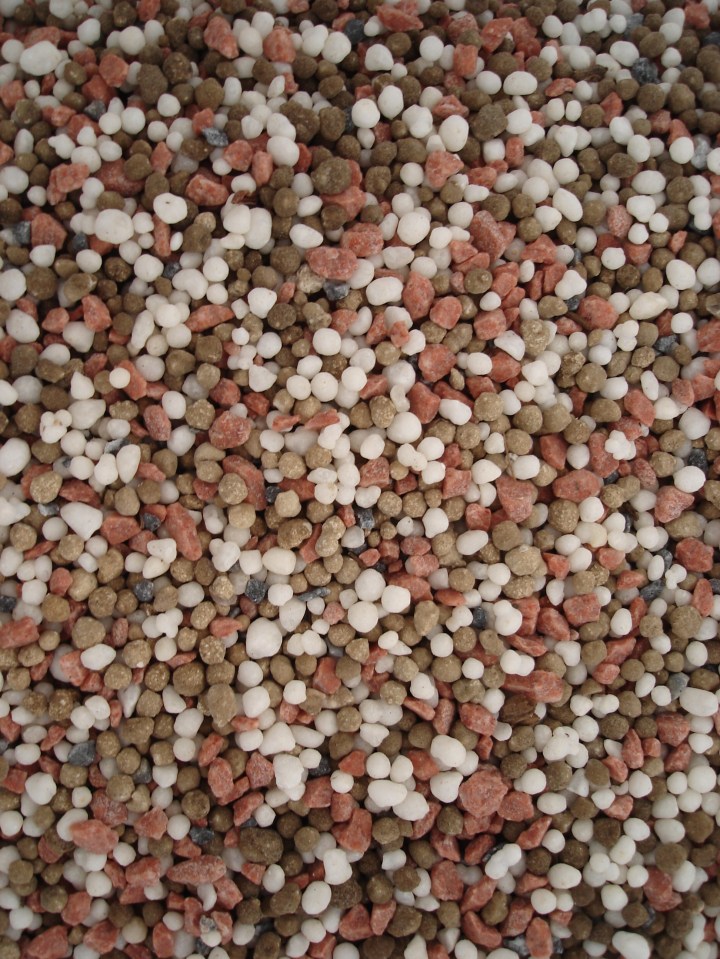
For the same few reasons, fertilizer will not be necessary later in autumn. Fertilizer can potentially stimulate new growth when it is not necessarily wanted. Also, some nutrients in fertilizer are less soluble (or chemically unavailable) while the weather is cool. Only plants that grow through winter, like cool season annuals, vegetables and grasses, will want fertilizer.

Planting is done in autumn because plants are either dormant or less active than they had been during warmer weather. They can take their time to disperse their roots into comfortably cool and damp soil. Evergreen plants do not draw as much moisture from their roots while foliage is cool and damp. Deciduous plants draw even less moisture without foliage.

Spring blooming bulbs get planted in autumn not only so that they can disperse their roots leisurely, but also because they need to get chilled to bloom well. Bulbs can be phased, so that those planted earlier will bloom before those of the same kind planted later. However, if planted too late, they may not get sufficient chill.

Take It Slowly In Autumn

81010thumbNo more fertilizer! . . . almost. The main exception is turf that might need a bit of fertilizer if it must stay green through the coldest part of winter, but that is another topic for later. Otherwise, most plants start to go dormant through autumn, and should be as dormant as they get by the middle of winter. Fertilizer later than now could be as logical as espresso just before trying to get to sleep.

Keeping marginally frost sensitive plants up past their bedtime can have serious consequences. Lemon trees are not often damaged by frost in the mild winter weather here. That is because they stop growing through late summer, and the last of their new foliage matures before autumn. Fertilizer applied too late can stimulate late new growth, which is more likely to be damaged by frost.

Plants that like a last application of fertilizer as late as the end of September, such as roses, use it for their last minute preparations for dormancy. It actually takes a bit of effort to abscise (shed) foliage. Besides, healthy foliage is easier to abscise than distressed foliage is. Well fed roots, although significantly subdued by dormancy, work later into winter, and get an earlier start in spring.

Roses are, of course, not as likely to be damaged by late application of fertilizer as lemon trees are. They know better than lemon trees do about what to do when the weather gets cool. They just go dormant. Much of the extra nutrients get ignored as they leach through the soil with winter rain. Many of the nutrients become insoluble and unavailable to plants as winter weather gets cooler.

Autumn is the season for allowing most plants to slow down and get ready for winter dormancy. Trying to get them to be as green and productive as they were in spring can do more harm than good. Only plants that are active through winter, such as cool season vegetables, cool season annuals, and some types of turf, might appreciate moderate applications of fertilizer. If newly installed plants want fertilizer, they should get only enough to keep them happy until they get more next spring.

Leaves Are Starting To Fall

81003thumbAutumn is slow in getting here. Yes, as of last Sunday, it is now autumn. The date is determined by the equinox, so is the same for everyone in the Northern Hemisphere, and is the same for the arrival of spring in the Southern Hemisphere. It just takes a bit longer for autumn weather to develop in the mild climate here. Nights are cooler. Shorter days are not as warm as they had been.

Even without the pretty foliar color that cooling weather prompts in other regions, deciduous foliage is already beginning to fall. Poplars, willows and some other trees that a naturally endemic to riparian environments are the first to start. Some are actually developing a slight bit of color, mostly soft yellow. More colorful foliage needs cooler weather, so will develop as weather gets cooler.

Sooner or later, falling leaves will need to be raked from lawns and groundcover. Trees that drop their leaves for a long time through autumn and into winter necessitate more frequent raking, even if their leaves do not accumulate enough to do much damage. Trees that drop their leaves within a shorter season can quickly drop enough to shade out turf or groundcover, or cause them to rot.

Because fallen leaves can stain hardscape surfaces, they should be raked efficiently from pavement and decking as well. Those of us who do not mind the staining, or even appreciate its rustic patina, might leave some of the fallen foliage out for a while, but should not leave it out long enough to promote rot in decking. Some leaves cause staining quite quickly, especially if wet from rain.

If leaves need to be raked from the garden and pavement, they probably need to be cleaned from roof gutters and anywhere else they accumulate on roofs. Just like raking, the clearing of fallen leaves from gutters and roofs is scheduled around the timing of the falling leaves, although it is not nearly as frequent. It may even be unnecessary if trees are too far from roofs for their leaves to fall or be blown onto them. Leaves that stay in gutters too long eventually decompose and clog downspouts.

Early Autumn Color Might Disappoint

60928thumbIt might seem like autumn color is a bit early this year. In the wild, where there is no irrigation, native box elders, and maybe some of the cottonwoods and sycamores, are already yellowing. The box elders are already dropping some of their foliage. However, this is not caused by an early chill. It is caused by late warmth after an otherwise mild summer, and might inhibit better color later.

It is still impossible to say for certain. There are so many variables that affect autumn color, such as temperature, humidity and daylength. Some of the plants that develop color late, like flowering pear trees in irrigated landscapes, might not be bothered too much by the same variables that are troubling wild box elders now. Where autumn weather is so mild, color is unpredictable anyway.

Sudden cool weather after mild weather late in summer would have been better for autumn color. (Warmth through the middle of summer is no problem.) Foliage lingers best if the weather stays cool without getting too cold. Wind and rain will eventually dislodge foliage. Sheltered sweetgums might hold their foliage until just before it gets replaced by new foliage late in the following winter.

The earliest trees to color, as well as those that are notoriously less reliable for color, are the most likely to be inhibited by the weather this year. Besides box elders, cottonwoods and sycamores, other marginally colorful trees like willows, walnuts, maples, elms, redbuds, smoke trees and deciduous oaks, may develop bland color. Mulberries and tulip trees, though early, are more reliable.

Sweetgums (which are also known as liquidambars) , flowering pears, Chinese pistaches and maidenhair trees (which are also known as gingkos) are the most reliable trees for color locally. Maidenhair trees turn remarkably bright yellow. The others can be various shades of bright yellow, orange, red or burgundy red, (although Chinese pistaches do not not often get burgundy color here). Crape myrtles have the potential for the same color range if conditions are right.

Leaves Are Starting To Fall

50923thumbAutumn color is different every year. Sometimes, early and sudden cool weather after a mild summer promotes good foliar color that lingers longer while relaxed trees slowly realize that they should probably start to defoliate. Sometimes, early wind and rain accelerate defoliation of otherwise good color. There are a few variables that trees must adapt their performance to.

Warm and arid weather two weeks ago started the process of defoliation suddenly and a maybe slightly early this year. Even before the weather gets cool, deciduous trees are already starting to shed the oldest of their foliage that they do not need in order to hold their youngest foliage a bit later into autumn. Evergreen trees do the same to limit desiccation.

Slightly breezy weather that was so pleasant after such heat was just enough to start dislodging deteriorating foliage. Now, leaves are already starting to fall before they develop much color. Redwoods and pines are likewise dropping browned needles. Fortunately, trees that are the most colorful in autumn tend to hold their foliage better until the weather gets cooler.

It is impossible to predict how colorful trees will be this autumn; although if storms are as healthy as predicted, the mild temperatures may inhibit color, while wind and rain dislodge colorful foliage. Regardless, it is already time to start raking falling leaves and needles. They can get messy, and when the rain starts, they can stain pavement and clog gutters.

When more foliage falls later in autumn, it will need to be raked from ground cover, surviving portions of lawn, and any other plants that collect it, so that it does not shade out the sunlight.

Indian Summer Is The Norm

70920thumbThe popular definition of ‘Indian summer’ suggests that it is unseasonably warm and dry weather in spring or autumn, and that it typically happens after frost. Well, that definition just does not work here. It makes about as much sense as our so-called drought, which is actually the normal weather for our chaparral climate. Weather that repeats annually is neither unseasonable nor abnormal.
There are certainly years with more or less rain, and years with warmer or cooler weather in late summer and early autumn. Weather is naturally variable. It does not work like the thermostats in our homes, or the automated irrigation systems in our gardens. It is impossible to predict precisely how this summer will end, but it will likely have some characteristics of a normal Indian summer.

The one characteristic of the popular definition of Indian summer that will be notably absent is frost. That will not happen until after autumn. Locally, Indian summer can either be what seems to be a continuation of summer weather, or a resumption of warm summery weather after a bit of cooler weather. The main difference from earlier warm weather is that the nights are significantly cooler.

That is more important than it sounds. We do not notice the cooler nights as much as the plants that are outside all night do. While the days are as warm as they had been, some deciduous plants will begin to defoliate. Eventually, those that get colorful in autumn will begin to do so. Roses can be fertilized one last time, but even as they continue to bloom, they should not be fertilized again.

Indian summer prolongs the summer growing season significantly, but also has the potential to interfere with the winter growing season. Warm days keep warm season vegetables and flowering annuals performing so nicely that we do not want to remove them to relinquish their space for the cool season plants that will be needing it soon! In other climates, frost ends the summer season for us, and necessitates the transition to cool season crops. Indian summer can be too much of a good thing.

It Will Soon Be Autumn

71004thumbFrom the time they get planted in early spring, tomato plants are expected to perform a bit better than they did earlier in the season. They start out with only a few early tomatoes, but quickly become prolific. Production continues to increase as the plants grow all through summer . . . until now. Newer leaves on top are not staying so far ahead of fading leaves below.
While the weather is still warm, it is difficult to say how tomato plants know that autumn will soon replace summer. They do not seem to be intelligent enough to realize that every day is imperceptibly shorter than the one before. Nor do they seem to be sensitive enough to notice if the nights get slightly cooler. They just know, and they tell all their friends.

If zucchini plants have not started to fade and sag, they will soon. As weather cools, they no longer grow faster than the mildew that they tolerated all summer. Any fruits that are present now should have time to finish developing, but there probably will not be many more after that. (Zucchini fruits are eaten before mature anyway.) Other warm season vegetables are in a similar state.

Acorn, Hubbard, butternut and other winter squash grow through summer just like summer squash do, but are not harvested until the vines wither in autumn and winter. Unlike summer squash that continue to produce many tender juvenile fruit to replace what gets harvested through summer, winter squash plants put all their effort into one or two large ripe fruit.

Warm season vegetable plants still need to be watered as the foliage slowly deteriorates. They only begin to need less water as they lose foliage and the weather gets cooler. They may like to be fertilized one last time, but will not not need it again. Any last phases of corn will stay thirsty later than other vegetable plants because they deteriorate slower, and are rather thirsty anyway.

Seed for broccoli, cauliflower, cabbage, kale and certain other cool season vegetables can be sown in flats or cell packs now so that their seedlings are ready to go when the warm season vegetables relinquish their space in the garden. If space allows, seed for beet, turnip and turnip greens can be sown directly into the garden. Carrot seed should still wait for cooler weather.

Flowers For Late Summer Bloom

80905thumbNo mater how much work we put into our roses to sustain bloom all through the season, and not matter how successful we are with that endeavor, the first spring bloom is always the best. Some roses continue to bloom in floriferous phases afterward, while others bloom sporadically but continually; but there is nothing like the first bloom phase. The last blooms are just waiting for autumn.

Of course, concentrating resources into early bloom is very sensible. That is why so many plants bloom only once in spring. It gives them time to get pollinated, develop seed and fruit structures, and finally disperse their seed or fruit structures, all before winter. Plants that bloom in summer or autumn are either from regions where winters are not too harsh, or where summers are harsher.

Because summer weather in most regions tends to be warmer and drier than spring weather, flowers that prefer to bloom in summer tend to be more prolific but smaller and less colorful. By this time of year, they are more reliant on wind for pollination rather than insects anyway. Therefore, they do not need to be big and colorful to attract pollinators, although some are fragrant just in case.

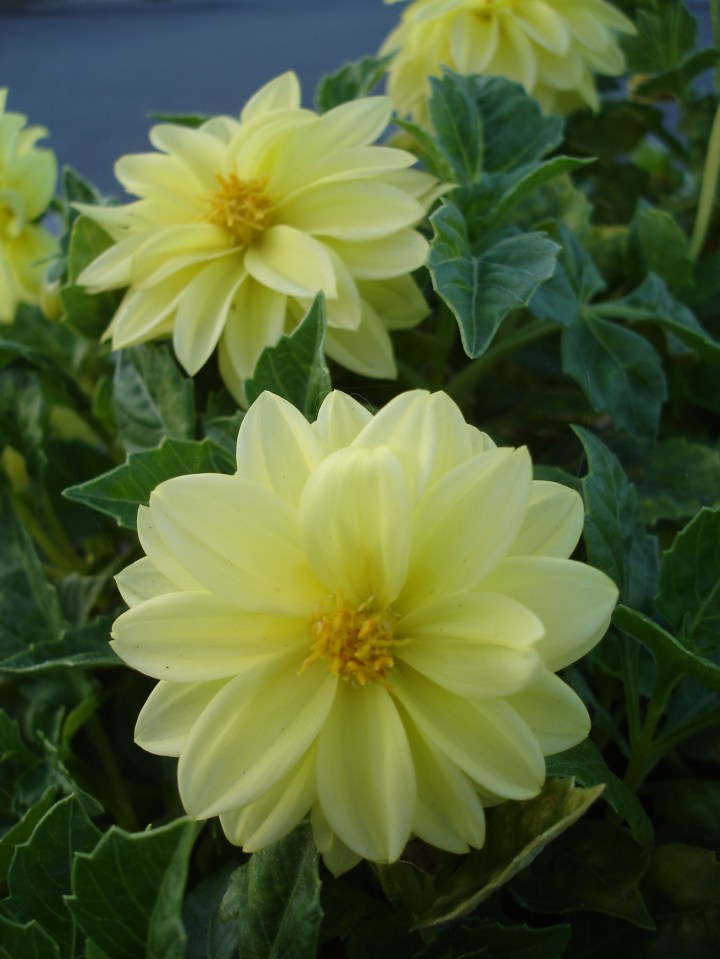
Sunflower, blanket flower, cone flower, zinnia, cosmos, delphinium, dahlia and of course rose, are some of the favorite flowers in the garden as well as for cutting in late summer and into autumn. Cut dahlia flowers should get their water changed daily so that they do not rot and smell bad so soon. Canna blooms about now, but does not last so well as cut flowers. Lily-of-the-Nile is finished.

Believe it or not, lemon bottlebrush is a delightful cut flower for those who are not allergic to it or repelled by the aromatic foliage. So are some of the showier eucalyptus, such as the red flowering gum, Eucalyptus ficifolia. Mexican blue sage that was cut back to the ground over winter blooms a bit in spring, takes a bit of time off through summer, and then starts to bloom as summer ends, ultimately blooming spectacularly early in autumn. A few other sages bloom as late, but few are good for cutting.