There was no theme for these six. I just took a few pictures of what happens to be blooming presently, and most just happened to be pink, or at least some variation of pink. The first picture of the bloom of the understock of flowering plum is my favorite this week, because it looks something like apricot bloom . . . in pink.
1. Flowering Plum – The flowering plum that was here first got cut down years ago. This tree grew from its understock. It is too pretty to cut down. The fruit is like apricots that never ripen.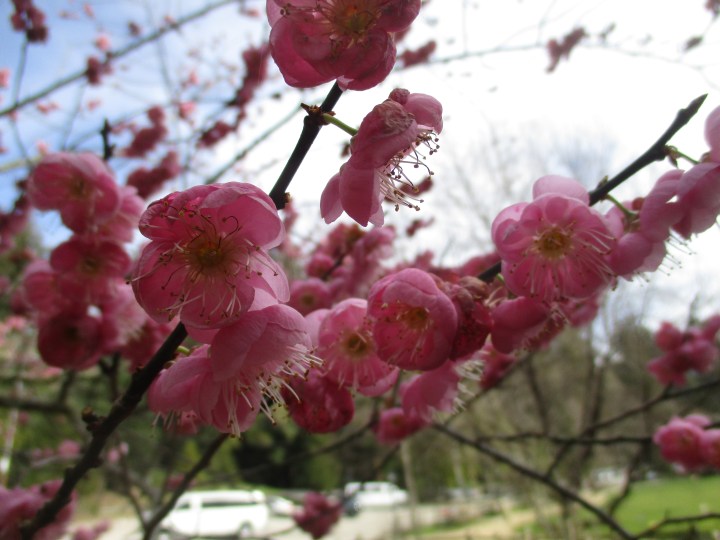
2. Rhododendron – Not many are blooming yet. This one is typically one of the earliest, but typically does not look so good. It tends to get battered by rain. There has been no rain in weeks.
3. Camellia – Most that are blooming now happen to be simple pink like this one. None of the white ones are blooming. The few red ones that are blooming seem to be of just a single cultivar.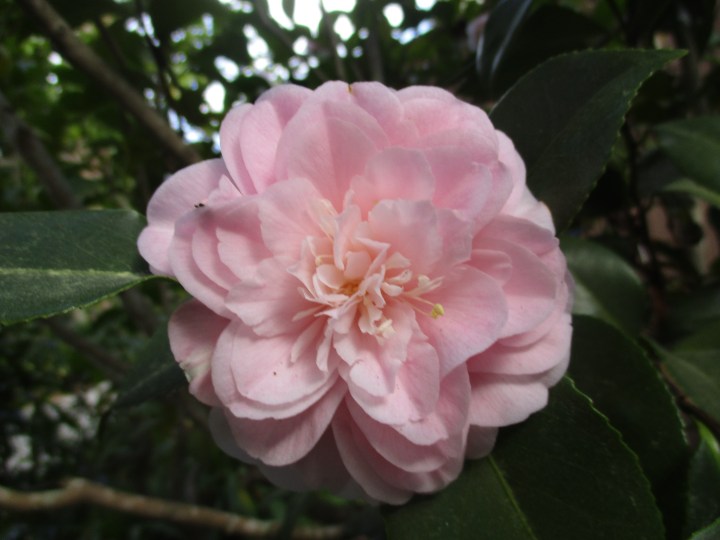
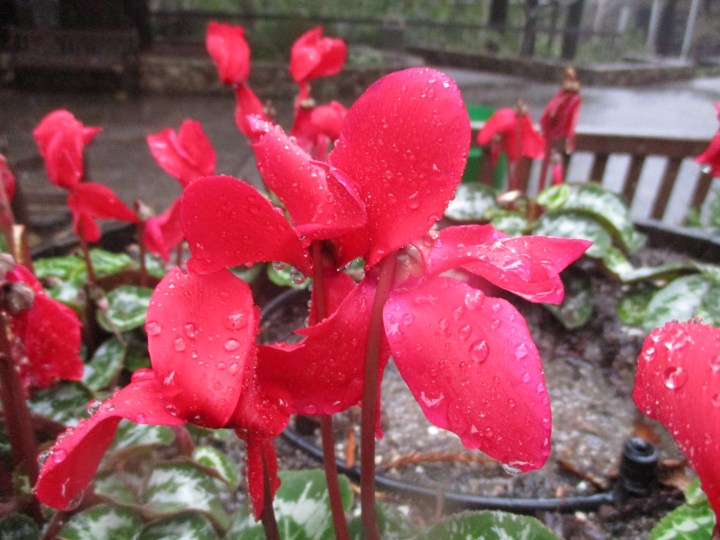
4. Primrose – This one seemed to be more rosy magenta pink when I took this picture. (I don’t even know if that is a real color.) It certainly looks red here. All of their colors are pretty now.
5. Corsican Hellebore – There is nothing pink about this one. It is just as sickly greenish white as it looks. I can not understand the allure. This is the only hellebore that does well for us here.
6. Hellebore – Common hellebore is not at all happy here. Many were planted years ago. Many ferals grew from self sown seed. Only this grungy pink one inexplicably blooms so abundantly.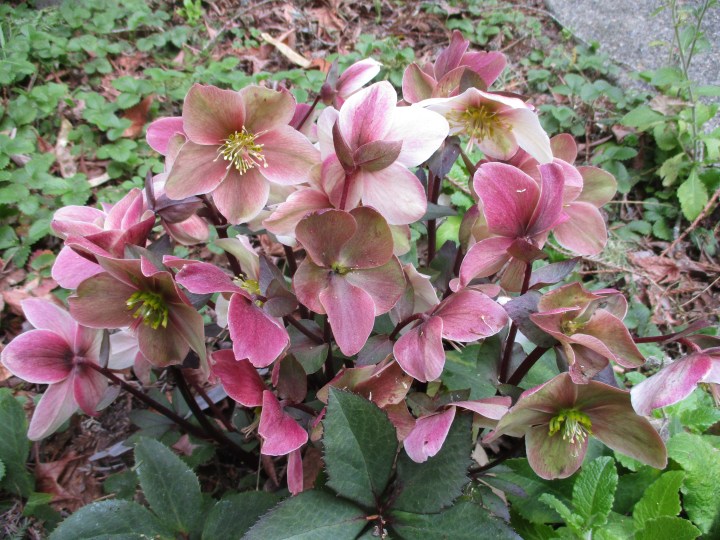
This is the link for Six on Saturday, for anyone else who would like to participate:
https://thepropagatorblog.wordpress.com/2017/09/18/six-on-saturday-a-participant-guide/



 Dog days of summer are no time for a dogwood to bloom. It should be slowing down and getting ready for autumn. Plump floral buds start to develop, but then wait dormant as foliage turns color and falls away. Only after winter dormancy, just prior to the emergence of new foliage, floral buds bloom spectacularly. September is either half a year too early or half a year too late.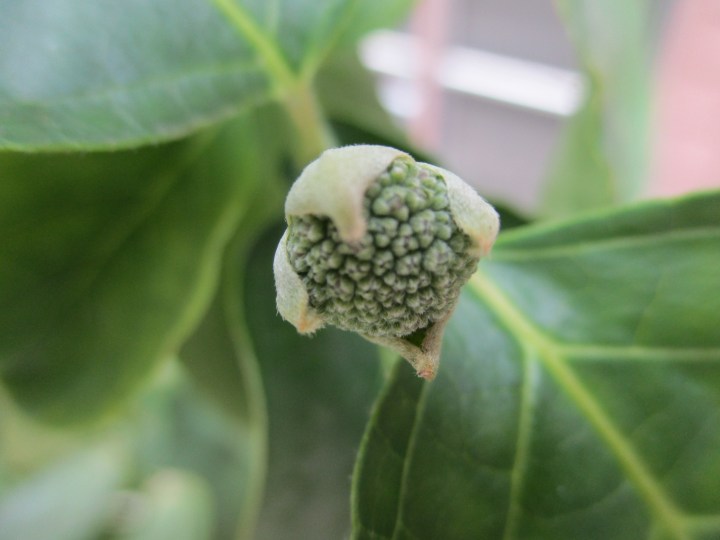
 Black-eyed Susan, sunflowers and a few of the late warm season annuals and perennials are still blooming, and a few will continue into autumn. By that time, cool season annuals can move in; and some of the deciduous trees, shrubs and vines that turn color for autumn will be doing so. Realistically though, this can be the leanest time of year for color in the garden. Even some of the foliage that is colorful through spring and summer has faded.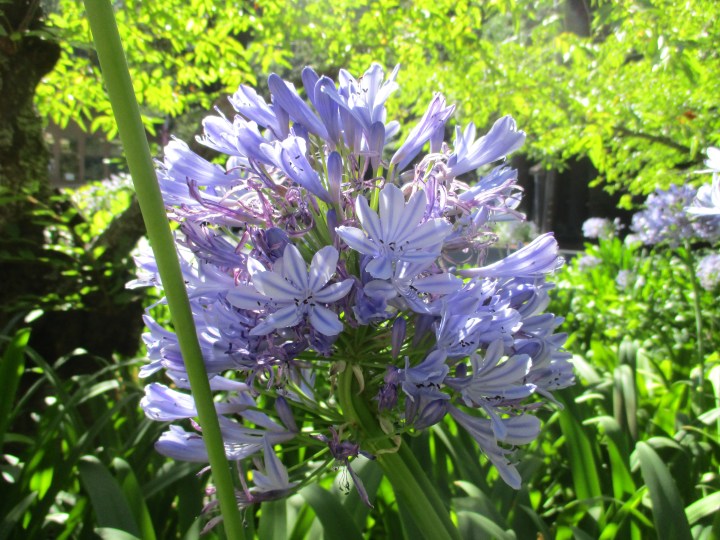

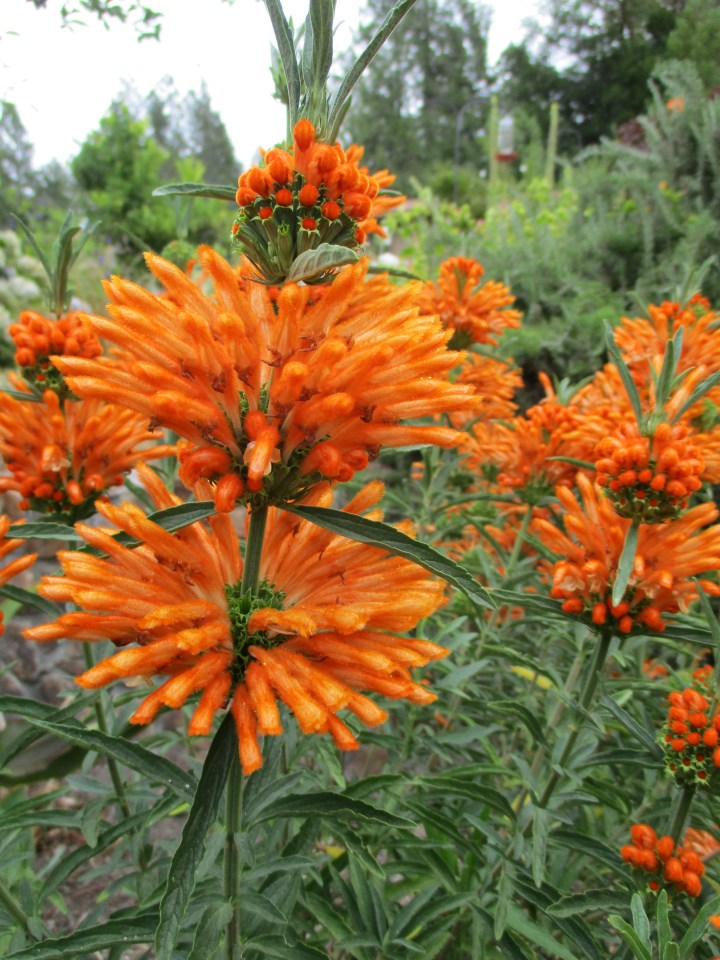 Are warm season annuals really the most colorful flowers for summer? Perhaps. They have their limits though. They are also very demanding. They need to be watered very regularly, and should probably be fertilized too. Many need to be deadheaded frequently. After all that, they are only temporary, and will get replaced with cool season annuals in autumn. Perennials are more practical.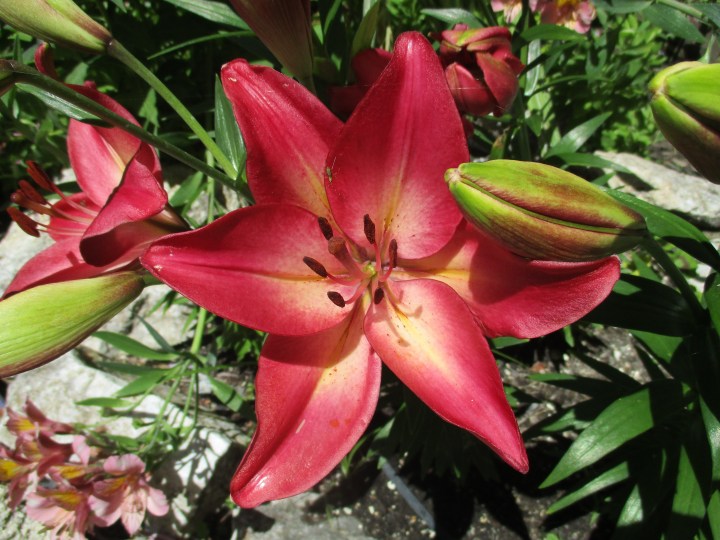


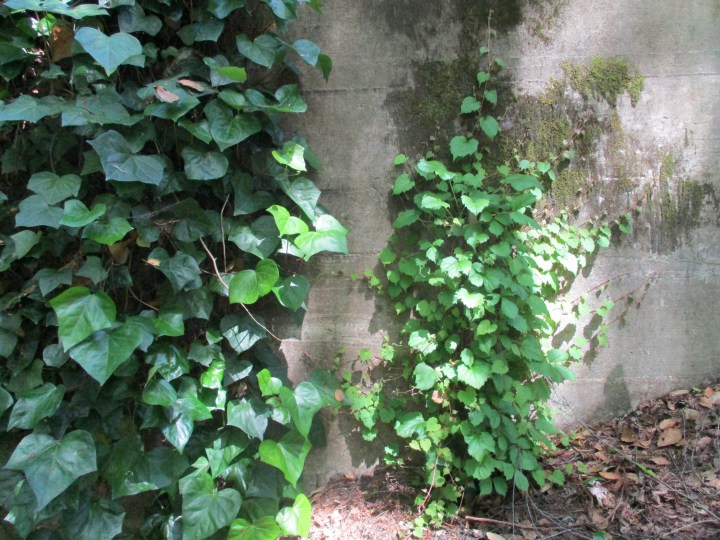

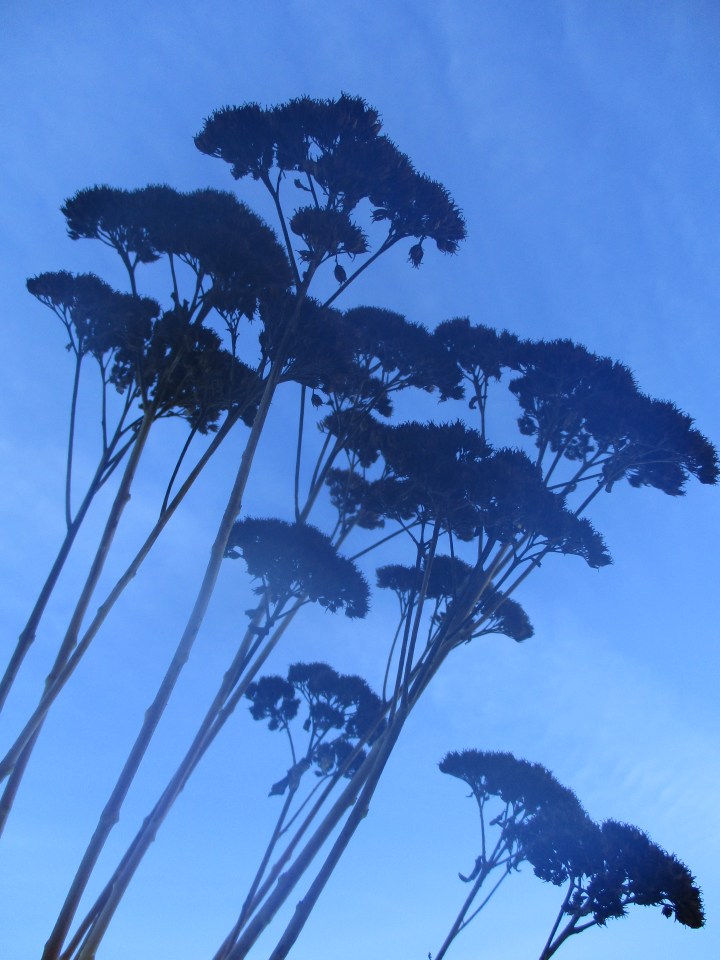 April showers bring May flowers. May flowers make a mess. Well, some of them do. Most simply disintegrate and fall from the trees, shrubs and vines that produced them, and decompose into the soil below. Some might have needed to be swept off of pavement and decks. Regardless, most of us do not notice the very minor consequences for the majority of spectacular spring bloom.
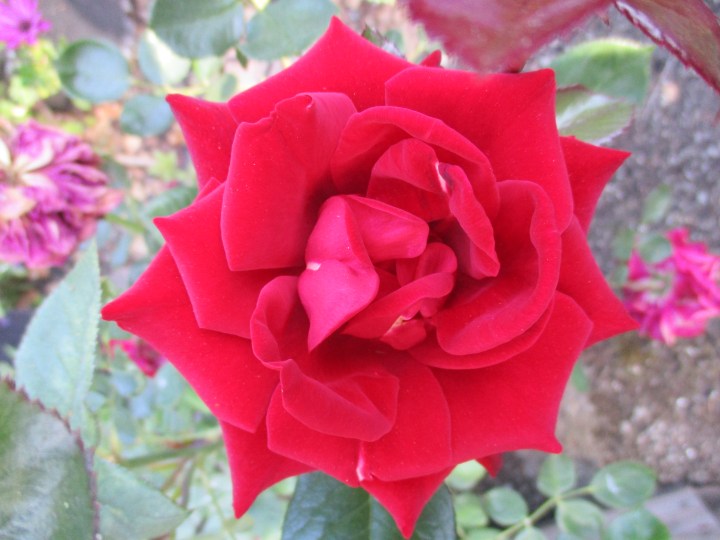 Roses are not for the meek. They are too demanding, too sensitive, too thorny, and without their flowers, they are not even very attractive. They have no business in a low-maintenance landscape, or in a landscape maintained by mow, blow and go gardeners. Those who want to grow rose plants for their flowers should be ready to give them what they want, and to prune them aggressively.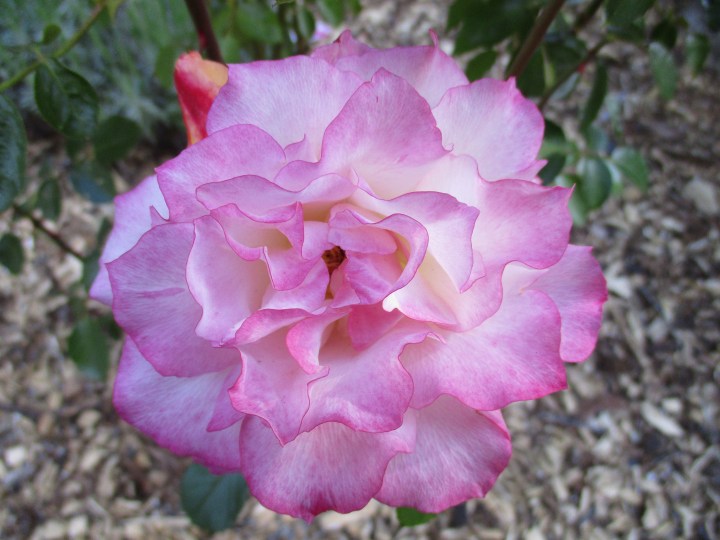
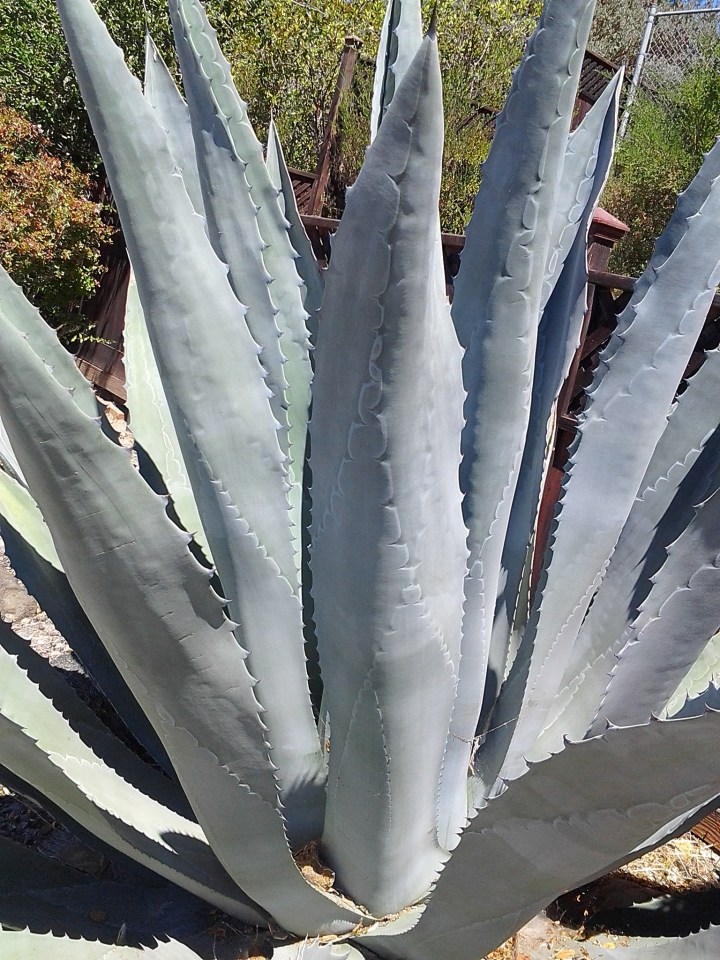 After providing remarkably striking foliage for many years, the biggest and boldest agaves bolt with spectacularly tall floral stalks that support horizontal pads of flowers. These stalks can bloom for months, and stand for months after bloom is finished. Then things get ugly. The foliage around each bloom folds back, desiccates and dies. There is no nice way to describe it. Bloom is death.
 Tony Tomeo