This is not a good week for my Six on Saturday. The first three are of pansies; and the last two are of gladiolus. That is not much variety. Posting six pictures of different cultivars of roses or rhododendrons is somehow different and more interesting.
I did not get out enough to get many good pictures this week. I work inside for part of the week, and needed to stay in for Thursday as well. I got outside only on Wednesday and Friday.
1. Pansies are slowly succumbing to the warmth of spring and early summer. They can continue to perform as long as they like, we will not be replacing them with any warm season annuals.
2. Pansies are even prettier up close. Foliage was unusually sparse among this group, even prior to spring. Pansies had never stayed so late before. I would not have guessed that they could.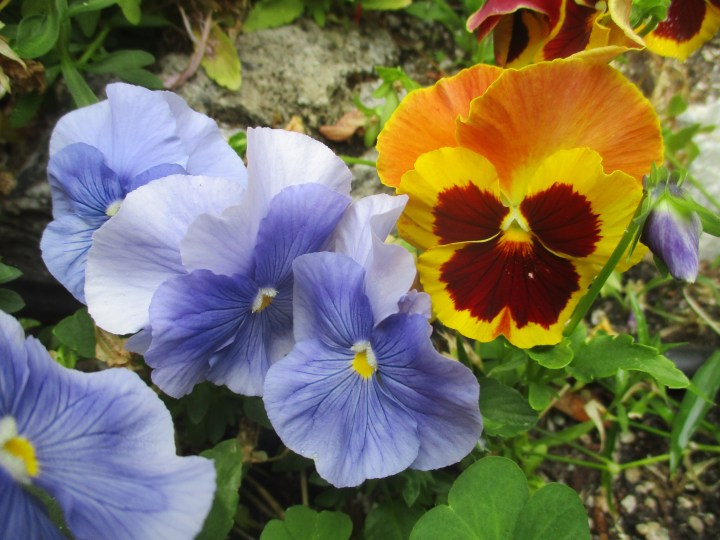
3. Pansy is one of the favorite flowers of my colleague down south. Although he does not use many at work, or even in his home garden, he always grows one pot full of them through winter.
4. Alstroemeria, which are also known as Peruvian lilies, do very well here. I do not remember if this is pink or ‘peachy’. I believe it is ‘peachy’. There are also yellow alstroemeria here.
5. Gladiola is one of my favorite summer bulbs, but I have not planted any in many years. They are not reliably perennial here. However, this orange gladiola has bloomed for several years.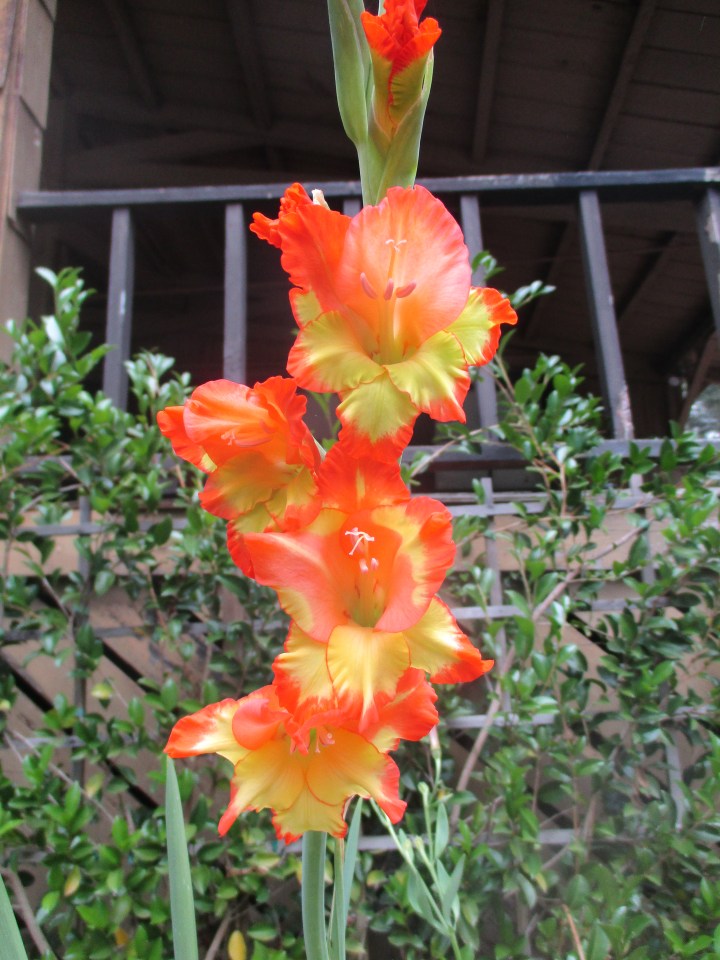
6. Gladiola, now that I think about it, is actually my favorite summer bulb, rather than just one of my favorites. This purple gladiola has bloomed as long as the other, only in a different area.
This is the link for Six on Saturday, for anyone else who would like to participate:
https://thepropagatorblog.wordpress.com/2017/09/18/six-on-saturday-a-participant-guide/











 Dog days of summer are no time for a dogwood to bloom. It should be slowing down and getting ready for autumn. Plump floral buds start to develop, but then wait dormant as foliage turns color and falls away. Only after winter dormancy, just prior to the emergence of new foliage, floral buds bloom spectacularly. September is either half a year too early or half a year too late.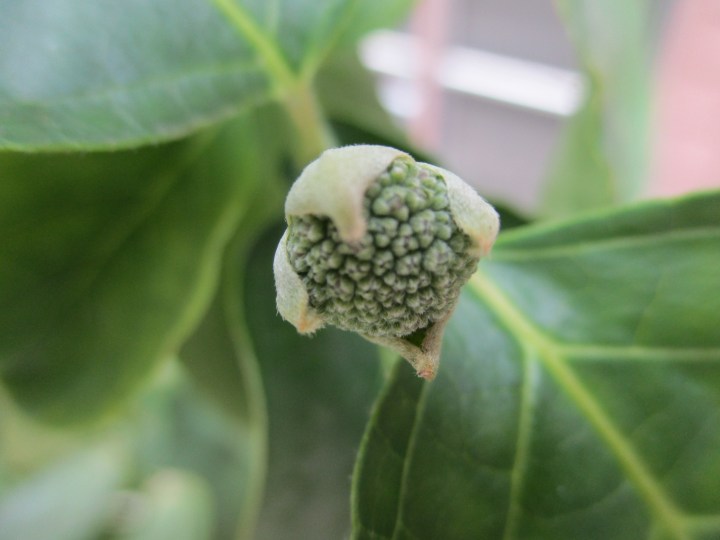
 Black-eyed Susan, sunflowers and a few of the late warm season annuals and perennials are still blooming, and a few will continue into autumn. By that time, cool season annuals can move in; and some of the deciduous trees, shrubs and vines that turn color for autumn will be doing so. Realistically though, this can be the leanest time of year for color in the garden. Even some of the foliage that is colorful through spring and summer has faded.
