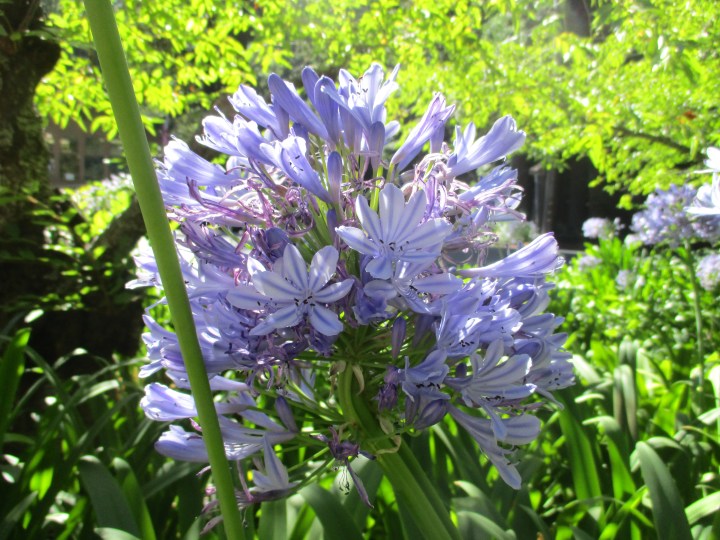
Floral fasciation is a rare developmental disfigurement of a bloom, supposedly caused by the fusion of two or more blooms. Many fasciated blooms really do look like two blooms stuck together, like double daisies. Alternatively, fasciation can cause distention of a single flower of many on a foral spike of foxglove.
Fasciation of lily-of-the-Nile bloom is typically expressed merely as a few stray florets on the otherwise bare stalk below the main floral truss. A smaller subordinate stalk may seem to be fused to the main stalk below the stray florets.
The specimen in the picture above is exceptional. It really does look like a double bloom, with one stacked on top of the other. The atypically short and stout stem looks like a tightly fused bundle of several smaller stems. Those who do not know better might find the more billowy and more colorful fasciated bloom to be more appealing than the normal bloom pictured below.
The first picture of my ‘Six on Saturday‘ post this morning shows that this is not the only fasciated bloom here. There is another similar fasciated bloom right next to it. This suggests that the fasciation is likely caused by a genetic mutation that was shared with each of two rhizomes that split from the original.
If the mutation is sufficiently stable, and not likely to soon revert, more copies could be propagated later by division. The rhizomes split after bloom; so if one split into two last year, the two that are here now could split into four next year. If genetically stable, all four should bloom with the same fasciation next year.
To monitor their genetic stability, I should probably relocate these two odd rhizomes, to separate them from the others for observation. I suspect that they will eventually revert anyway.

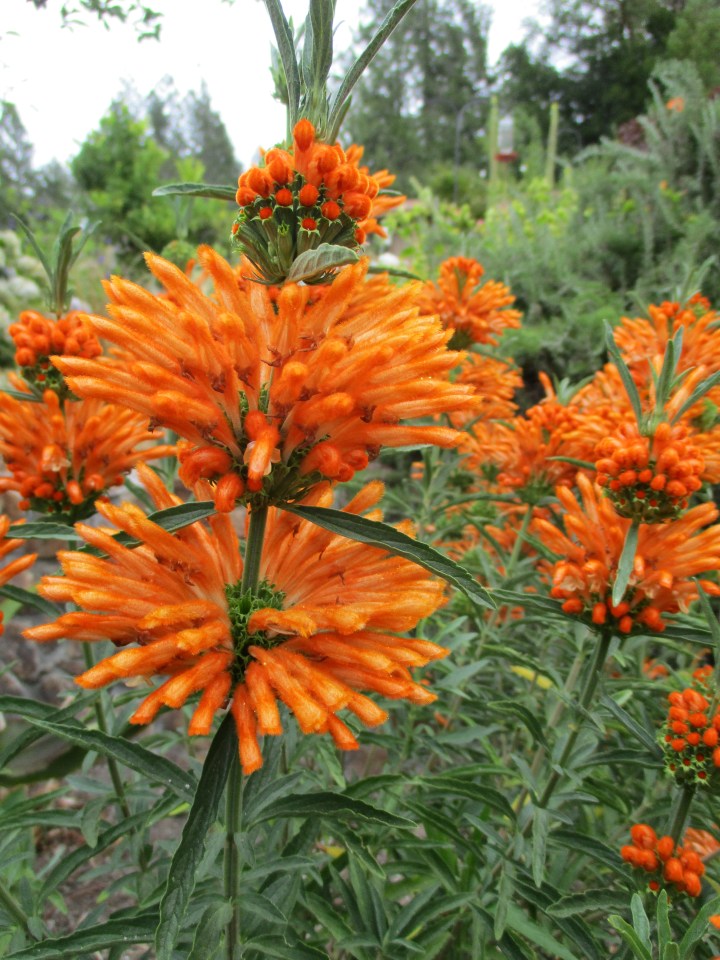 Are warm season annuals really the most colorful flowers for summer? Perhaps. They have their limits though. They are also very demanding. They need to be watered very regularly, and should probably be fertilized too. Many need to be deadheaded frequently. After all that, they are only temporary, and will get replaced with cool season annuals in autumn. Perennials are more practical.
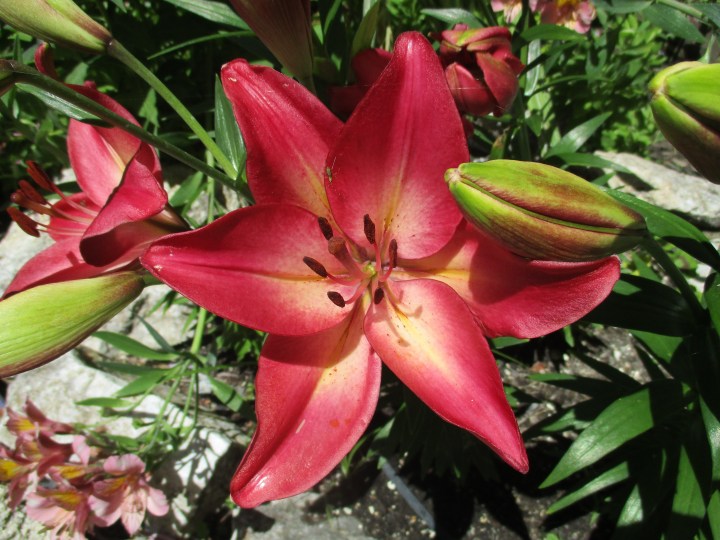


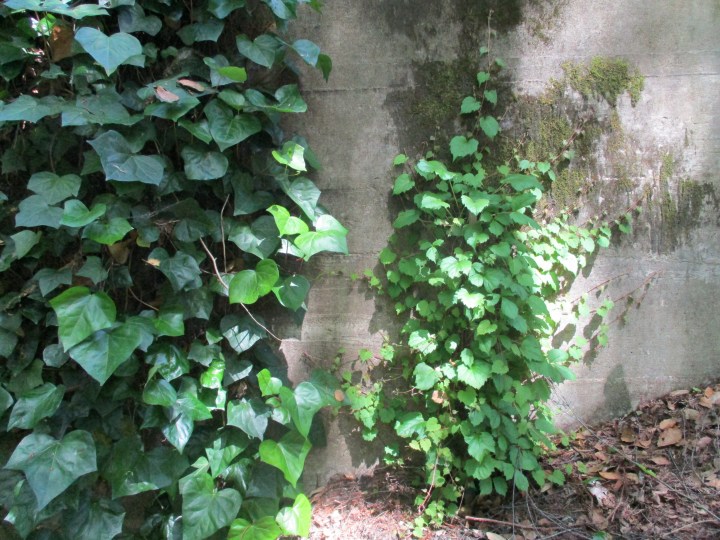

 April showers bring May flowers. May flowers make a mess. Well, some of them do. Most simply disintegrate and fall from the trees, shrubs and vines that produced them, and decompose into the soil below. Some might have needed to be swept off of pavement and decks. Regardless, most of us do not notice the very minor consequences for the majority of spectacular spring bloom.
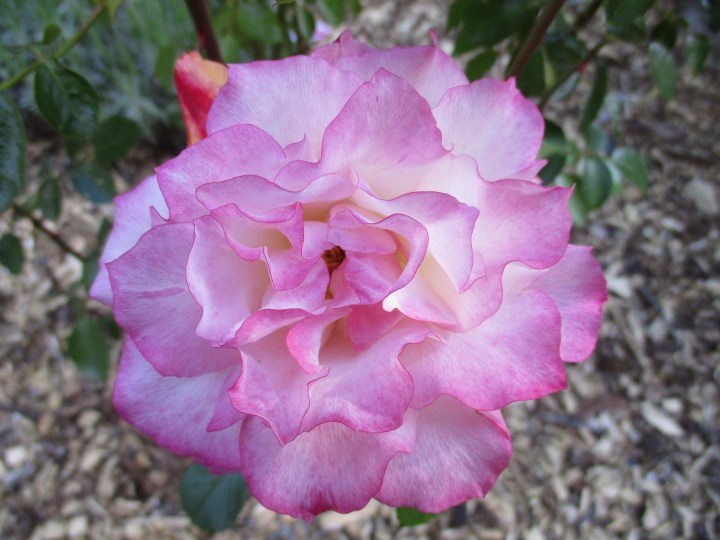
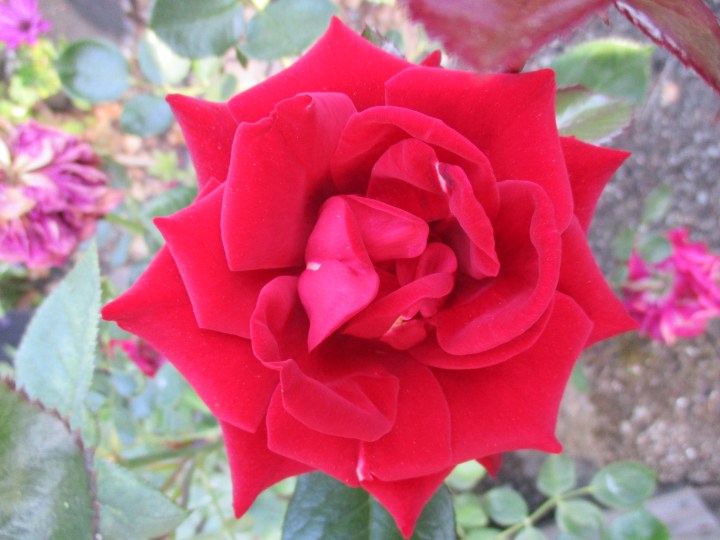 Roses are not for the meek. They are too demanding, too sensitive, too thorny, and without their flowers, they are not even very attractive. They have no business in a low-maintenance landscape, or in a landscape maintained by mow, blow and go gardeners. Those who want to grow rose plants for their flowers should be ready to give them what they want, and to prune them aggressively.
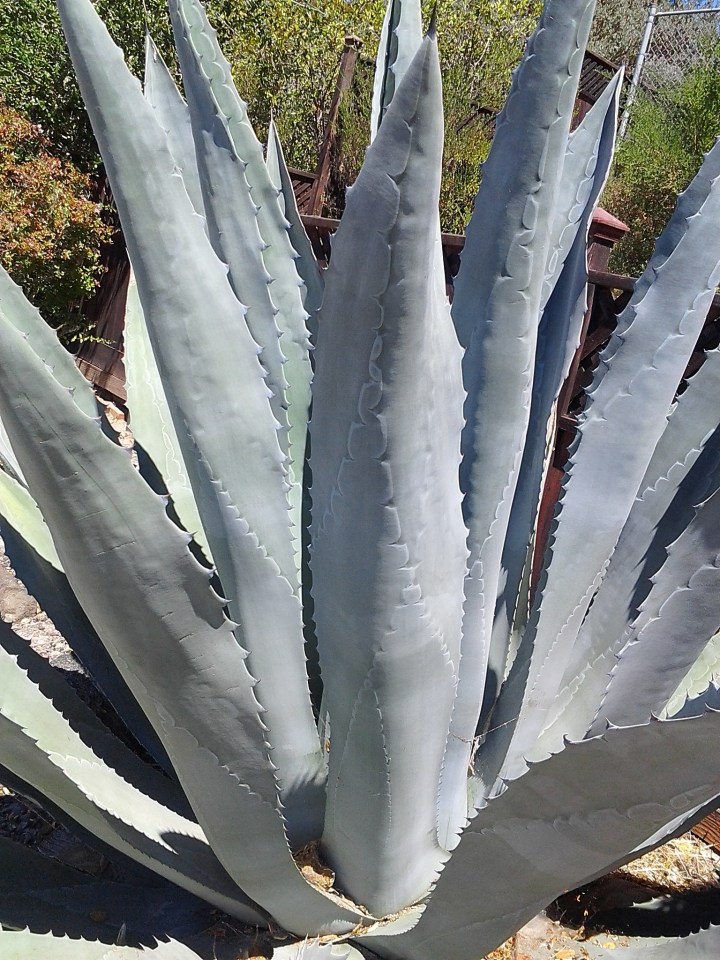 After providing remarkably striking foliage for many years, the biggest and boldest agaves bolt with spectacularly tall floral stalks that support horizontal pads of flowers. These stalks can bloom for months, and stand for months after bloom is finished. Then things get ugly. The foliage around each bloom folds back, desiccates and dies. There is no nice way to describe it. Bloom is death.
 There are a few consequences to all this excellent rain. Gutters are flooding. Trees are falling. Mud is sliding. As much as we should be grateful for what we are getting while we are getting it, it is getting rather old. Clear and sunny weather that is forecast after today will be a welcome relief from all this muddy sogginess.
 Properly pruned deciduous fruit trees probably do not have too many extra stems to spare now. Neglected trees would have more to offer. Believe it or not, a few of us who prune deciduous fruit trees diligently and meticulously in winter sometimes leave a few unwanted stems to prune out and take into the home now that the flower buds are beginning to swell and are about to bloom.
 Climate is what makes gardening so excellent here. It is just warm enough in summer for plants that like a bit of heat, but not too unbearably hot for too long. It is just cool enough in winter for plants that like a chill, but not cold enough for hard frost or heavy snow. The climate is also comfortable for us while out in the garden! Yet, even local climate is neither perfect nor predictable.
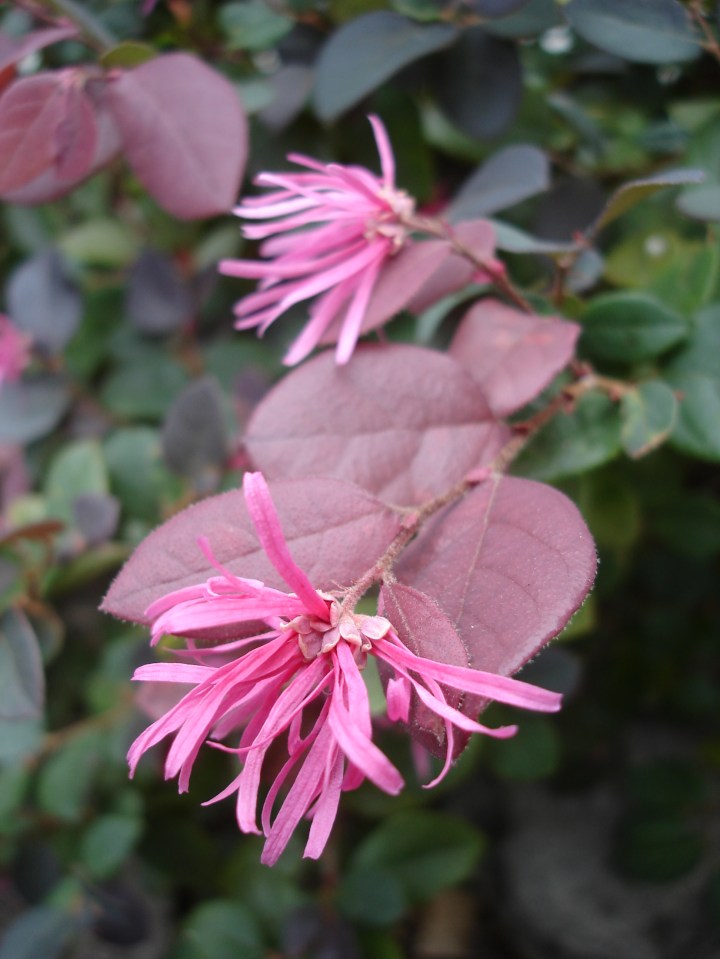 Since modern cultivars became trendy several years ago, the old fashioned ‘common’ fringe flower, Loropetalum chinense, has become even more uncommon than it already was. It does not grow fast enough to function as large scale shrubbery, but slowly gets too big to work as small shrubbery. Without pruning, old plants take many years to get to fifteen feet tall.

