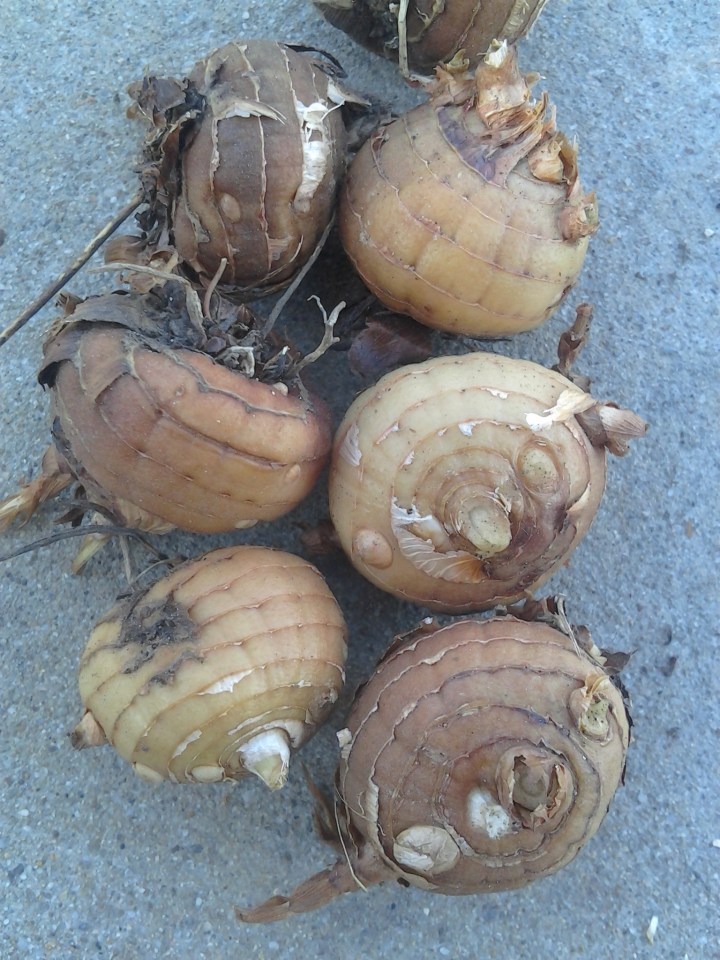
 After working so hard to bloom so impressively in spring or summer, bulbs redirect their efforts into saving up their energy for winter dormancy. That is why their fading foliage lingers after faded flowers get pruned away. The foliage eventually dries and deteriorates, leaving plumped dormant bulbs to overwinter underground. It is all their natural life cycle.
However, to bloom well the following spring, many bulbs need to be chilled while dormant. Such bulbs are from cooler climates. The chill convinces them that it really is winter, and that it will be safe to bloom when weather gets warmer in spring. They can get rather confused without adequate chill. Some may never bloom as well as they did their first spring.
Tulip, hyacinth, lily, anemone and ranunculus are probably the best examples of the worst perennial bulbs. Technically, they are perennials. Where winters are cooler, they may naturalize and bloom every spring. Here, winters are just too mild. They bloom very impressively in their first spring, but rarely bloom as well the second spring, and only if pampered.
Narcissus, daffodil, grape hyacinth and bearded iris are much more reliable. Crocus and freesia are a bit more demanding, but can be reliable if they get what they want. Montbretia and crocosmia are reliable enough to become invasive. Gladiola and dahlia, which are not quite as reliable as crocus, are summer bulbs, so get planted a bit later.
Of course not all bulbs are true bulbs. Some are corms, rhizomes, tubers or tuberous roots. Some get planted deeply. Bearded iris and a few others get planted shallowly. A few others do best in pots. In their first year, some bulbs can be planted in phases so that they bloom in phases the following spring. However, all bulbs of each type will synchronize by their second year.
Anemone, ranunculus and bearded iris bloom too synchronously to be phased. No matter when they get planted, each type blooms at the same time. However, some bearded iris bloom as early as the earliest of daffodil, and others bloom late. Some even bloom twice!
 Daffodils, freesias, lilies, snowdrops and the various early spring blooming bulbs and bulb like perennials will be finishing soon if they have not finished already, leaving us with the annual question of what to do with the foliage after bloom. The plants will not bloom again until next year, and the remaining foliage might be unappealing without bloom. Much of it slowly deteriorates into summer.
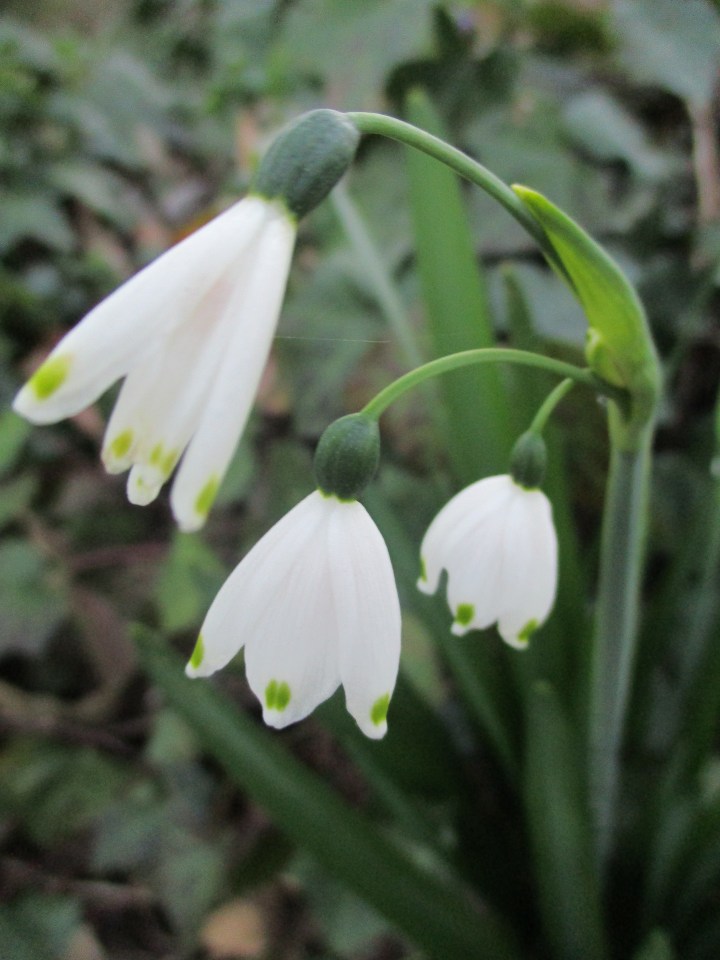 Where winters are more wintry, garden enthusiasts get to brag about their snowdrops as they emerge and bloom through melting snow. Diminutive white flowers against a backdrop of white snow may not look like much to us. We have more colorful flowers through winter, without the snow. Their kind of snowdrops, Galanthus specie, need more winter chill than they would get here anyway.



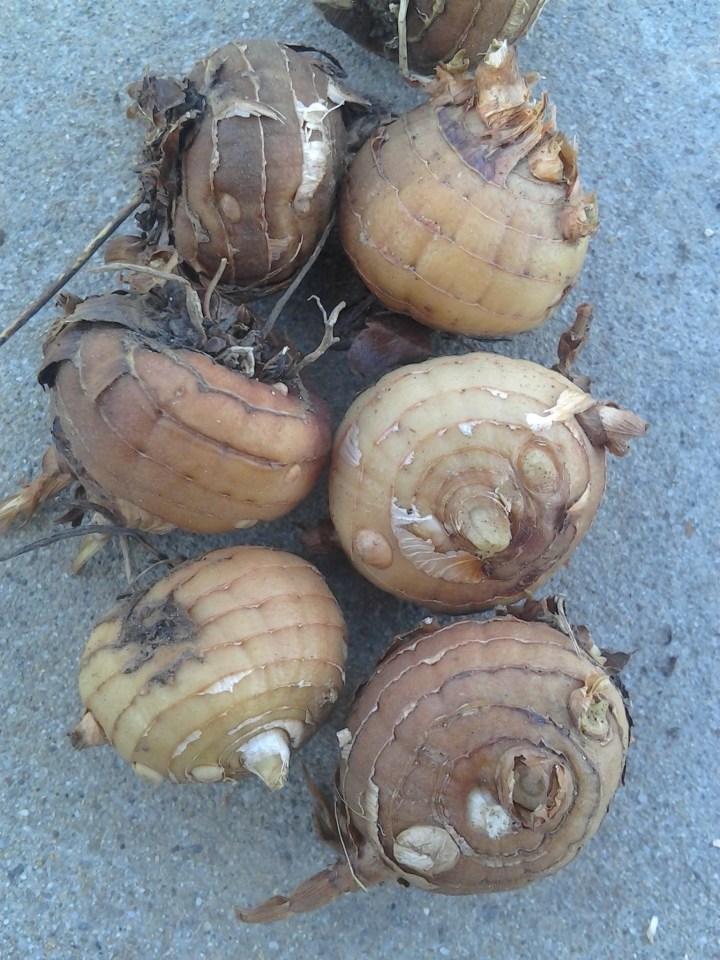 It might seem creepy to think about what spring bulbs are doing right now out in the garden. Like victims of a horror movie, they were buried in shallow graves last autumn. They were not dead though. They were undead but merely dormant. While no one can see what they are up to, they disperse roots and begin to push new foliage up to the surface of the soil. Some might bloom soon.
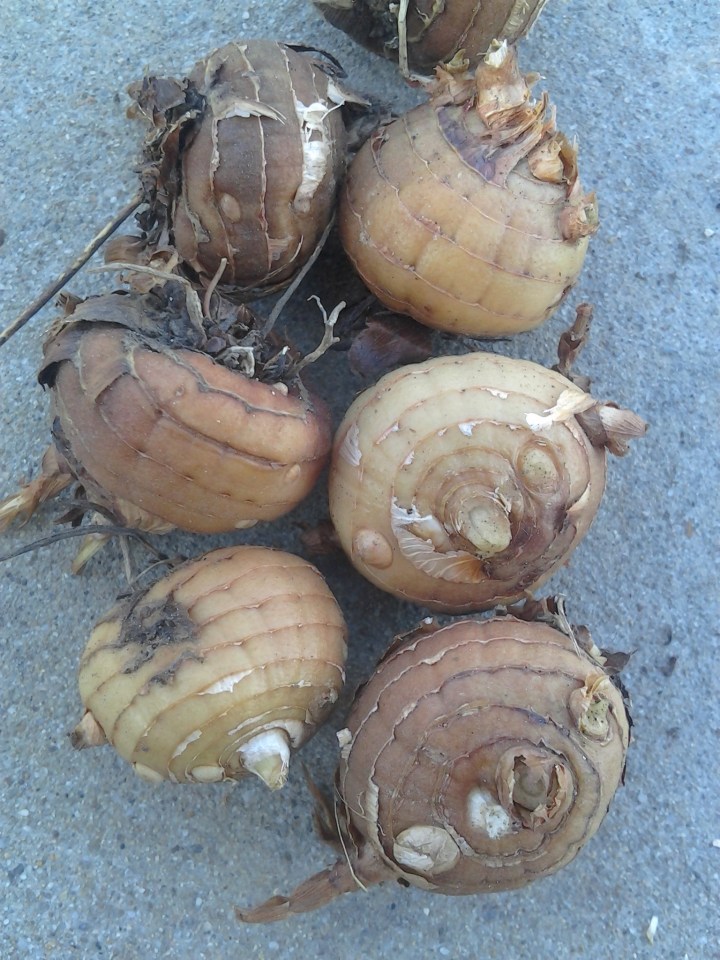 Of all the gardening chores, planting dormant bulbs is probably the least gratifying. All we do is dig a hole to the required depth and width, set a few unimpressively dormant bulbs with the correct orientation and spacing, and then fill the hole with the same soil that was removed from it. The process gets repeated until all the bulbs are planted. Soil amendment and fertilizer might be added.
 Tony Tomeo