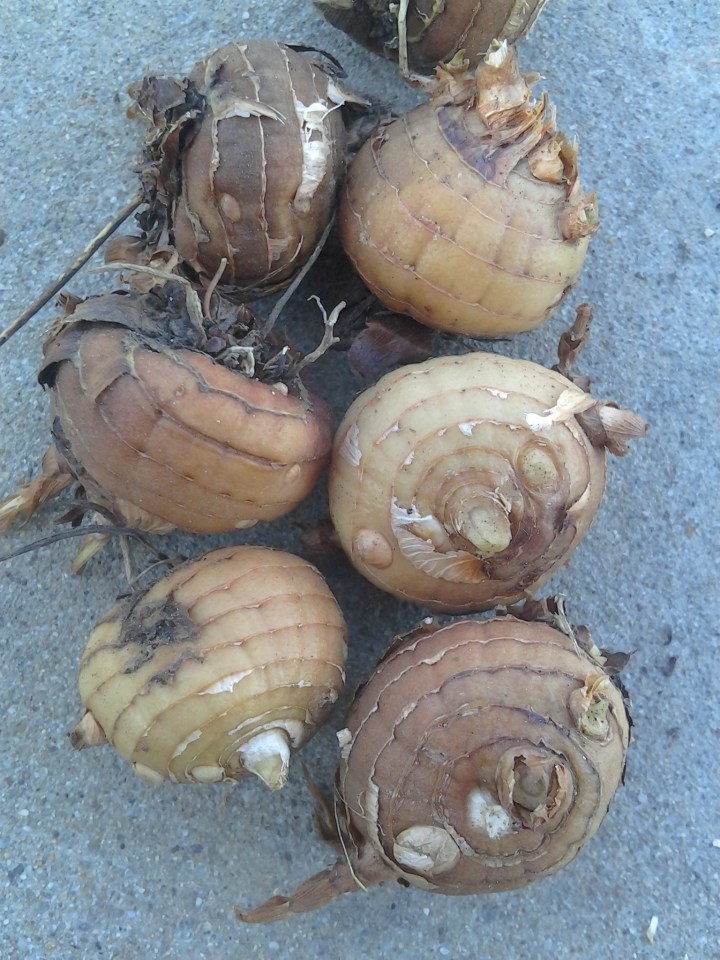
 Like a timely sequel, bulbs are back. Spring blooming bulbs were available in nurseries earlier, so that they could get planted and disperse their roots through winter, and get ready for their early bloom. Since then, Christmas trees came and went as they were replaced by bare root stock. Now that bare root stock is selling, summer blooming bulbs are arriving for late winter planting.
Summer bulbs are not on the same schedule as spring bulbs. Most of the earliest spring bulb bloom while their foliage is still developing. A few daffodil, grape hyacinth and crocus are already blooming prematurely. Summer bulbs start to grow a bit later and grow a bit slower, and then bloom only after their foliage has matured. Some may not bloom until late summer or early autumn.
There are a few similarities between spring and summer bulbs though. Both groups include plants that develop corms, rhizomes, tubers or tuberous roots instead of bulbs. All are known as ‘bubs’ for convenience. Although very different physiologically, they all function about the same way, by storing resources through dormancy so that they can regenerate within their particular season.
Another similarity is that after spring and summer bulbs bloom, and their spent flowers get pruned away, their foliage should remain until it withers. This foliage is what sustains the bulbs below while they replenish resources to survive through the next dormancy. (Actually, most bulbs replace themselves with new bulbs.) This foliage will want water and fertilizer like any other perennial.
Unfortunately, even with regular watering and fertilizing, the most popular spring and summer bulbs are not really as reliably perennial as they are purported to be. Except for the few types that thrive and naturalize like daffodils (spring) and crocosmia (summer), most bloom very impressively only in their first year, and then bloom meagerly in their second year, if they bloom again at all.
Crocosmia, dahlia, hardy orchid (Bletilla), canna and classic big white calla are the most reliable summer bulbs. Smaller colorful callas are not as easy, but are worth trying. Gladiolus, tuberous begonia and the various lilies are so spectacular that no one minds if they bloom only for one summer. Astilbe, liatris and various alliums work nicely behind where summer annuals will go later.

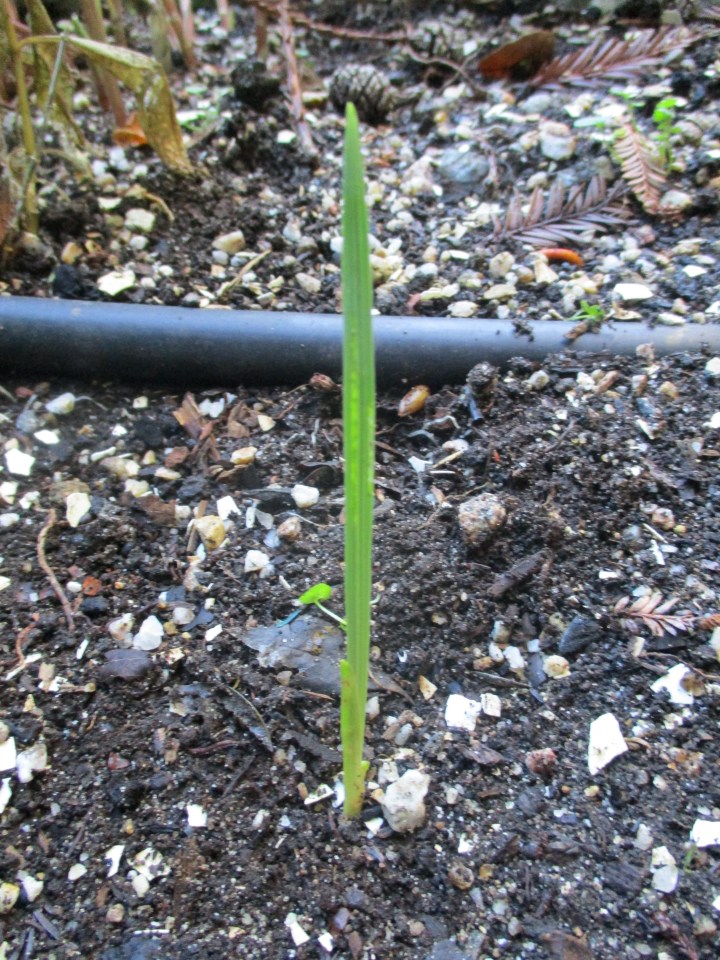
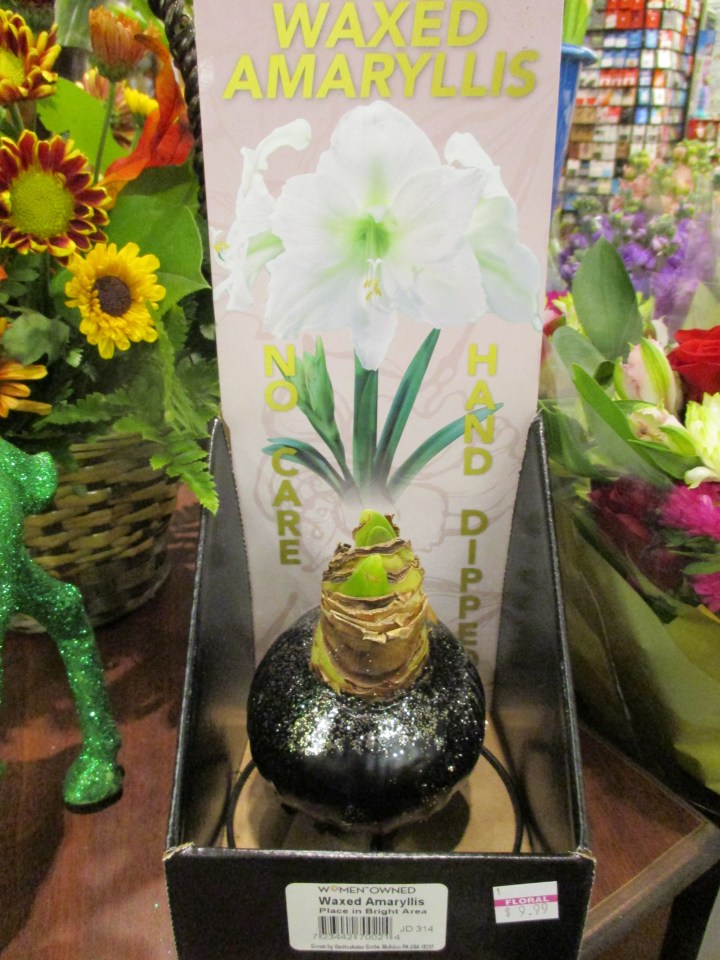 Two others have already written about this far more proficiently than I would have:


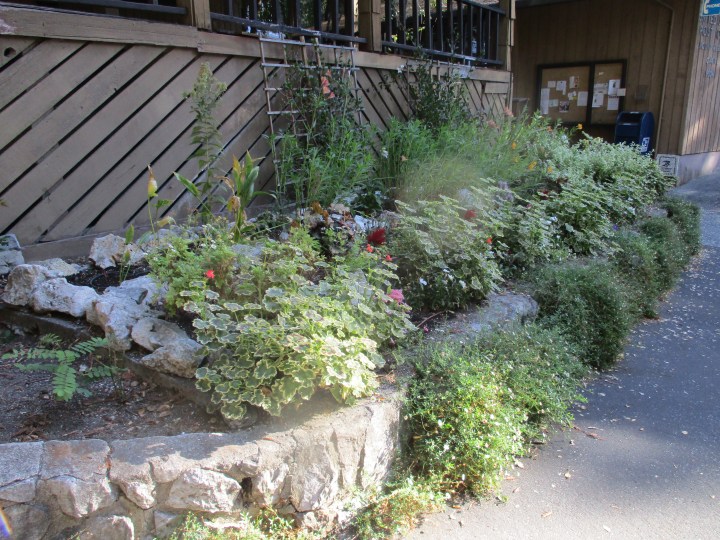

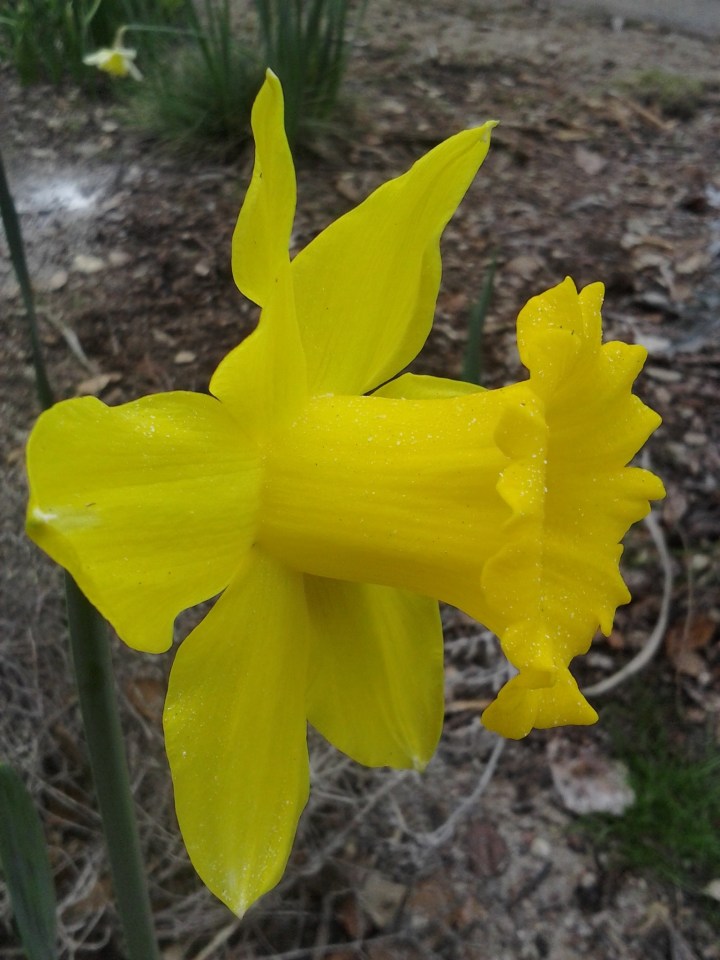 They are certainly not much to look at now. They are even less interesting once buried out of sight in the garden. The big and colorful pictures on the boxes that they arrive in are probably a bit more spectacular than the flowers expected early next spring will actually be. Nonetheless, it will be amazing to see such flashy bloom emerge from seemingly lifeless bulbs that get planted now.
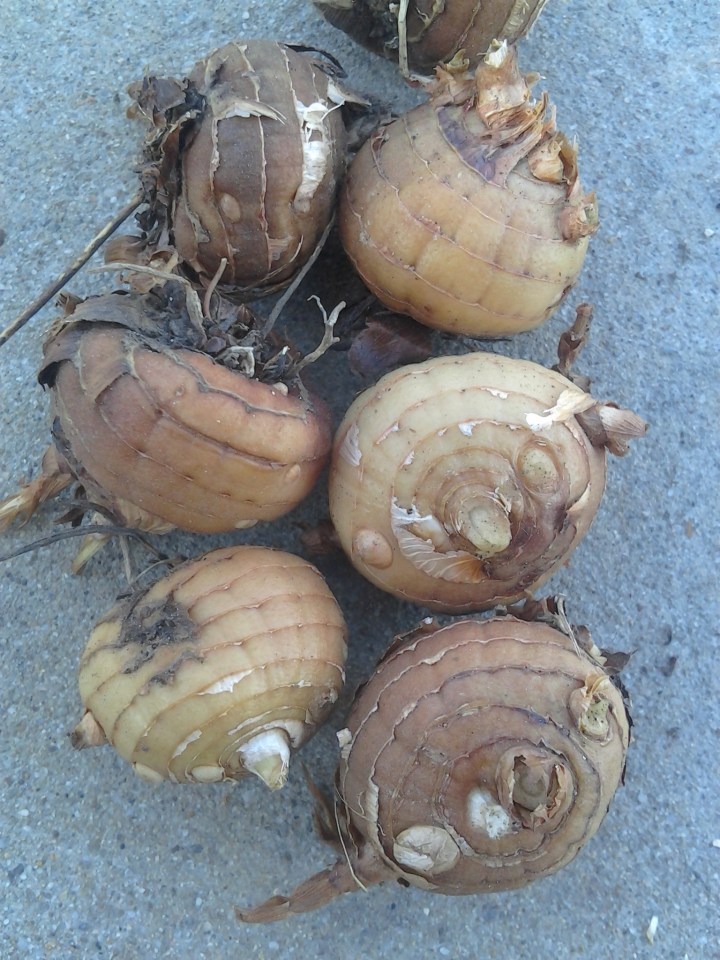 After working so hard to bloom so impressively in spring or summer, bulbs redirect their efforts into saving up their energy for winter dormancy. That is why their fading foliage lingers after faded flowers get pruned away. The foliage eventually dries and deteriorates, leaving plumped dormant bulbs to overwinter underground. It is all their natural life cycle.
 Daffodils, freesias, lilies, snowdrops and the various early spring blooming bulbs and bulb like perennials will be finishing soon if they have not finished already, leaving us with the annual question of what to do with the foliage after bloom. The plants will not bloom again until next year, and the remaining foliage might be unappealing without bloom. Much of it slowly deteriorates into summer.
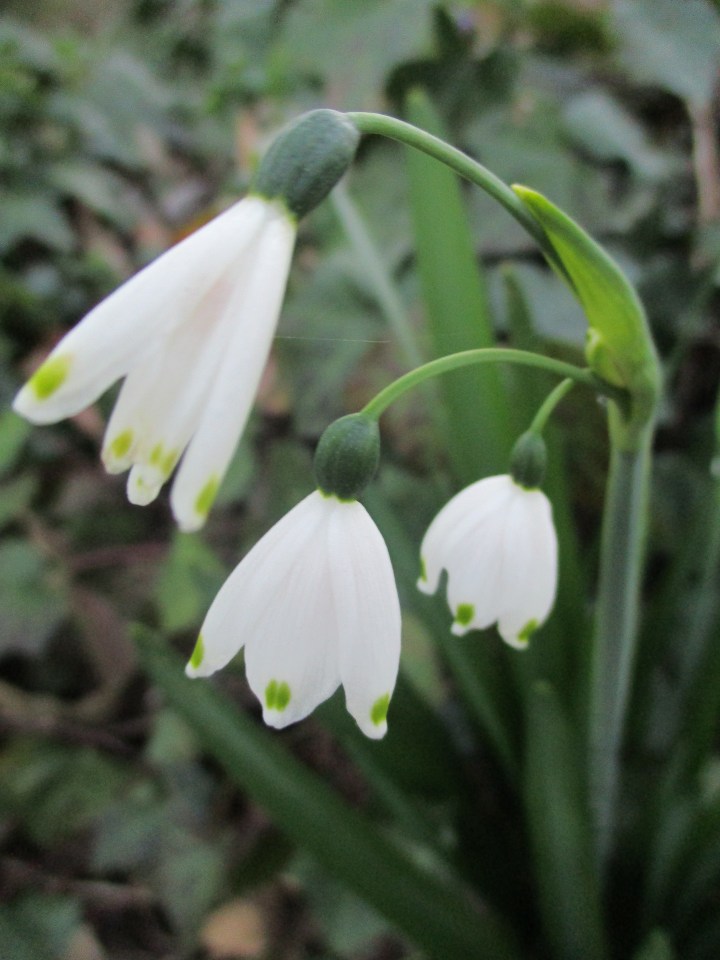 Where winters are more wintry, garden enthusiasts get to brag about their snowdrops as they emerge and bloom through melting snow. Diminutive white flowers against a backdrop of white snow may not look like much to us. We have more colorful flowers through winter, without the snow. Their kind of snowdrops, Galanthus specie, need more winter chill than they would get here anyway.


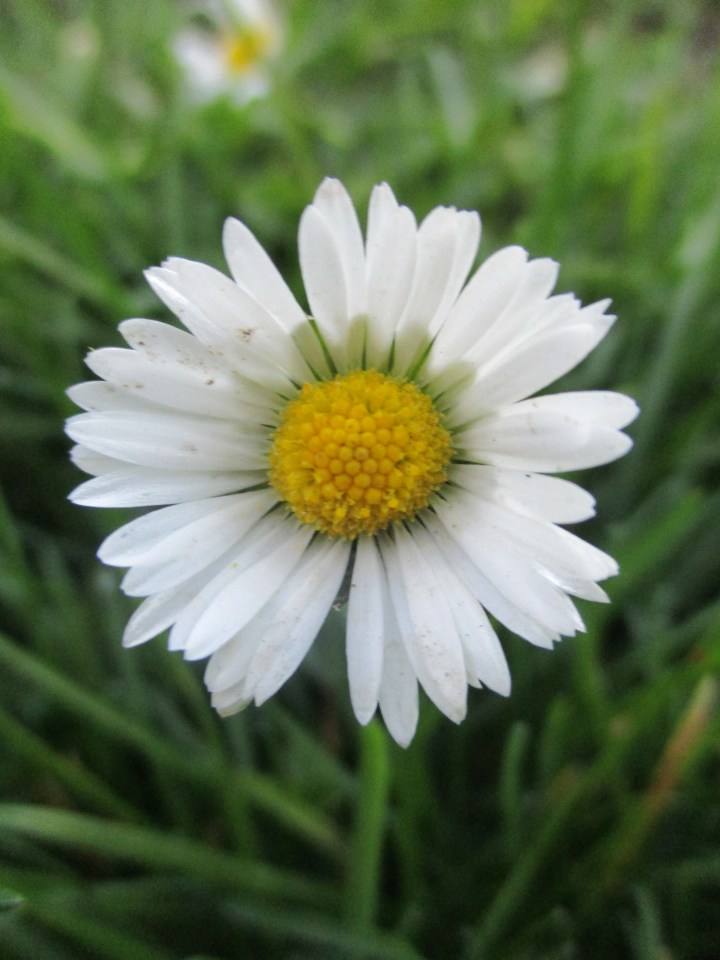

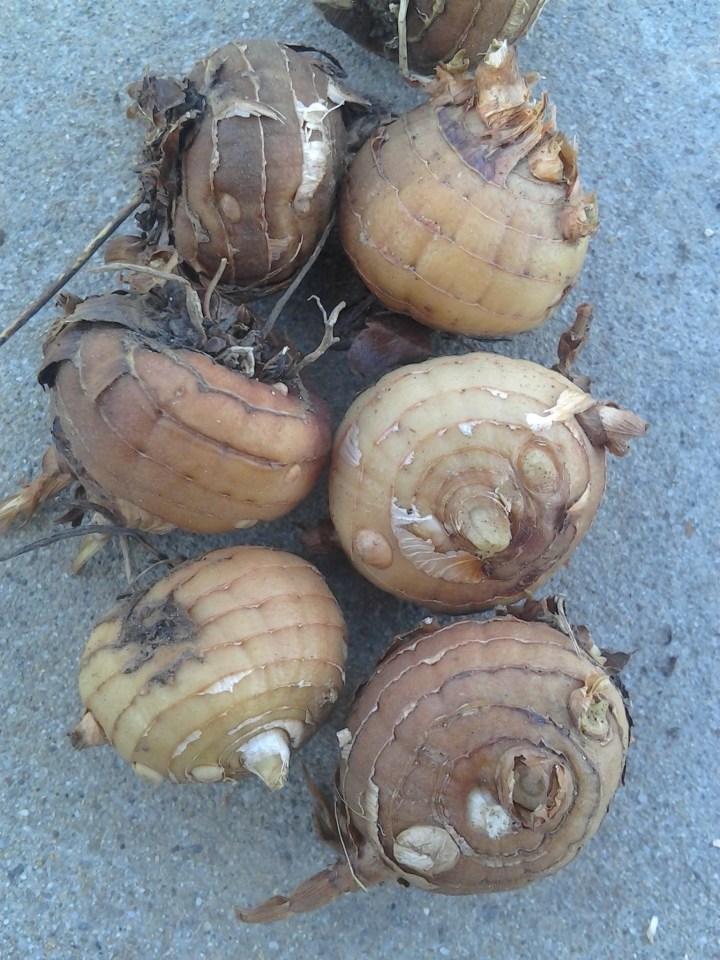 It might seem creepy to think about what spring bulbs are doing right now out in the garden. Like victims of a horror movie, they were buried in shallow graves last autumn. They were not dead though. They were undead but merely dormant. While no one can see what they are up to, they disperse roots and begin to push new foliage up to the surface of the soil. Some might bloom soon.
