Feline Ecology

No one can build a better mousetrap.

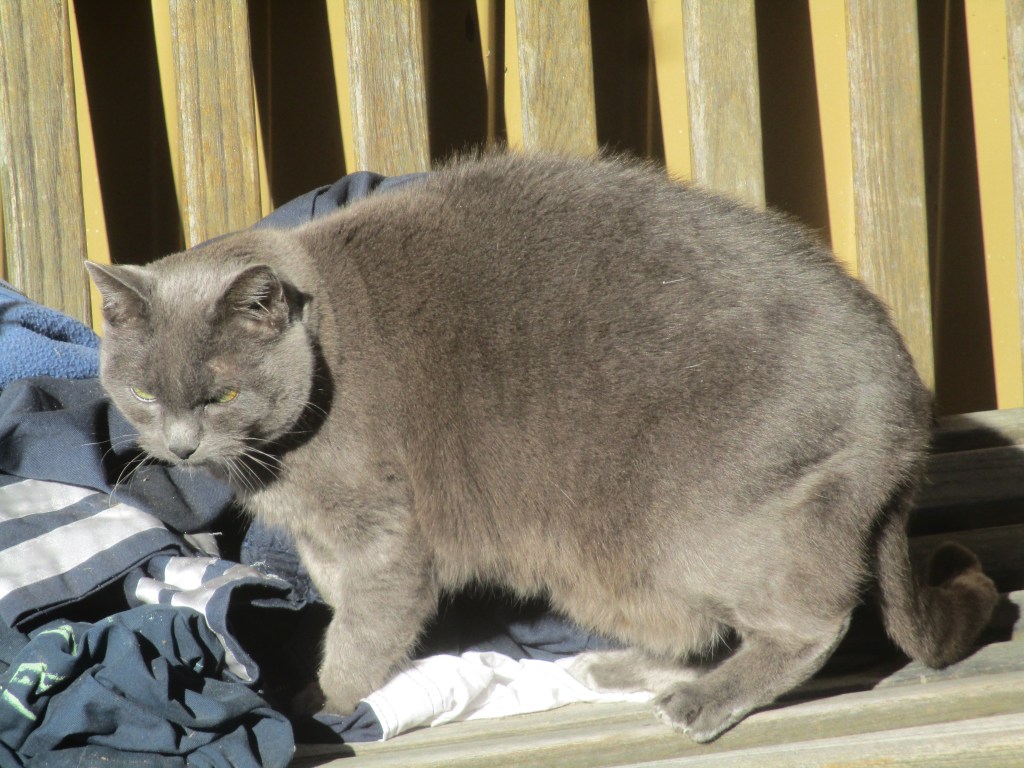
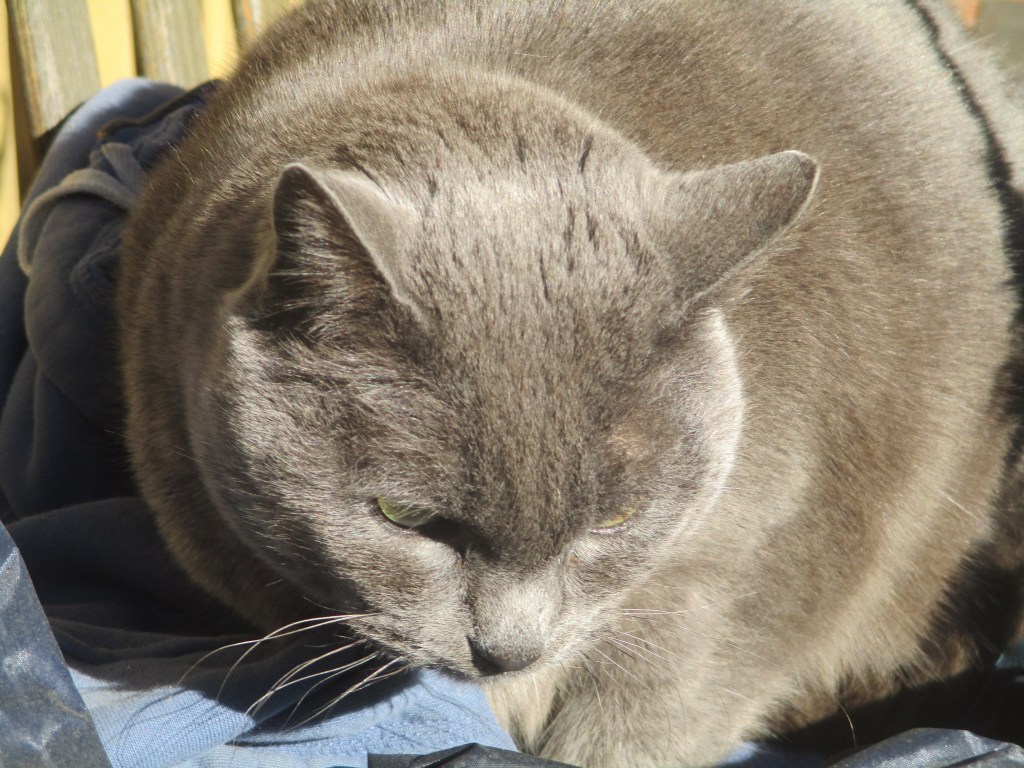
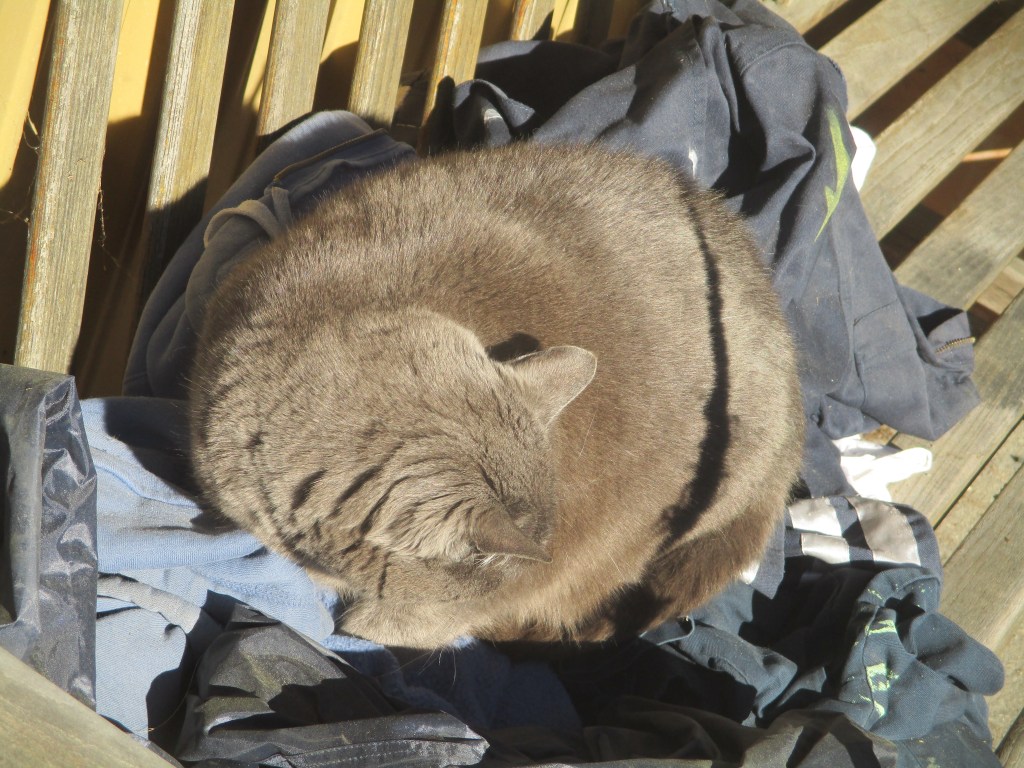
Darla is a feral kitty who used to live here. I believe that she is why no rodents lived here. I never actually saw her do anything to dissuade rodent infestation. Actually, I rarely saw her do anything. She was quite reclusive and disliked almost everyone except Rhody.

Unfortunately, someone else here insisted that fleas were a problem because of Darla. He also insisted that Darla came inside to share her fleas with the carpet and furniture. No one else, including Rhody, ever noticed a flea. Darla never came inside.

While the weather was getting nastier than it had since 1982 last winter, Darla went to live at a home in Santa Clara. After her initial disapproval, she efficiently adapted, and learned to appreciate it. Apparently, she is now happy with her more domestic lifestyle. She is quite elderly, so really deserves safer and more comfortable accommodations.

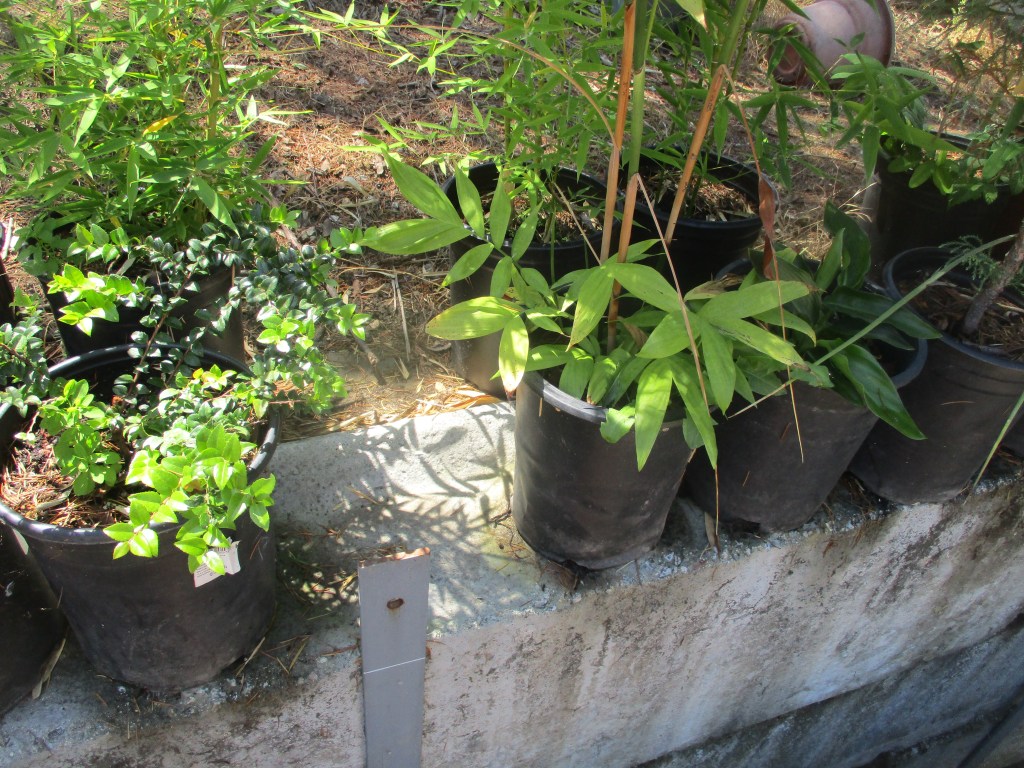
Rodents are everywhere now! Rats and mice come inside for any scraps of food that the crew leaves out. Ground squirrels have burrowed into much of the exposed soil downstairs. They as well as the rabbits and perhaps tree squirrels eat some of the plant material that is stored in the yard until it goes into the landscapes. The ground squirrels are already digging after the soft buds of the pups my giant bird of Paradise that were heeled in only yesterday! I need to put blood or bone meal out there in an attempt to repel them. I had not considered how horticulturally beneficial a kitty could be.

Of course, with so many rodents here, the fleas have also become a major annoyance, particularly for Rhody!

Now, others at work want me to hire another feral kitty. I do not know how to take care of a kitty, especially a feral kitty!

While the cat is away, the mice and all the other rodents will play.

Cats Gone Wild!

The best cats are domestic.

Rats, mice, squirrels, racoons, opossums, skunks, deer, pigeons and more; it just never ends! There are so many other life forms who often enjoy our gardens more than we do. While visiting my colleague in Los Angeles, his garden became overrun by a swarm of bees! Fortunately, they did no damage and left the same day.

The worst problem in his garden is cats. His neighbor hoards ‘unaltered’ feral cats that have proliferated into a substantial herd. Instead of exterminating rodents from the neighborhood, the overfed cats ignore the droves of rats that are drawn to the cat food left out on the porches. The rats attract opossums. Fleas are everywhere!

All this wildlife brings all sorts of other problems. The well kept domestic cats that live inside the home of my colleague are frequently afflicted with illness transmitted by the sickly feral cats. Flat roofs and basement crawl spaces of several adjacent homes have become litterboxes. The overpowering aroma is horrendous.

Fortunately, such proliferation of cats is rare. Most of us do not mind when a neighborhood cat, or even a few cats, visit the garden. However, when cats become a problem, they are nearly as difficult to remedy as vermin.

Although most municipalities have limited the number of domestic cats that can reside at individual residences, feral cats come and go freely, so are considered to be wild animals who are exempt from such limits. Besides, no one wants to enforce such ordinances with their neighbors, even if the problematic cats happen to be domestic house cats. All we can do is try to limit the problems in our own gardens and homes.

Flat roofs sometimes get used as litterboxes because they commonly have gravel on them and tend to accumulate a bit of other debris. If this is a problem, and if possible, access to flat roofs should be obstructed. Tree limbs and vines should be pruned back.

Basements and crawl spaces are easier to obstruct access to by simply repairing vent screens and exterior basement access. Cats like to use crawlspaces as litterboxes because the soil is always dry and dusty. Around the garden, dry spots are less attractive to cats if sometimes watered, even if there are no plants present. Adding spreading plants is even  better. In a small dusty area behind the garage, I spread out a bit of firewood over the soil. By the time the firewood gets used, it will be raining and too muddy for cats.

Six on Saturday: Cat Burglar

Is a cat burglar a kitty who steals things, or someone who steals from kitties? There are a few kitties here, and, apparently, a burglar. I determined that two of the kitties are appropriate for Six on Saturday because they have horticultural names. The burglar is less appropriate, and is gone anyway. I am quite annoyed that someone came here, likely during the day, and stole from us. A small hesper palm that I grew from a seedling, two specimens of golden bamboo, and a larger Mexican fan palm got taken.

1. Cat – Black Jack, like the oak, Quercus marilandica, has a good horticultural or arboricultural name. He is a solid black Maine coon cat, and is no more cooperative for a picture than Rhody.

2. Burglar – Hesper palm, Brahea armata, lived here, in the blank spot on top of the wall. Golden bamboo, Phyllostachys aurea, lived right behind it and in the blank spot four cans to the right.

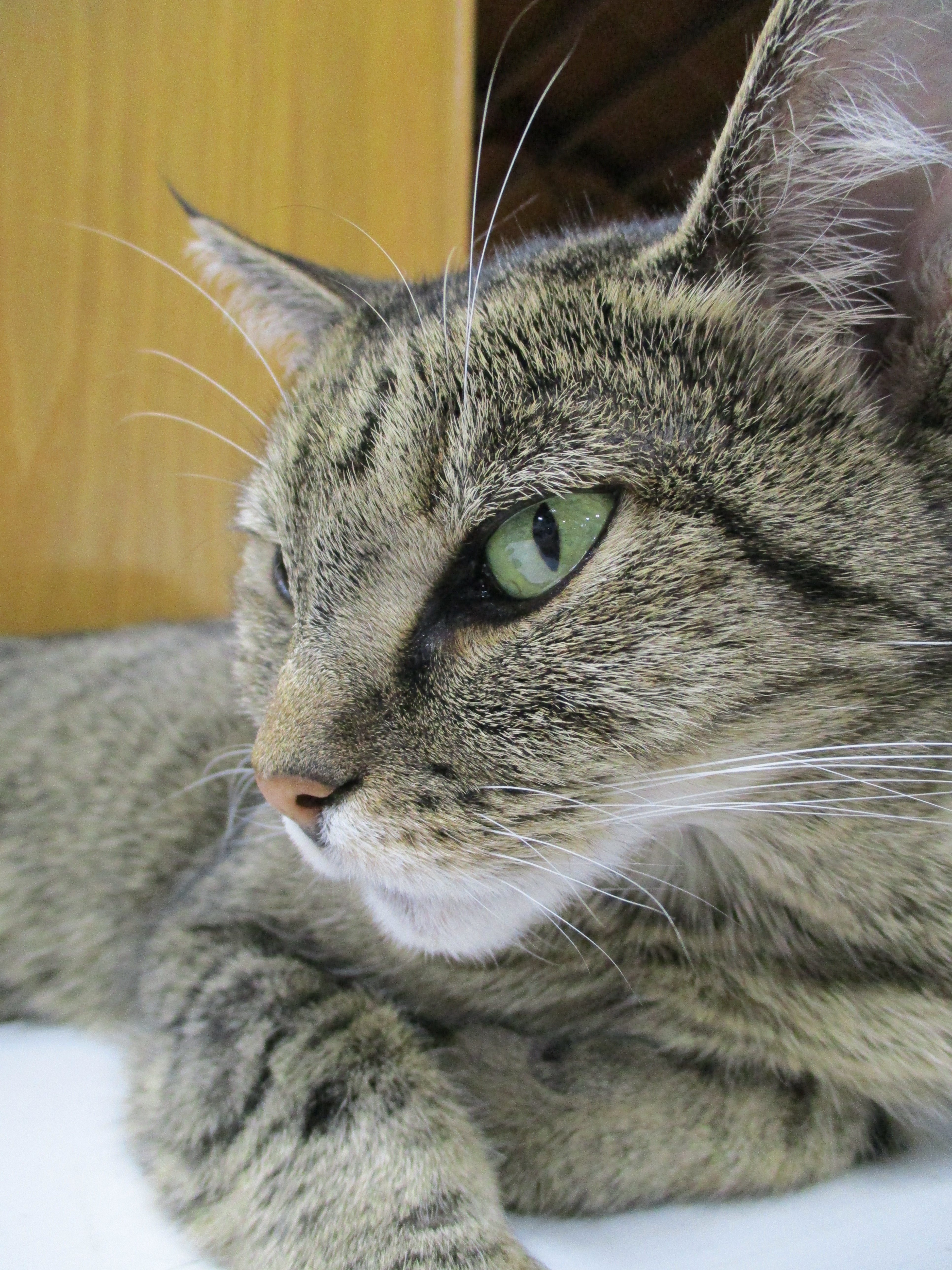
3. Cat – Pepper, like a species of Caspicum, has a good horticultural name too. She looks something like a penguin with a bit of brown, but is no more cooperative for a picture than Black Jack.

4. Burglar – I know I brought back more shoots of this unidentified species of Aloe from my downtown planter box. At least these four remain. They will get groomed and return to the planter.

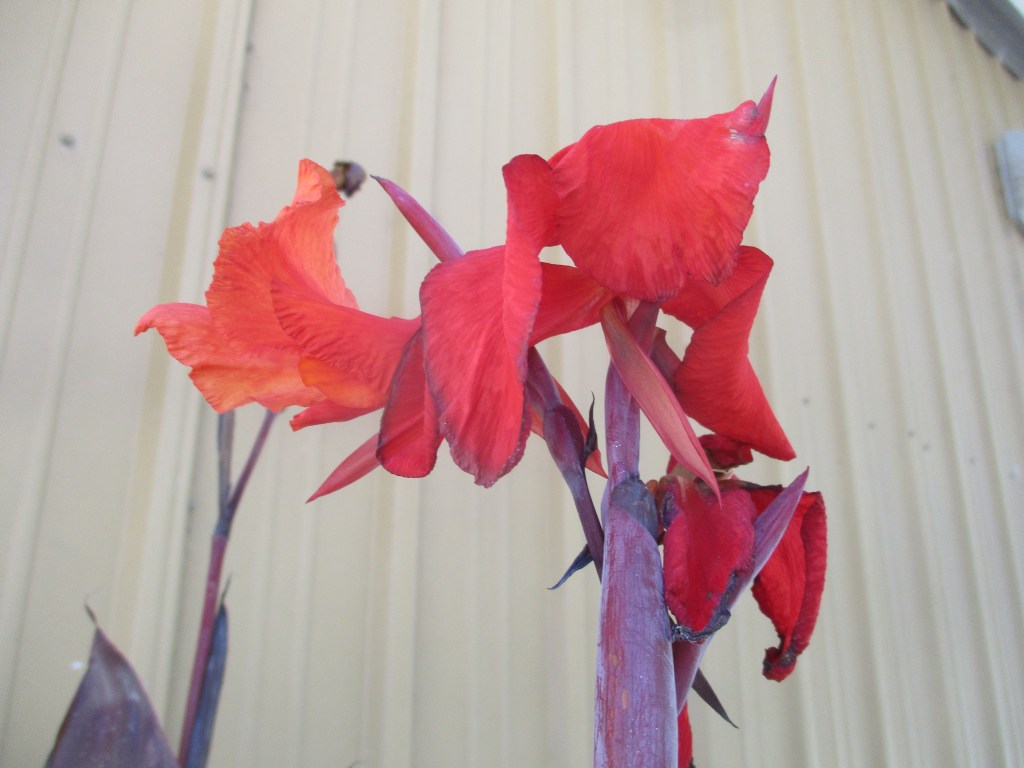
5. Canna – This also came from the downtown planter box. It needed to be removed to facilitate the repair of a few broken tiles. It will eventually return with the Aloe. This bloom is a surprise.

6. Vine maple – Acer circinatum is still healthy and reasonably happy after getting yanked from its landscape by a backhoe during the warmth of summer. I did not expect it to survive so well.

This is the link for Six on Saturday, for anyone else who would like to participate:

Cats Do What Cats Want

60706thumbAnyone who has ever owned a cat knows that no one owns a cat. They do whatever they want to do, whenever and however they want to do it. They take orders from no one. If they decide to use a dry spot in the garden as their litterbox, or a tree trunk as their scratching post, it is impossible to dissuade them. They are so smug and arrogant. It is no wonder that so many dogs dislike them.

Cats live in our homes and gardens because we are not as sensible as so many dogs are. We succumb to their charm and devious mind control techniques because they really can be adorable when they want to be. Fortunately, most of us would agree that this sort of symbiosis is mutually beneficial. An occasional delivery of a dead rodent proves that some cats actually work for a living.

As pompous as cats are, they are surprisingly tactful about their poop. Cats that are confined to a home leave it in their litterboxes, and even bury it with kitty litter that absorbs the objectionable aroma. From there, it can be collected and disposed of by human servants. In the garden, cats seem to put considerable effort in burying it out of the way, where it is less likely to offend anyone.

However, what is out of the way to a cat might not be so conveniently situated for others. The most refined and regularly watered gardens might not leave many options for cats, who prefer dusty and dry spots. There is not much to deter cats; so the best option may be to plant and occasionally water something in problematic spots, in conjunction with providing a litterbox somewhere else.

Sneaky cats sometimes use flat or parapet roofs where there is plenty of dry gravel and perhaps other dry detritus. For most single story roofs, it is nearly impossible to obstruct access; but in rare situations, it might be as simple as pruning trees and shrubbery back farther than cats will jump. Obstruction of access to the dusty dry soil of basements and crawlspaces is easier since it usually involves relatively simple repair of vent screens, access hatches or windows.

Dogs


It is now September 2, the day after both the feastday of Saint Fiacre, patron saint of gardeners, and the first anniversary of this blog. It is also the anniversary of the only day in the last year that I did not post anything. Yes, the second day of the blog was the only day without a post. Early in those first few days, I posted the only article that was irrelevant to horticulture, and an explanation that I would not make a habit of doing so. I wanted to try it just once to see if I could do it like so many others do. It was overrated. Nonetheless, after almost a year since that naughty diversion from my self imposed discriminating standards, I want to try it again. After all, I have not yet posted a horticulturally oriented article on September 2 within the context of this blog, so why start now.
PRIVET
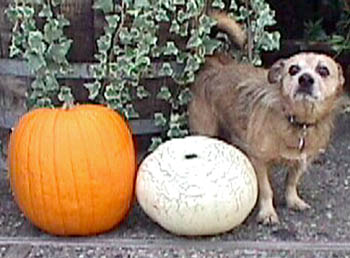
This is Privet. He passed away on December 1, 2004, after about eleven years of devout service since about 1993 or so.
Privet was a feral dog who lived in Thomspson Creek behind a retail nursery in the Evergreen District of San Jose where I worked temporarily in the early 1990s. Late every afternoon, he commuted down Thompson Creek to a neighborhood pet store where food was left out for him. Aster and Yarrow, two angry guard dogs who lived in the nursery, would thrash about on the inside of the enclosing cyclone fence as they tried to get to him, but only damaged the merchandise inside the fence. I would cuss at him and threaten him through the fence. He would just stare at me blankly, and keep a safe distance.
One day, Privet was noticeably absent. He was likewise absent the following day. In fact, I did not see him again until several weeks later when we went to the Humane Society of Santa Clara County to adopt a cat to help with the mice in the office. We happened to go through the wrong door to where the adoptable dogs were. There he was! As usual, I cussed at him and said all sorts of mean things to him . . . .until I noticed that his time was up. I asked someone who worked there what that ominous date on his placard meant, only to be told something too unpleasant to repeat here. They were understaffed, so had not gotten around to it yet. Well, the next thing I knew I had payed the adoption fees, and Privet was sitting defiantly next to me in the Buick as we drove away real fast. We never spoke of it again.
WILLOW
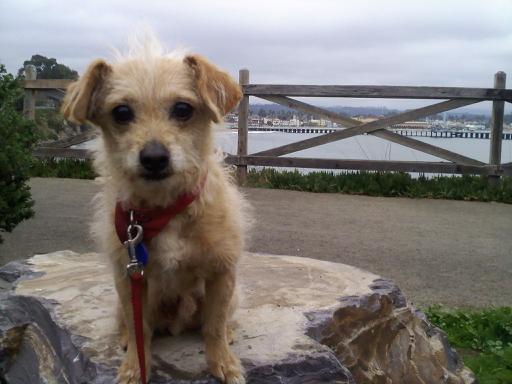
My niece named this cool dude Willow, but we just called him Bill because I was told that Willow is a girly name. He was not planned either. In about 2008, I saw his picture on the website of the Peninsula Humane Society in Burlingame. Without thinking, I drove up and adopted him on the spot. On the way, I telephone a friend who I though would try to talk me out of it. He did not. Those working at the Humane Society asked if I would like to interview other dogs. I told them who I was there for. Bill was a several years old when we met. He became blind and deaf in old age, but was still happy until he passed away on December 4, 2016.

P71014
Rhody arrived only a few months later, early in 2017 and in the traditional unplanned manner. I can not imagine why he was available for adoption for several months in Santa Cruz. It was not my idea for him to come live with me. It was his. I could not talk him out of it. He seems to be remarkably happy with his simple lifestyle, although I can not imagine why. I wish I could provide better for him. Like Privet and Bill, he has more friends than he can keep up with. Privet was a Pontiac man. Bill was an Oldsmobile man. So far, Rhody seems to be a simple Chevrolet man.
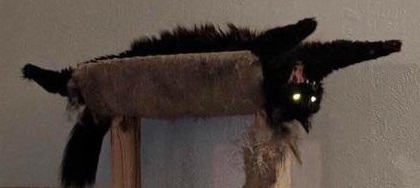
BLACKJACK
Blackjack does not live with me. He is not a dog either. He is a big kitty who has enslaved one of my colleagues, although my colleague does not seem to be aware of it. Cats are of course masters of mind control techniques. Blackjack did not get his name from the blackjack oak. It is just a cool name that suits him well. He is not really as demonic as he seems to be in this picture. Nor is he trying to fly upside down. He just happened to yawn while laying on his back and stretching.
Of course, only the names are horticultural. None of these guys cares about gardening. I sort of feel guilty about not writing about a horticultural topic today, but perhaps I will get over it.