
Citrus seem like such summery fruits. Chilled lemonade and lemon meringue pie are best during warm weather. There are certainly plenty of lemons that ripen randomly throughout the year, and plenty that last for months on their trees. Most limes, some grapefruits and ‘Valencia’ oranges will be around in summer too. Otherwise, most citrus are at their best right about now, through winter.
Mandarin oranges are traditional ingredients of well stuffed Christmas stockings. Where winters are cold and snowy, far from where they grow, they seem contrary to their natural ripening season.
Of all the citrus, they are the most perishable, so are best as they ripen. Their loosely fitting skins, that are so easy to peel, allow them to oxidize and dehydrate more readily than other citrus fruits.
Tangerines are just Mandarin oranges that were developed in North or South America. ‘Rangpur’ limes are actually sour Mandarin oranges that are somewhat less perishable because their skins happen to fit more firmly. Calamondins, which are odd but likely natural hybrids of Mandarin oranges and kumquats, are diminutive tangy fruits that do not last much longer than Mandarin oranges.
‘Bearss’ limes are preferably harvested right as they grow to mature size, but just before they ripen completely. Their flavor mellows as they ripen and yellow. Fortunately, they develop sporadically through an extensive season, so can be available any time fresh limes are desired. Grapefruits can be left intentionally to mellow on their trees after ripening, although this tactic can inhibit bloom.
Otherwise, many citrus fruits can last for more than three months on their trees without consequence. Some improve with mellowing. ‘Meyer’ lemons, which are a hybrid of an orange and a lemon, ripen like richly flavored lemons, and then mellow like very tart oranges. Since citrus fruits stop ripening when harvested, it is advisable to taste one before harvesting too many that are not ready.
Some ripened Mandarin oranges may have slight green blotches. ‘Valencia’ oranges may be slightly yellowish.
 Ready or not, it will be autumn in just a few days. Formal hedges can be shorn one last time if they need it. They will not grow much until spring. Actually, photinia and the various pittosporums should not be shorn much later than now if they exhibit any dieback. Some of the diseases that cause dieback are more likely to infest freshly cut stems during rainy weather. Citrus and plants that can be sensitive to frost should not be pruned later, since pruning can stimulate new growth that will be more sensitive.
 A five pound kumquat is a problem! It means something went seriously wrong. Anyone who grew one would concur. They are huge, lumpy, and very insipid, with ridiculously thick pale yellow rind around a small handful of uselessly fibrous pulp. They are protected by dangerously sharp and rigid thorns that can get longer than three inches. Even their irregularly wavy foliage is unappealing.
 It may not be the mother of all lemons, but Lisbon lemon, Citrus limon ‘Lisbon’, is the original cultivar from which ‘Eureka’ lemon was derived; and ‘Variegated Pink’ lemon was later derived from ‘Eureka’ lemon. ‘Variegated Pink’ is still uncommon, and the pink juice is unusual, but because its variegated foliage is less efficient than greener foliage, it is more manageable in small spaces.
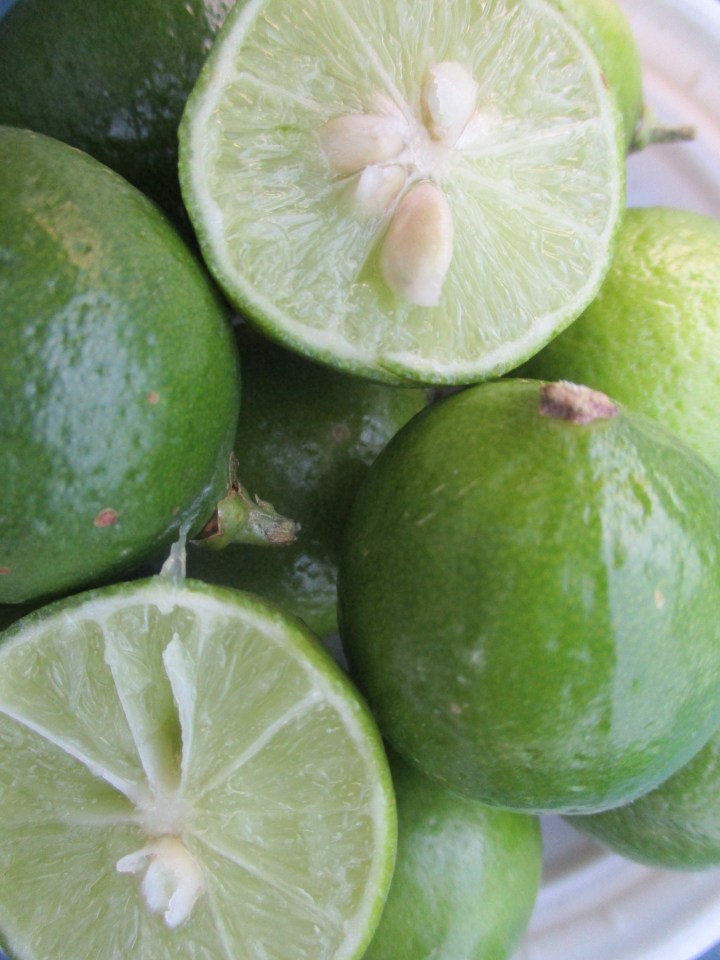 Is it possible to grow citrus from seed? The quick and simple answer to that question is, “Yes.” After all, many cultivars of citrus were originally bred from other cultivars, and then grown from seed. But of course, this an overly simplified answer to an unrealistically simple question about a surprisingly complicated process. Perhaps a better question is “Should citrus be grown from seed?”.
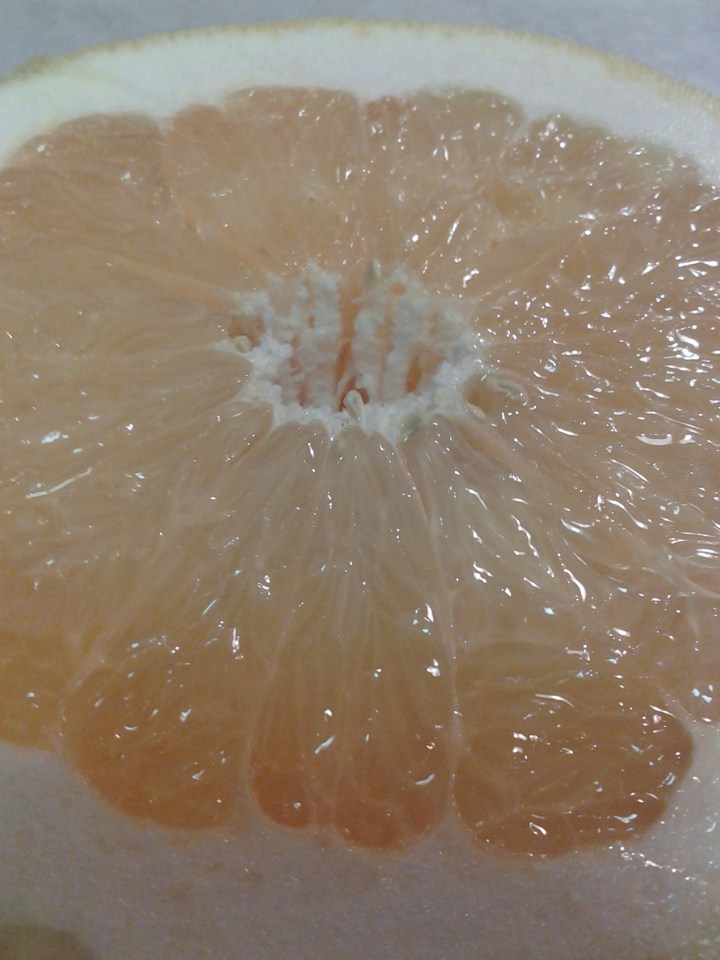 There really is such a thing as too much grapefruit. I know; I have witnessed it more than once.
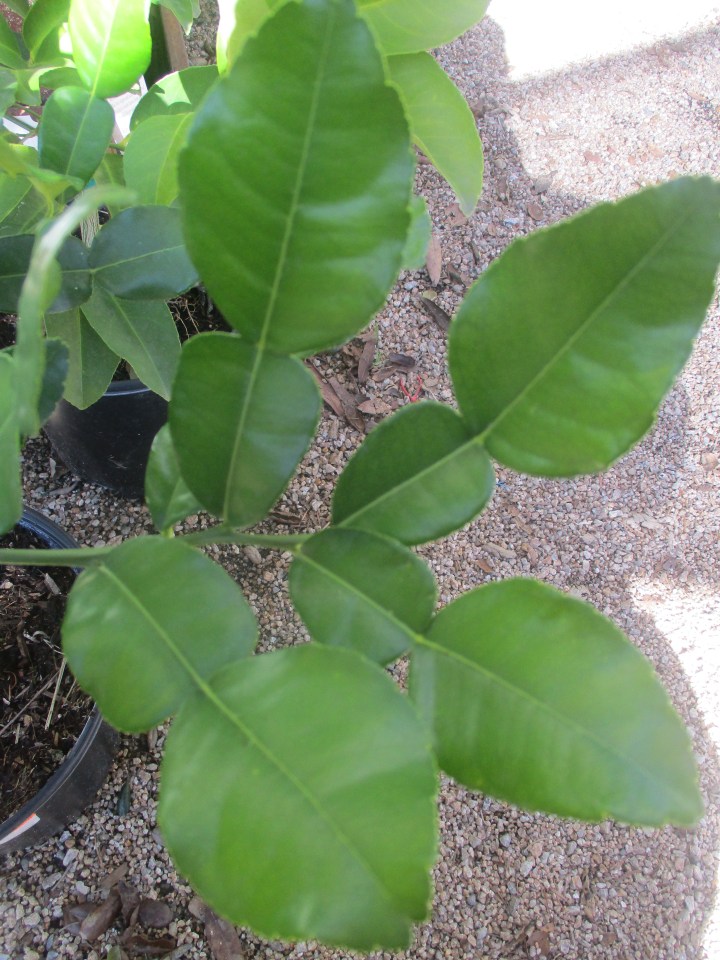 Of all the weird citruses available, this is one of the strangest. Makrut lime, Citrus hystrix, is not grown for its ugly wrinkled fruit. The rind and the juice are only rarely used for culinary or medicinal purposes. The important part of makrut lime is the aromatic foliage, particularly the modified petiole ‘wings’ that look like leaves. Fresh or dried, they are popular in the cuisine of Southeast Asia.
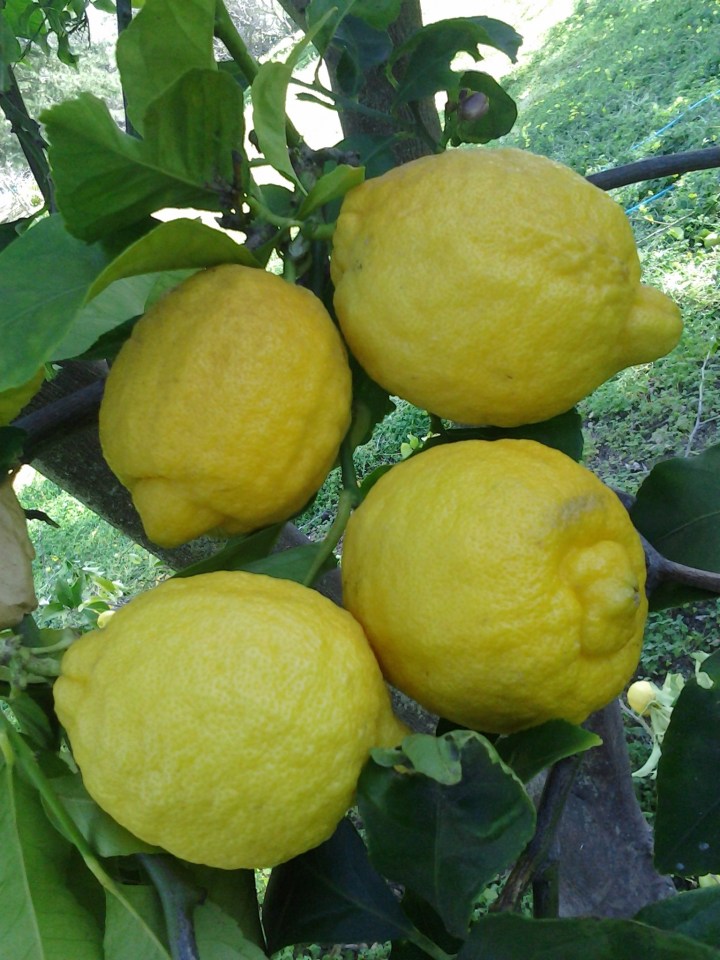 When life gives you lemons, it is likely this time of year. Although, the most popular garden varieties of lemon, like ‘Meyer’ and ‘Eureka’, continue to produce at least a few more fruits sporadically through the year. ‘Lisbon’ lemon that is still used in orchard production, and is the ancestor of the household ‘Eureka’ lemon, produces almost all of its fruit in winter, and blooms shortly afterward.
 Tony Tomeo