The weather agrees with the calendar this year. It is time to start replacing remaining cool season vegetable plants with fresh warm season vegetable plants. In fact, according to how the weather has been through February, the process could have begun quite some time ago. Frost, which is the limiting factor for warm season vegetables, is very unlikely this late, even if wintry rain resumes.
The past month of springy weather makes it easier to replace aging cool season vegetable plants with those that are now in season. Cool season vegetable plants obviously perform best through the cool weather of autumn and winter. They perform into spring where winters are cooler. Unseasonable warmth here accelerated their maturation. They deteriorate if not harvested soon enough.
Most of the the cool season vegetable plants produce vegetables that truly are vegetative. Most individual plants produce only once. For example, one cabbage plant produces only one cabbage. Conversely, most warm season vegetable plants actually produce fruit. Some produce many fruits through their season. Even some warm season vegetative leafy greens can produce repeatedly.
Tomato, pepper, eggplant pole beans and the various summer squash can get planted early to produce until they succumb to frost at the end of the season. Cucumber and pea do not produce for such an extensive season, so might be grown only in spring or the end of summer. Corn and root vegetables produce only once, so their seed get sown in multiple phases to prolong their season.
Corn, root vegetables and most greens grow best from seed sown directly into a garden. There is no need to start them inside here. Confinement can disfigure root vegetables anyway. Because so many individual plants are grown, it is impractical to purchase seedlings.
However, purchasing a few seedlings of tomato, pepper, zucchini and most other warm season vegetable plants is not as impractical. If only a few are desired, they are not much more expensive than seed. They are conducive to transplant, and will continue to produce through the season.
 Zucchini is probably the most reliable of warm season vegetable through summer, even when tomatoes are having a bad year. A single zucchini plant produces enough for a household. Two plants produce enough to share with neighbors. Pattypan, crookneck and other varieties of summer squash may not be quite as reliably productive individually, but can be assembled as a delightfully variable team that produces early in summer, and is just now finishing.
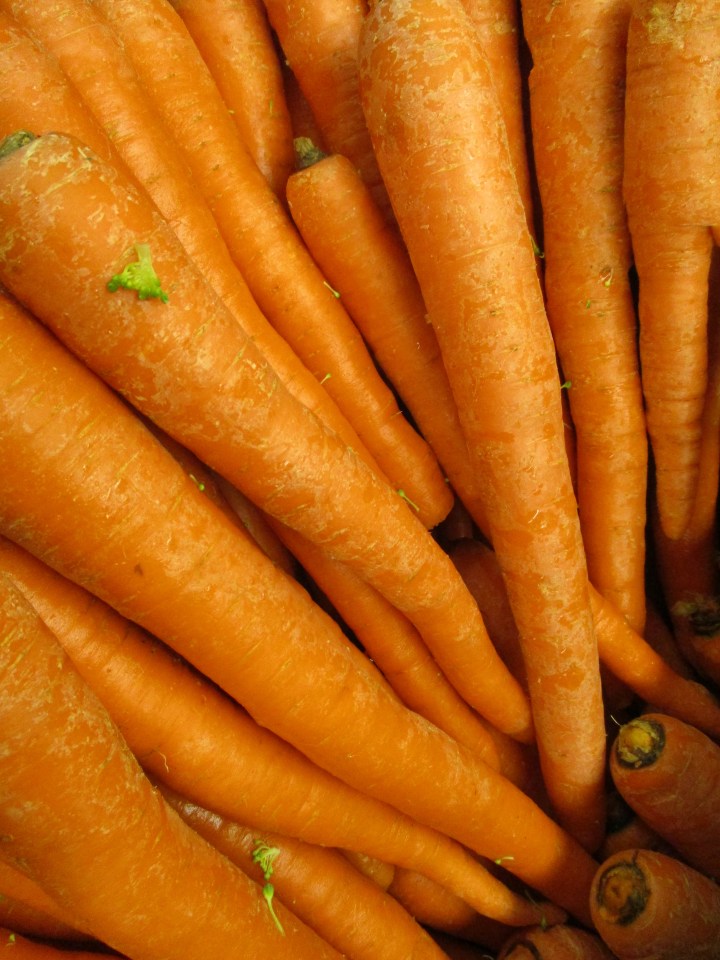 Bugs Bunny was an expert. He was always chewing on a carrot, Daucus carota, and rudely talking with his mouth full. Because carrots can be stored in refrigeration for a few months, Bugs Bunny could get one whenever he wanted to. However, in home gardens, they are cool season vegetables that are grown through spring and autumn, but not through summer or the middle part of winter.
 The difficult part will be removing the aging warm season vegetable plants while they are still trying to produce. That is one of the disadvantages of gardening in such an excellently mild climate. It would be easier if frost or cooling weather caused them to start deteriorating by now. Perhaps some are already getting tired. Regardless, their space is needed for new cool season vegetables.
 What happened with the tomatoes?! In past years, they were inhibited by mild summer weather. This year, they had plenty of warmth, but did not seem to perform much better. Perhaps they wanted more humidity. Now that those that started slowly are starting to produce better, they do not have much time left before warm summer weather gets cooler towards autumn.
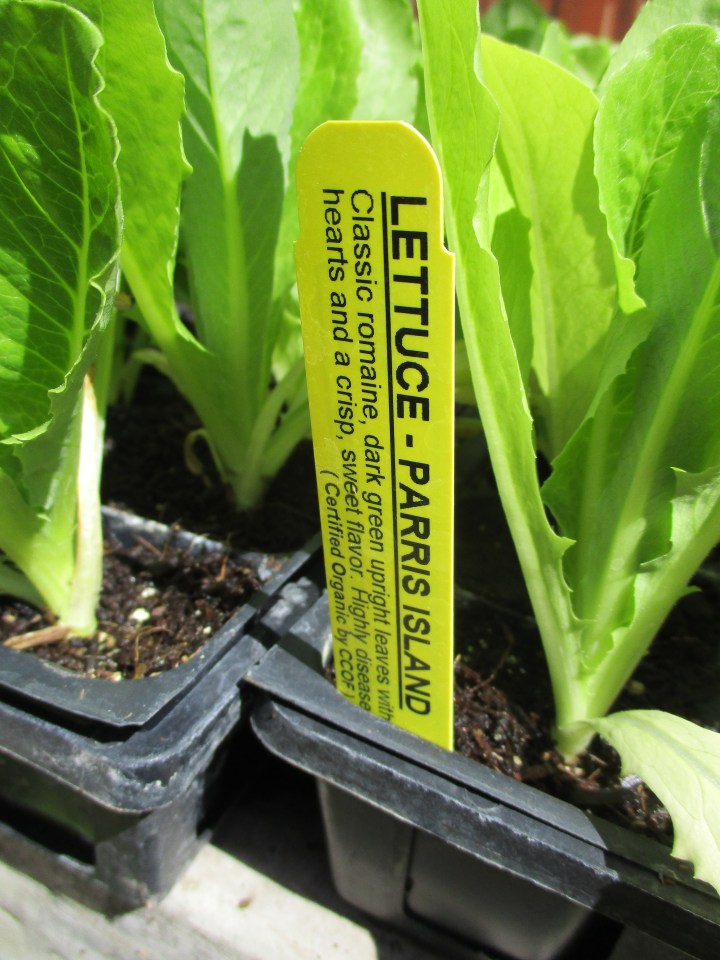 Right smack in the middle of the warm part of summer, it is already time to be getting ready for autumn gardening. This involves more than just ordering our autumn planted spring bulbs while the selection is still optimal. Most of us purchase bulbs from what is available in nurseries when they are in season anyway. Seed that gets sown in the next few weeks is a more immediate concern.
 This is why I do not bother growing greens in the garden just yet. Wild radish grows here wild; and there is way too much of it. Most but not all of it gets mown in meadows or cut down with weed whackers on the edges of roadways. There is no need to cut down that which is out of the way. Besides, we could not cut it all even if we wanted to. There is wild turnip and mustard too. All are prolifically naturalized and invasive exotic species.
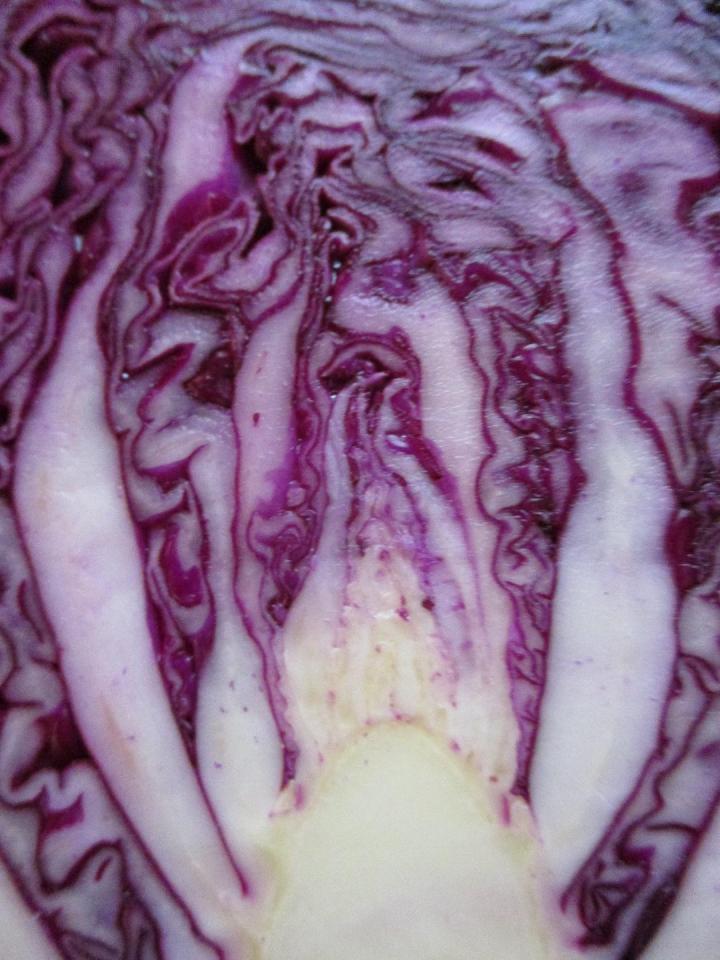 There are those of us who can grow cabbage well, and there are the majority of us who wish we could. Mild winters allow cabbage to be grown in autumn as well as in spring; but warm weather can also compromise flavor and promote premature bolting (blooming), which ruins the heads. Cabbage demands rich soil and regular watering. If the weather is evenly mild, they dig that too.
 Vegetables are annuals too, just like the flowering bedding plants that get replaced seasonally. Some are technically biennials, and a few might even have the potential to be short term perennials if they ever got the chance. Yet, for the purposes of home vegetable gardens, the warm season vegetables that produced through summer should now get replaced with cool season vegetables.
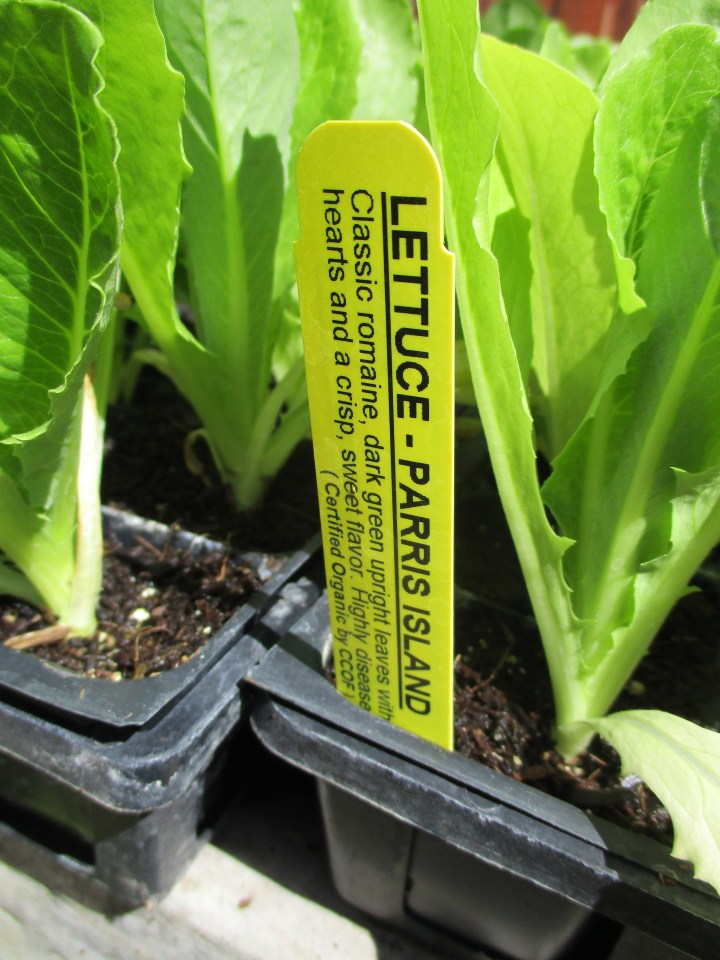 It is getting close to one of those two unpleasant times of year for the vegetable garden. It happened last spring, and it will happen again this autumn. Plants that so dutifully produced vegetables through the last season must relinquish their space for plants that will produce vegetables for the next season. In autumn, it will be cool season vegetables that replace warm season vegetables.
