 There is nothing like growing our own; whether vegetables, fruit or cut flowers. Most fruit and vegetables are grown to be eaten, so are not missed too much when harvested. Even colorful citrus fruit is better harvested than left out in the garden. No one wants to waste it. Flowers are not so simple. They are so colorful and fragrant in the garden, that it is tempting to leave them all out there.
Cosmos and many kinds of daisies are so abundant that there are plenty for both the home and garden. Gladiolus are not so fortunate. They bloom only once. Cutting the flowers to bring into the home deprives the garden of their color. What is worse is that cut gladiolus, although excellent cut flowers, do not last quite as long as they would in the garden. Roses at least continue to bloom.
Daylily can be a good cut flower, but individual flowers last only a day (obviously). This is not a problem in the garden because new flowers bloom daily to replace those that that have finished. Cutting stems not only takes flowers in bloom, but also takes the flower buds behind them that are waiting for their turn to bloom. However, not many, if any, of the unbloomed buds bloom once cut.
Many types of iris, except for Dutch iris, have the same problem. Attentive garden enthusiasts might leave iris to bloom in the garden, and might even groom fading blooms from fresh blooms on the same stems, and then cut stems to bring into the home when the last bud on each stem is just beginning to bloom. The last flowers are not as excellent as the first, but it is a fair compromise.
Cannas are not so functional. They are great in the garden for both flowers and foliage, but fade too soon in the home. Bougainvillea and crape myrtle stems likewise start to wilt and drop flowers immediately after getting cut, but for those who do not mind cleaning up after them, there are plenty of papery flowers to last a few days. The wilted tips of bougainvillea stems can be pruned out.
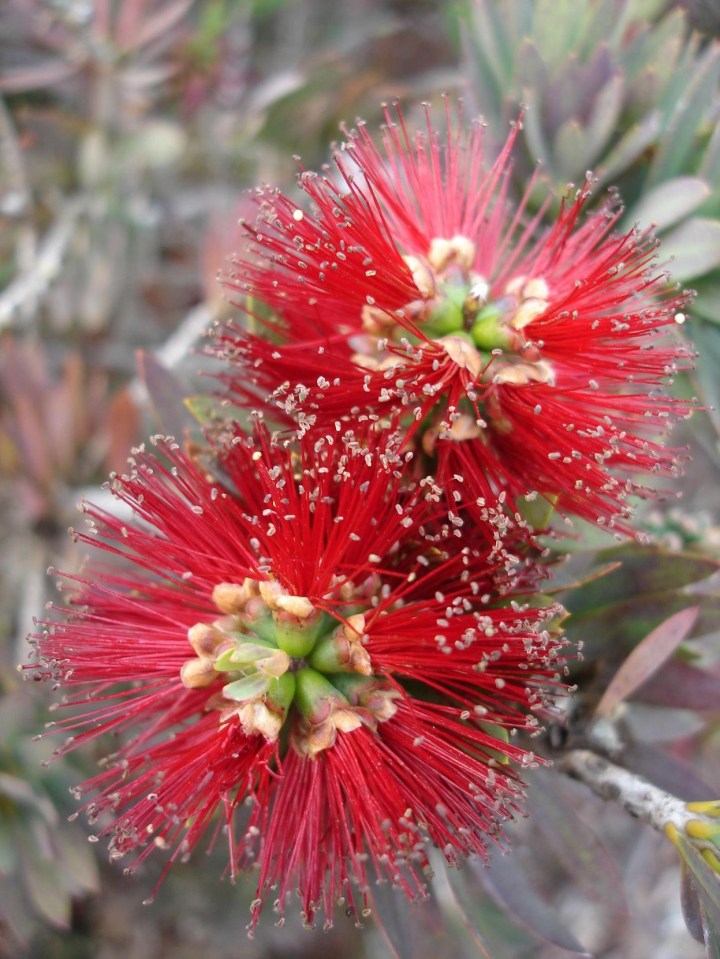
There are no rules to cut flowers. Lily-of-the-nile might seem like a silly choice, but works quite nicely for those who dare to try it. New Zealand flax flowers are not very colorful, but provide striking form. Zonal geranium and nasturtium work well with or without foliage attached. Lemon bottlebrush, photinia, New Zealand tea tree, bugle lily, various hebes, and all sorts of salvias are worth a try.

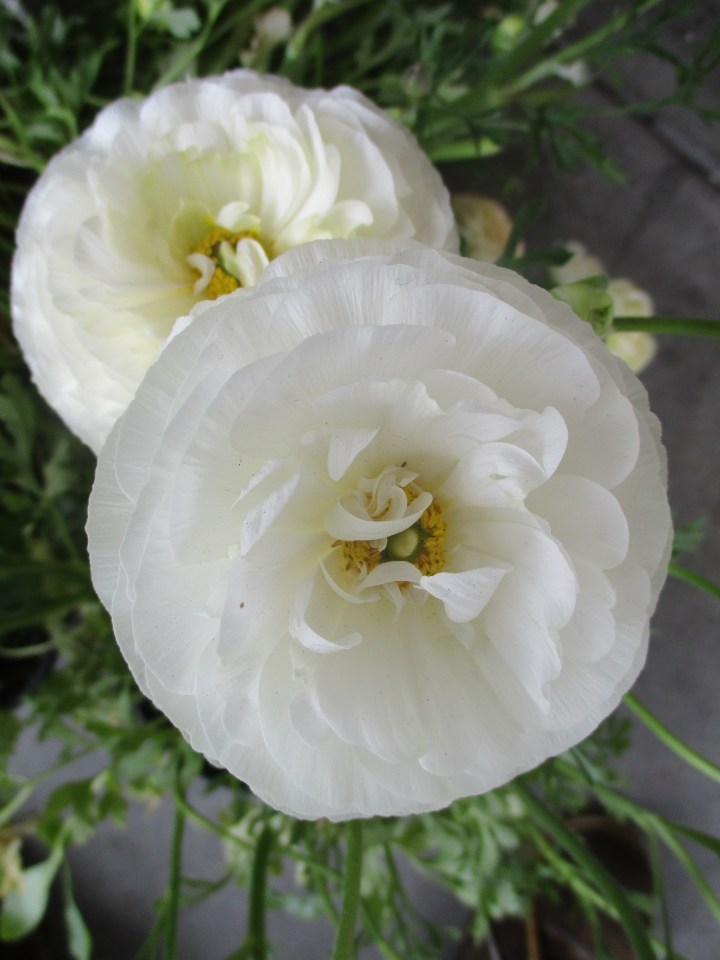 Their little tufts of tuberous roots that were buried late last year were not much to look at. They were more like bits of dried and shriveled sea anemone than something that would grow and bloom with fluffy anemone like flowers. Ranunculus do not bloom as prolifically as related anemones, but they do so with different colors and bulkier flowers that seem crowded with too many thin petals.
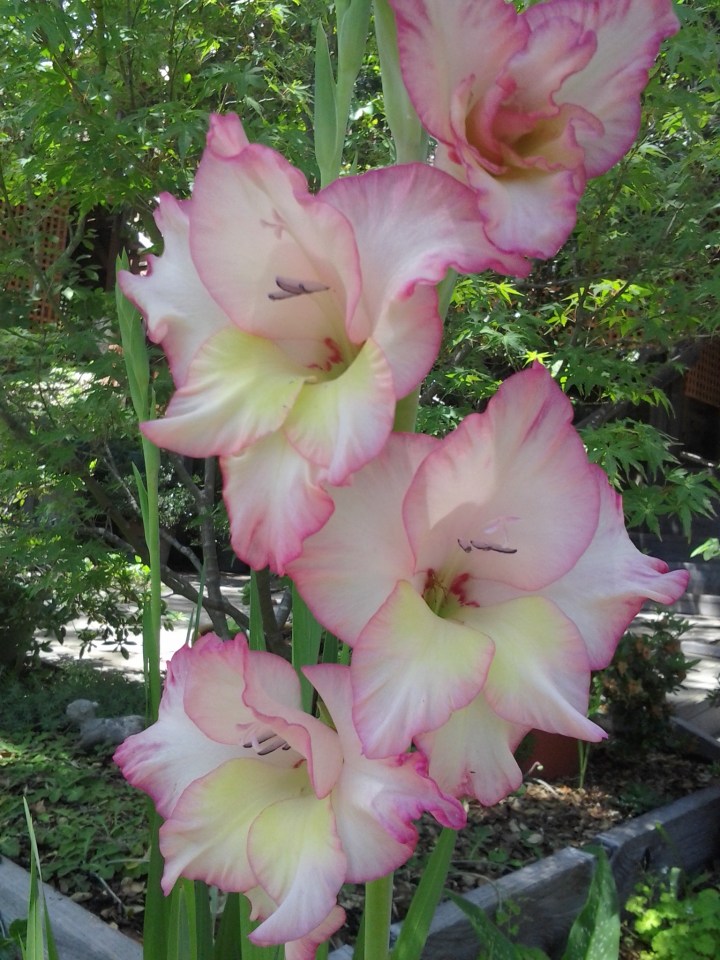 The sword of a gladiator was known as a gladio, and it probably resembled the leaves or floral spikes of gladiolus. These narrow and pointed leaves stand nearly vertical, angling only slightly to the left and right of a single flower stalk that can get as tall as six feet. The floral spike supports several very colorful florets that are arranged to the left and right, but tend to lean toward the front.
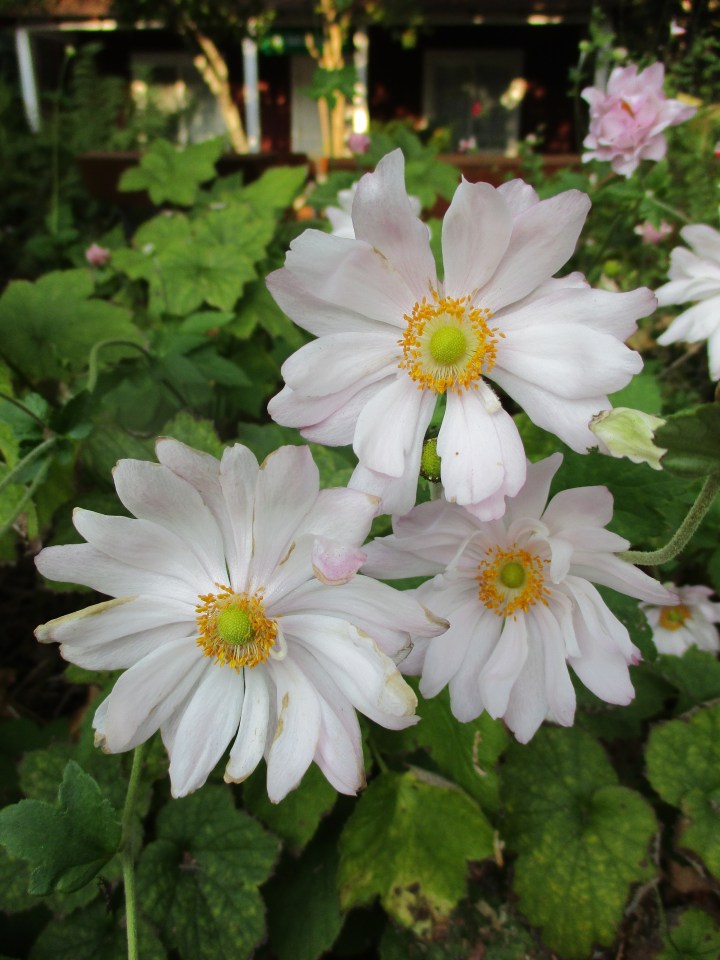 Here it is, three quarters of the way through November, and this Japanese anemone, Anemone hupehensis or Anemone X hybrida, is finally finishing bloom. It should have finished a month ago, but does not always stay on schedule here. Each cultivar exhibits a distinct responsiveness to the seasons, so others finished a while ago. The deciduous foliage will eventually succumb to frost.
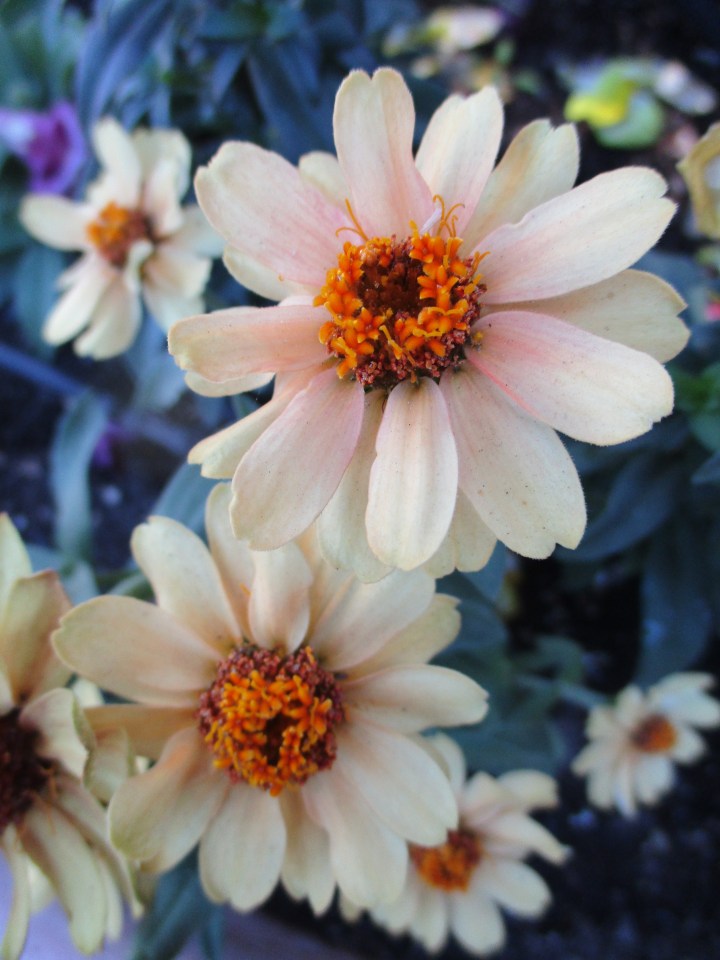 The same cooling weather that is initiating fall color is what finishes the zinnias that bloomed so colorfully through summer. Like tomatoes, they can stay out in the garden until they succumb frost if they continue to perform, and if the space they occupy is not needed for something else. There should be no guilt with replacing them sooner. After all, they are technically warm season annuals.
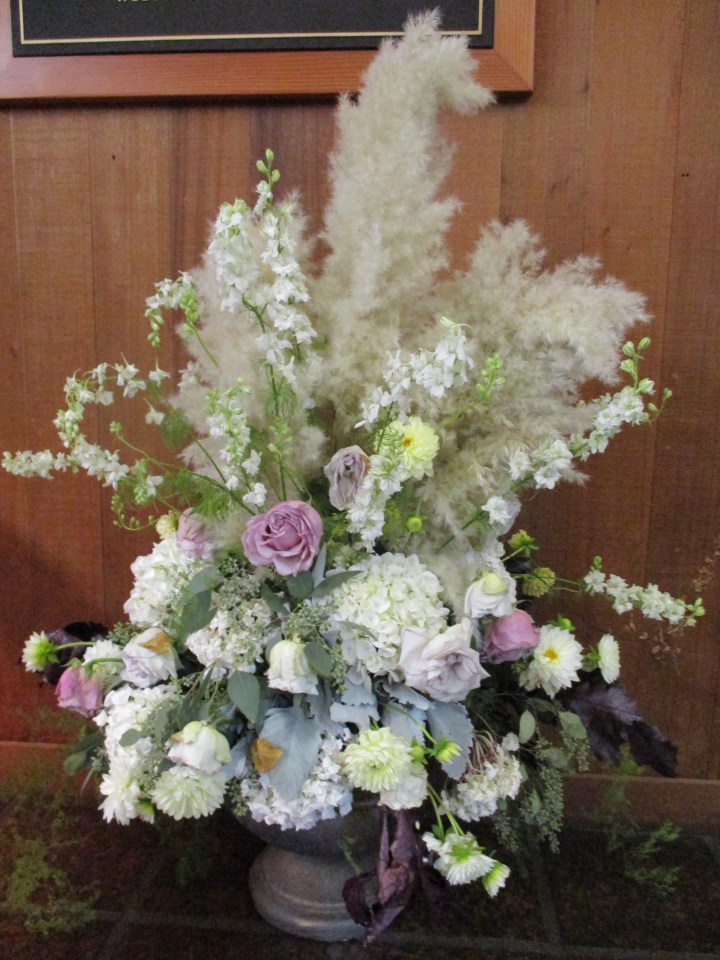 ‘V-A-S-E ‘ is probably how it is spelled, just like that which is pronounced exactly as it looks, or ‘vays’. ‘Vahz’, ‘vawz’ or ‘voz’ just sounds fancier, . . . or bigger.
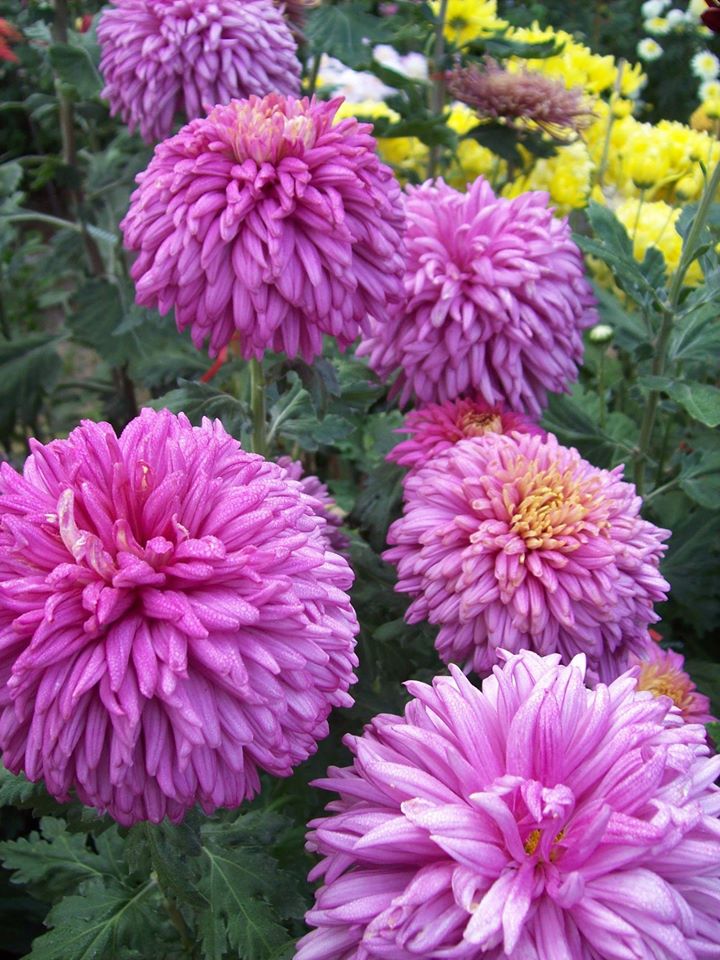 It is impossible to fit enough information about chrysanthemums into just a few sentences. Centuries of breeding have produced too many cultivars to document. Flower color ranges through many shades and hues of yellow, orange, red, pink, bronze, cream, lavender and almost purple, as well as white. (True purple is purportedly lacking.) Many have yellow centers. The deeply lobed leaves are strongly aromatic.
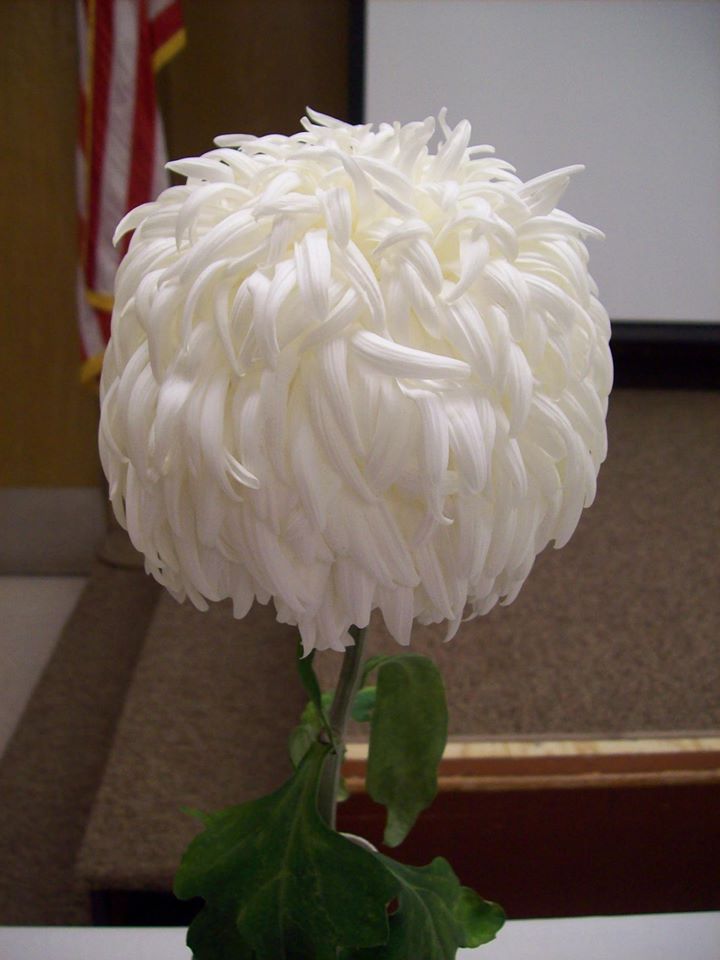 Only a few decades ago, when horticulture was taken more seriously, potted blooming plants like chrysanthemums, orchids, azaleas, hydrangeas, lilies and even poinsettias, got the respect that they really deserve. Now they are more commonly purchased in full bloom, enjoyed only as long as their bloom lasts, and then discarded as their blooms deteriorate.
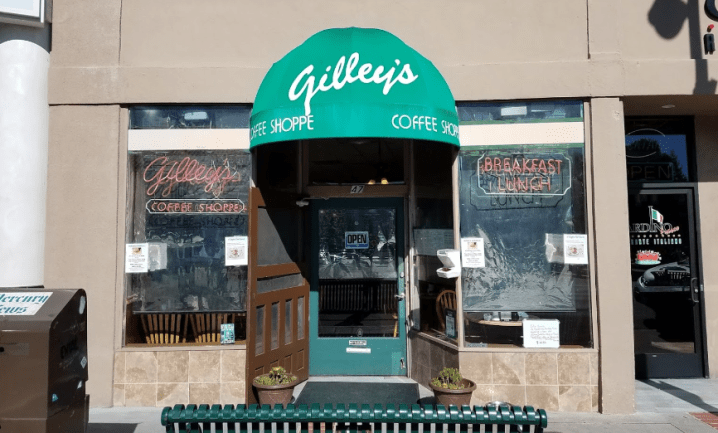 Immediately after the Loma Prieta Earthquake, nothing was open for business downtown on North Santa Cruz Avenue south of Bean Avenue. As buildings were inspected for safety and cleaned up, sections of cyclone fence that had kept everyone out were slowly and systematically moved out so that businesses on the east side could open for business. The same slow process was repeated on the west side, moving south from the corner at Bean Avenue, but did not get very far. The old Los Gatos Cinema, as well as the several other building between it and the seemingly destroyed old La Canada Building on the southern corner of the block, were too badly damaged for the fence to be removed.
 Tony Tomeo