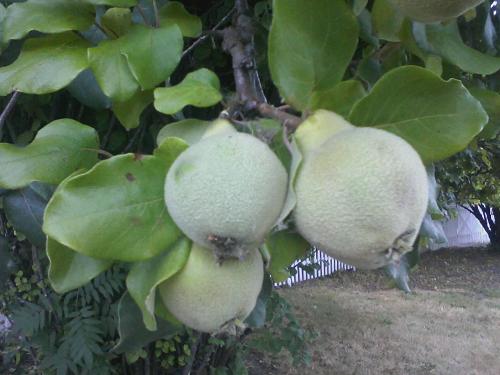
The vast orchards of the Sacramento and San Joaquin Valleys are there for a reason. California is one of the best place in the world to grow fruit trees. However, whether they are in vast orchards or compact urban gardens, even the happiest and healthiest of fruit trees need considerable and specialized attention.
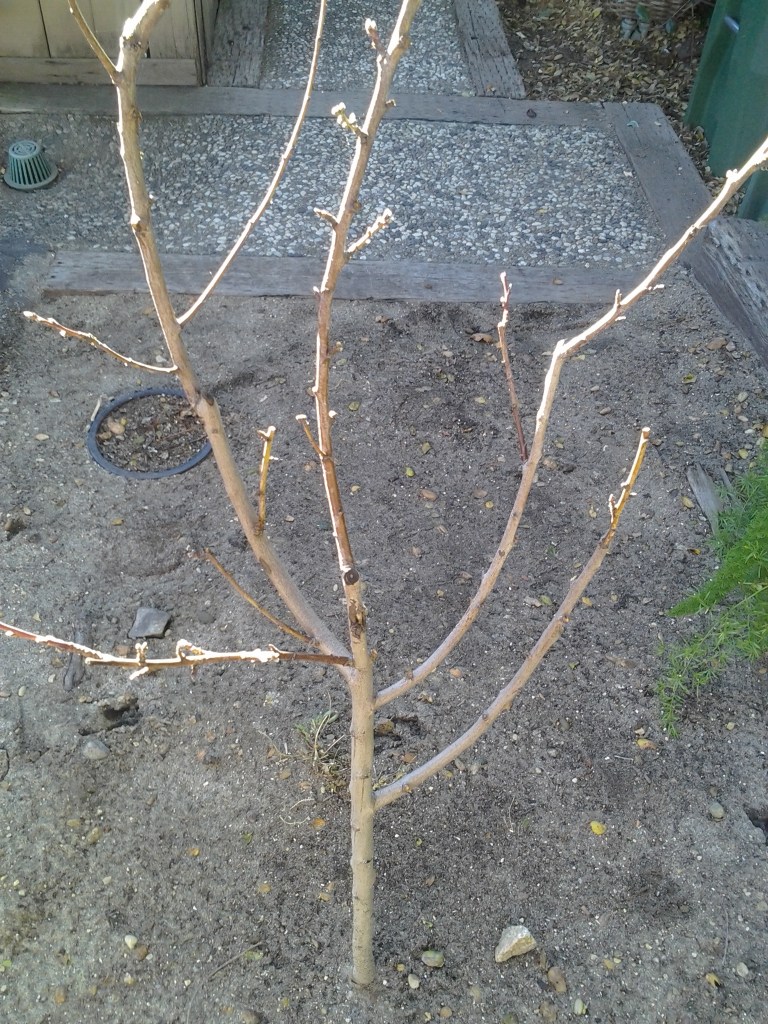
Most of the classic deciduous fruit trees have been bred and selected and bred some more over the past many centuries to produce unnaturally large and abundant fruit. Consequently, most are unable to support the weight of all the fruit that they are capable of producing. This is why it is so important for them to be pruned while dormant through winter.
Pruning improves the structural integrity of fruit trees, and limits the abundance and weight of the fruit produced during the following season. With a bit of planning, pruning can keep much of the fruit within reasonable reach so that those picking it do not need to go dangerously high on ladders. Annual winter pruning also promotes vigorous spring and summer growth that is more resistant to disease.
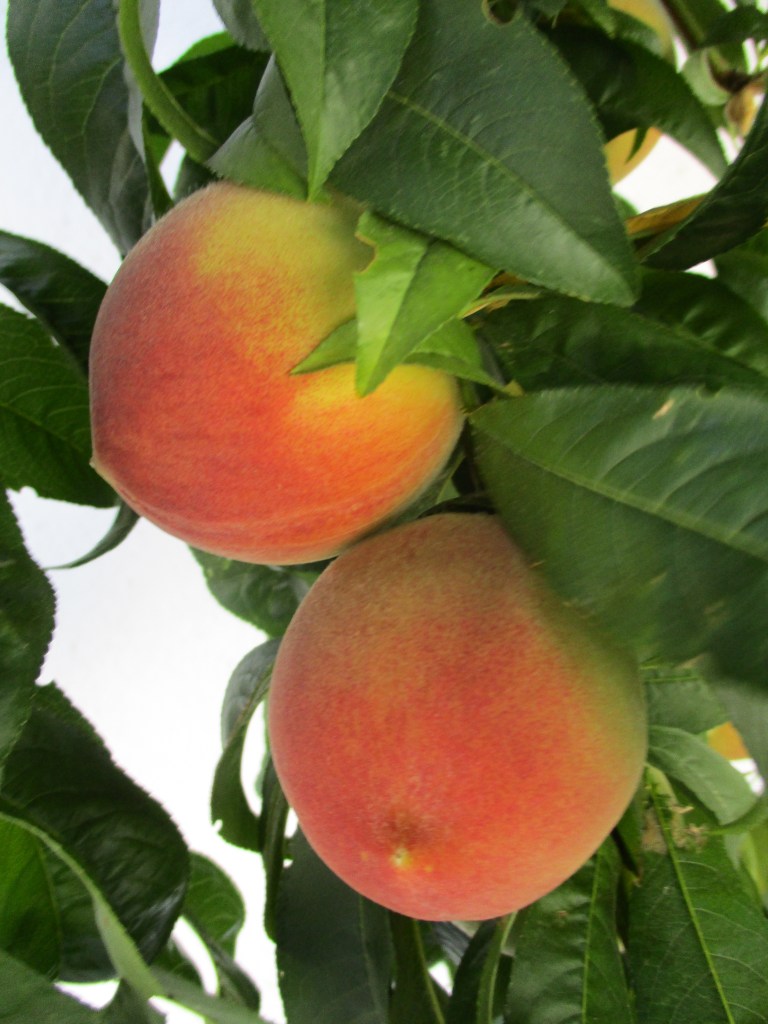
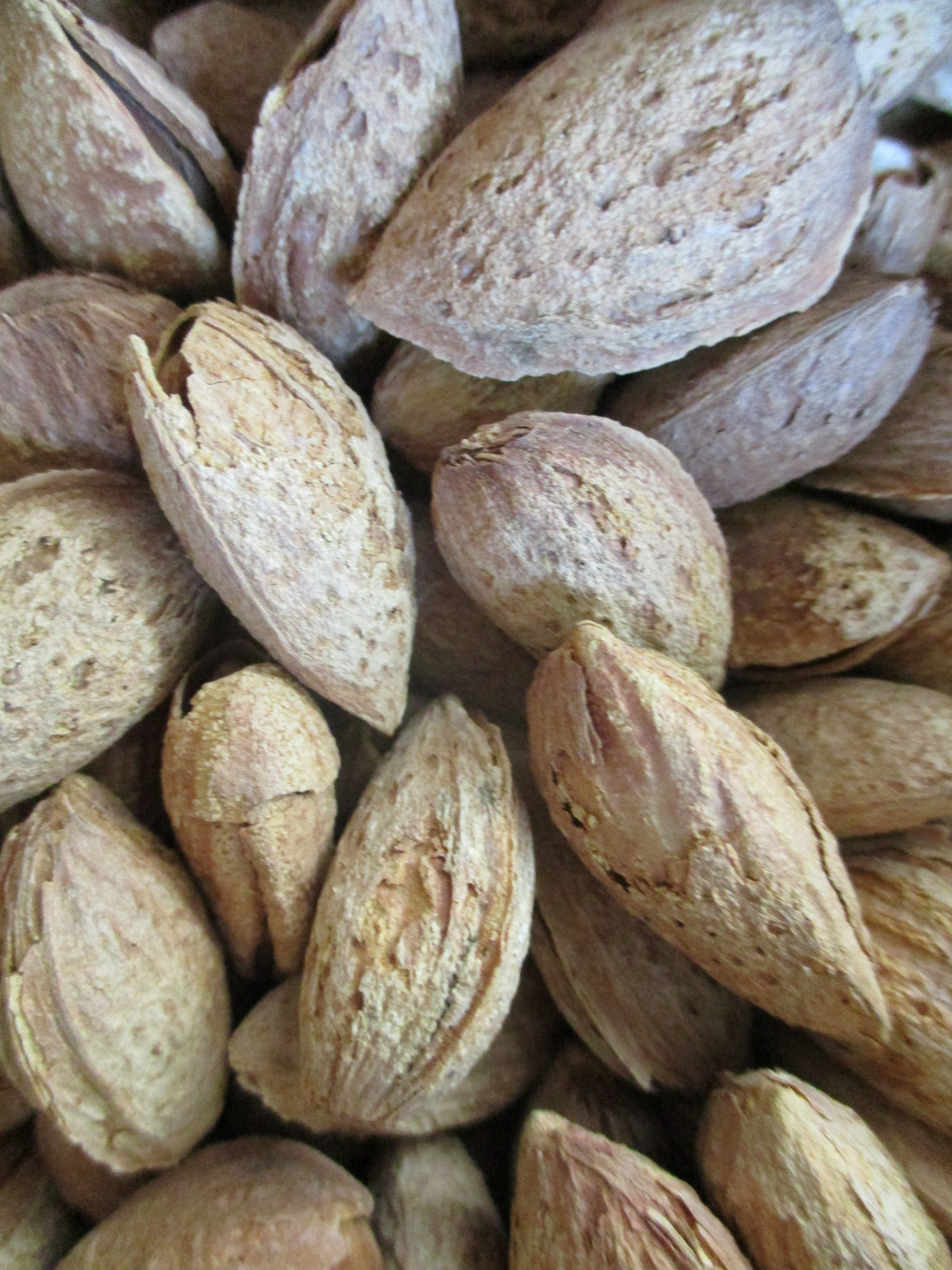
Apricots, plums, prunes, nectarines, peaches and cherries are all related ‘stone’ fruits (of the genus Prunus), so need various degrees of similar pruning. Peaches need more aggressive pruning because the fruit is so heavy. Cherries and almonds need less pruning because the fruit is lighter. (Almonds can grow beyond reach because the nuts get shaken or knocked from the trees instead of picked.) Regardless of the extent of pruning, the ‘four D’s’, which are ‘dead, dying, damaged and diseased’ stems, should be pruned from all deciduous fruit trees.
Vigorous stems that grew last year need to be thinned and cut back but not removed completely since they are the stems that will bloom and develop fruit next year. The stems that grow from them this year will get pruned next winter to produce the following year. Apples, pears and quinces require similar pruning of their vigorous upper growth, but produce much of their fruit on lower ‘spur’ stems that do not elongate much and may never need pruning.
Fig trees are probably the most tolerant of pruning mistakes, since they produce fruit twice each year. Overly aggressive pruning may compromise their first phase of fruiting, but promotes the second phase. Light pruning does the opposite, compromising the second phase by allowing excessive production of the first phase.
Winter pruning of deciduous fruit trees will undoubtedly seem harsh to a beginner. Trees will need more pruning each year as they grow. Fortunately, pruning becomes more familiar with experience, and as the results of pruning can be observed over time. It is among the most important of gardening tasks for those who grow fruit trees, so is really worth studying more thoroughly.


 The internet makes it possible to communicate with people who enjoy gardening all over the World. It can be amusing to hear what garden enthusiasts in Australia are doing now in early summer. Is it always summer in Ecuador? A common theme in much of America is that there is not much gardening to do right now. It might be more accurate to say that no one wants to go out in the cold.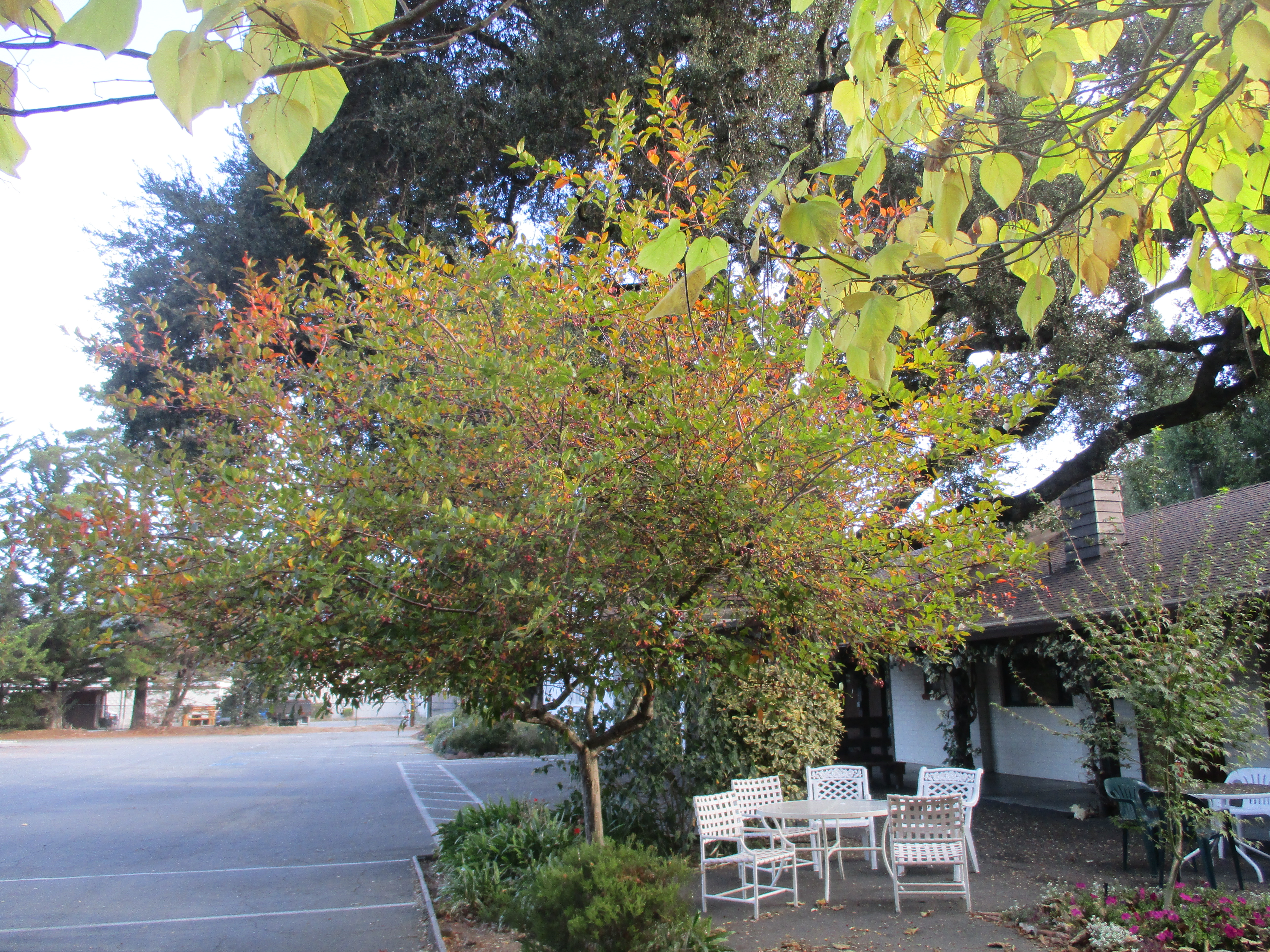
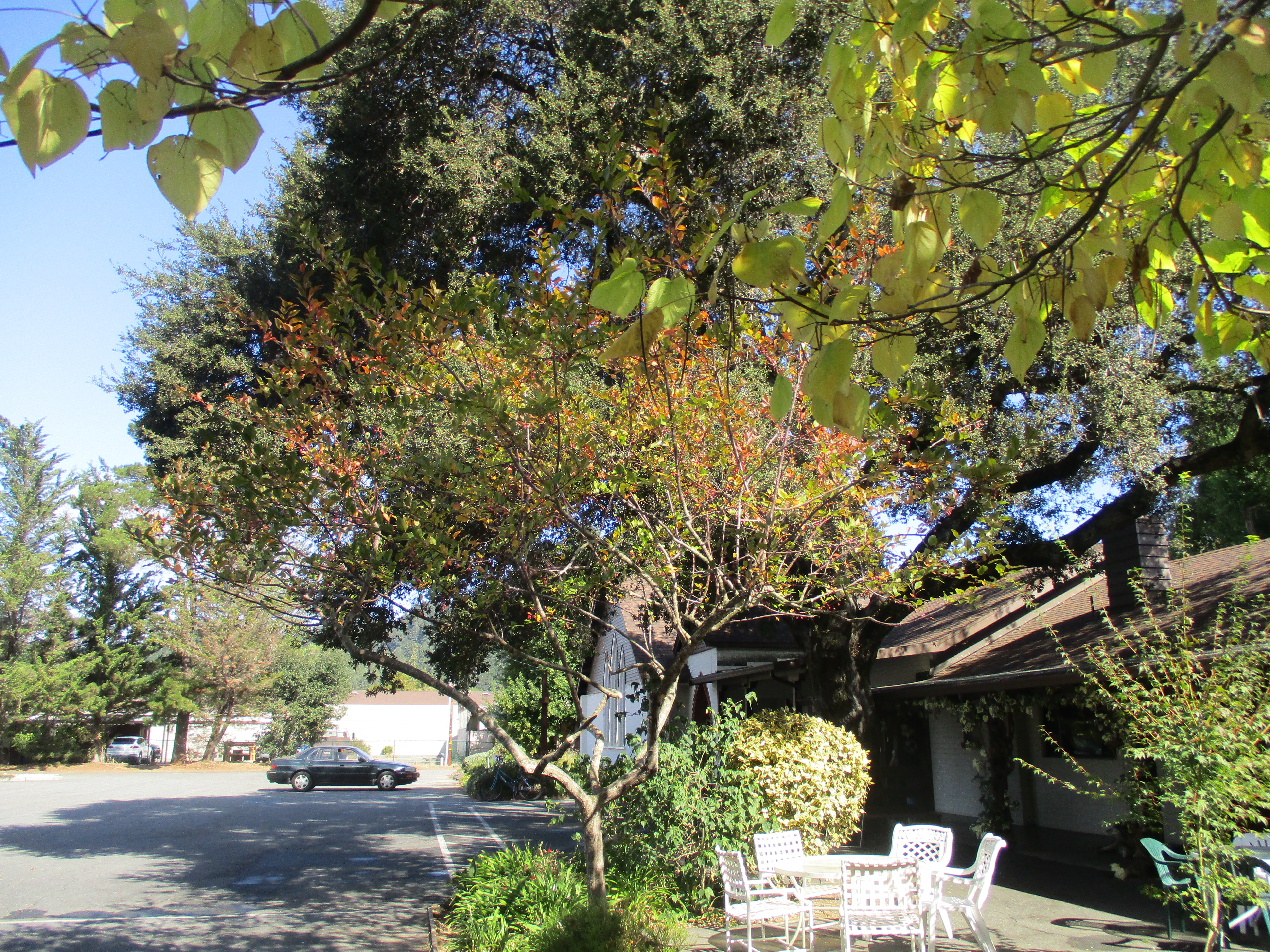 It is amazing what just a few parishioners and friends can accomplish in just a few hours from about nine to noon on Saturday morning. It is only happens a few times through the year, so we make the most of it to catch up on all sorts of maintenance and projects at Felton Presbyterian Church. (My parish should do this sort of thing.) I was there to work in the minimal landscape.
 Tony Tomeo