‘Six on Saturday‘ is a meme that I participate in on Saturday morning. The link below explains that participants post pictures from our gardens, landscapes, greenhouses, or wherever we find subjects of horticultural interest. You might post six of your own.
I posted this second set of six this afternoon both because these six pictures will be outdated by next Saturday, and because they are more relevant to horticulture than the six that I posted this morning.
1. Rose – Unless there is a rose out there somewhere that I neglected to prune, this is the last rose bloom of last year. It got pruned after I got this picture. Even here, roses get to hibernate.
2. Wallflower – Does it look like it cares that it is the middle of winter? Actually, from a distance, it is more obvious that sporadic bloom is somewhat subdued. It just never stops completely.
3. Sasanqua Camellia – This was one of the few last flowers, and likely disintegrated shortly after the picture was taken and the weather warmed up. That was actually before last Saturday.
4. Narcissus – Since I so regularly express a preference for white flowers, I tried to find yellow daffodils. They were only beginning to bloom though. These paperwhite narcissus are prettier.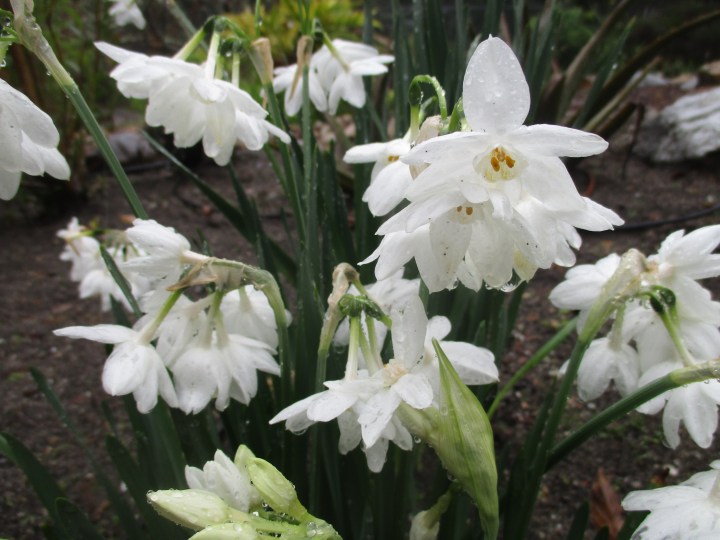
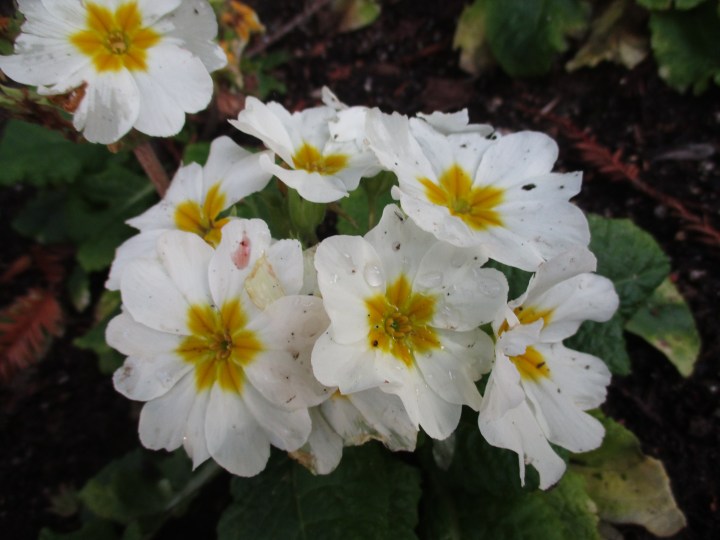
5. Pigsqueak – The name is rad. I intend to grow more in my own garden. It is such a classic winter blooming perennial. More importantly, I want to brag to my friends about my pigsqueak.
6. Cyclamen – I intentionally got a picture of the red instead of the white. I would prefer them to be more than just common winter annuals. Nevermind the irrigation line in the background.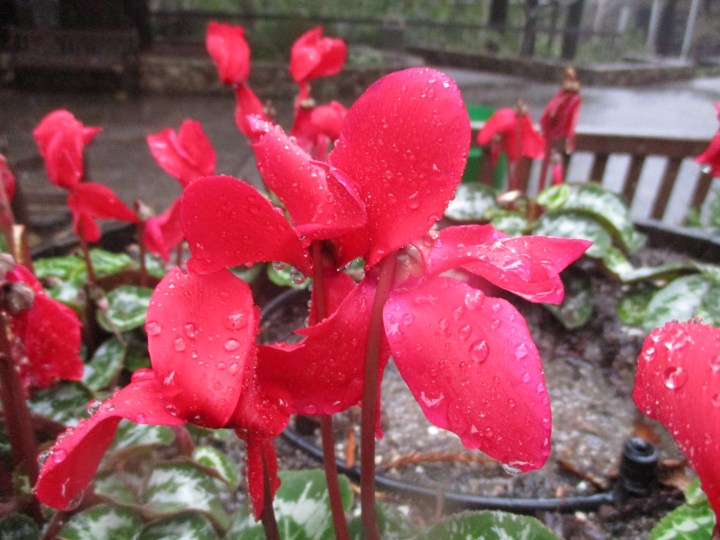
This is the link for Six on Saturday, for anyone else who would like to participate:
https://thepropagatorblog.wordpress.com/2017/09/18/six-on-saturday-a-participant-guide/

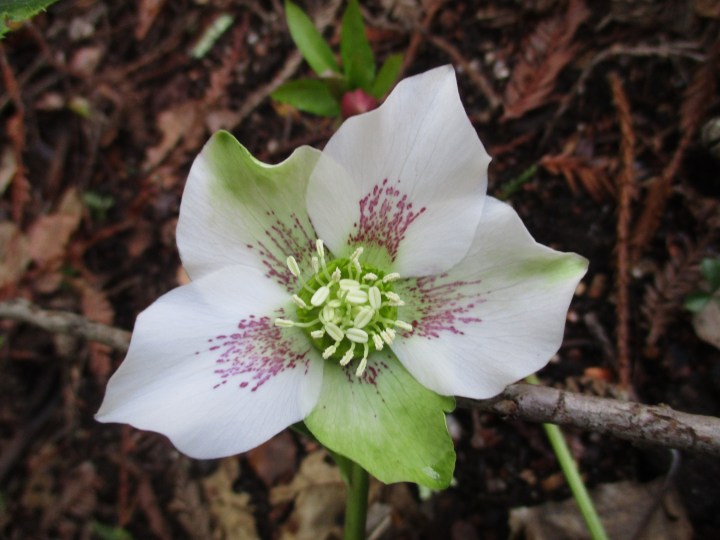

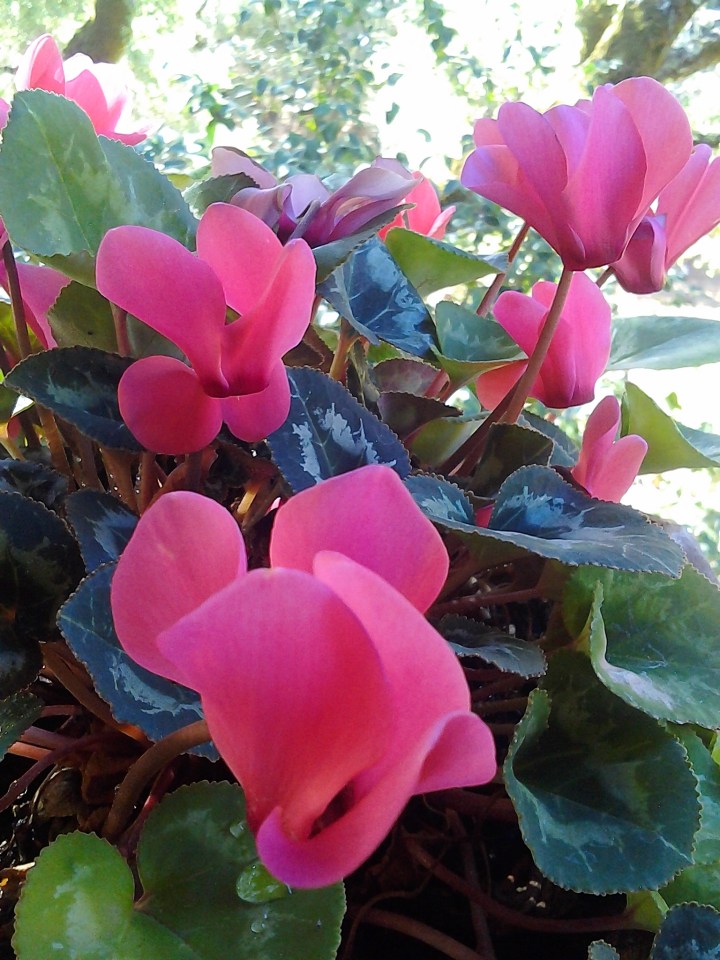 Cyclamen are everywhere! Some nurseries have more cyclamen than all other cool season annuals combined. Not all cyclamen are represented though. Almost all are white or simple red. Pink, salmon and other shades of red are noticeable scarce because they are not traditional colors of Christmas. The plants are mostly of impeccable quality, and outfitted with abundant flowers. While there is not much else blooming, the popularity of cyclamen is impossible to ignore.
 Mild autumns and arid summers keep chrysanthemums on a different schedule here than in most other regions. They can get planted in spring to grow through summer and bloom through autumn; but because they can take a bit of work, they are more often planted while blooming in autumn. Although commonly grown as autumn annuals, they are perennials that can regenerate next spring, grow through summer, and bloom even better the following autumn.
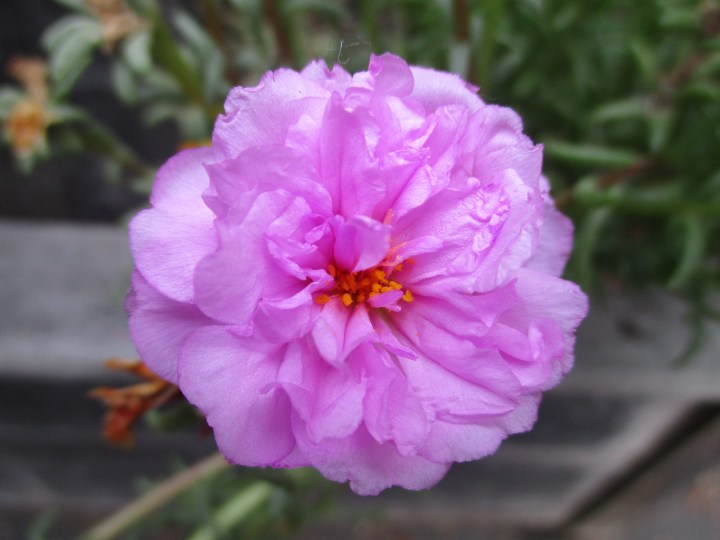


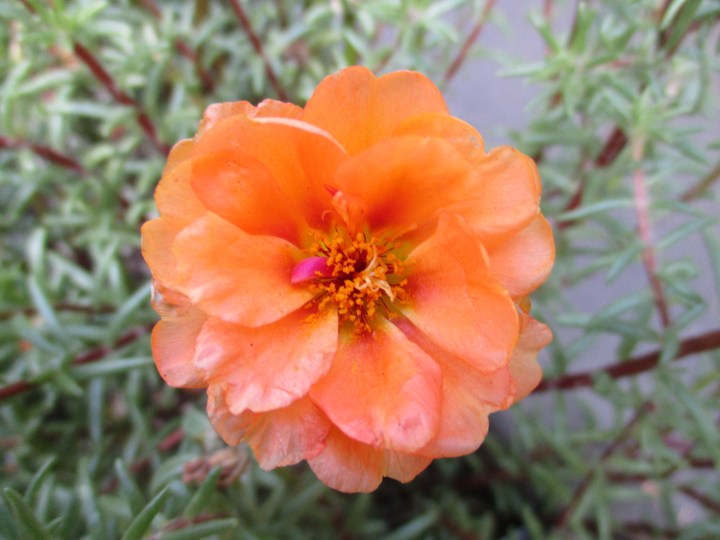
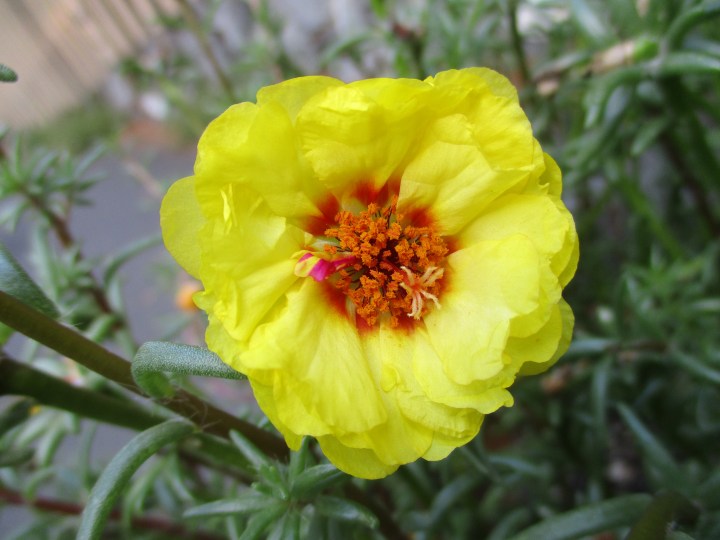

 The recent unseasonably warm weather was no problem for any remaining moss rose, Portulaca grandiflora. They usually start to look rather tired as the weather gets cooler this time of year, and eventually succumb to the first frost. Where allowed to do so, they can regenerate next year from seed. I like to collect their seed during the summer or autumn so that I can sow them after the last frost of the following winter. Through spring and summer, I find that additional plants are easy to grow from cuttings.
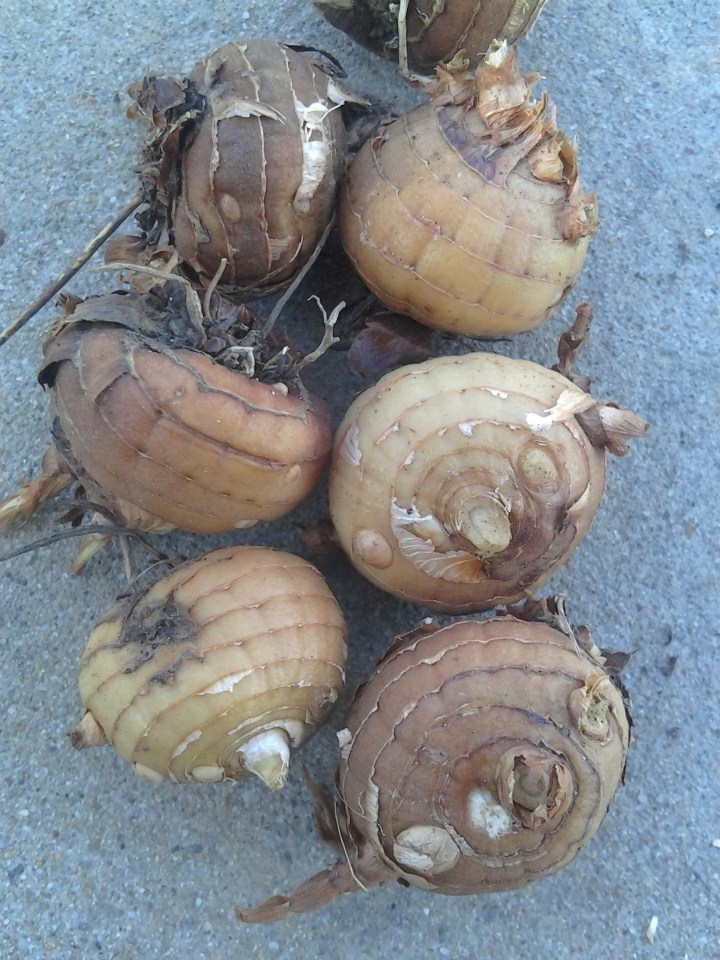 It may seem to be too early to be concerned with narcissus, daffodil and grape hyacinth, but this is when their bulbs go into the garden. Once established, these familiar examples, as well as early bearded iris, can be the most reliable for colorful bloom at about the same time early each spring. Crocus and freesia bloom just as early, but may not naturalize as reliably. Lily, tulip, hyacinth, anemone and ranunculus really prefer cooler winters to bloom reliably after their first spring, even though they are worth growing for just one season.
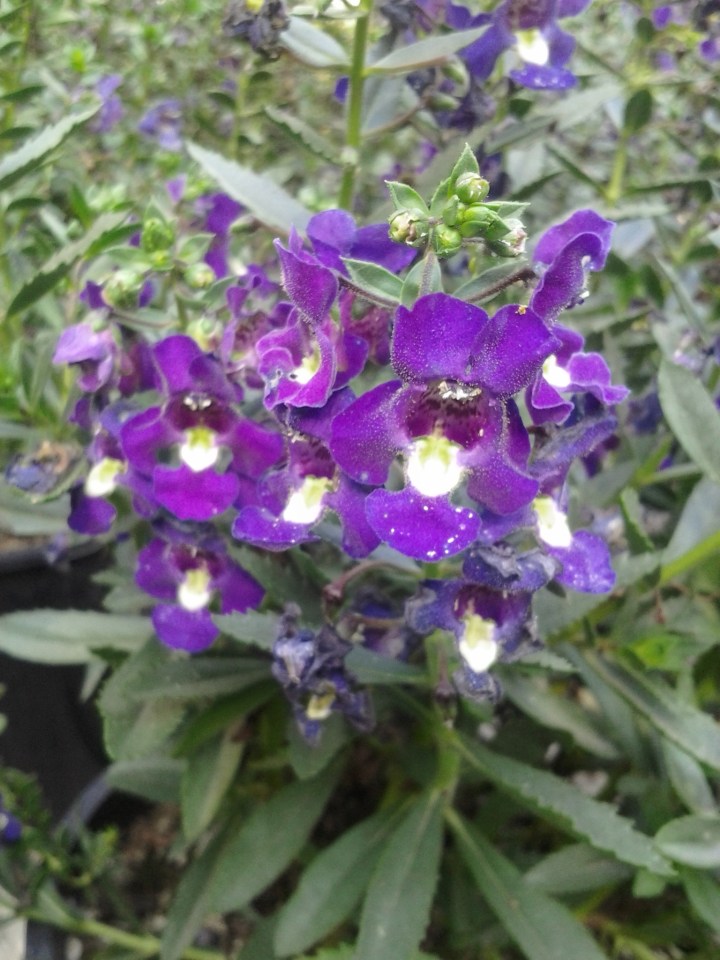 Angelonia is one of those warm season annuals that can actually survive through winter as a pernnial to bloom again next spring. It may even want to continue to bloom untill frost. The flowers can be blue, purple, red, pink or white, and look something like small snapdragon flowers. Most have spots or stripes of an alternate color or two in their throats. Some modern varieties have fragrant flowers. Plants can get a foot or two tall, and almost as wide. In sheltered spots, angelonia can be cut back as soon as it starts to look tired in autumn. Exposed plants might be happier if cut back significantly later, as winter ends. Old growth may be unsightly for a while, but can protect interior stems and roots from frost. Besides, pruning stimulates new growth that will be more susceptible to subsequent frost.
 As the name implies, ‘annuals’ need to be replaced ‘annually’. What is worse is that they do not even function for an entire year, but only for a specific season. Cool season annuals mostly work from autumn to spring. Warm season annuals mostly work from spring to autumn. Calendula is a popular cool season annual that may not last even that long, since it can mildew half way through winter.
 This is not an easily defined flower. There are hundreds of species within the genus of Viola. Many are known as pansies. Many are known as violas or Johnny-jump-ups. Many are in between. The main difference between these two major groups is that, although very closely related, pansies bloom with bigger flowers, and violas bloom with smaller, simpler and more abundant flowers.
