 There is a difference. Hybrid tea and grandiflora roses were bred to be excellent cut flowers for the home. They bloom on long stems, and last well once cut. However, the rigid and thorny plants that produce these excellent blooms are realistically not much to look at. Floribunda, polyantha and climbing roses are more of a compromise with less ideal (perhaps) flowers on friendlier plants.
Conversely, bearded iris are spectacular while blooming out in the garden, but do not last so well as cut flowers. As colorful as they are, they perform best while still attached to the plants that produced them. Fading flowers might be groomed away from flowers that continue to bloom later, but are not a serious problem if allowed to linger. The garden is more forgiving than the home.
Where space allows, rose gardens or cutting gardens are areas devoted to the production of flowers for cutting and bringing into the home. Like vegetable gardens, cutting gardens might be hedged, fenced or partly concealed from the rest of the landscape. No one minds if the utilitarian plants within get deprived of their flowers, or need to be staked or caged like big tomato plants.
Taller and bulkier varieties of dahlia, delphinium, lily, Peruvian lily (alstroemeria) or sunflower that might be to big and awkward elsewhere in the garden can be right at home in a cutting garden. Compact and more prolific varieties of the same flowers work better in more prominent parts of the garden, and if prolific enough, can also provide flowers (although less spectacular) for cutting.
There are very few rules in regard to cut flowers. Many of us bring in bearded iris or daylily, even though they may not last more than a day. The buds below the flowers might bloom afterward. Blooming clematis vine, nasturtium (on or off stem), lily-of-the-Nile, zonal geranium, bougainvillea, bottlebrush, crape myrtle and even flower stalks of New Zealand flax, are all worthy cut flowers for anyone wanting to try them, especially if the garden provides enough to spare.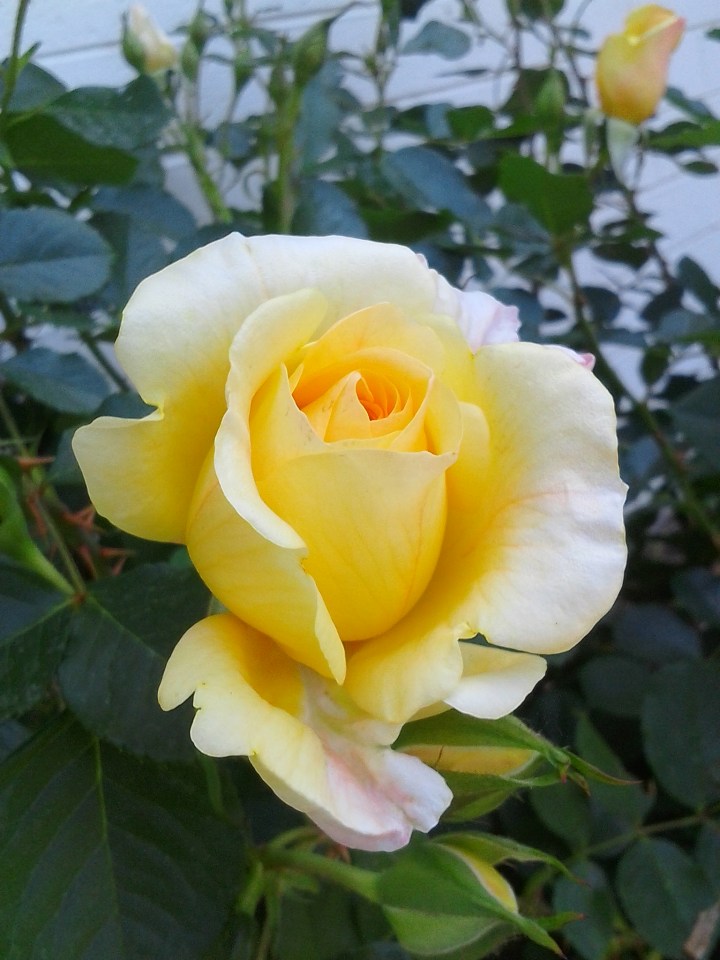
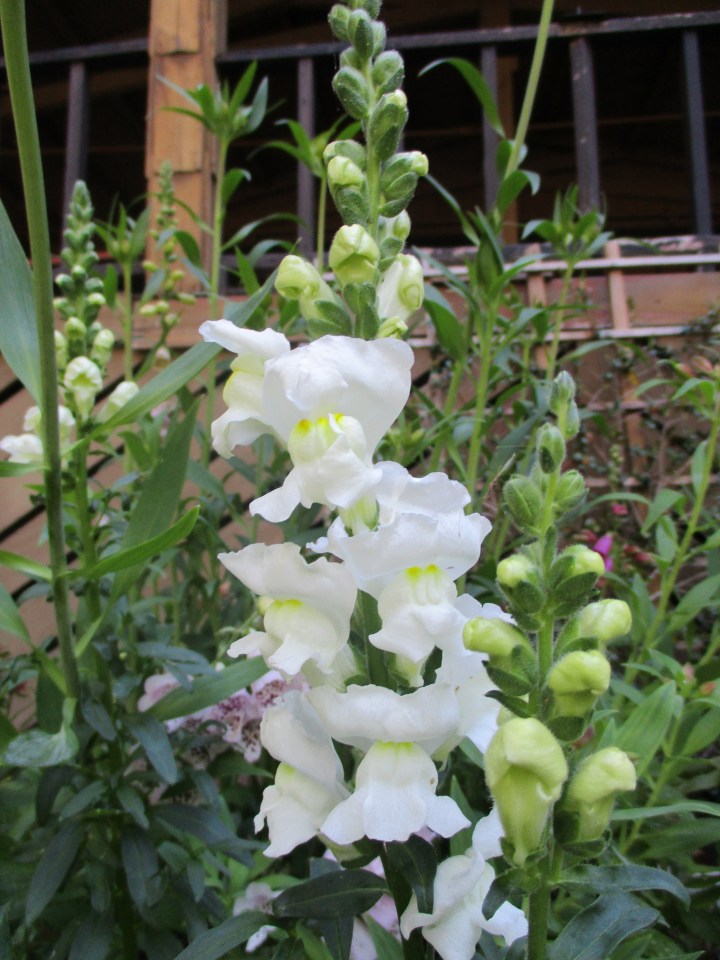 They are short term annuals in spring or autumn. Where winters are cold, they may last from spring through autumn. Where summers are hot, they may last from autumn through spring. So what are snapdragon, Antirrhinum majus, here? They can be either or both, depending on where and when they get planted. For most of us, they are a cool season annuals that finish before summer.


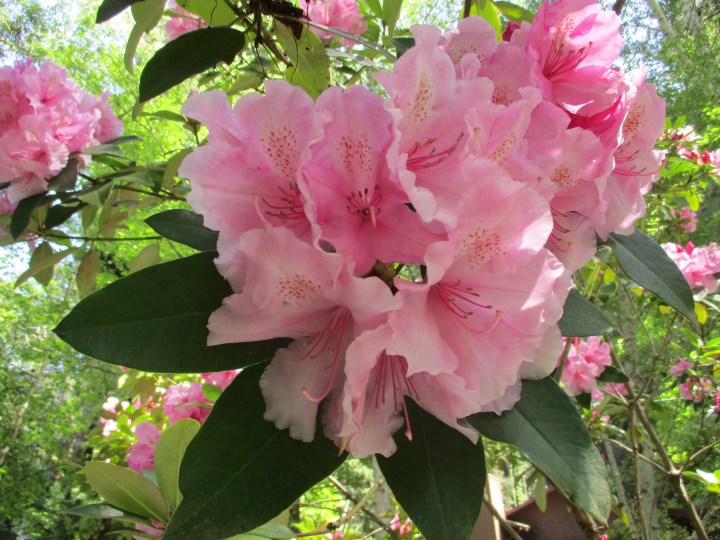

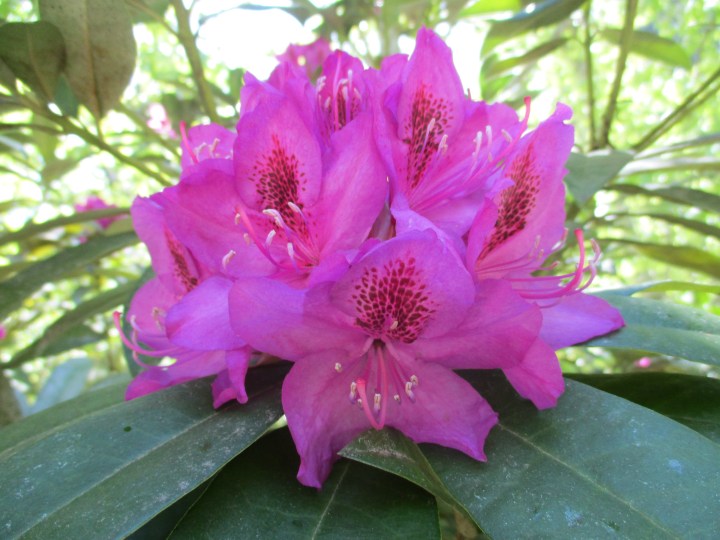
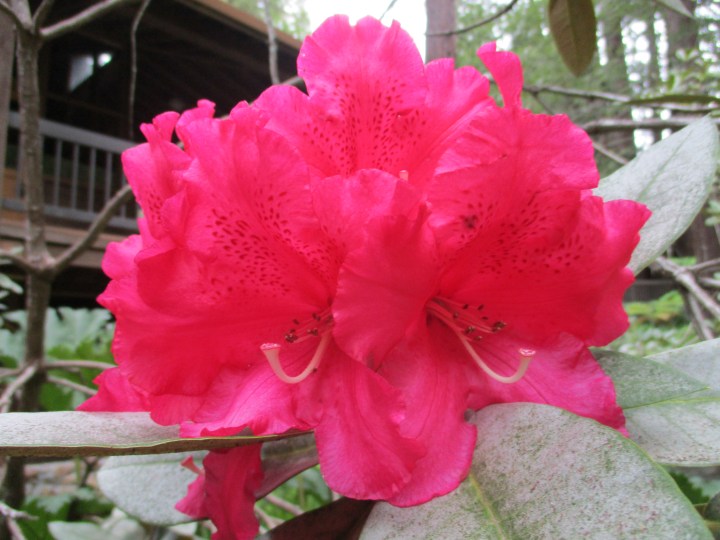
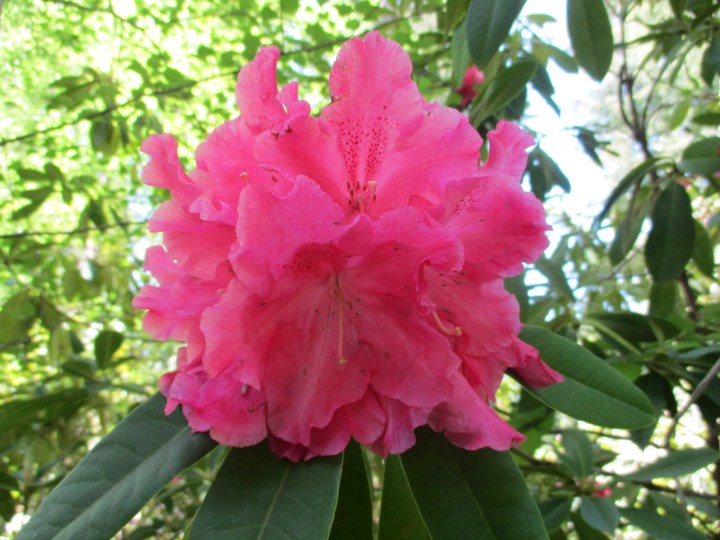
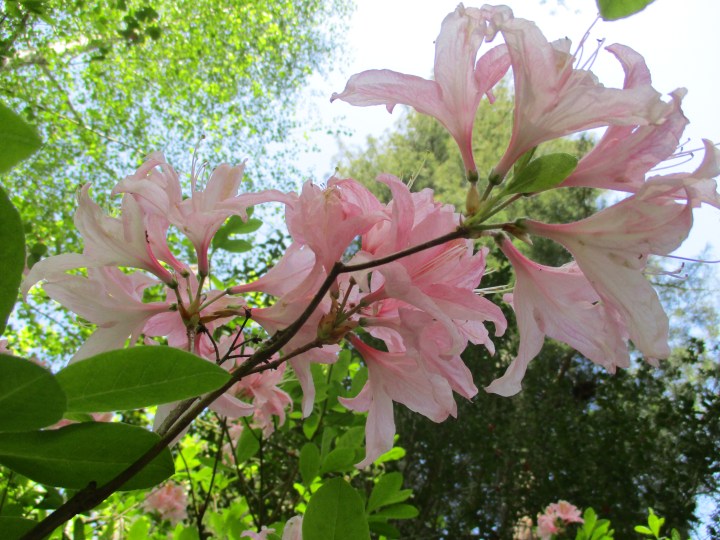
 They are not a myth. They are quite real. So are the related and similar deciduous azaleas. There are certainly not as popular or as diverse as the familiar evergreen cultivars, but they have their place.
 (The article from my weekly gardening column that is typically posted on Thursday was posted yesterday, which is why this article, which is more appropriate for Wednesday is posted today.)
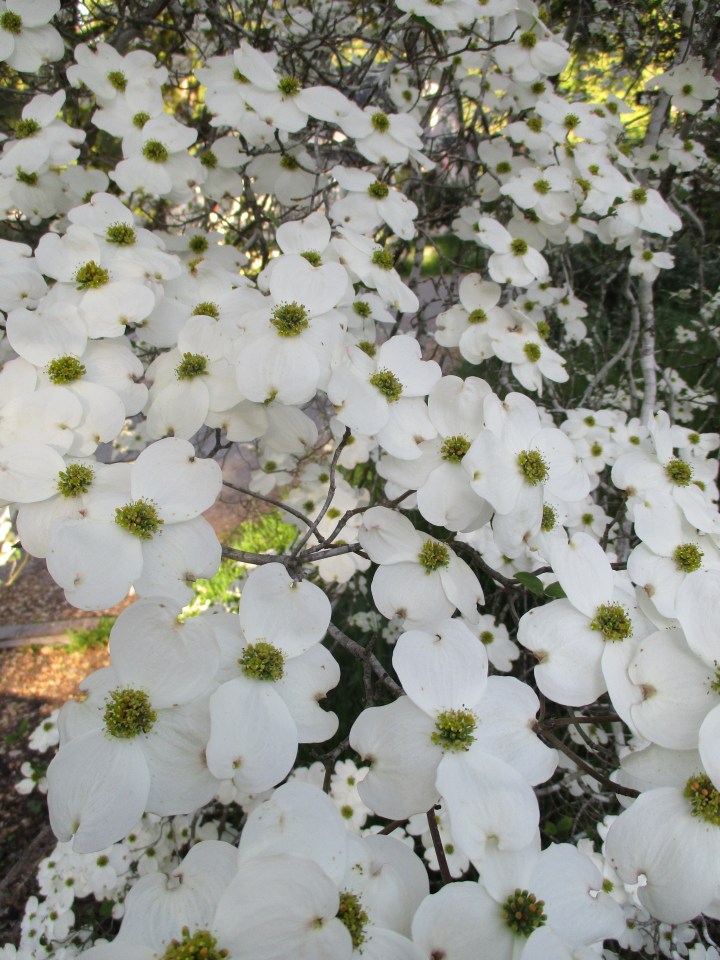 Flowering dogwood, Cornus florida, seems like it should be more popular here than it is. It blooms spectacularly in April. The foliage can color nicely in autumn. Mature trees are proportionate to medium sized or smaller suburban gardens. However, the limiting factor to their popularity in the local climate is that they are understory trees that prefer to be in the partial shade of larger trees.


 What an unappealing name! That is probably why so many of us know it simply as ‘wild onion’ or ‘allium’. Few of us bother to get sufficiently acquainted with it to know it by the species name of Allium triquetrum, which is actually not much more appealing than ‘onion weed’. It is not really wild, but has naturalized as an invasive exotic, or in other words, ‘weed’. At least it is a pretty weed.
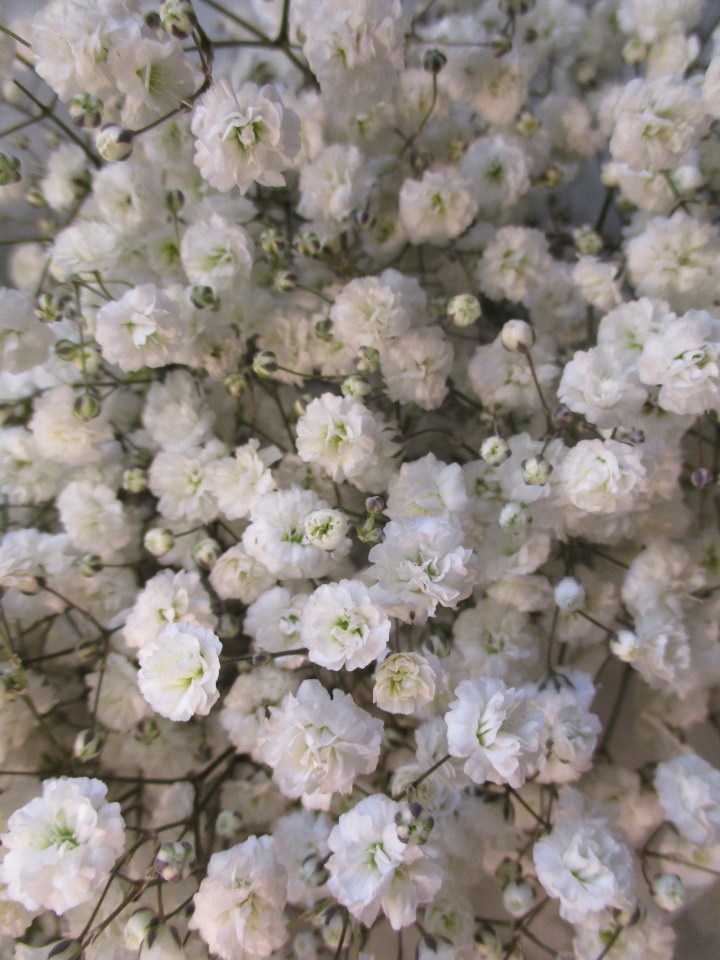 You might think that such a popular flower would be easy to get a picture of. Baby’s breath, Gypsophila paniculata, is everywhere, and almost a standard component of the mixed bouquets found in supermarkets. However, the flowers are so small and so sparsely arranged on thin stems, that they do not look like much in pictures. This picture is a closeup of a tightly bound bundle of bloom.
 This one is different though. It is not the characteristic homogeneous bright orange that California poppies should be. The orange in the middle is what the entire flower should look like. The outer yellow hallow is not typical.
