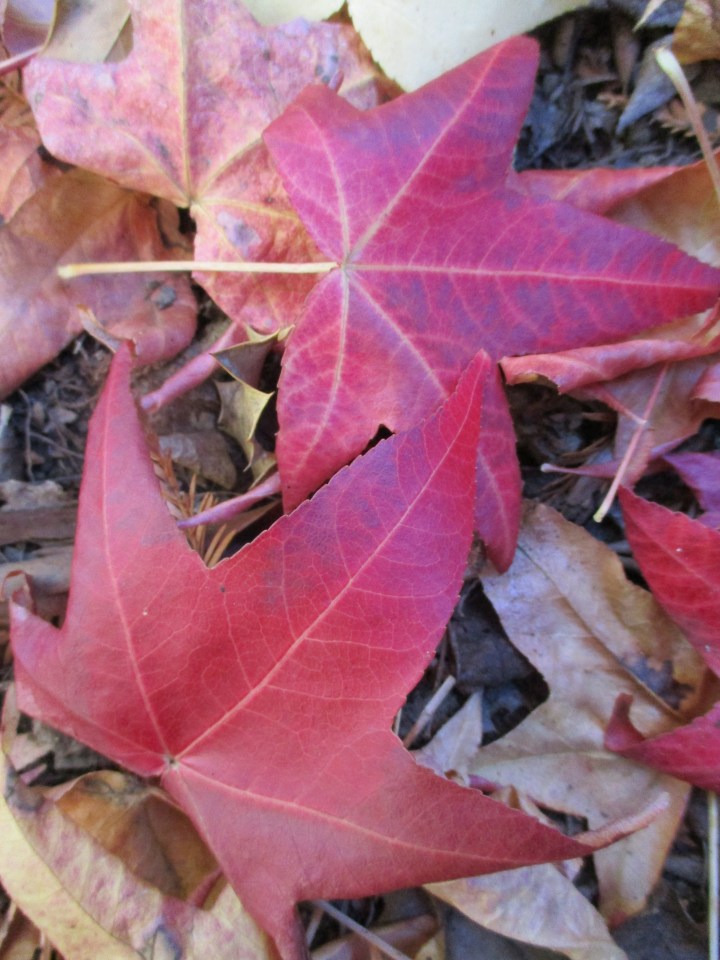
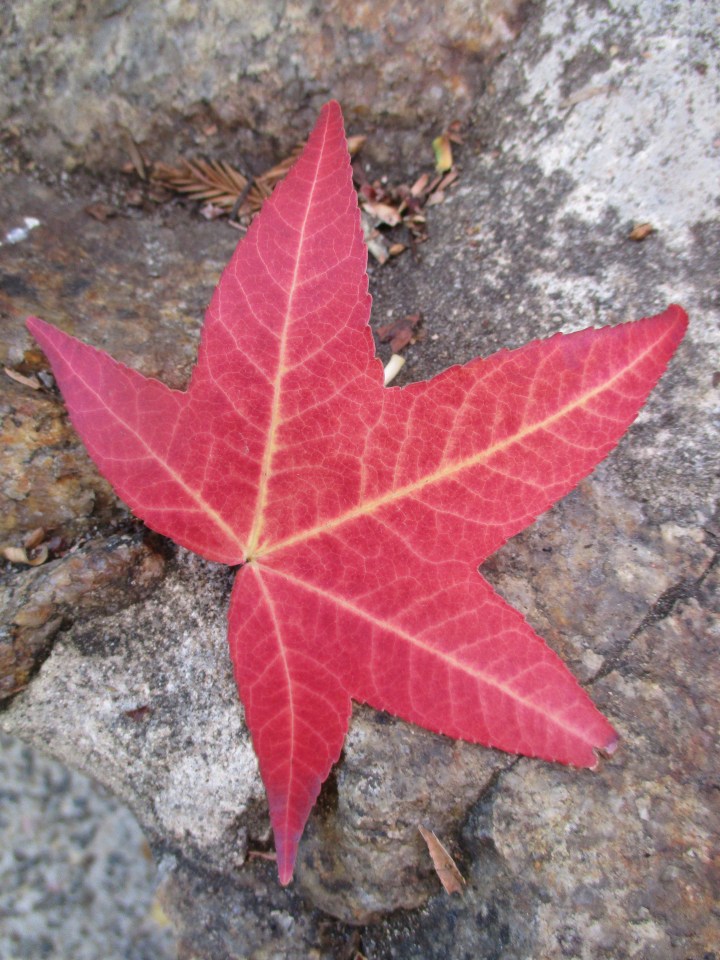
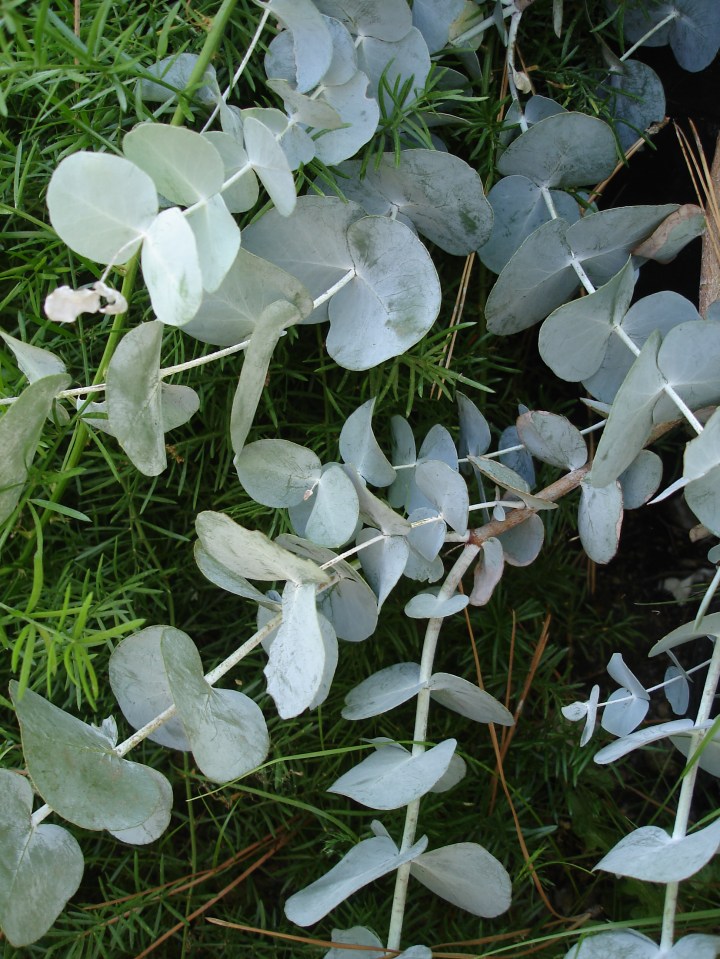
 The best and brightest color in the garden is obviously still provided by flowers. Autumn color can be spectacular, but only amongst relatively few deciduous trees, shrubs and vines that turn color reliably in mild climates, and only if the weather is conducive to coloration. The next best option for color beyond green is the sort of colored foliage that does not wait for autumn to materialize.
Foliage can be shaded with varying degrees of yellow, red, pink, purple, bronze, grayish blue or gray, or variegated with white, yellow or silvery gray. Plants that display such colorful foliage can be as small as flowering annuals, or as substantial as shade trees. Many are deciduous plants that also turn color in autumn. Most of the best are actually evergreen, so hold their color through winter.
Color tends to be richest as new foliage emerges in spring, and fades more or less through summer. Gold junipers only start out gold, but then fade to green within only a few months. The purplish foliage of ‘Forest Pansy’ redbud fades to coffee stained green. Yet, bronze New Zealand flax is always bronze. Dusty miller is always gray. Some plants are more reliably colorful than others are.
Exposure is important too. Most blue or gray foliage, whether juniper, agave, spruce, eucalyptus, olive or silver Mediterranean fan palm foliage, will be significantly greener if shaded. However, white variegation of English holly, hydrangea, ivy, hosta and pittosporum have better contrast if partly shaded. Colorful Japanese maples color better with good exposure, but roast if too exposed.
Many plants with colorful foliage are notorious for developing greener mutant growth known as ‘sports’. Because sports have more chlorophyll, they grow more vigorously than more colorful growth does, and can overwhelm and replace the more desirable colorful foliage if not pruned out. Many types of white or yellow variegated euonymus, as well as the more intricately variegated New Zealand flax, can revert to monochromatic green within only a few years.
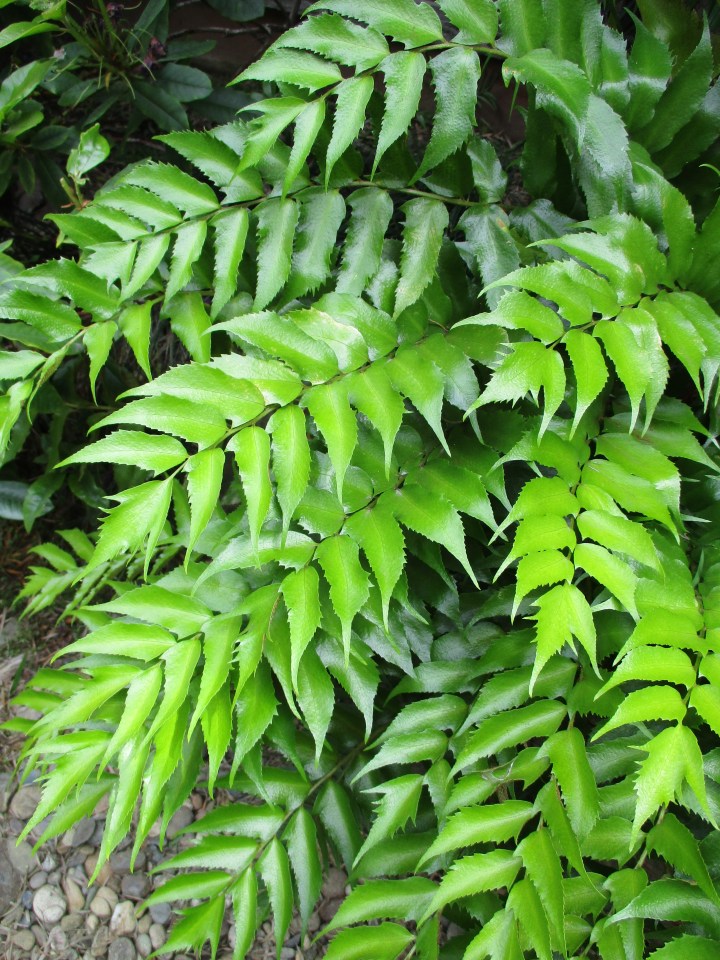 This is one of those perennials that has mixed reviews. Although relatively tough once established, holly fern, Cyrtomium falcatum, is susceptible to rot and fungal leaf-spot. It likes to be watered somewhat regularly, but rots if the soil is constantly saturated. Leaf-spot is not as dangerous as it looks, but can be unsightly. Too much fertilizer (to correct the damage) can burn the foliage too.
 It could be either an asset or a liability. With few exceptions, ferns do not want to be too exposed to direct sunlight or wind, especially during warm and dry weather. However, as long as they get just enough filtered light, they can be quite happy in sheltered spots that are a bit too shady for other plants. Most like to be watered regularly, and perhaps lightly fertilized in spring and summer.
 Agaves are innately tough and undemanding. The main reason that they are not more popular in home gardens is that they are outfitted with nasty foliar spines. The worst of these spines are the distal tips of the large succulent leaves. Most agaves are also armed with shorter recurved spines on the margins of their leaves. Gardening with such well armed perennials can be dangerous.
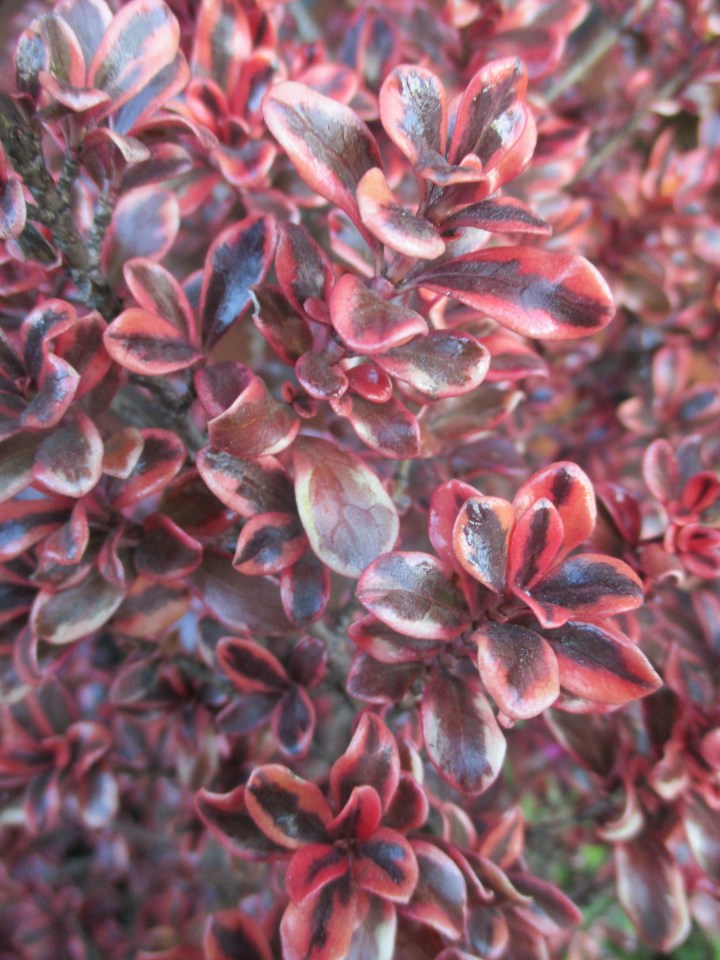 Classic but simple mirror plant, Coprosma X kirkii, was a utilitarian shrubby ground cover for many years before all the colorful modern cultivars that are so popular now were invented. Individual plants can cover quite a bit of ground without getting any deeper than two feet. It is particularly useful in coastal landscapes, because it is so resilient to wind and exposure, as well as sandy soil.
 There is no shortage of color for the garden here in our mild climates. If we want to, we can grow various flowers to bloom at various times throughout the year. If that is not enough, we can grow plenty of colorful foliage too. Evergreen sorts can stay fresh and resilient to minor frost all winter. A few deciduous plants and warm season perennials with colorful foliage will refoliate in spring.
 Conifers are the most prominent forest trees in North America, but are notably scarce in home gardens. Except for compact varieties of juniper (which were probably too common years ago) and arborvitae, most conifers are trees that get too big for residential gardens, and few adapt to regular pruning that might keep them contained. Almost all are evergreen, so block sunlight in winter.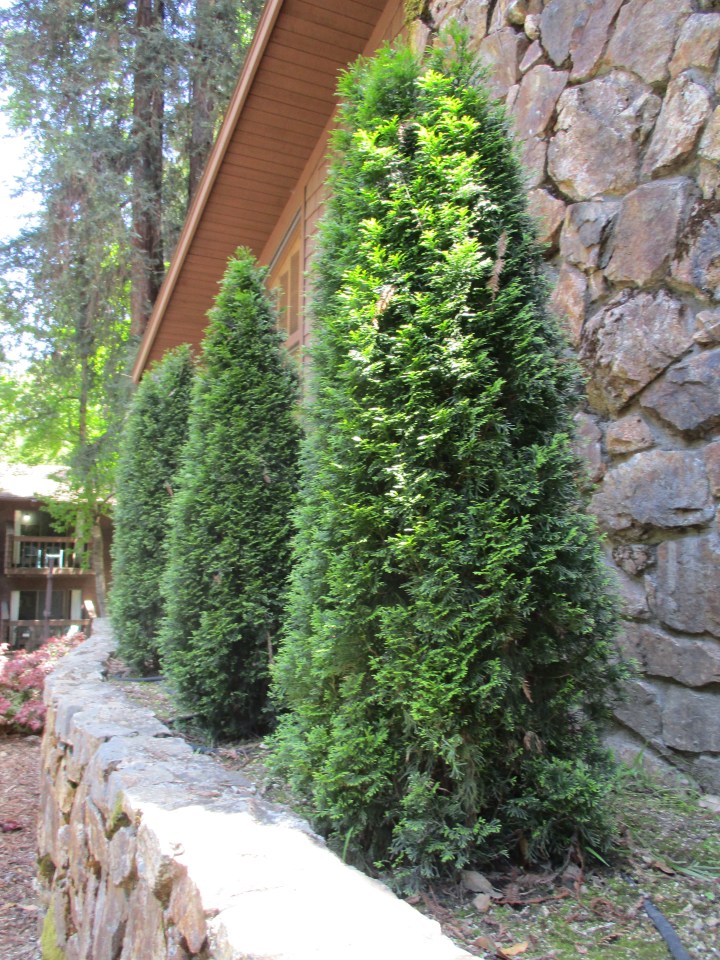
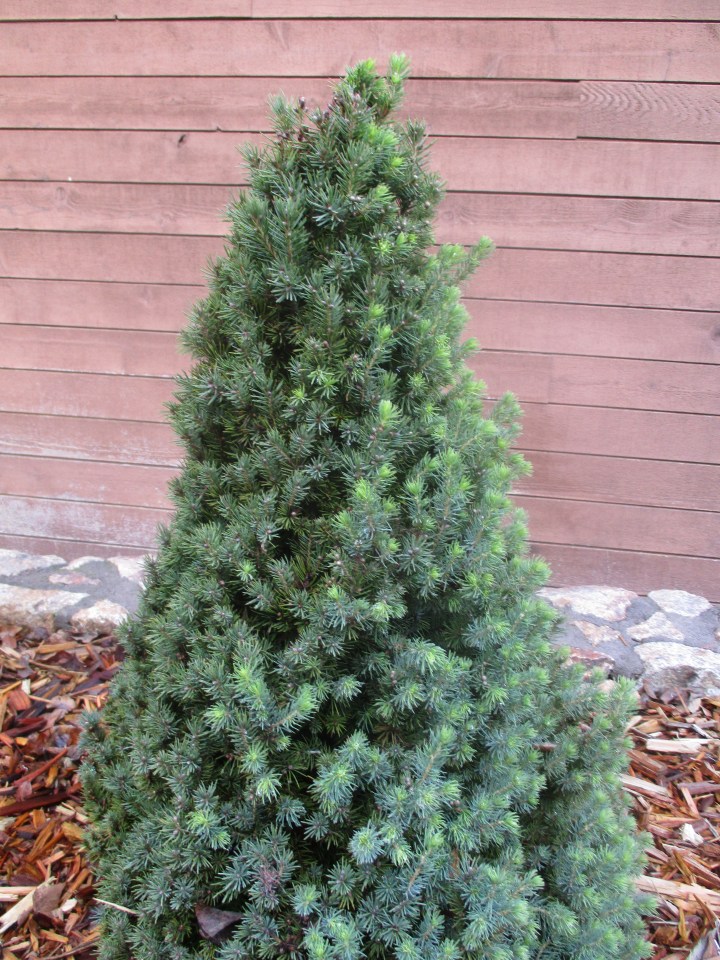 People really stress out over Christmas trees. Some do not want a cut Christmas tree because it involves killing the tree. Some do not want an artificial Christmas tree because it is . . . artificial. Some do not want a living Christmas tree because it is too expensive for a tree that is too small. There are so many myths and misconceptions about Christmas trees, yet everyone wants one.
 The softest and laciest of the asparagus is the asparagus fern, Asparagus setaceus. The extremely small ‘leaves’ (or ‘cladodes’) are less than a quarter of an inch long. The tiny and mostly unnoticed pale white flowers that bloom sporadically in warm weather make it obvious that asparagus fern is not really a fern. (Ferns do not bloom.) If any green berries develop, they are toxic.
 We may not get much foliar color in autumn here, but we get enough. Sweetgums do not need much cool weather to color well. They would probably have colored better and held their foliage a bit better if the weather got cooler faster, but we can not complain about what we got. Most of the crape myrtles are still completely green. Cottonwoods are defoliating, but without much color. Maples are rare here. The three best trees for color in autumn here are sweetgum, pistache and flowering pear. Of these, we happen to have several sweetgums here.