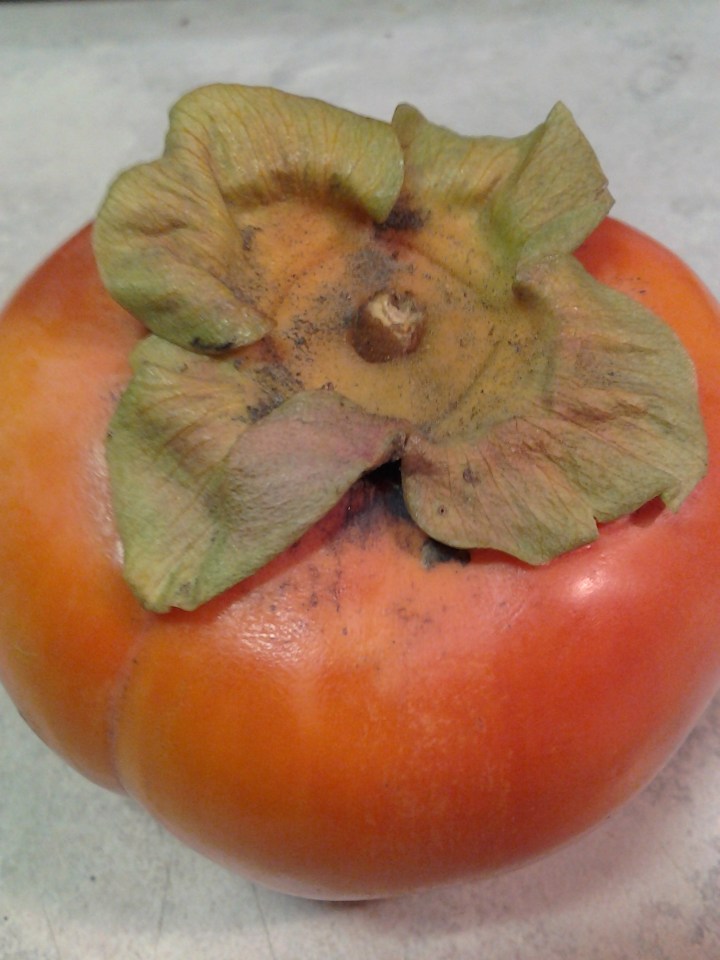
 A mature persimmon tree, Diospyros kaki, is often too much of a good thing. The fruit is both big and abundant as it ripens this time of year. Much of the fruit in taller trees is out of reach. Nearly ripened but somewhat firm fruit can be picked and shared with neighbors for a while, but must be picked immediately once completely ripe. Otherwise, it falls and makes a squishy mess that can not be raked up! Nearly ripe fruit ripens easily off the tree. Individual fruits only need to be spread out in a single layer to limit molding.
‘Fuyu’ is probably the most popular variety because the ripe fruit can be eaten while still firm, or after it has gotten soft. ‘Hachiya’ produces the largest fruit, sometimes bigger than a softball; but the fruit is too astringent to eat until completely ripe. It is actually best after it is so overly ripe that it is too squishy to handle. Persimmon fruits are very bright orange. ‘Hachiya’ fruit can be slightly reddish. The foliage gets just as colorful. Typically, the foliage colors first, and then falls to reveal the fruit. This year, the fruit seems to be coloring first.
 Those of us who grew up with the old fashioned stone fruit orchards or vineyards might remember some of the traditional methods for protecting the ripening fruit from birds. Mulberry trees were grown on the corners of some orchards to keep birds well fed and less hungry for the ripe orchard fruit. Mulberry cultivars were selected to ripen just prior to the fruit within the particular orchards.
 Growing fruit trees is quite a bit of work. While producing, some of the fruit trees need nearly as much attention as annual vegetable plants in the vegetable garden. Then, while dormant, they need meticulous and specialized pruning. Some fruit trees get damaged by insect or disease infestation, or severe weather. Some fruit can get taken by wildlife. Yet, for most of us, the reward of fresh fruit is worth all the hard work that goes into growing it.
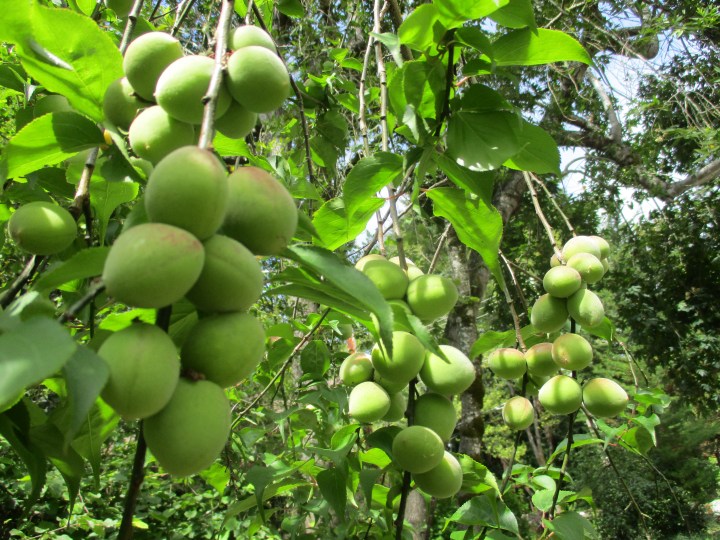 They do not come with instructions for their maintenance. Deciduous fruit trees, particularly the stone fruit trees (such as cherry, plum, prune, apricot nectarine and peach) and pomme fruit trees (such as apple and pear), can be procured as easily as nasturtium seed or petunias. Whether bare-root in winter or canned (potted), they very often get planted into gardens where they are expected to produce their fruit as easily as daisies bloom.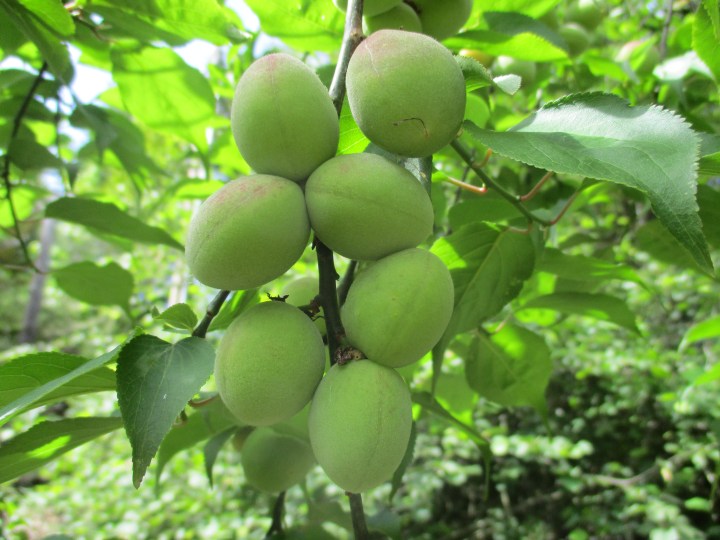
 It may not be the mother of all lemons, but Lisbon lemon, Citrus limon ‘Lisbon’, is the original cultivar from which ‘Eureka’ lemon was derived; and ‘Variegated Pink’ lemon was later derived from ‘Eureka’ lemon. ‘Variegated Pink’ is still uncommon, and the pink juice is unusual, but because its variegated foliage is less efficient than greener foliage, it is more manageable in small spaces.
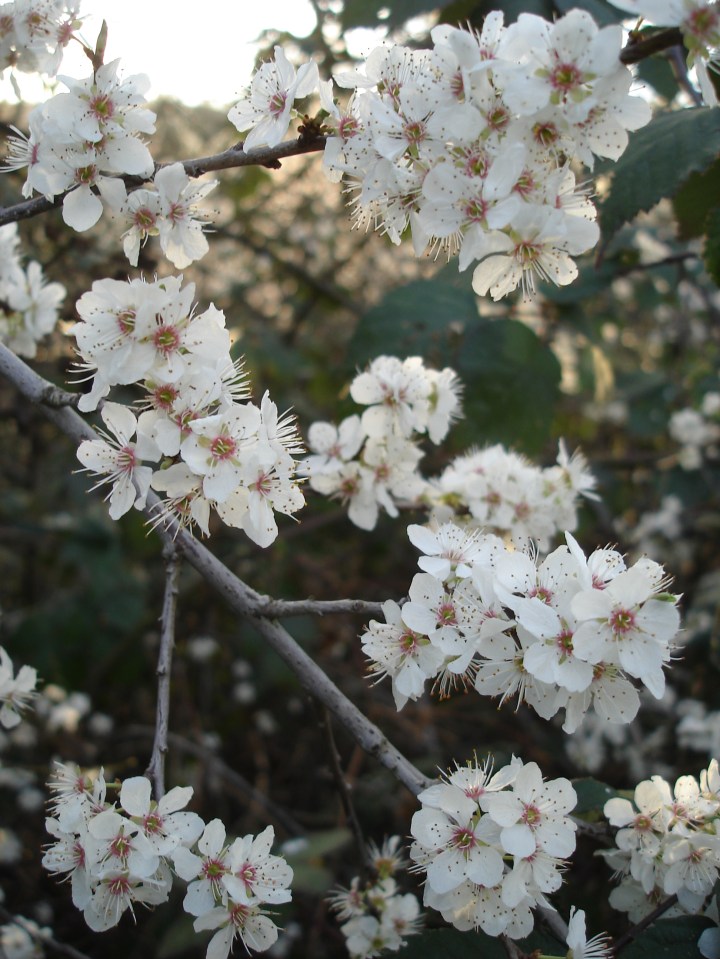 Unlike all the fancy and popular Japanese plums and European prunes, wild plum, Prunus americana, is almost never planted intentionally. It is a common understock for the more desirable types, and usually grows as suckers from below graft unions. In fact, it often grows from the roots of plum or prune trees that died or were cut down earlier. They can eventually form thickets.
 Properly pruned deciduous fruit trees probably do not have too many extra stems to spare now. Neglected trees would have more to offer. Believe it or not, a few of us who prune deciduous fruit trees diligently and meticulously in winter sometimes leave a few unwanted stems to prune out and take into the home now that the flower buds are beginning to swell and are about to bloom.
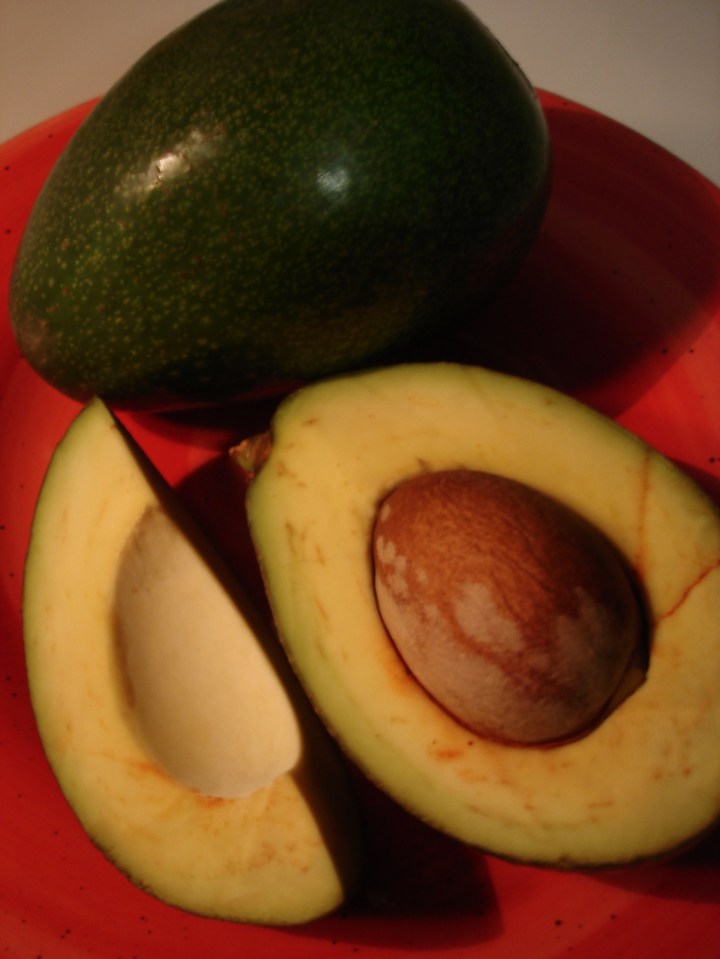 Avocado trees, Persea americana, grown from seed need to be about five years old to produce fruit that can be considerably different from the fruit from which the seed was taken, although such fruit is almost always quite good. Some trees need to be twice as old to produce. Grafted trees from nurseries are specific varieties that can start to produce their specific fruit immediately.
 Climate is what makes gardening so excellent here. It is just warm enough in summer for plants that like a bit of heat, but not too unbearably hot for too long. It is just cool enough in winter for plants that like a chill, but not cold enough for hard frost or heavy snow. The climate is also comfortable for us while out in the garden! Yet, even local climate is neither perfect nor predictable.
 It is no more in season now than the other stone fruits like apricot, cherry, plum and such, but this is the time of year that almond, Prunus dulcis, needs work. Established trees get pruned while bare and dormant. New trees, preferably bare root, get planted. The most popular modern cultivars available are self pollinating, and labeled as such. Old traditional cultivars require pollinators.
 Tony Tomeo