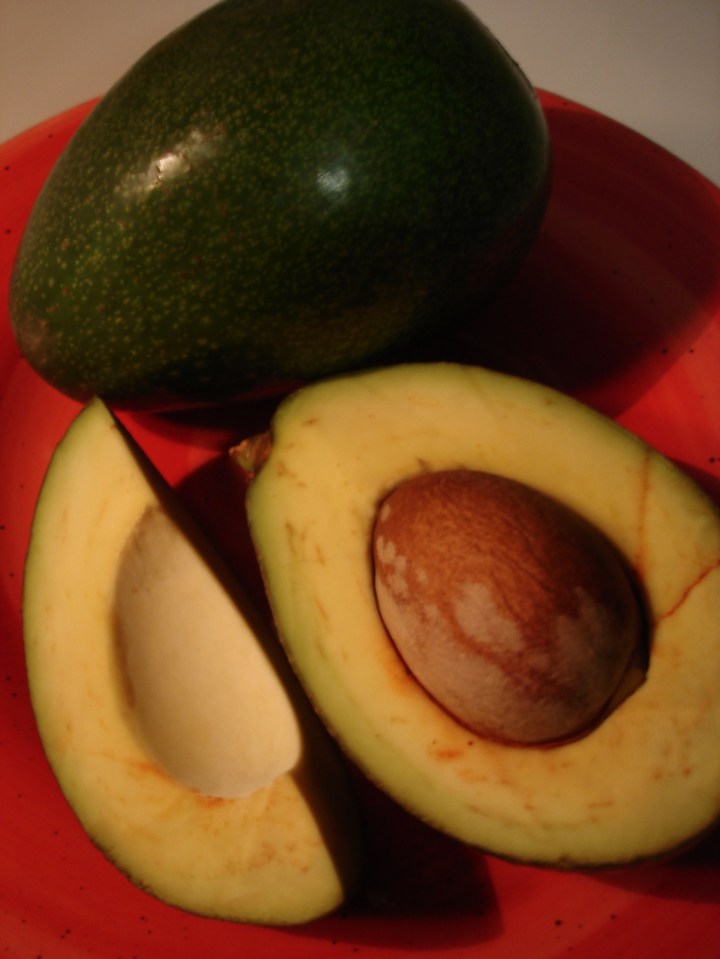
 Avocado trees, Persea americana, grown from seed need to be about five years old to produce fruit that can be considerably different from the fruit from which the seed was taken, although such fruit is almost always quite good. Some trees need to be twice as old to produce. Grafted trees from nurseries are specific varieties that can start to produce their specific fruit immediately.
Fruit production is notoriously variable. Some healthy trees may be unproductive for a few years, and then suddenly produce more fruit than the limbs can support. Trees that are very reliable and productive may sometimes be unproductive or significantly less productive for a season. It is nearly impossible to determine which environmental factors inhibited bloom and fruit development.
Mature trees can be more than forty feet tall, with awkward branch structure. The lush dark green leaves are about four to eight inches long. The tiny yellowish green flowers barely get noticed until they deteriorate and fall to the ground like corn meal. The dark green and pear shaped fruit is quite heavy. It develops on the tree, but then ripens after it falls or gets picked and brought inside.
 Climate is what makes gardening so excellent here. It is just warm enough in summer for plants that like a bit of heat, but not too unbearably hot for too long. It is just cool enough in winter for plants that like a chill, but not cold enough for hard frost or heavy snow. The climate is also comfortable for us while out in the garden! Yet, even local climate is neither perfect nor predictable.
 It is no more in season now than the other stone fruits like apricot, cherry, plum and such, but this is the time of year that almond, Prunus dulcis, needs work. Established trees get pruned while bare and dormant. New trees, preferably bare root, get planted. The most popular modern cultivars available are self pollinating, and labeled as such. Old traditional cultivars require pollinators.
 Compared to canned (potted) nursery stock, bare root plants have a few advantages. They are less expensive, easier to handle, more conducive to pruning into a desired form, and they disperse roots and get established more efficiently. One more advantage that is not often considered is that they are easier to install into the garden. For some, it is as simple as poking a stick in the mud.
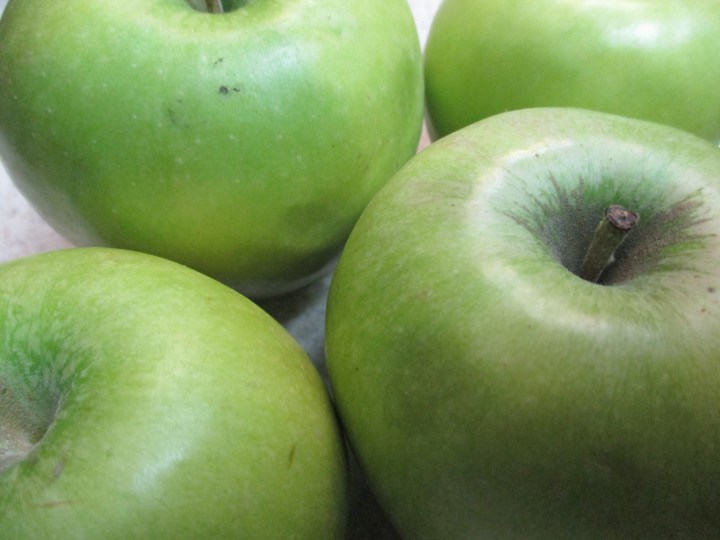 Some of us who enjoy gardening may not like to admit how useful the internet can be. There is a lot of bad information out there. There is also some degree of good information. It is impossible to fit much information about apples into just a few brief paragraphs. Therefore, the internet is likely the best source of information about the countless cultivars and specie within the genus of Malus.
 The vast orchards of the Sacramento and San Joaquin Valleys might make the impression that production of fruit is easy. The trees naturally bloom in spring, and develop fruit over summer, as if they do most of the work prior to harvest. In reality, those trees have been so extensively bred to maximize production that they need, among other maintenance, very specialized pruning in winter.
 Just like roses and camellias, the innocent peach, Prunus persica, has been developed into too many distinct cultivars to write about in just a few brief paragraphs. It had been in cultivation for thousands of years before arriving in North America. Peach is a classic summer fruit, but trees should be planted while dormant, preferably as bare root stock, about now, in the middle of winter.
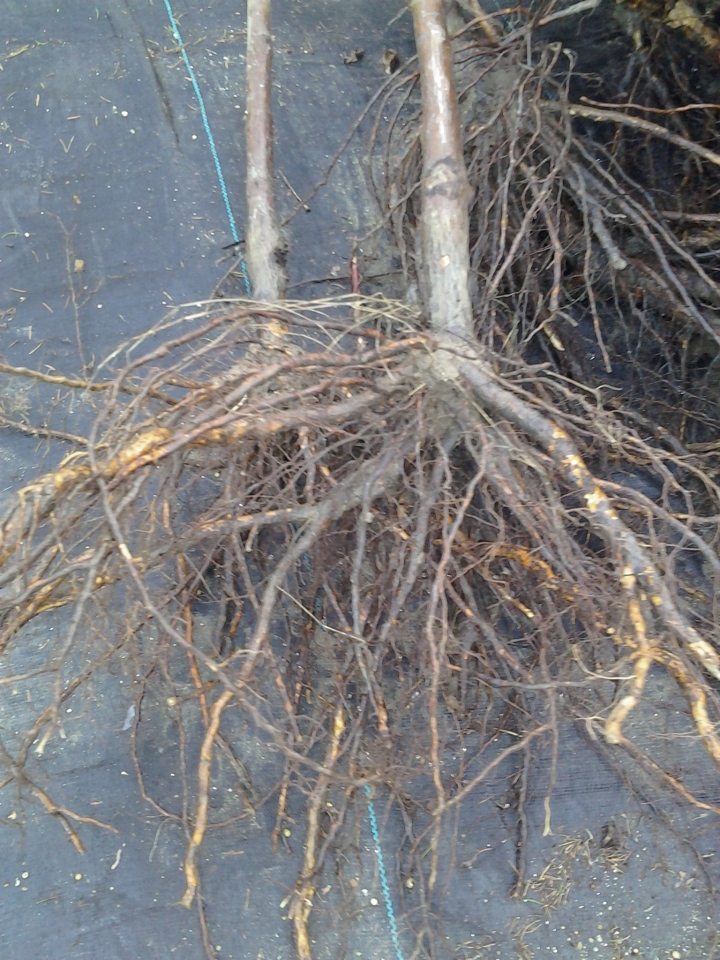 Autumn really is the season for planting. That is the general rule. One generalization about general rules is that they generally do not apply to all of the specifics. In other words, there are likely certain exceptions. In this case, there are some types of plants that should not be planted in autumn. The next best season for planting is probably winter, which happens to be ‘bare root season’.
 Tony Tomeo