
Dragon fruit became a fad on the West Coast of California several years ago. They were probably always around, but had previously been rare. When they inexplicably became more popular and common, they did so down south first. Their popularity migrated to the Santa Clara Valley a few years later. It probably will not go much farther though, since they are sensitive to frost.
It is not a bad fad, at least relative to most others. Dragon fruit, which is also known as pitaya, happens to be very easy to grow and propagate from cuttings. Locally, it needs protection from frost, but no more than other popular tropical plants. It recovers from minor frost damage quite efficiently. Pruning scraps can be rooted and grown as more plants for friends and neighbors.
Of course, I dislike fads. I am not impressed by the fruit, which might lack flavor here where the weather does not stay very warm for very long through summer. The coarsely textured and floppy plants get big and awkward. They are typically trained up onto posts from which their many long stems hang downward. An exemplary specimen looks like Sigmund the Sea Monster.
This is a fad that I dislike enough to try. I want to see what all the fuss is about. These are my first two cuttings. The upper cutting produces red fruit. The lower cutting that is marked with a line to show how deeply it should be stuck into rooting medium produces white fruit. I will know where to release them into the landscape by the time they develop roots and start to grow.
This is so shameful that I probably should not be writing about it. Oh well. Perhaps in a few months, I will write about how these cuttings will be progressing.


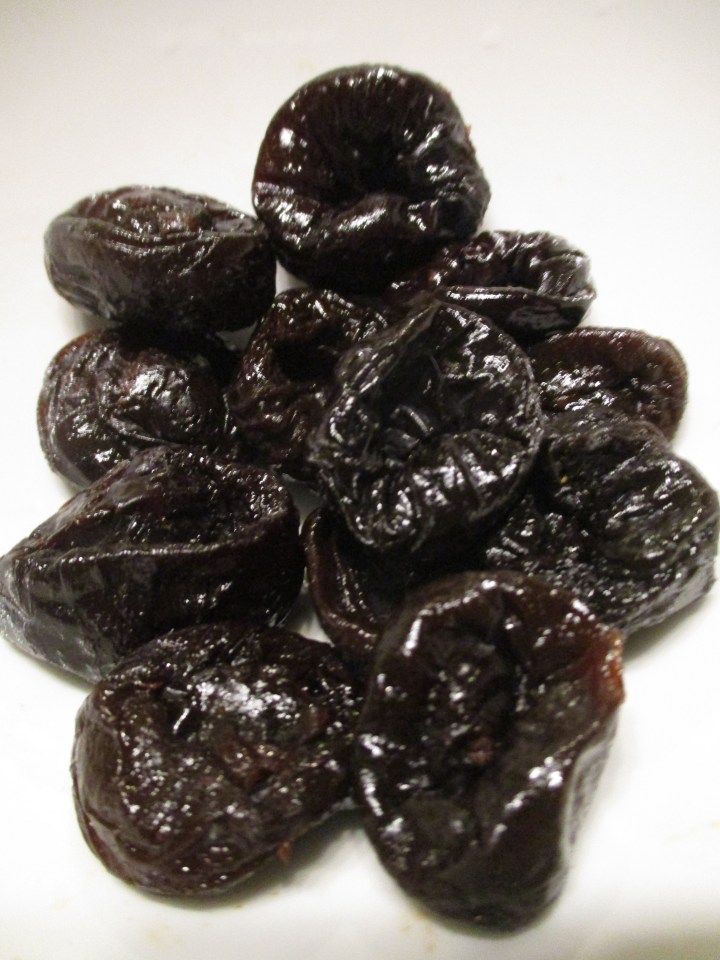
 Cher explained a long time ago that a half-breed is nothing to brag about. Some of us just don’t get it. A few clients still introduce me to their weirdly bred stone fruit trees as if they are both justification for great pride, as well as something that a professional horticulturist of the Santa Clara Valley has not already encountered a few thousand times. I at least try to act impressed.
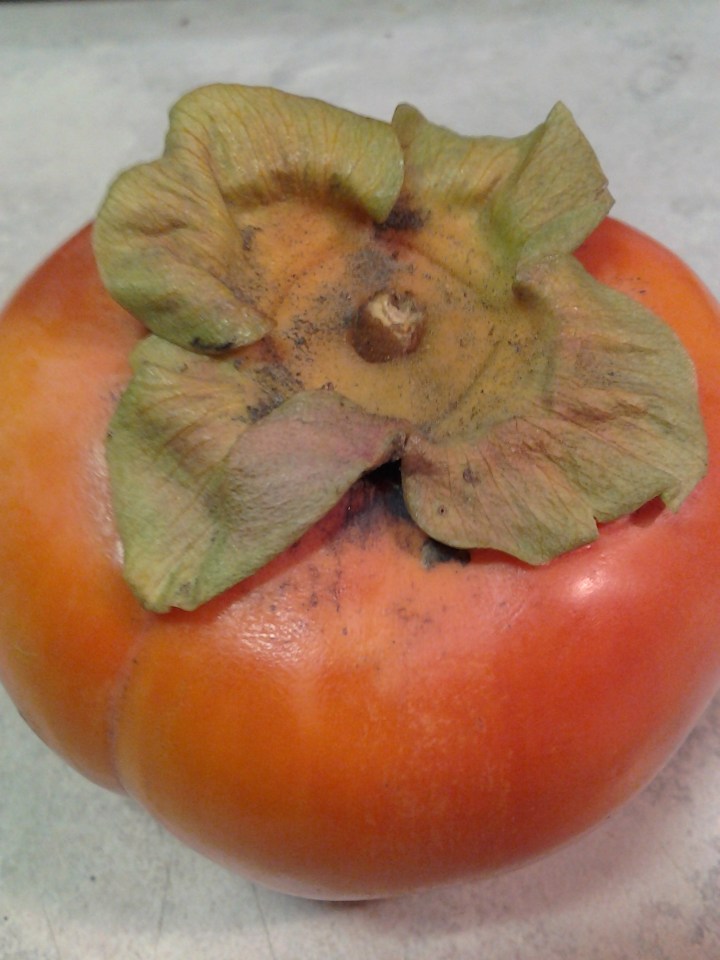 A mature persimmon tree, Diospyros kaki, is often too much of a good thing. The fruit is both big and abundant as it ripens this time of year. Much of the fruit in taller trees is out of reach. Nearly ripened but somewhat firm fruit can be picked and shared with neighbors for a while, but must be picked immediately once completely ripe. Otherwise, it falls and makes a squishy mess that can not be raked up! Nearly ripe fruit ripens easily off the tree. Individual fruits only need to be spread out in a single layer to limit molding.
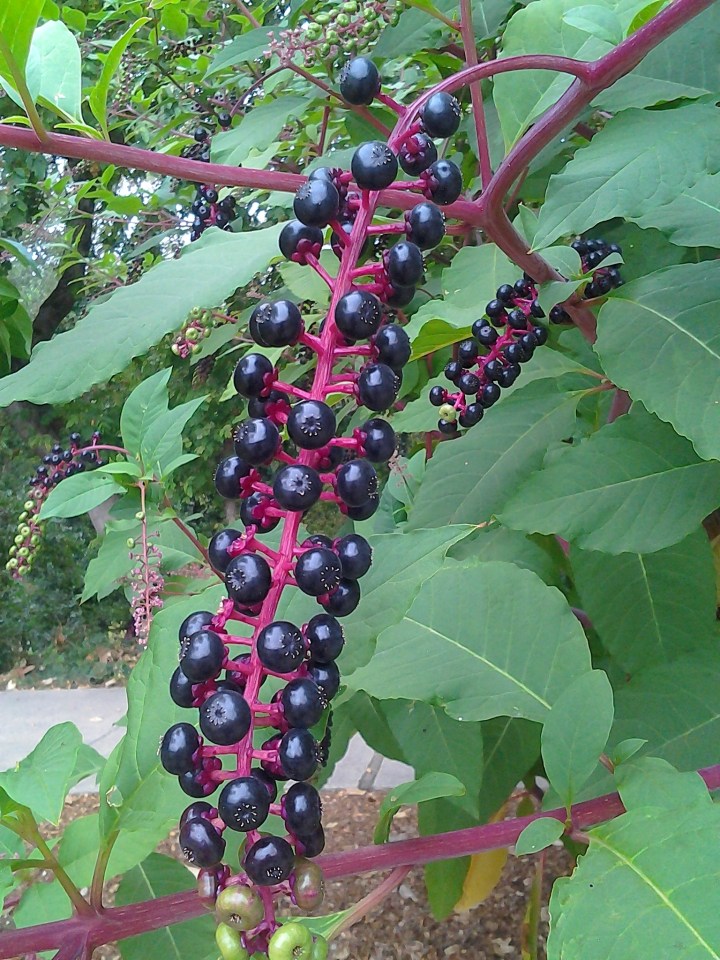 Before the colorful foliage of autumn falls and gets raked away, a few types of berries and fruit start to provide a bit of color to last into winter, or at least until birds and other wildlife eat them. Technically, the most colorful berries are actually intended for the birds, both those that overwinter and those that migrate south for the winter. The berries are designed by the plants that produce them to both entice birds, and to reward them for dispersing the seeds within.
 Tony Tomeo